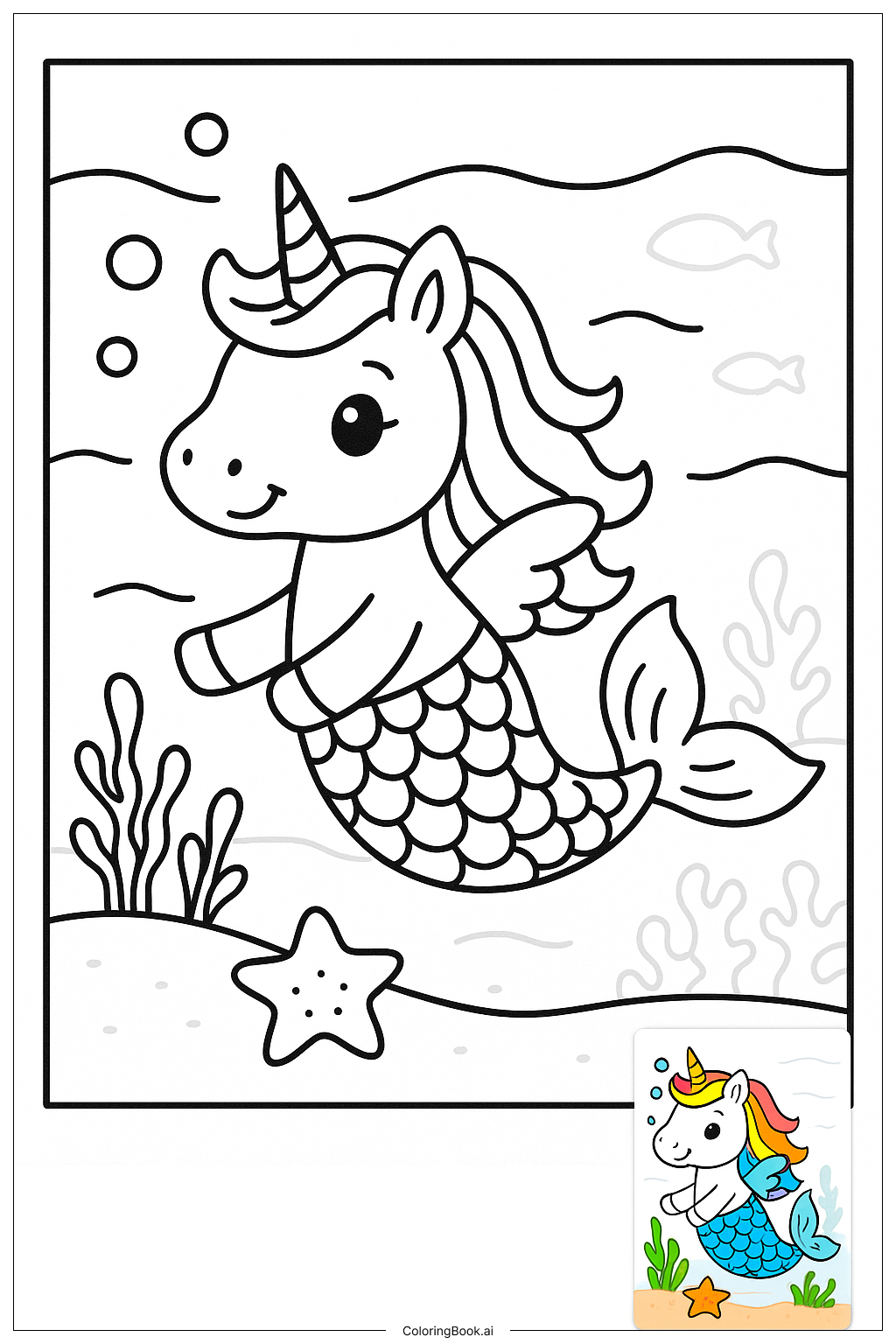
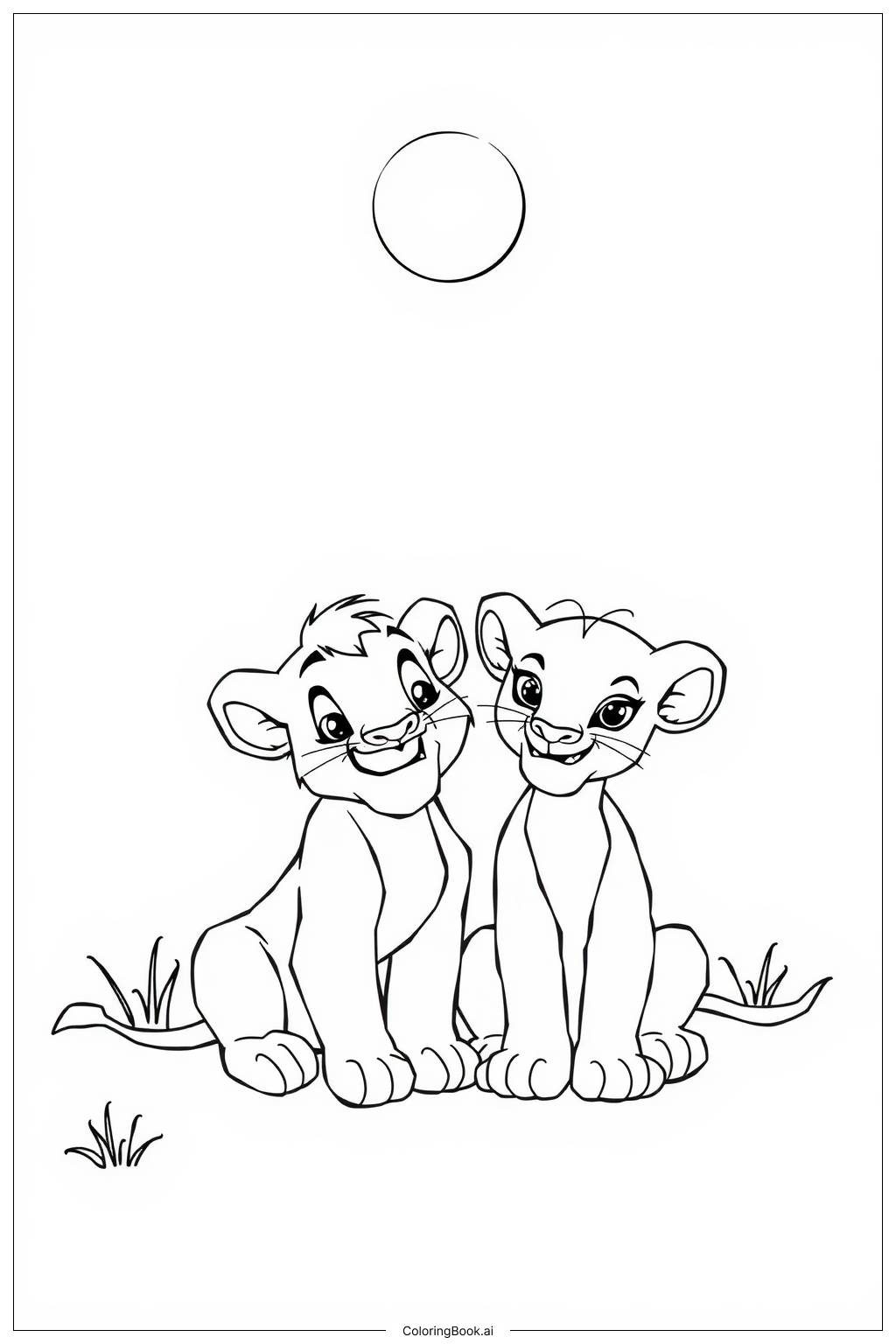
Coloring tips: How to color Little Mermaid With Fish Friend coloring page well?
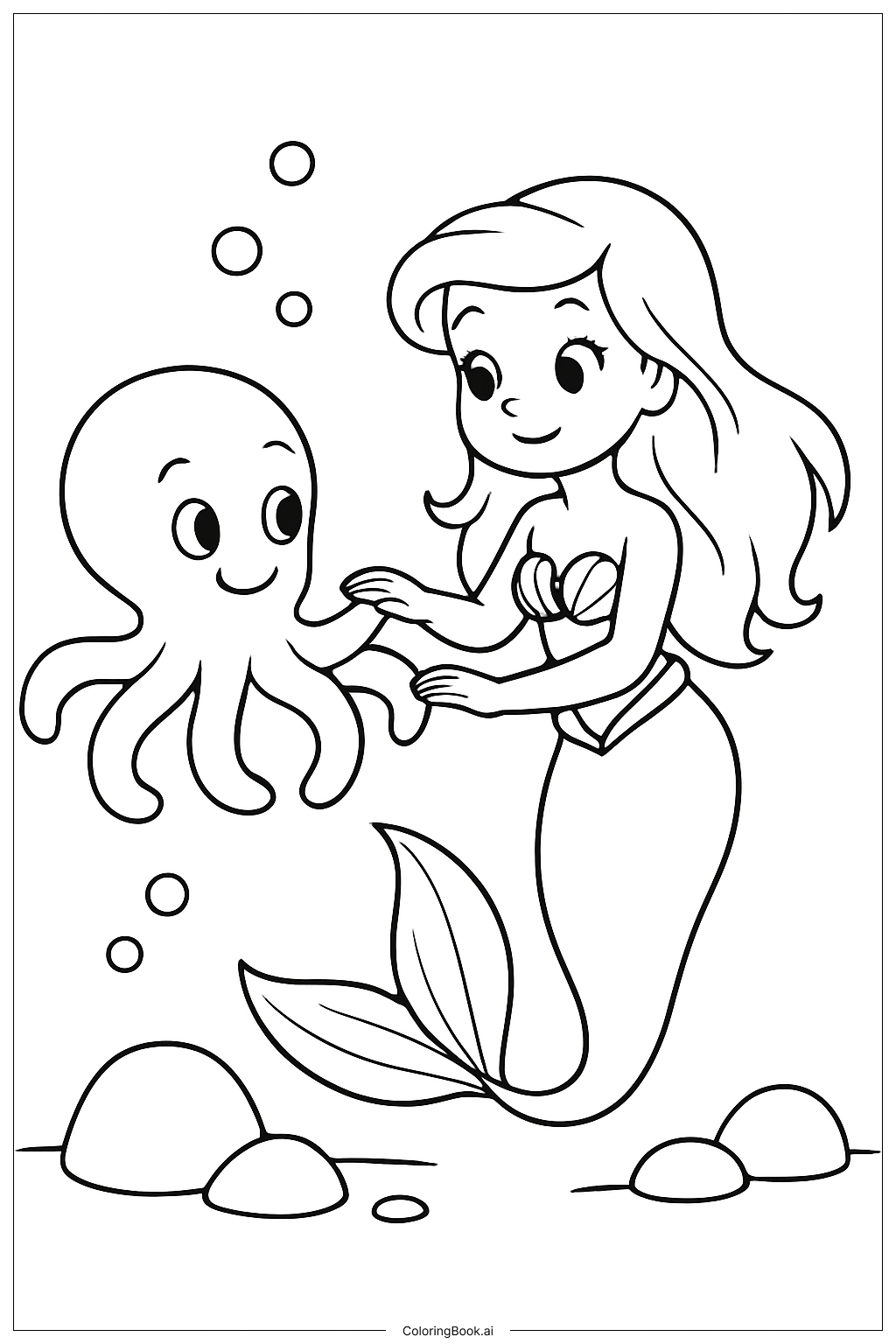
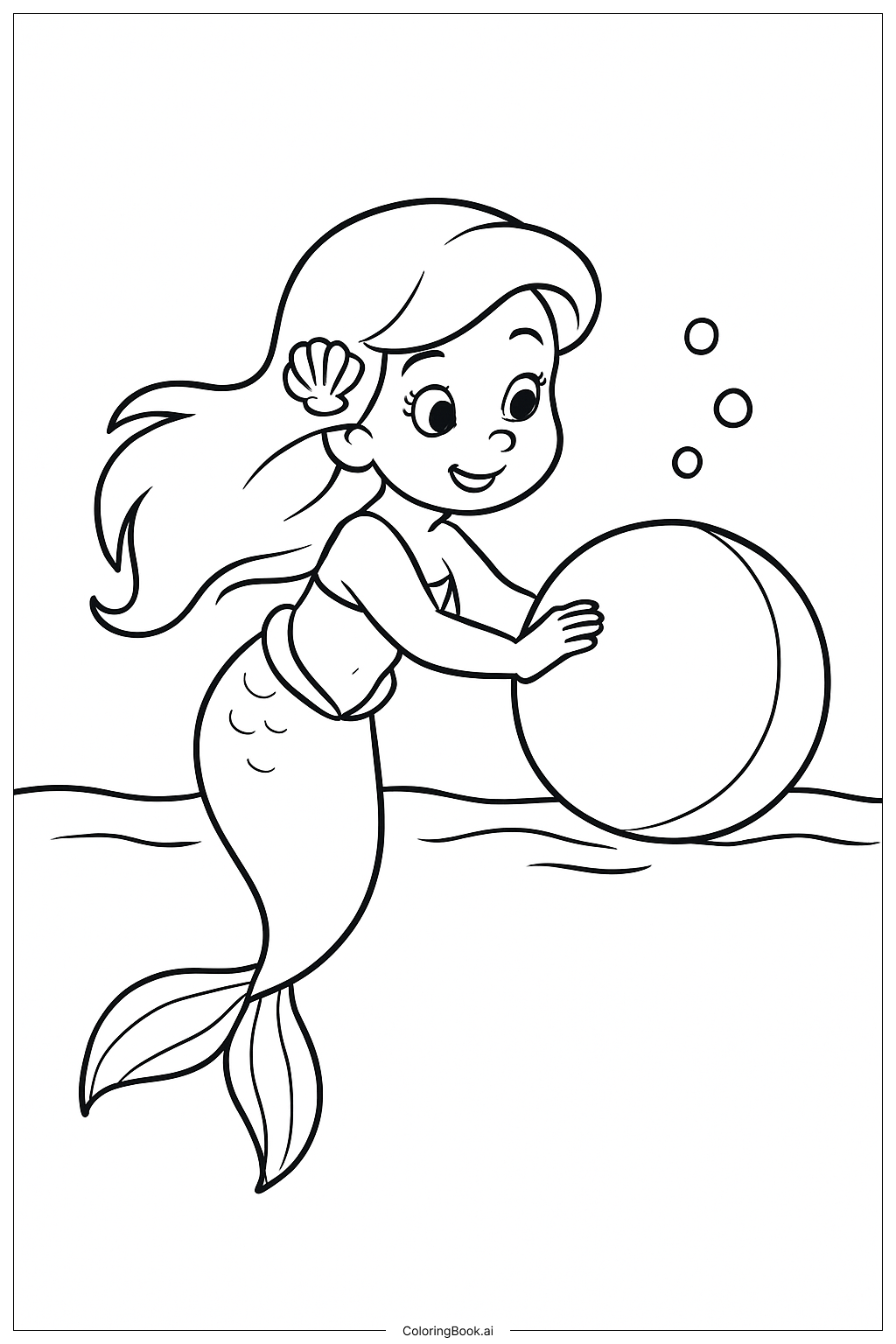
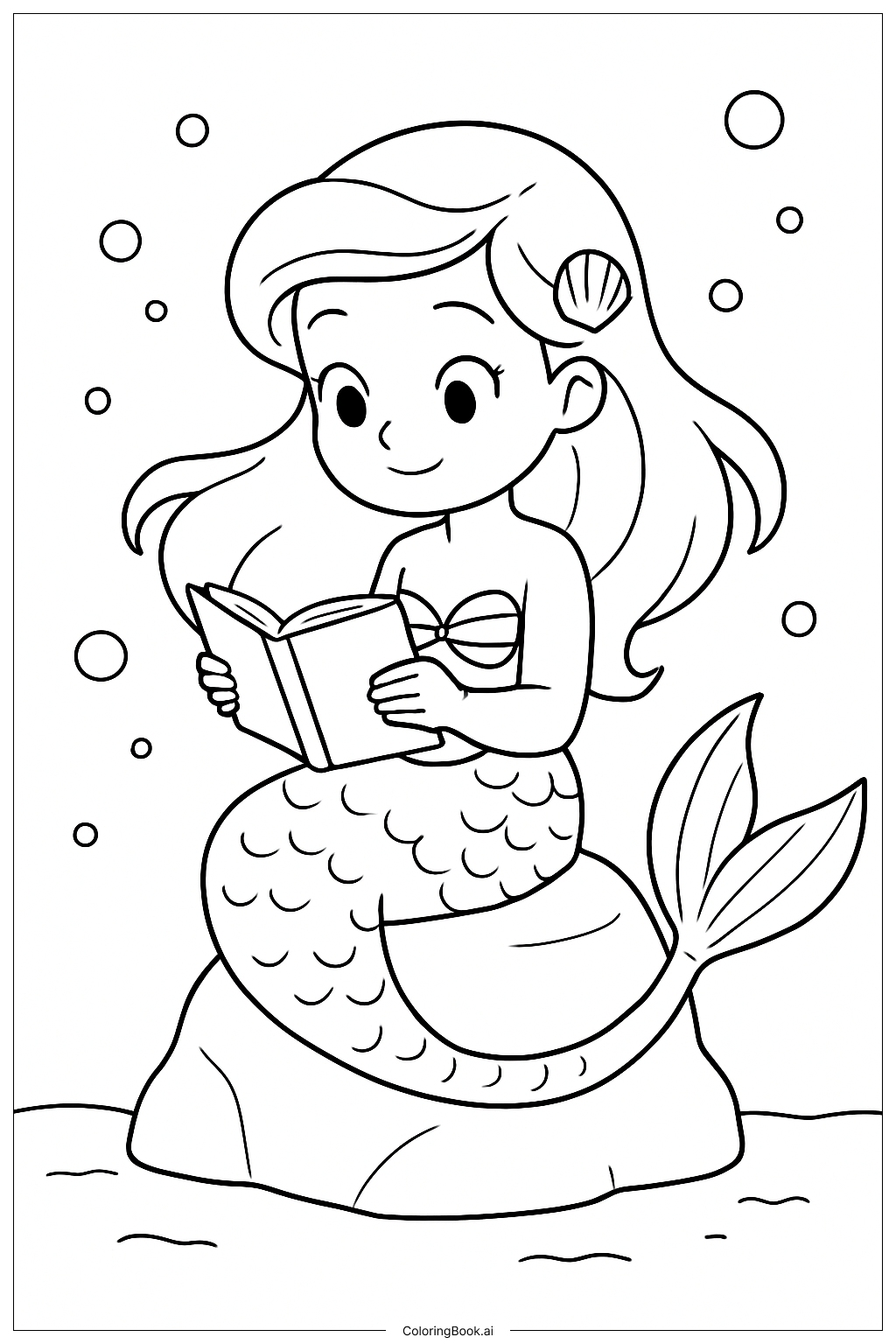
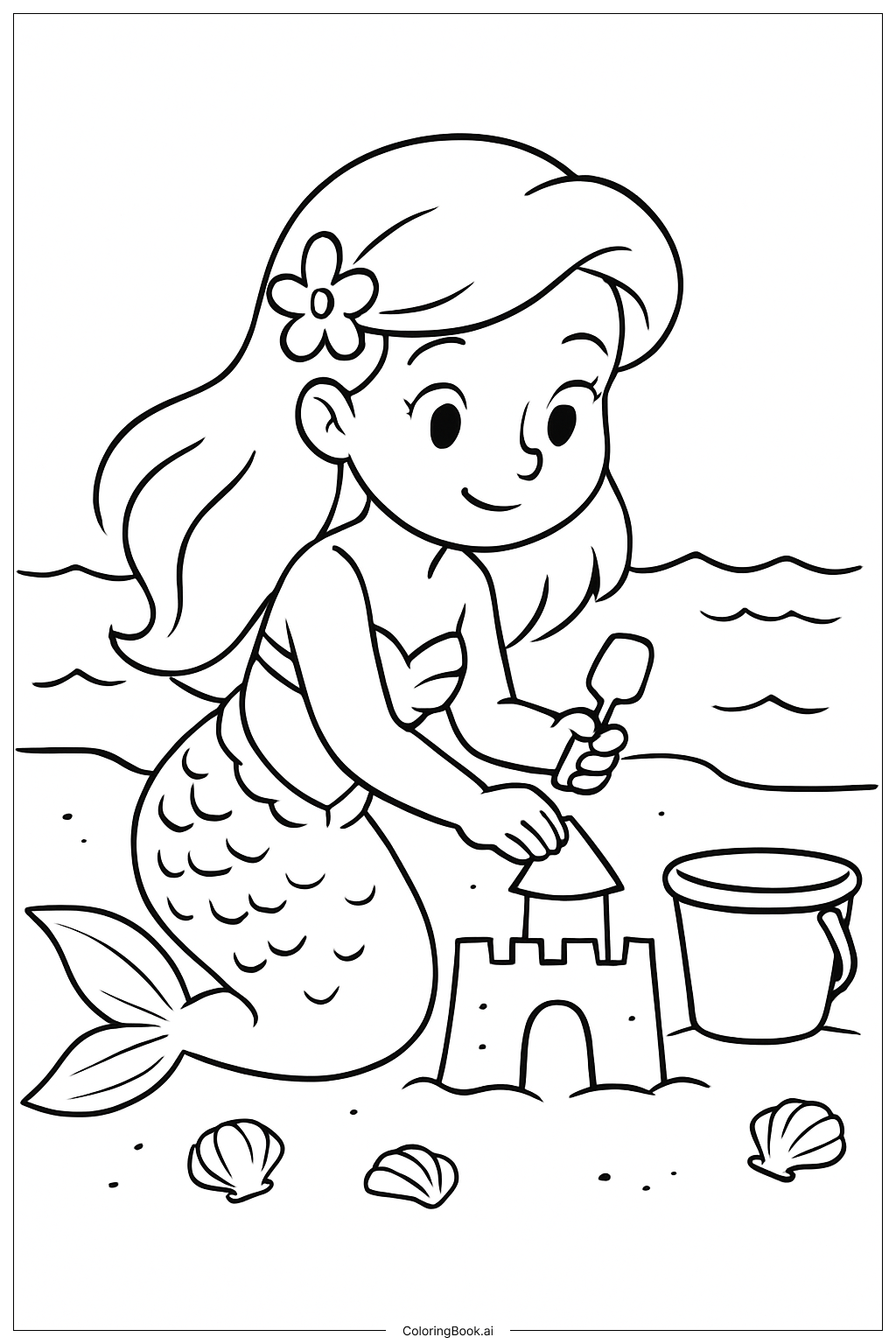
Start by choosing a dreamy color palette for the mermaid's tail. Shades of teal, aqua, or purple work beautifully and give her a magical look. Use a soft skin tone for her upper body and warm golden or chestnut tones for her flowing hair. For the fish friend, try bright and cheerful colors like orange, yellow, or red to make it pop against the underwater background. Use different shades of blue and green for the water and background elements to create depth. Add lighter tones near the surface for a glowing, sunlit effect. Color coral and sea plants in warm pinks, soft greens, and sandy browns to bring the ocean floor to life. Use white or light yellow for the bubbles to keep them looking airy and light. Take your time with the mermaid's tail scales — layering two or three shades of the same color will make them look shiny and realistic. Most importantly, have fun mixing colors and making the ocean world your very own.
Coloring challenges: Which parts are difficult to color and need attention for Little Mermaid With Fish Friend coloring page?
• Mermaid Tail Scales: The mermaid's tail is covered in overlapping scales, which are one of the most detailed parts of the image. Each scale is small and curved, requiring careful attention to stay within the lines. Coloring each scale individually with slightly different shades can create a beautiful shimmering effect, but it takes patience and a steady hand. Younger children may find it easier to use one solid color for the whole tail.
• Flowing Hair Details: The mermaid's long hair has many strands and waves that curl and overlap. Keeping the color consistent throughout all the strands can be tricky. Using the side of a colored pencil or a broader crayon stroke can help fill in larger sections more smoothly without losing the natural flow of the hair.
• Fish Friend's Small Features: The fish companion has small fins, round eyes, and tiny details along its body. These areas are narrow and require a fine-tipped tool, such as a thin marker or a sharpened colored pencil, to fill in neatly without coloring outside the lines.
• Background Water and Depth: Creating a sense of depth in the ocean background is a challenge. Simply using one flat blue may make the scene look dull. Blending light and dark shades of blue and green helps suggest distance and movement in the water, but this technique can be difficult for beginners.
• Bubbles and Highlights: The small bubbles scattered throughout the image are easy to accidentally color over. Leaving them white or very lightly shaded requires careful attention, especially when coloring the surrounding water areas.
Benefits of coloring books: Advantages of drawing Little Mermaid With Fish Friend coloring page
Coloring this image of a Little Mermaid and her fish friend offers a wonderful range of benefits for children and young artists. First, it helps build fine motor skills. Carefully coloring small details like scales, fins, and bubbles trains the hand muscles needed for writing and drawing. Second, it encourages creativity. Choosing colors for the ocean world sparks imagination and lets children express their own sense of beauty and style. There are no wrong color choices, so every finished page becomes a unique piece of art. Third, it supports focus and concentration. Staying inside the lines and working through a detailed image teaches children to slow down and pay attention, skills that are useful in school and everyday life. Fourth, coloring can be a calming activity. The gentle, repetitive motion of coloring helps reduce stress and anxiety, making it a healthy way to unwind after a busy day. Fifth, this particular image introduces children to the magic of underwater life, quietly sparking curiosity about ocean creatures and nature. Sharing the finished artwork with friends or family also builds confidence and a sense of pride in their own work.