Coloring tips: How to color Little Mermaid Meeting Sea Turtle coloring page well?
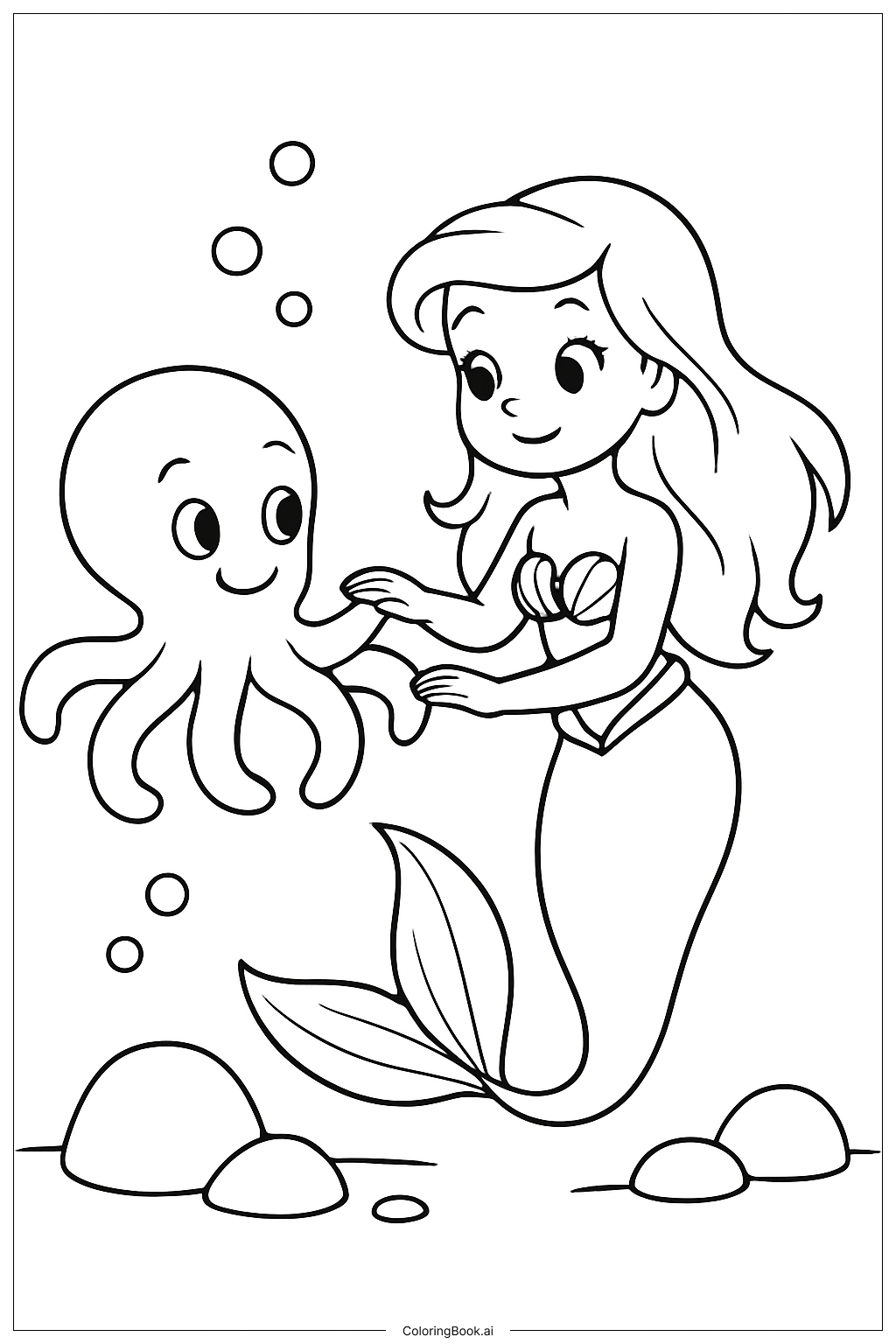
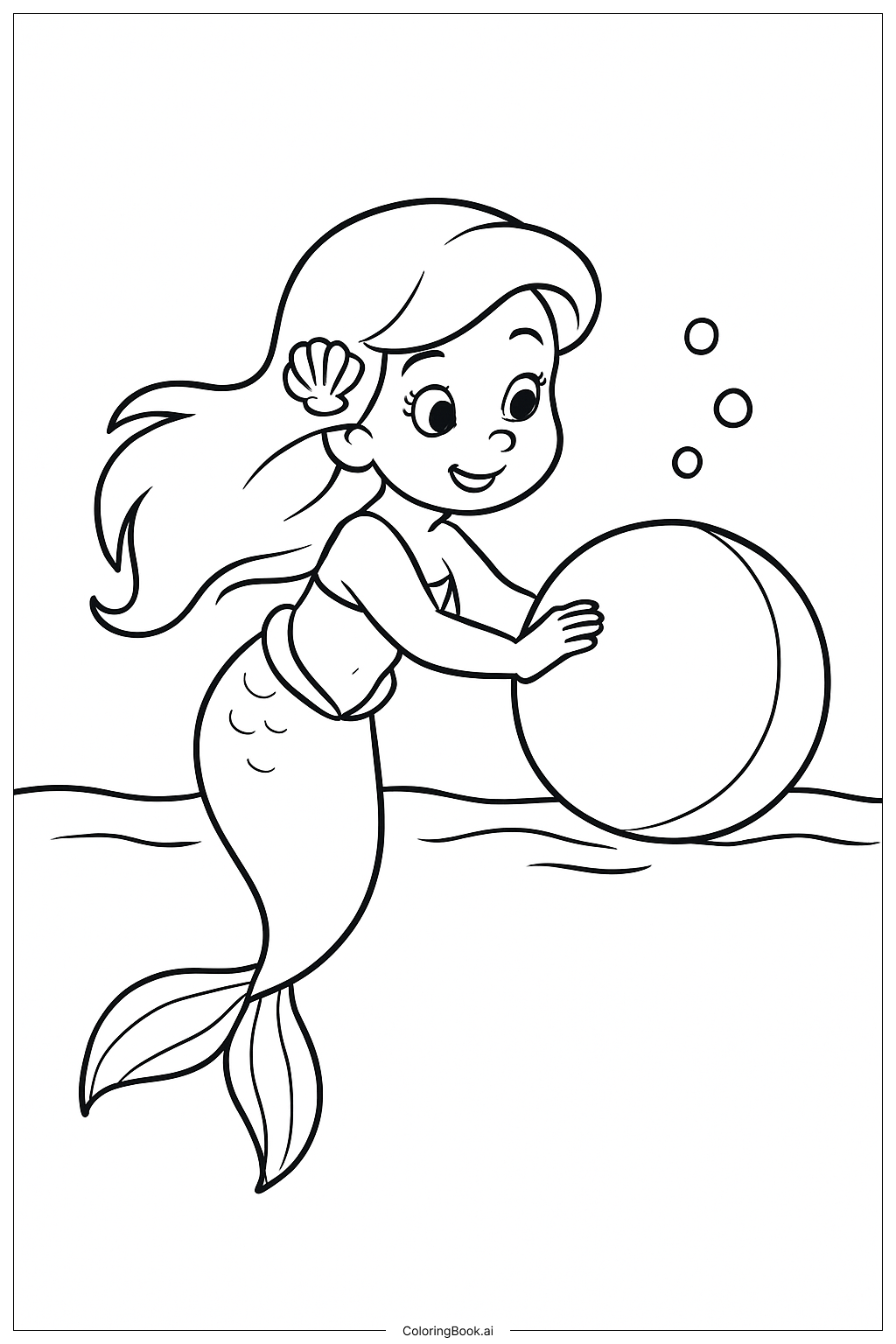
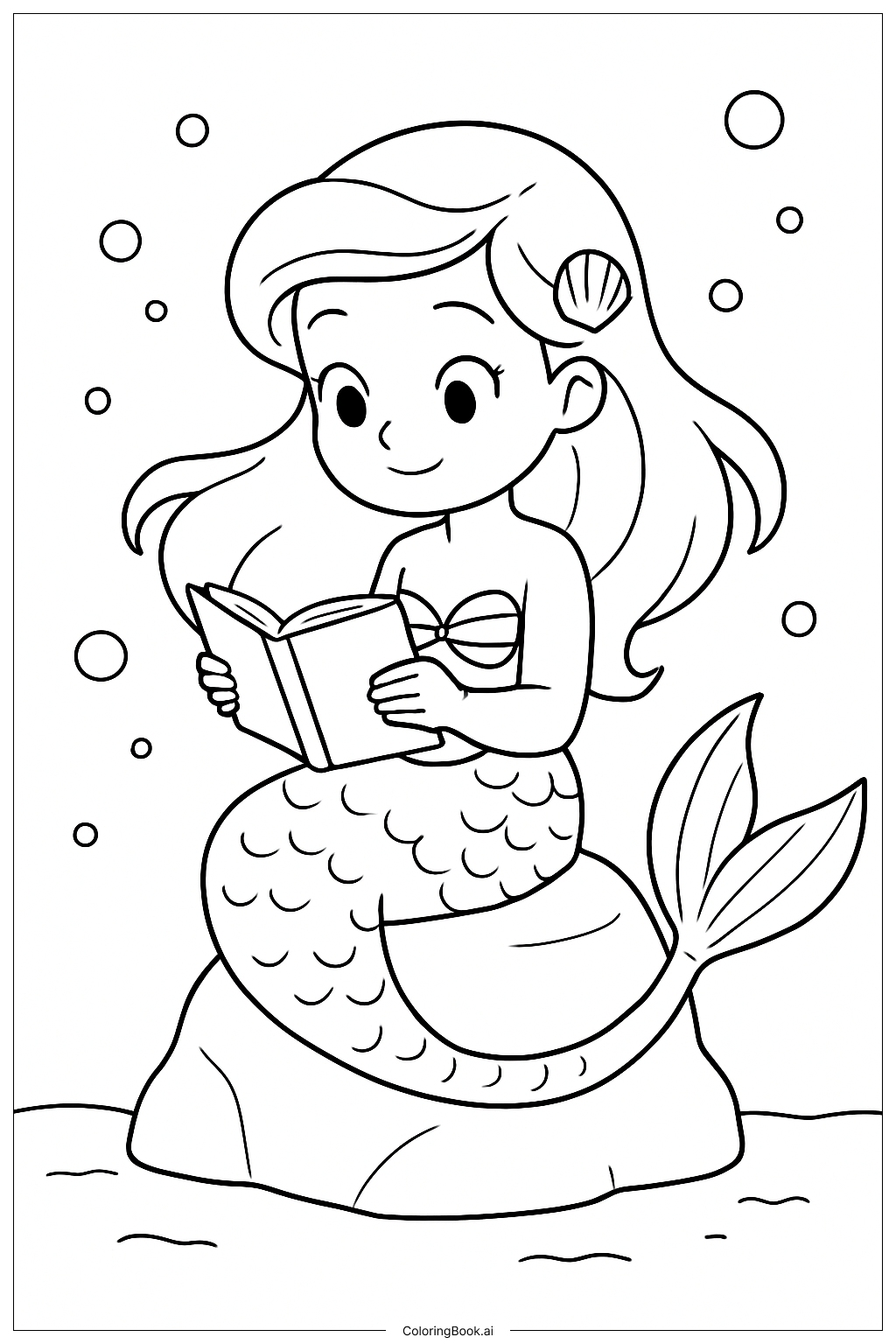
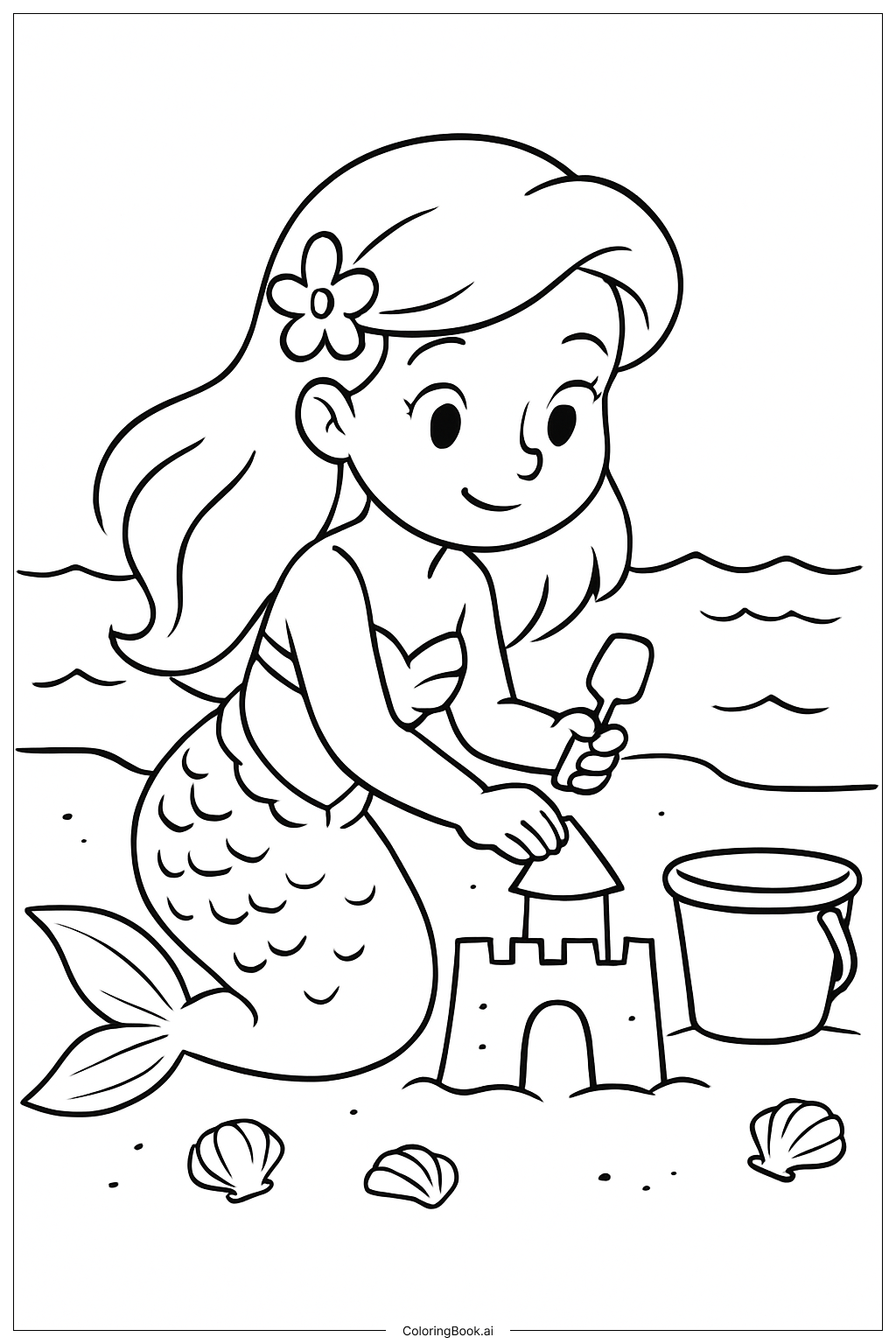
For the mermaid, consider using shades of blue and green for the tail, with hints of glitter for a magical effect. Choose bright colors like pink or purple for her hair. The turtle can be colored in shades of green and brown, reflecting its natural colors. Bubbles can be light blue or even white for a sparkling look. Encourage children to use their imagination and mix colors for the background, possibly adding coral or other sea creatures to enhance the scene.
Coloring challenges: Which parts are difficult to color and need attention for Little Mermaid Meeting Sea Turtle coloring page?
1. The mermaid's tail has detailed scales, which can be challenging to color neatly. Children may struggle to fill in each scale without going over the lines. 2. The long hair of the mermaid has flowing strands, requiring careful coloring to distinguish each section. Blending colors could be difficult for younger children. 3. The turtle features intricate patterns on its shell, which may need more attention to detail. Achieving a natural look while keeping the colors within the lines can be tricky. 4. Adding bubbles may seem simple, but creating a sense of depth and shimmer requires technique. Children might find it hard to make them stand out against the rest of the scene. 5. Young artists may not have experience choosing colors that complement each other, which could impact the overall balance of the illustration.
Benefits of coloring books: Advantages of drawing Little Mermaid Meeting Sea Turtle coloring page
Coloring this image offers numerous benefits for children. It enhances their fine motor skills, as they learn to control their coloring tools. Choosing colors encourages creativity and expression, allowing kids to explore their artistic side. Additionally, coloring can be a calming activity, helping children relax and focus their minds. As they work on this mermaid and turtle scene, they can also learn about marine life and the beauty of the ocean. Engaging with such illustrations can spark interest in nature and the importance of protecting our waters.