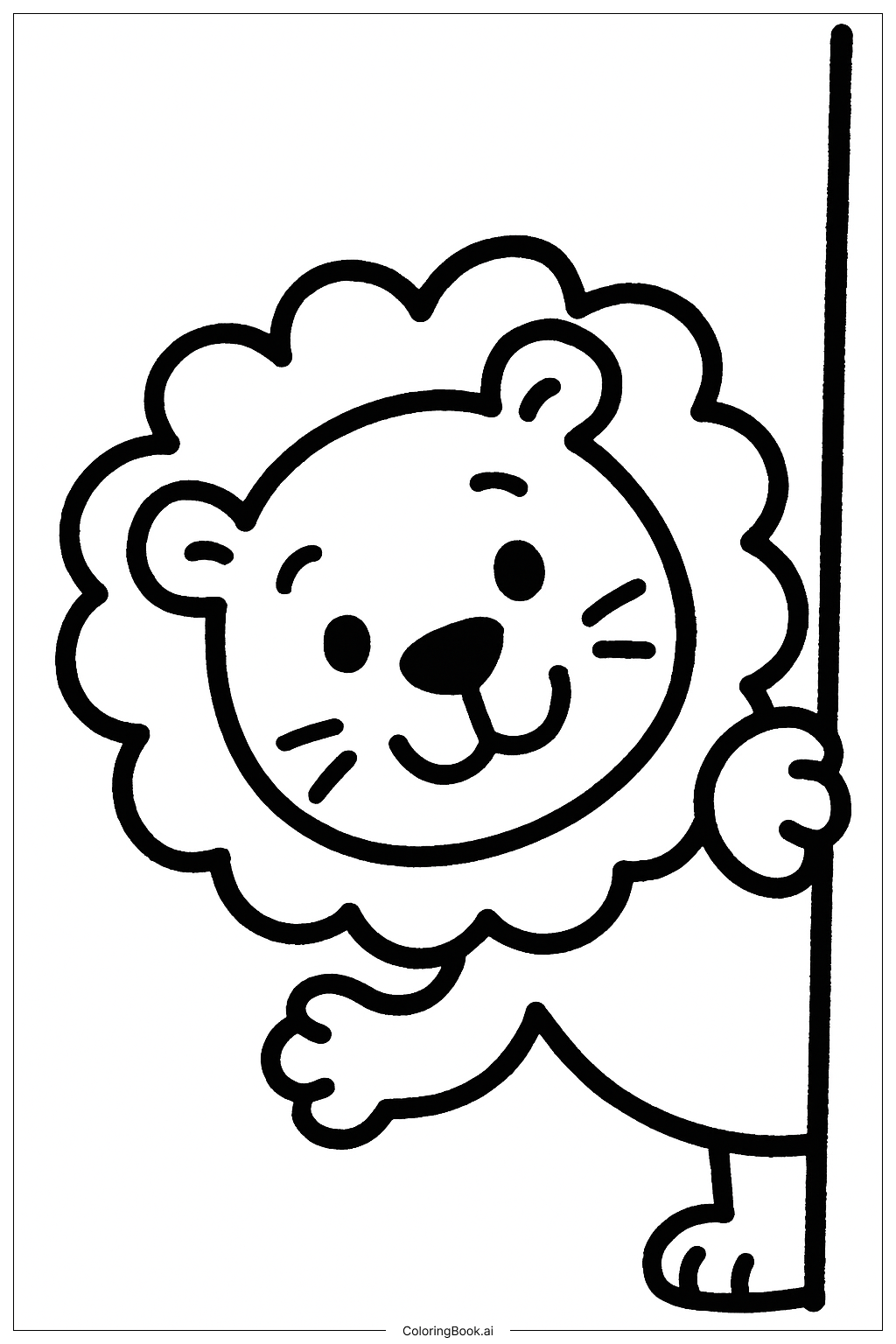
Coloring tips: How to color Peeking Lion coloring page well?
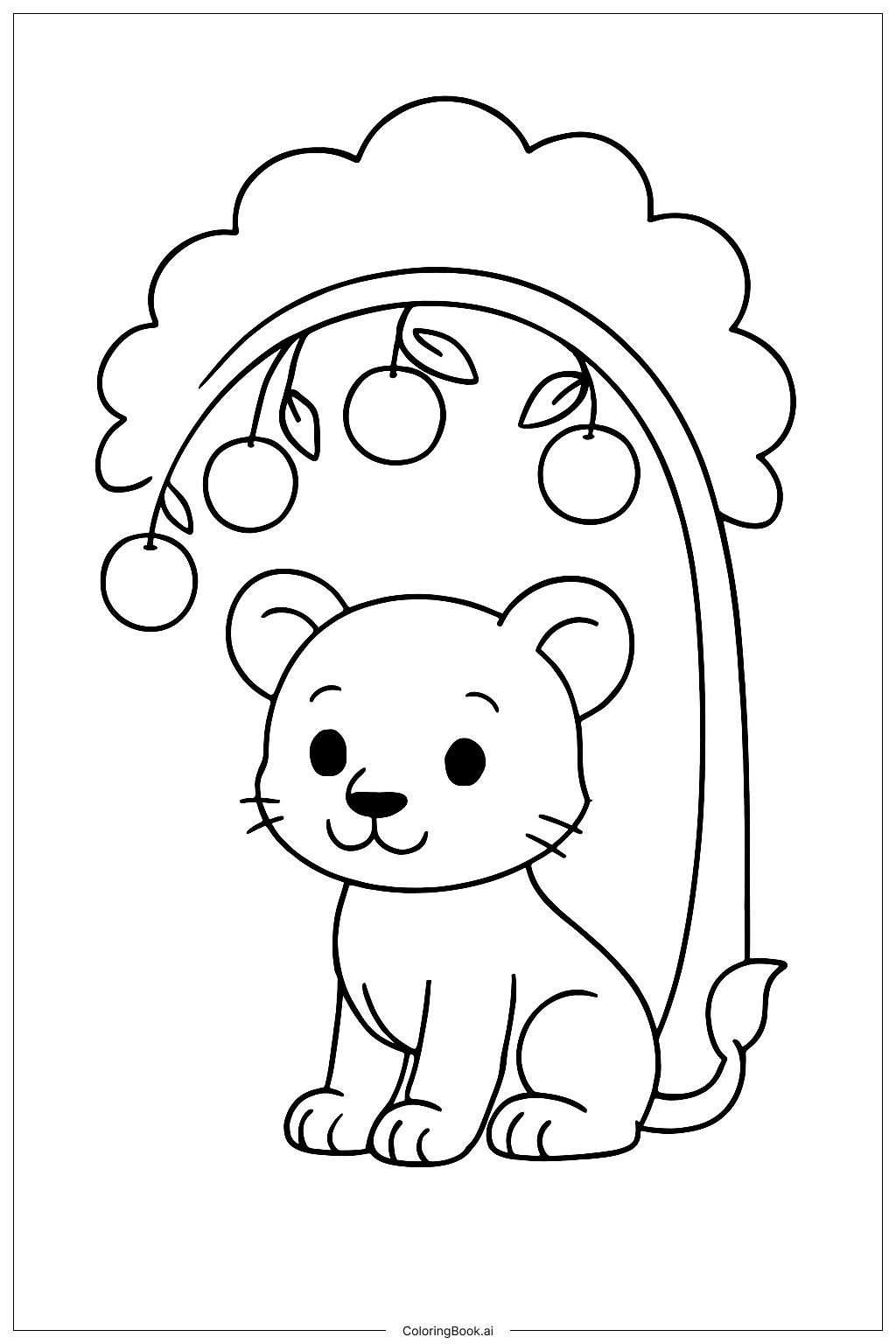
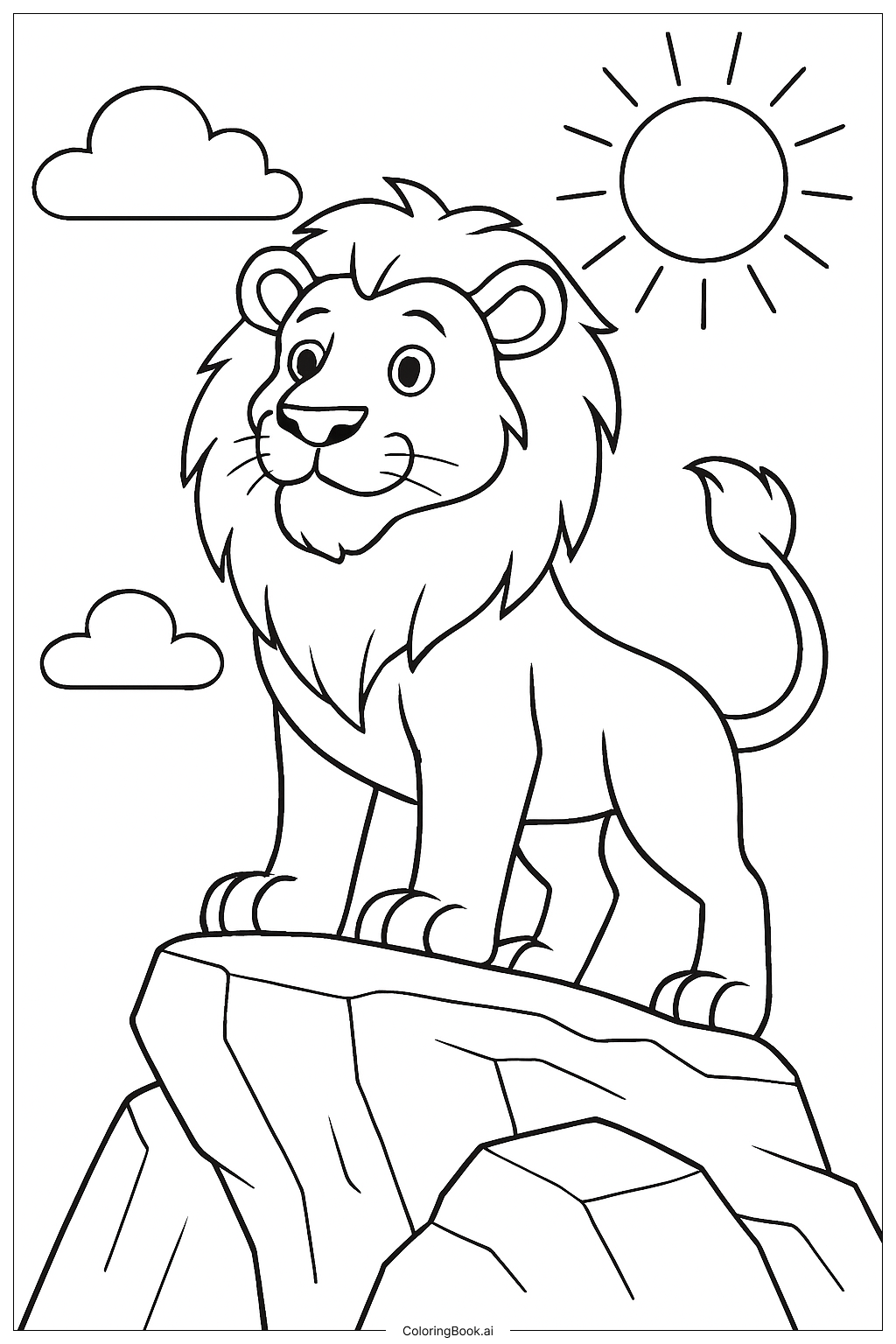
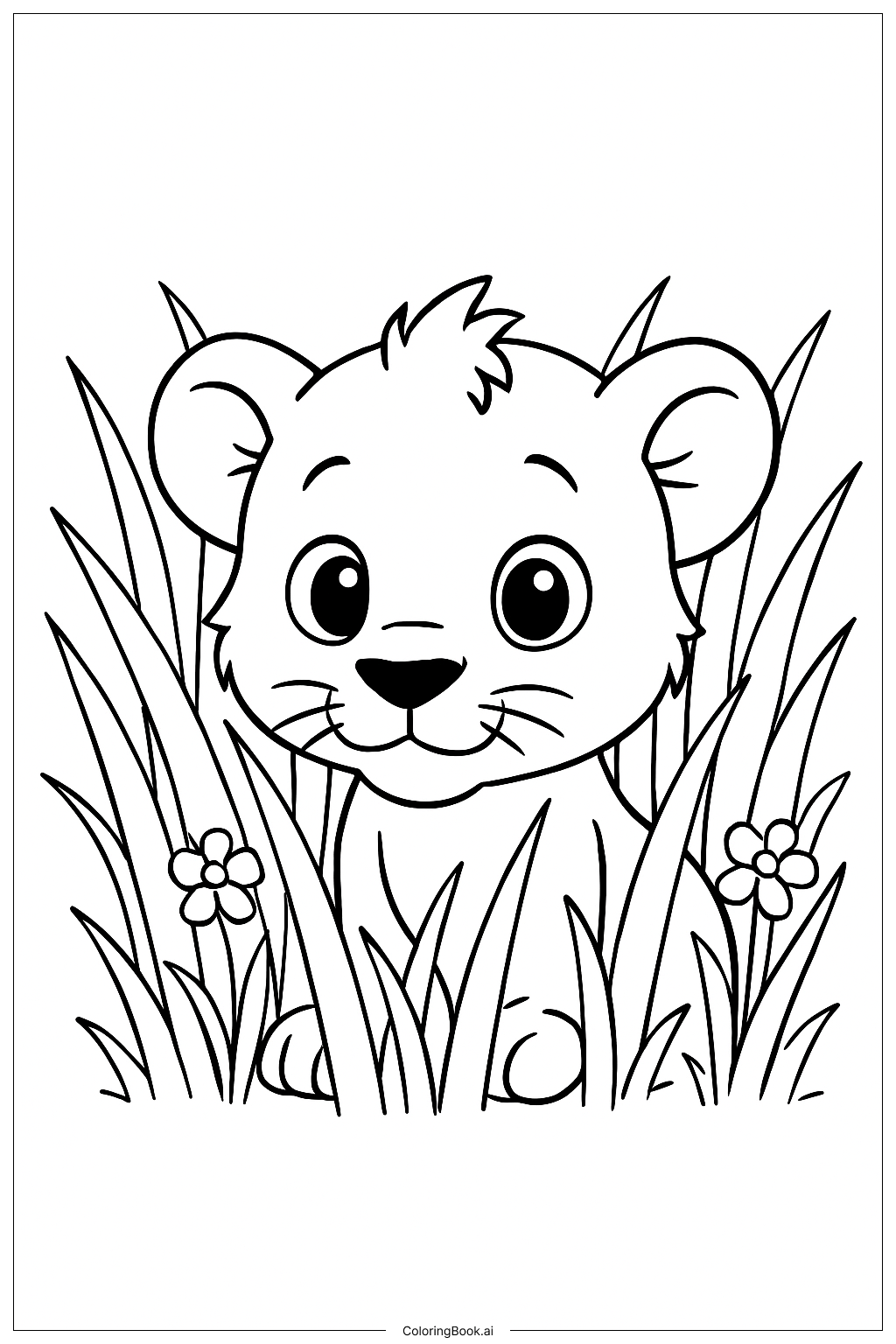
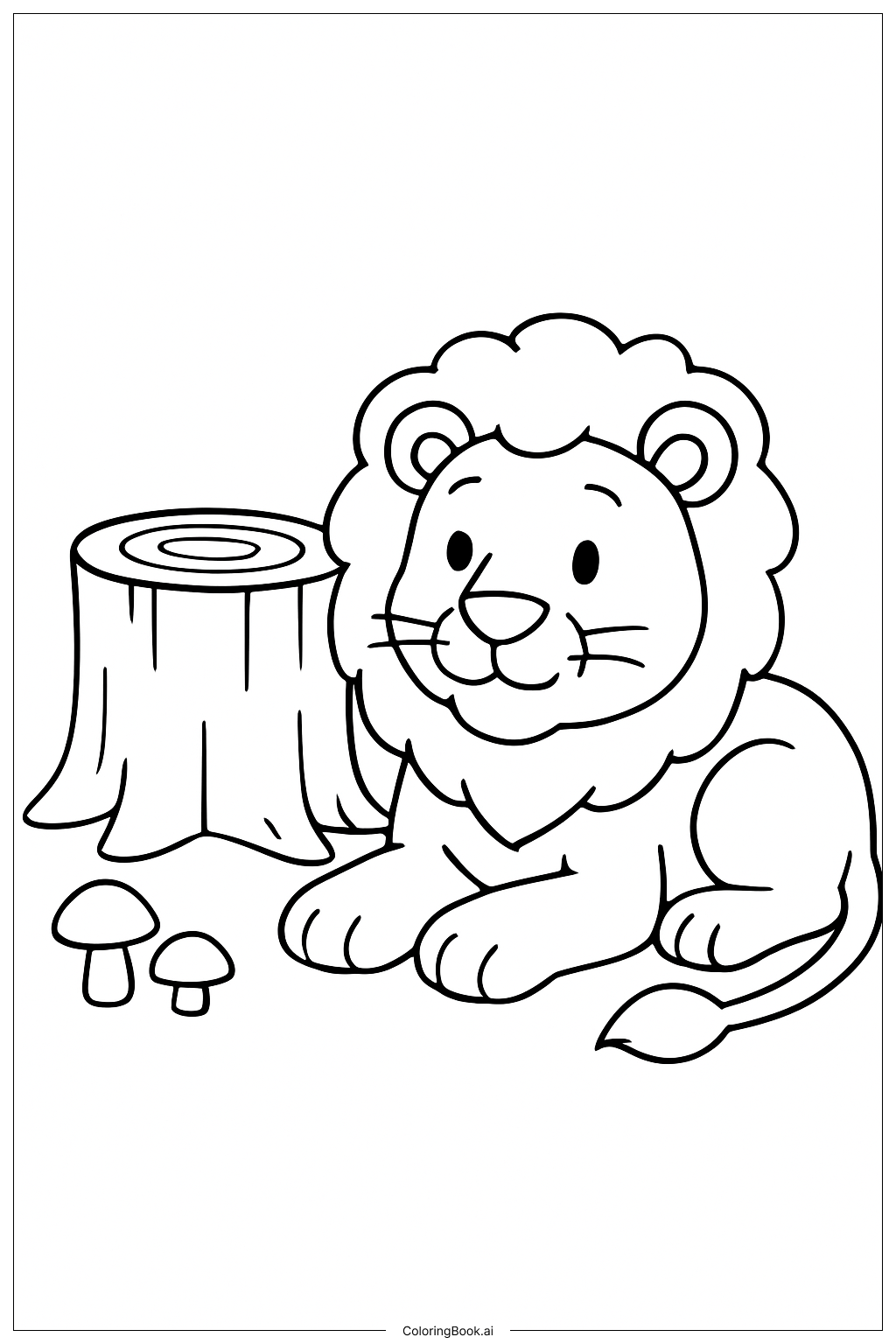
To color this Peeking Lion, start with rich golden yellows or tawny oranges for the Lion’s mane and face. You can add lighter shades of cream or light brown around the nose and cheeks to create soft highlights. Use darker browns to add depth and texture to the mane’s edges and shadows. The eyes can be colored with warm amber or honey tones to make them stand out. For the tree trunk, try shades of brown with texture lines to make it look natural. Don’t be afraid to add your own creative colors to the mane for a fun twist, like warm reds or even purples! This coloring page is perfect for experimenting with blending and shading simple areas.
Coloring challenges: Which parts are difficult to color and need attention for Peeking Lion coloring page?
• Mane Texture: The Lion’s mane has many flowing lines that require careful coloring to keep texture and volume. Staying within the lines while shading can be tricky for young colorers.
• Facial Details: The Lion’s eyes, nose, and whiskers have fine details that need steady hand control to color neatly without crossing lines.
• Contrast Areas: Balancing light and dark tones in the mane and face requires attention to avoid a flat look. This involves using multiple shades and blending smoothly.
• Tree Trunk: The vertical lines and bark texture demand some patience to color evenly and consistently.
• Small Spaces: Some areas, such as near the whiskers and around the nose, are small and intricate, which may be challenging for beginners or younger children.
Benefits of coloring books: Advantages of drawing Peeking Lion coloring page
Coloring this Peeking Lion page helps develop hand-eye coordination and fine motor skills through managing detailed areas like the mane and facial features. It encourages children to focus their attention and practice patience with careful coloring. Choosing colors and blending shades can boost creativity and an understanding of how colors can add depth and personality to an image. This project also can teach children about animals, sparking curiosity and appreciation for wildlife. Overall, it’s an engaging activity that combines artistic expression with skill building in a fun, approachable way.