Coloring tips: How to color Lion Walking coloring page well?
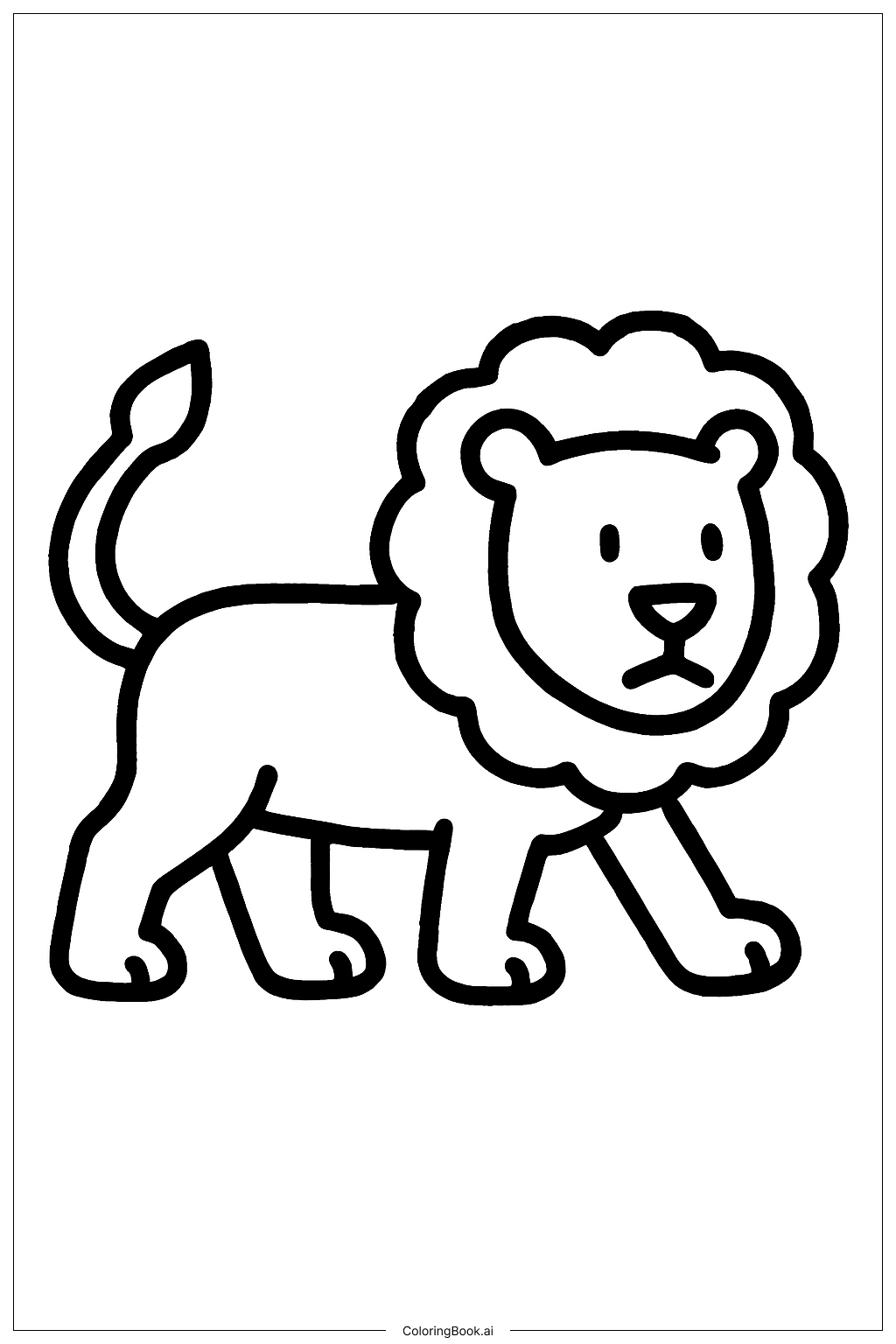
For coloring the lion, start with a golden yellow or light brown for its body to evoke the fur's natural colors. The mane can be darker, using shades of brown or orange for depth. Consider using pink for the nose and a soft white or pale cream for the belly. Adding green for grass or blue for the sky will create a nice background contrast. Children can also experiment by using glitter or colored pencils for a shiny effect on the mane. This encourages creativity and personal expression in their artwork.
Coloring challenges: Which parts are difficult to color and need attention for Lion Walking coloring page?
1. Mane Coloring: The lion's mane has many wavy edges. Choosing the right shades and blending them can be tricky for younger kids. They have to be careful not to color outside the lines.
2. Body Shading: To make the lion look three-dimensional, it helps to use different shades. This requires understanding how light and shadow work, which can be complex for some children.
3. Tail Movement: The lion's tail curls, which might confuse young artists about how to color it properly. They might need guidance on following the tail's shape.
4. Adding Background: While the lion is the main focus, some kids may struggle with what to include in the background. This can lead to feeling stuck or unsure.
5. Different Color Choices: Trying to choose unique colors or combinations can be overwhelming. Kids may feel pressured to make it look like a real lion or might worry about making mistakes.
Benefits of coloring books: Advantages of drawing Lion Walking coloring page
Coloring this lion can greatly benefit young artists. It enhances their fine motor skills as they learn to control their coloring tools. Choosing colors also boosts creativity and encourages self-expression. They can represent their feelings or ideas through the colors they select. Additionally, coloring can provide a calming effect, reducing stress or anxiety. It allows children to focus and be in the moment. Sharing their artwork with friends or family increases self-confidence, making them proud of their achievements. This activity promotes both cognitive and emotional development.