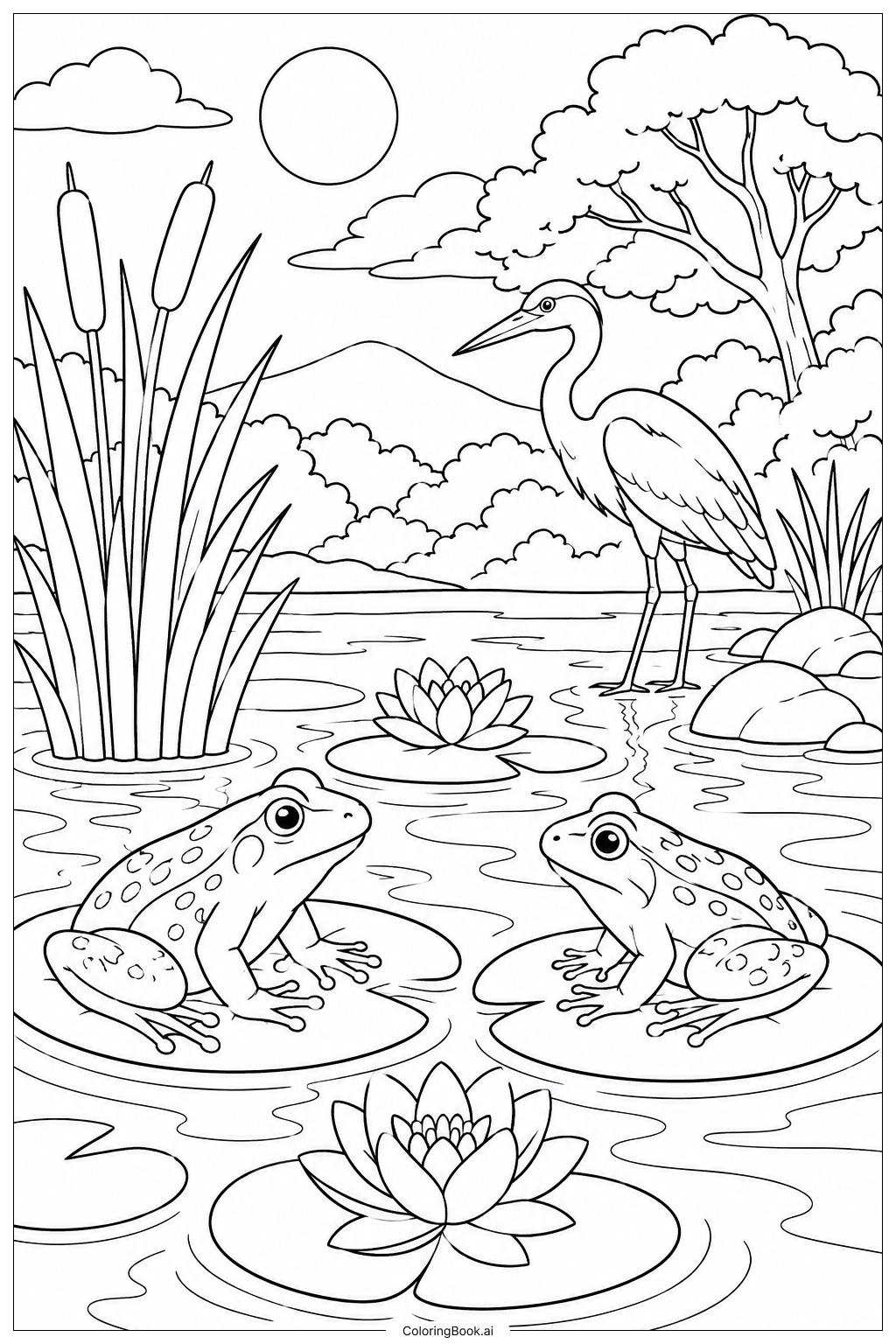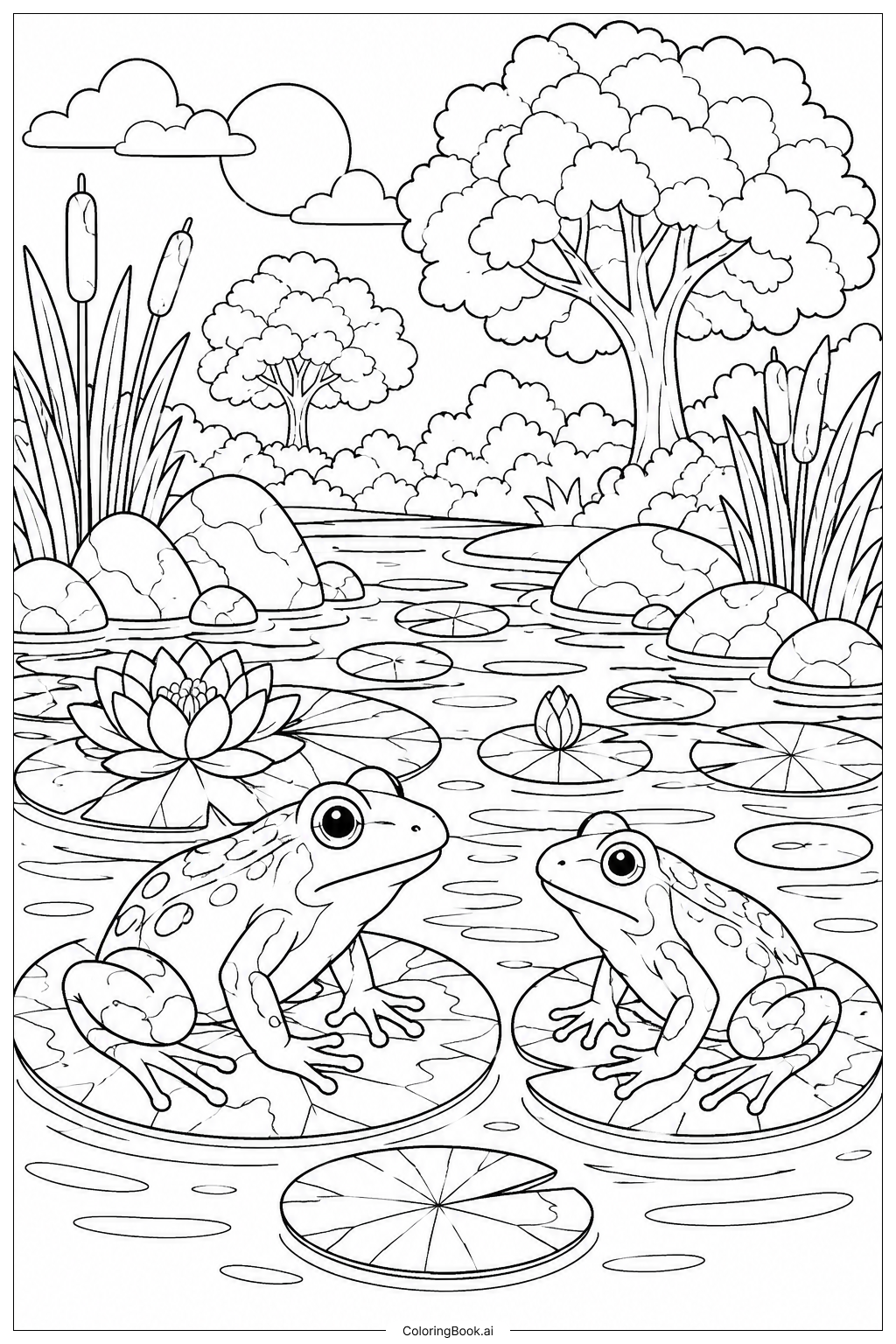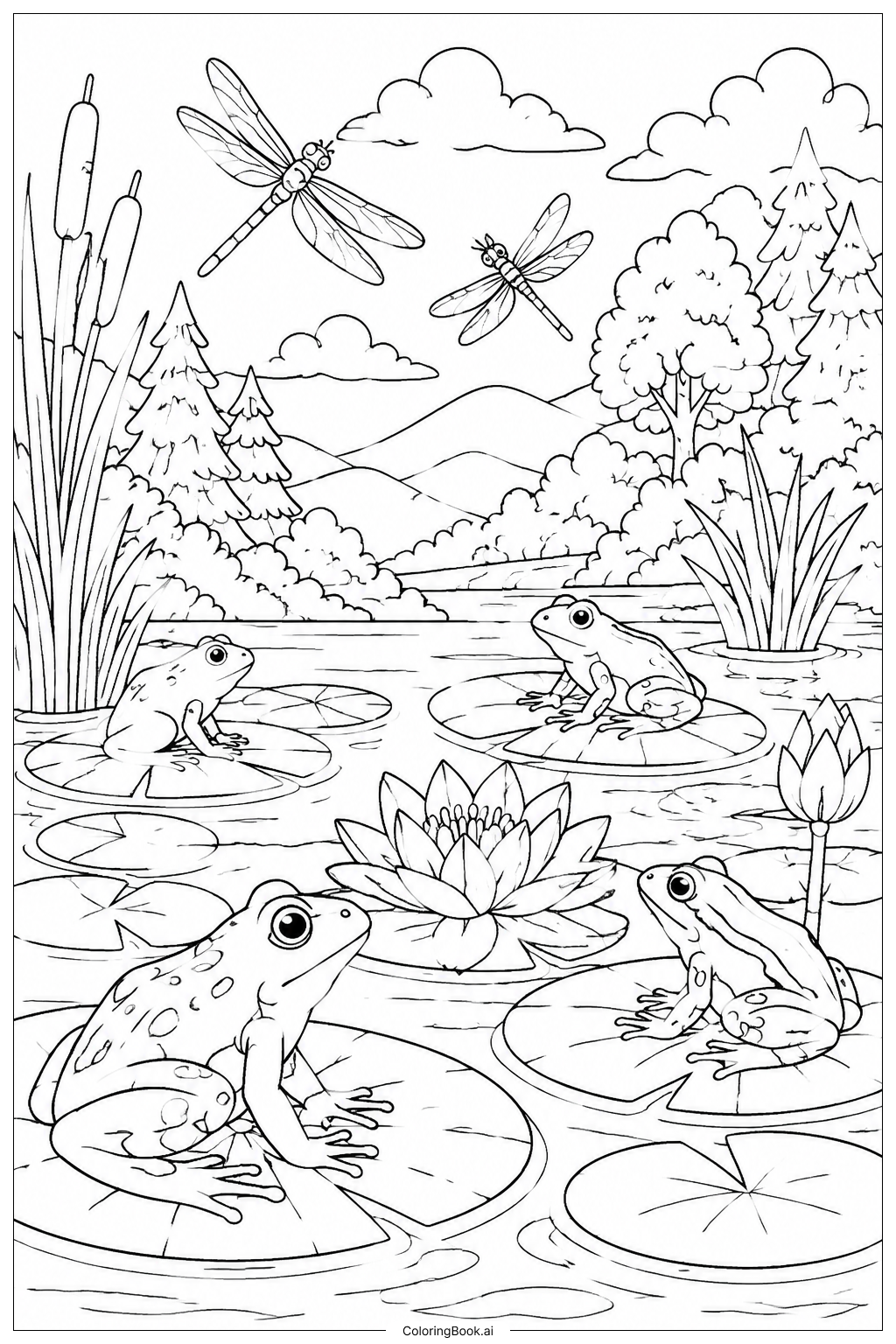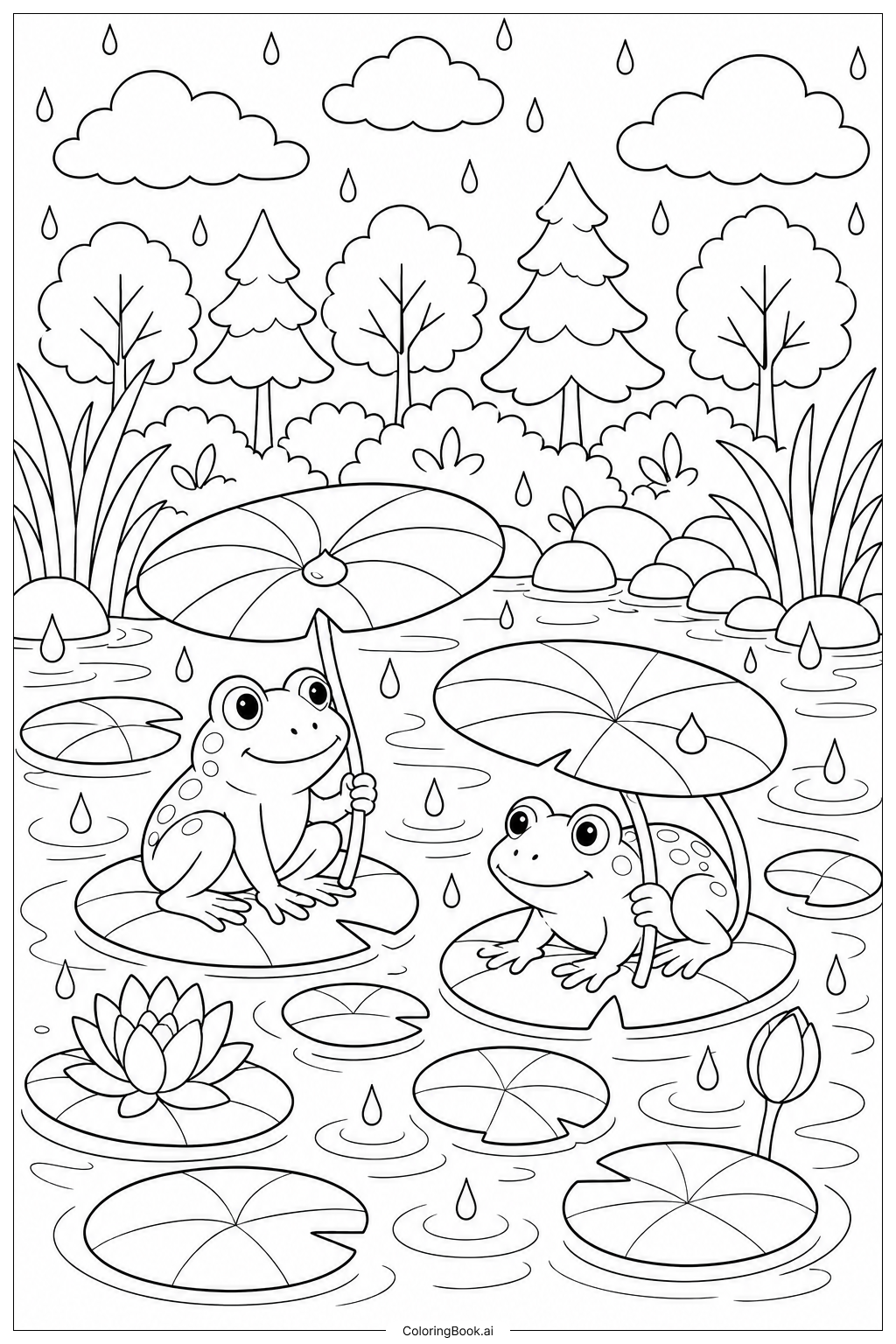
Coloring tips: How to color Lily Pad Dragonfly Resting coloring page well?
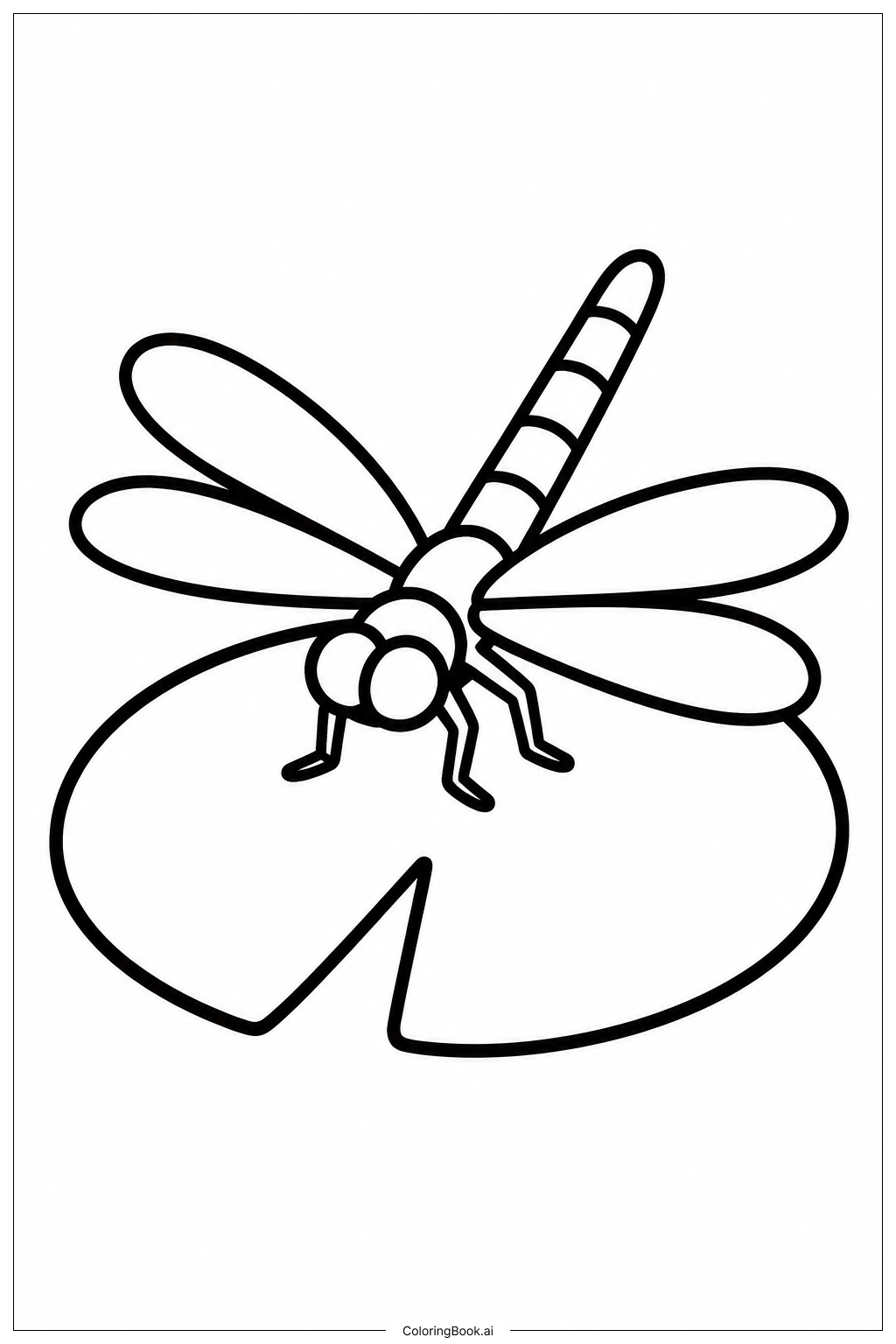
Consider using bright greens for the lily pad to capture its fresh, natural look. Try mixing lighter and darker shades of green to show the light and shadow areas. For the dragonfly, use vibrant colors such as iridescent blues, greens, or even touches of purple to highlight its wings and slender body. You can add subtle gradients on the wings to make them appear delicate and see-through. The water around the lily pad can be colored with soft blues or gentle grays to add calmness to the scene. Feel free to create a peaceful pond environment by adding hints of brown or yellow for stems and small details.
Coloring challenges: Which parts are difficult to color and need attention for Lily Pad Dragonfly Resting coloring page?
• Wing Details: The dragonfly’s wings have many thin lines and delicate shapes, making it tricky to color accurately without going outside the lines. It requires patience and a steady hand. • Shading the Lily Pad: The curved surface of the lily pad means you must use different green tones to show shadows and highlights correctly. This can be challenging for beginners to blend smoothly. • Small Surrounding Elements: The smaller leaves and ripples in the water are tiny and detailed, requiring careful coloring to avoid muddling the finer details. • Maintaining Contrast: Balancing the dragonfly’s bright colors with the softer tones of the lily pad and water can be difficult but important to keep the image visually appealing. • Texture Representation: Giving texture to the water, lily pad surface, and dragonfly body demands thoughtful color choices and technique to make the scene lifelike.
Benefits of coloring books: Advantages of drawing Lily Pad Dragonfly Resting coloring page
Coloring this image helps develop fine motor skills and hand-eye coordination because of the detailed wings and small shapes. It encourages children to learn about natural colors and patterns found in insects and plants, supporting observation skills. Choosing colors for different parts boosts creativity and decision-making. The calming scene promotes mindfulness and concentration, making coloring a relaxing activity. Completing this picture also provides a sense of accomplishment and pride, motivating children to explore more nature-themed art.