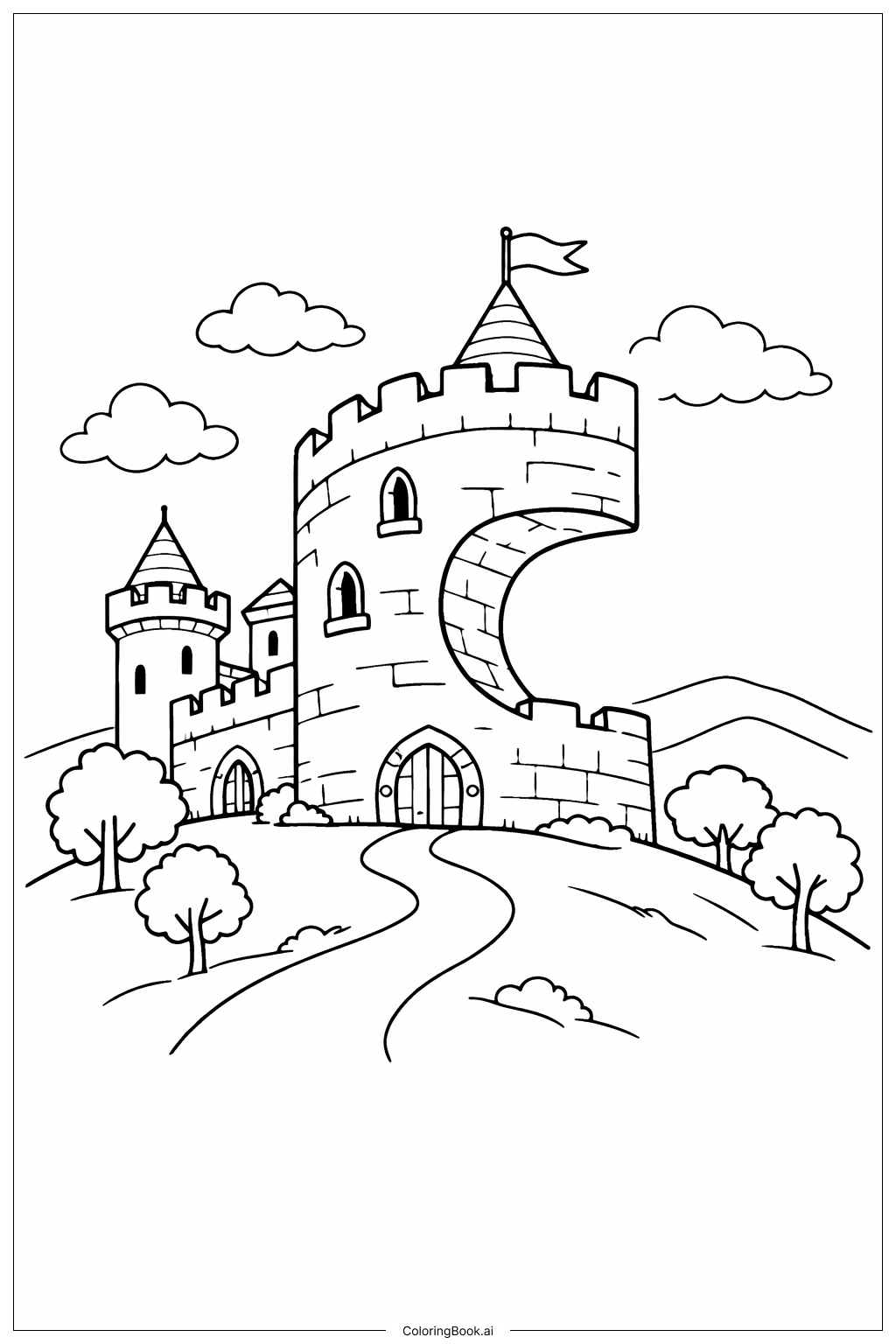
Coloring tips: How to color Letter C Castle on Hill coloring page well?
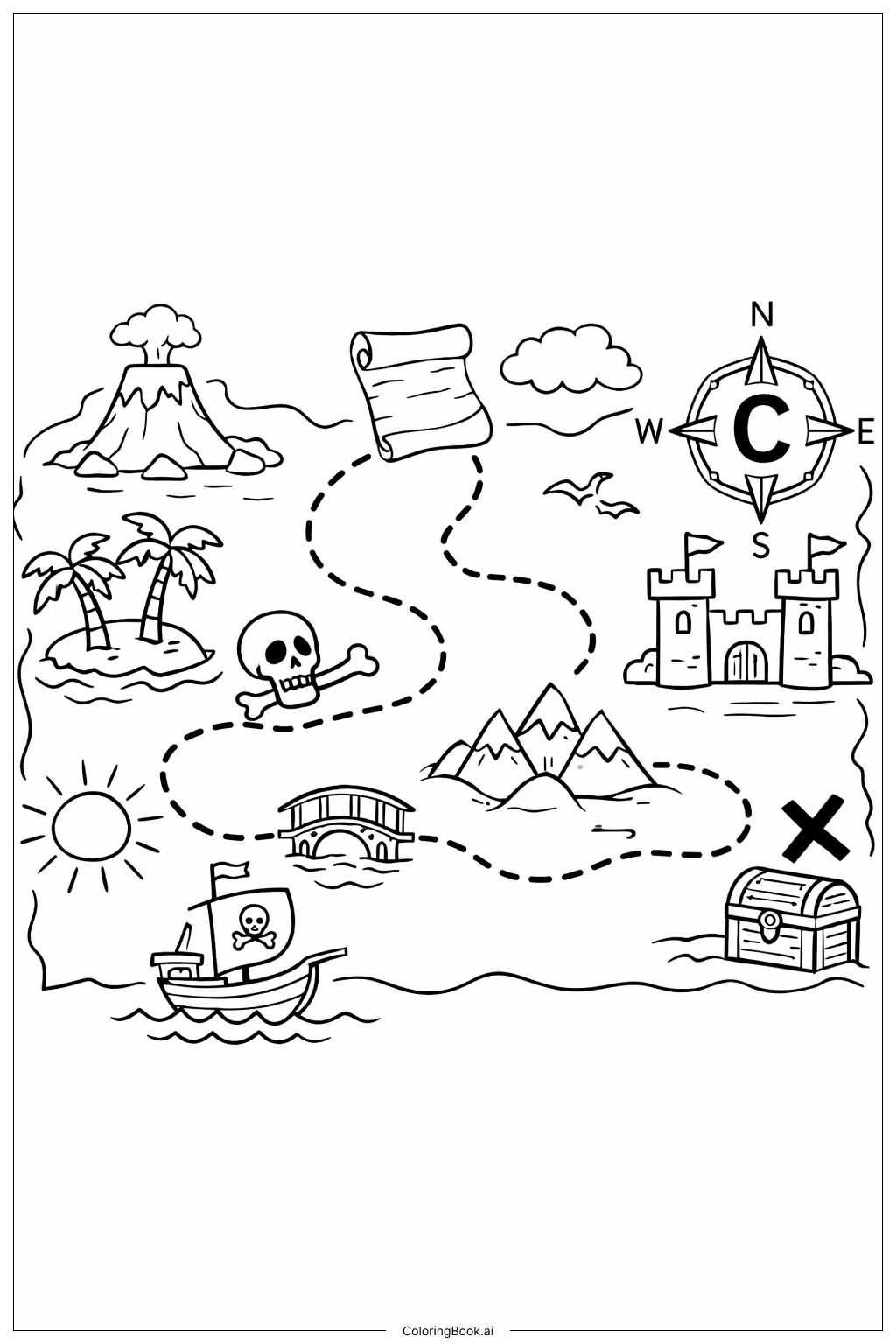
Try using warm colors like brown, beige, or light gray for the castle’s stone walls to create a natural, timeless look. The flags on the towers can be bright red, blue, or yellow to add cheerful contrast. For the hill, use different shades of green to show grassy areas and patches of brown or gray for rocks. The wooden door can be colored with rich brown hues to highlight its texture. Feel free to make the sky behind the castle a soft blue or a sunset orange for extra charm. Adding some colorful flowers or small animals nearby can make the picture more lively and fun.
Coloring challenges: Which parts are difficult to color and need attention for Letter C Castle on Hill coloring page?
• Castle Details: The castle has many small elements like windows, bricks, and flags, which require careful coloring to stay within the lines and keep the features distinct.
• Textured Surfaces: The stone walls and rocky hill feature textured patterns that may be tricky to color evenly while maintaining a natural look.
• Narrow Spaces: Some areas between towers and the winding path are narrow and may be hard to reach with coloring tools, requiring precision.
• Layering Colors: Achieving a realistic stone effect can be challenging because it may require layering different shades of gray, beige, or brown to show depth.
• Consistency: Keeping consistent coloring on repeated elements like bricks or windows without making them look flat or mismatched can be difficult for younger artists.
Benefits of coloring books: Advantages of drawing Letter C Castle on Hill coloring page
Coloring this Letter C Castle on Hill picture helps improve fine motor skills as children carefully color inside small, detailed spaces. It encourages creativity by allowing them to choose colors for different parts of the castle and surrounding nature. The image also stimulates imagination with its fairy tale theme, inspiring stories and role play. Practicing patience and focus is another benefit, as the complexity of the castle requires attention to detail. Additionally, this activity promotes color recognition and blending skills by experimenting with shades to achieve realistic textures.