Coloring tips: How to color Letter A Alphabet Block coloring page well?
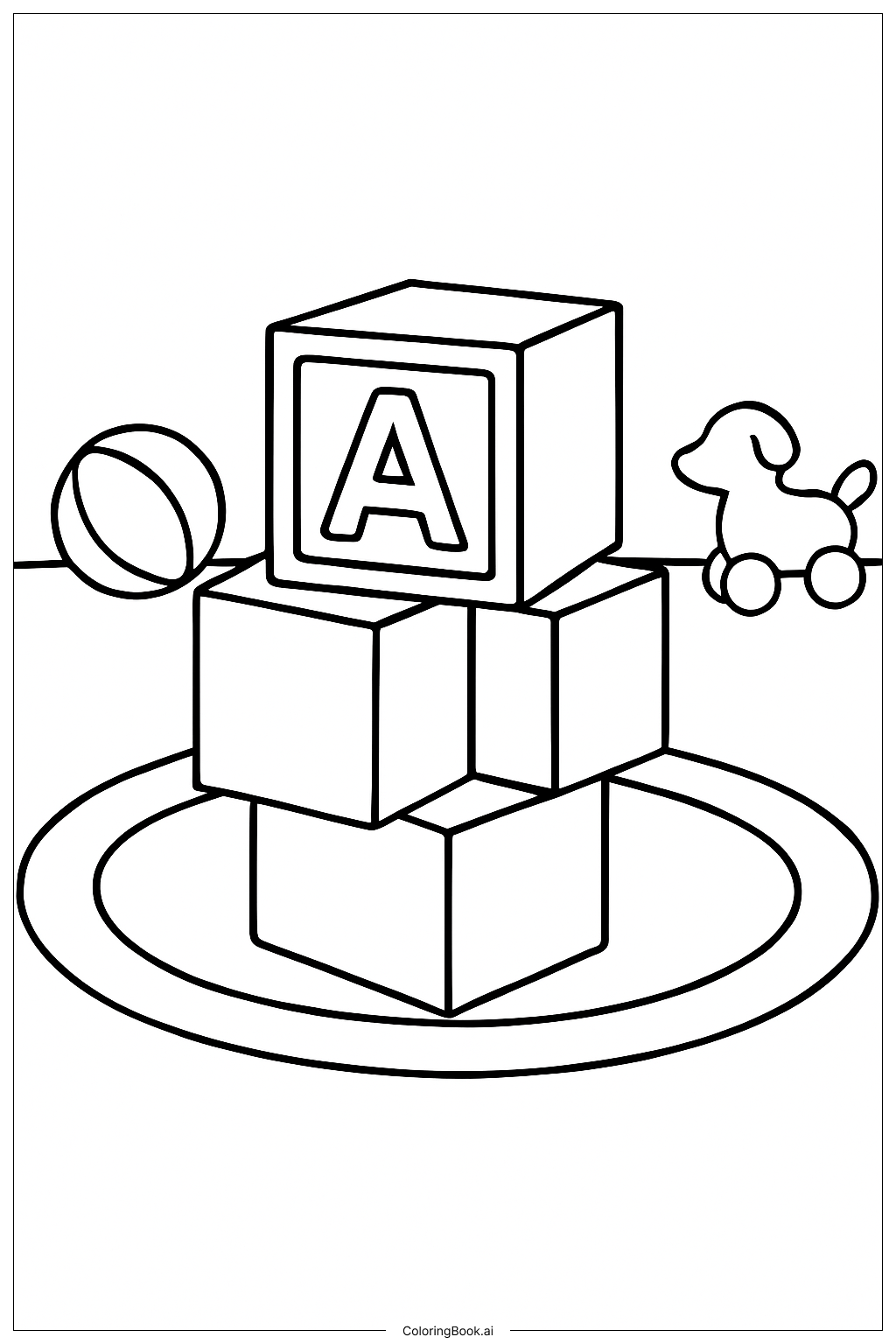
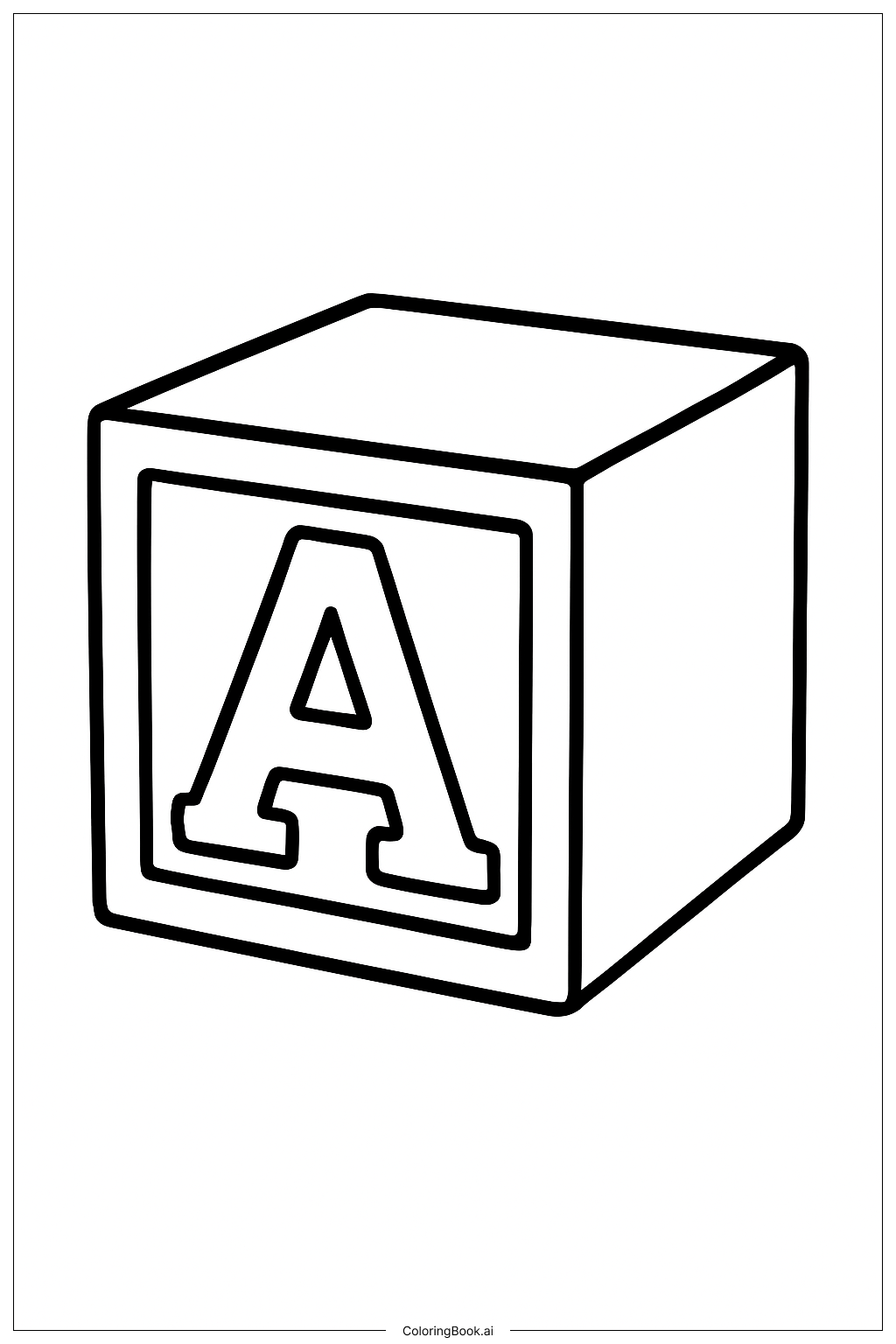
For coloring this Letter A Alphabet Block, you can use bright and cheerful colors to make it stand out. Consider using red or orange for the letter A itself to draw attention. The block faces can be colored in softer pastel tones like light blue, yellow, or green to create a nice contrast. You can also add patterns or shades within the block’s edges by using darker or lighter variations of the same colors. Don’t forget to color the small dots and lines to add extra fun details. Feel free to mix and match colors to make the block look lively and unique.
Coloring challenges: Which parts are difficult to color and need attention for Letter A Alphabet Block coloring page?
• Letter Shape Precision: The letter A is large and central, so coloring within its bold outlines requires steady hand control to keep the shape neat and clear.
• Small Decorative Elements: The tiny dots and lines near the letter and on the block’s surface might be challenging for younger children, needing patience and attention to detail.
• 3D Effect Shading: The three-dimensional aspects of the block have different faces, which require varying colors or shading to show depth properly, presenting a moderate challenge in blending colors.
• Rounded Edges: Maintaining even color coverage on the rounded edges of the block can be tricky without coloring outside the lines or leaving white spaces.
• Contrast Balance: Choosing colors that contrast well but still look harmonious might be difficult, especially when trying to keep the letter A prominent and the block background complementary.
Benefits of coloring books: Advantages of drawing Letter A Alphabet Block coloring page
Coloring this Letter A Alphabet Block helps children develop fine motor skills by practicing careful coloring inside defined shapes and small decorative parts. It also reinforces letter recognition, which builds early reading readiness. By working on the 3D block shading and contrasting colors, children can improve their understanding of spatial awareness and color theory. This activity encourages creativity as kids decide which colors to use and where to place highlights or shadows. Additionally, focusing on the details helps enhance concentration and patience in young artists.