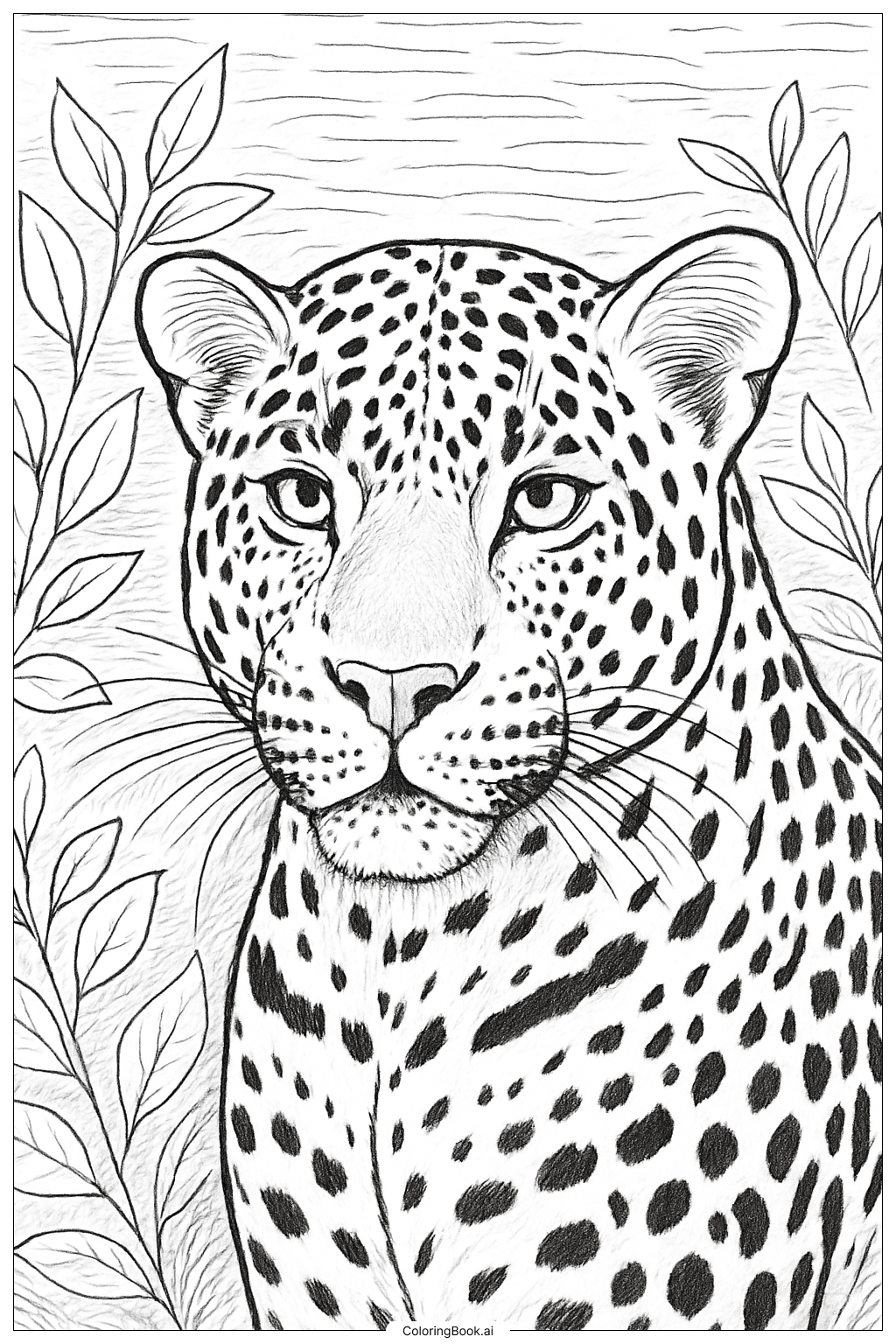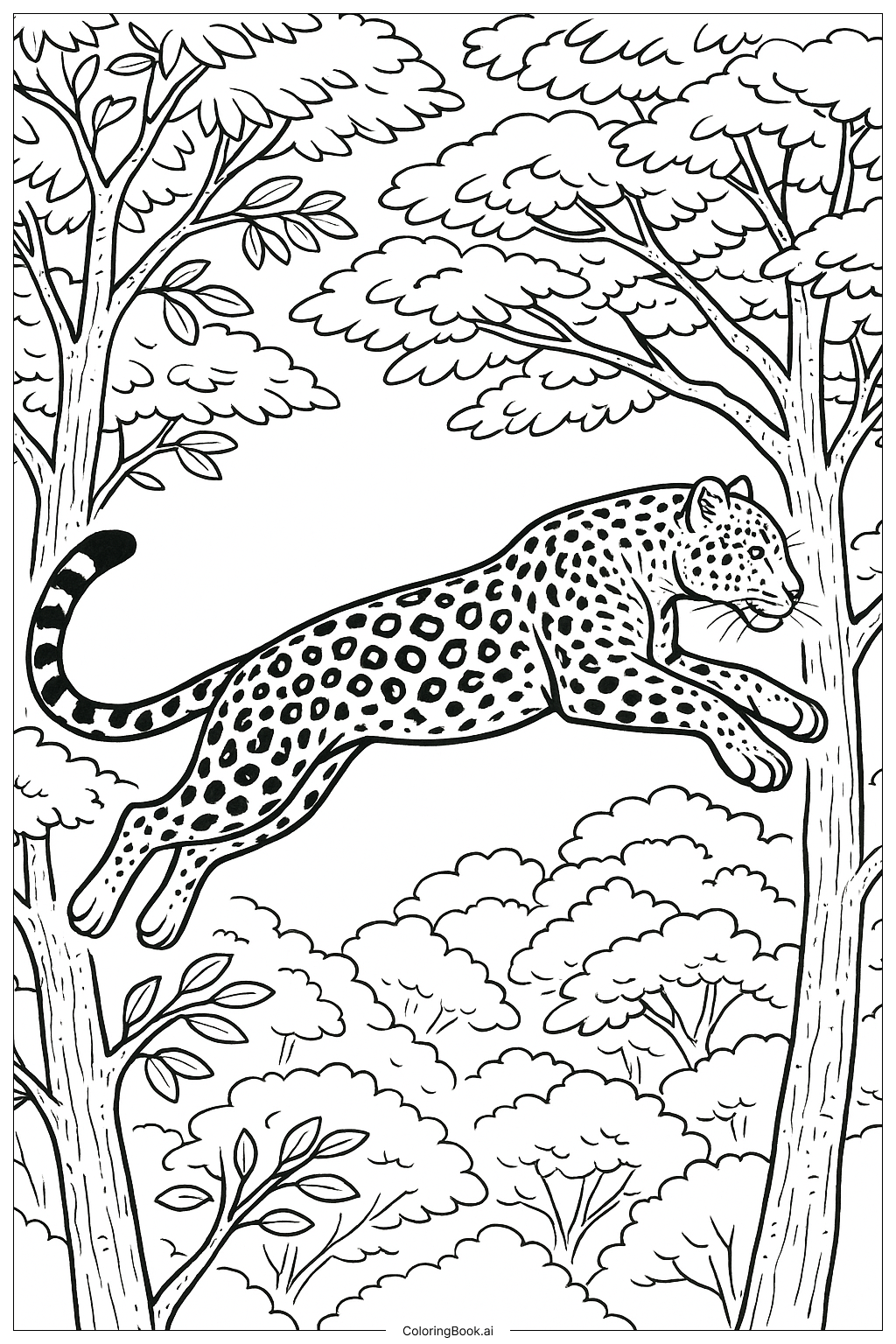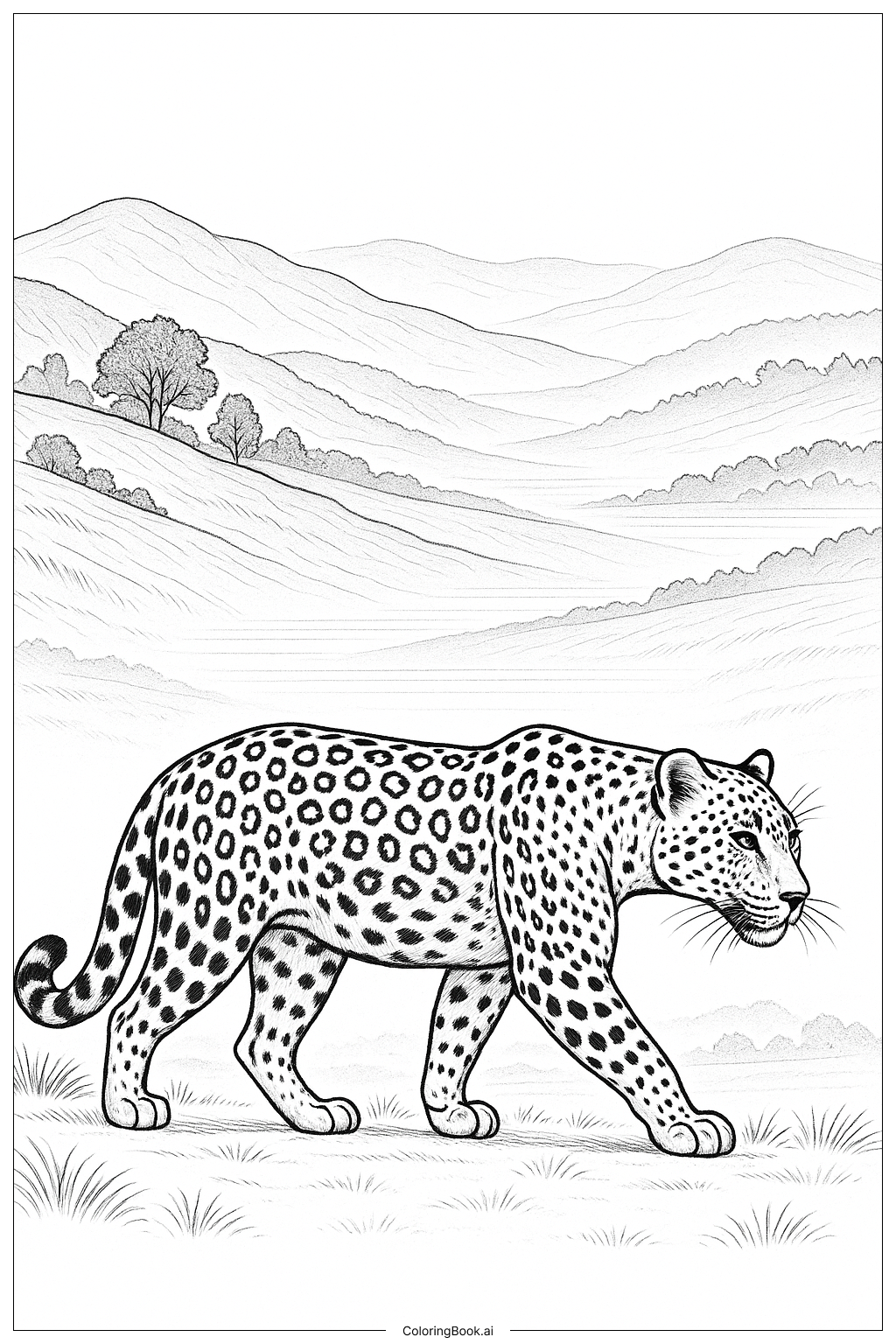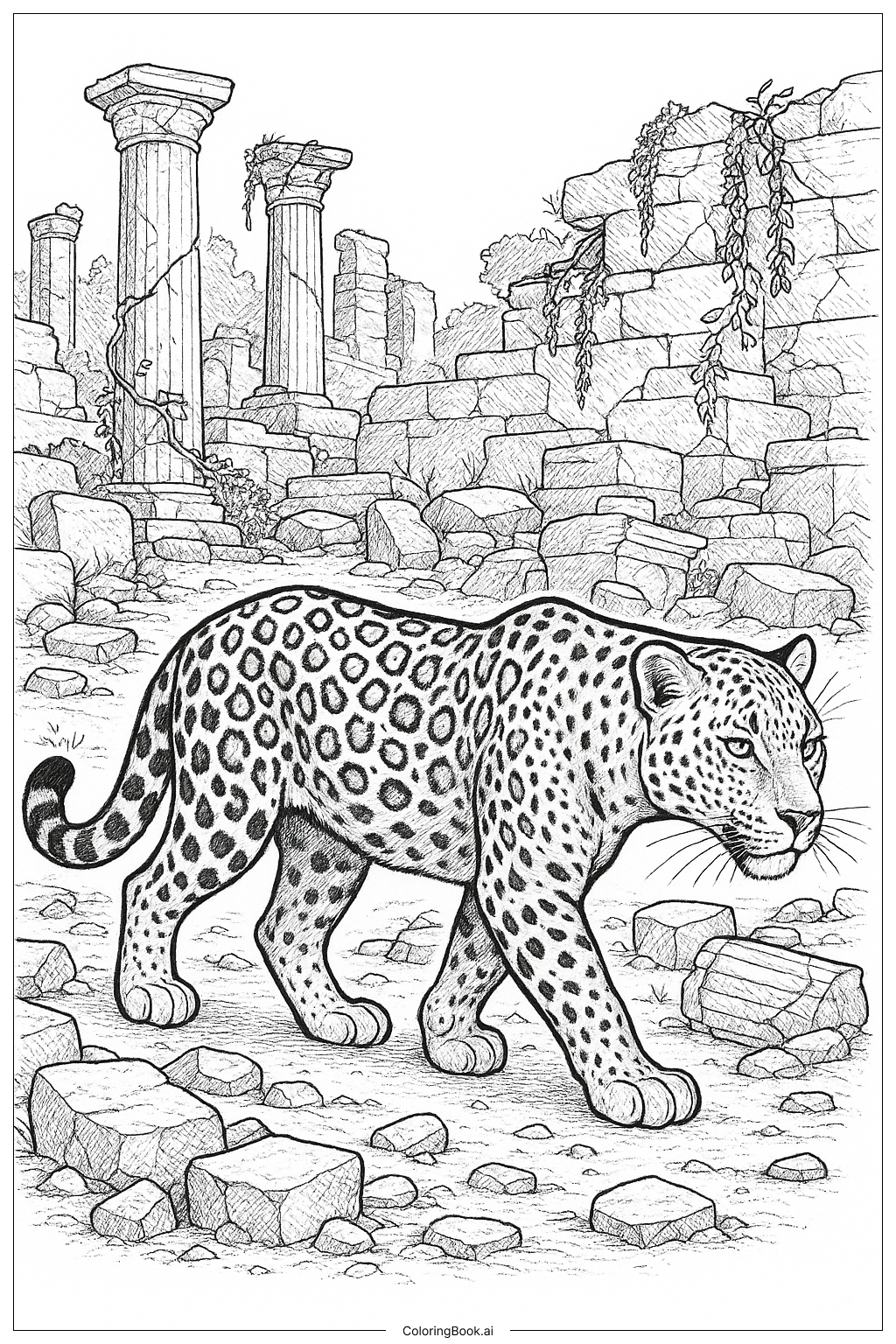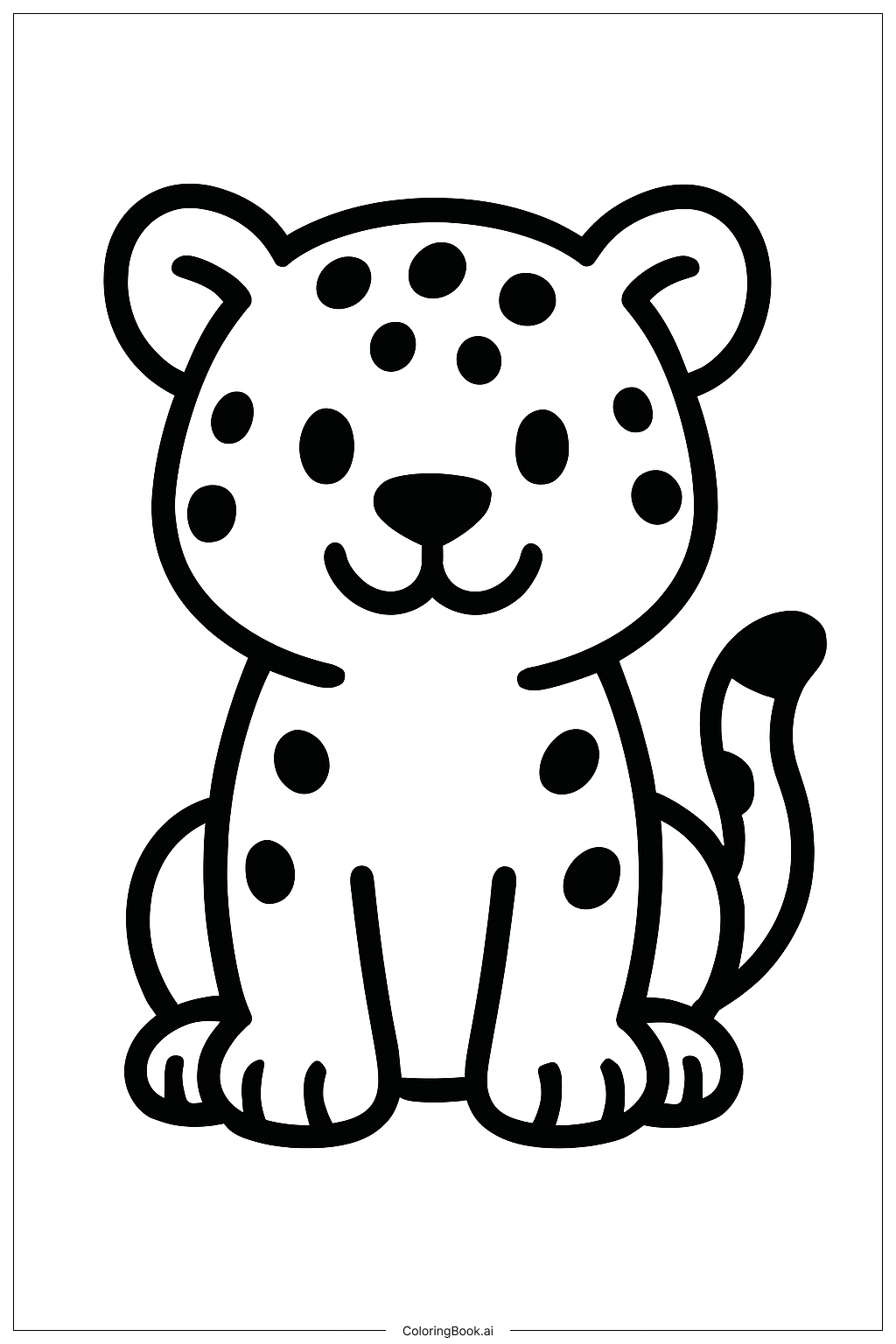
Coloring tips: How to color Smiling Leopard Cub coloring page well?
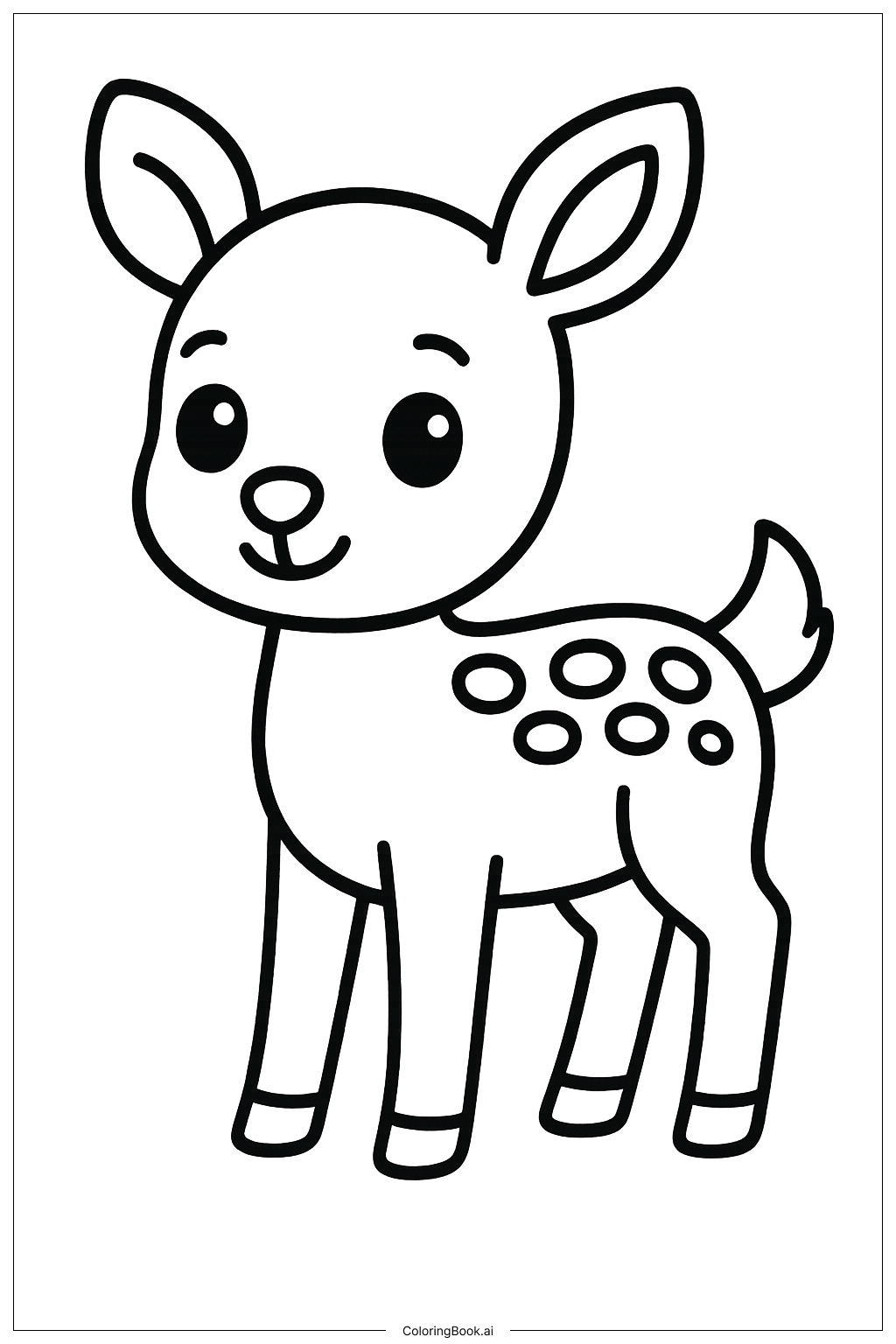
Use yellow or light orange for the cub's body. Color the spots dark brown or black to make them stand out. The nose can be black, and the inside of the ears can be light pink or peach. The tail can have a mix of yellow and brown. For the eyes, you can use black or dark brown. Try to color the paws with the same color as the body, but leave the claws white or light gray. You can add a green or blue background to make the cub pop out. Feel free to use softly blended colors to give a gentle look to the cub.
Coloring challenges: Which parts are difficult to color and need attention for Smiling Leopard Cub coloring page?
1. Small Spots: The many small spots may be hard to color inside the lines for younger children.
2. Curved Tail: The tail’s shape has tight curves and a mix of spots which need careful coloring.
3. Paws and Claws: Coloring the small claws separately from the paws can require precision.
4. Symmetry: Keeping the colors balanced on both sides of the cub for a neat look could be tricky.
5. Fine Details: The nose and mouth lines are small and need gentle coloring without going over lines.
Benefits of coloring books: Advantages of drawing Smiling Leopard Cub coloring page
Coloring this happy leopard cub helps improve fine motor skills by practicing careful coloring within small areas. It encourages creativity in choosing colors and patterns for the spots. The friendly expression of the cub makes coloring a fun and positive activity, boosting mood and concentration. It also teaches children about animals and nature, connecting them with wildlife through art. Overall, this image supports artistic growth and joyful learning.