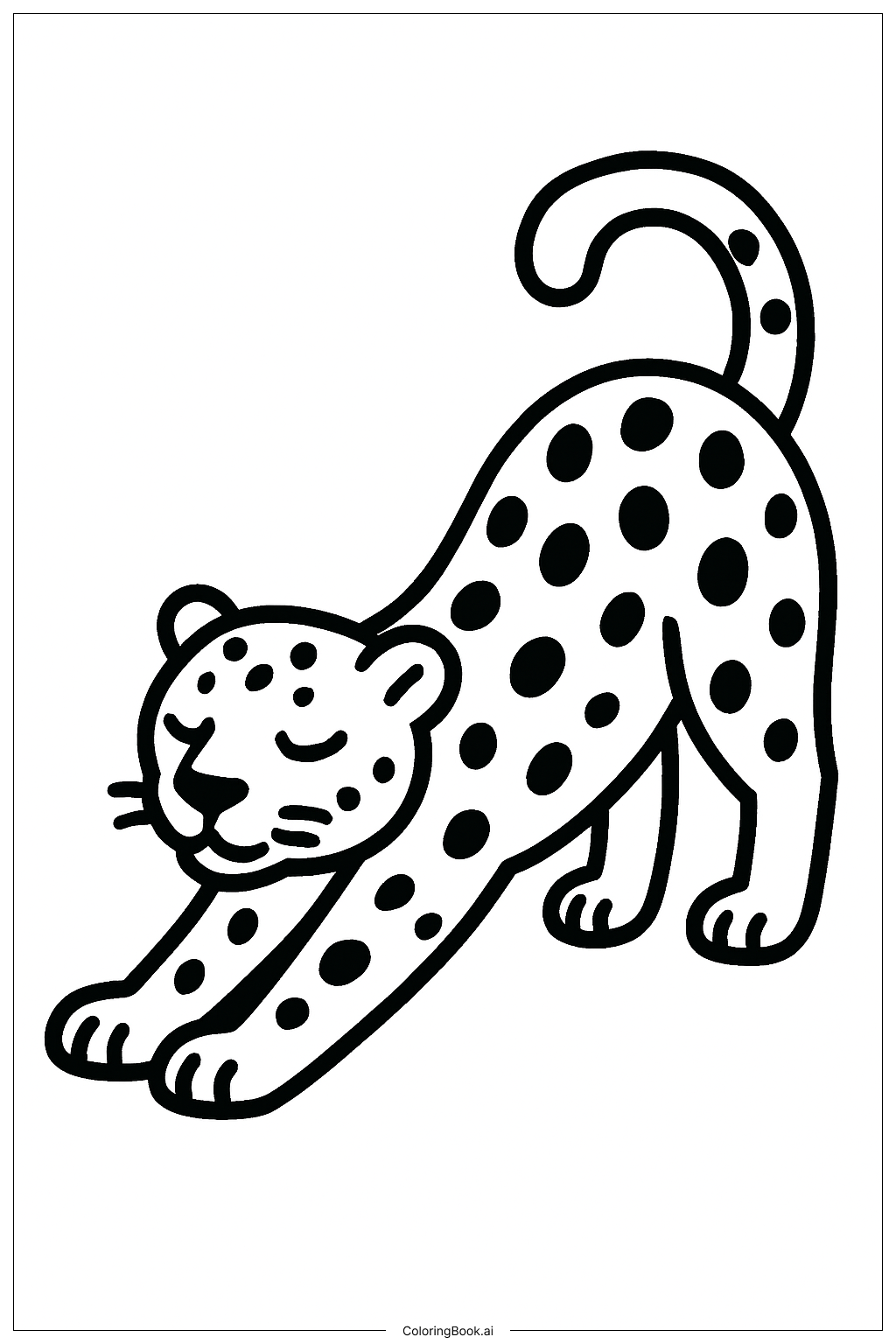
Coloring tips: How to color Leopard Stretching Pose coloring page well?
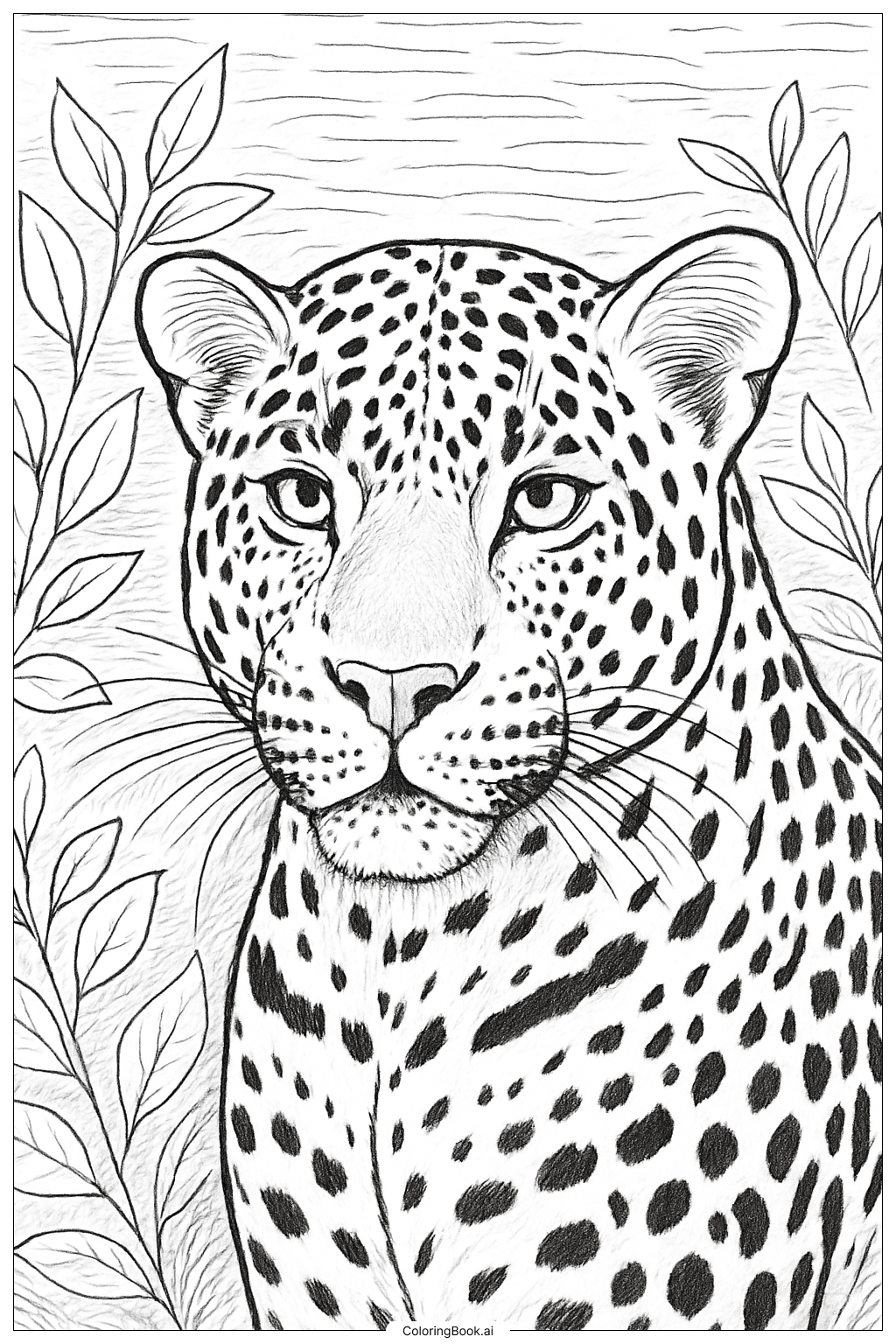
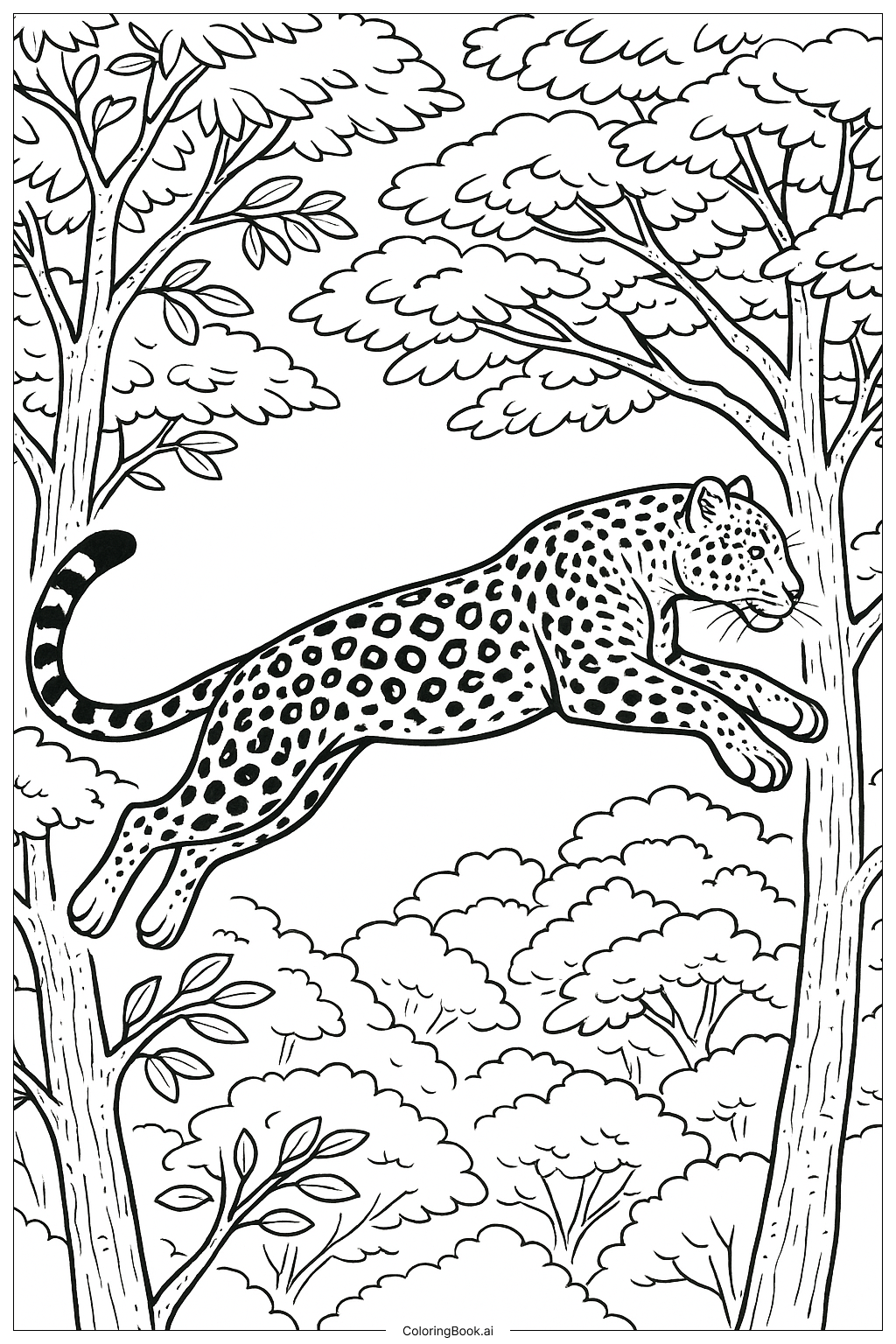
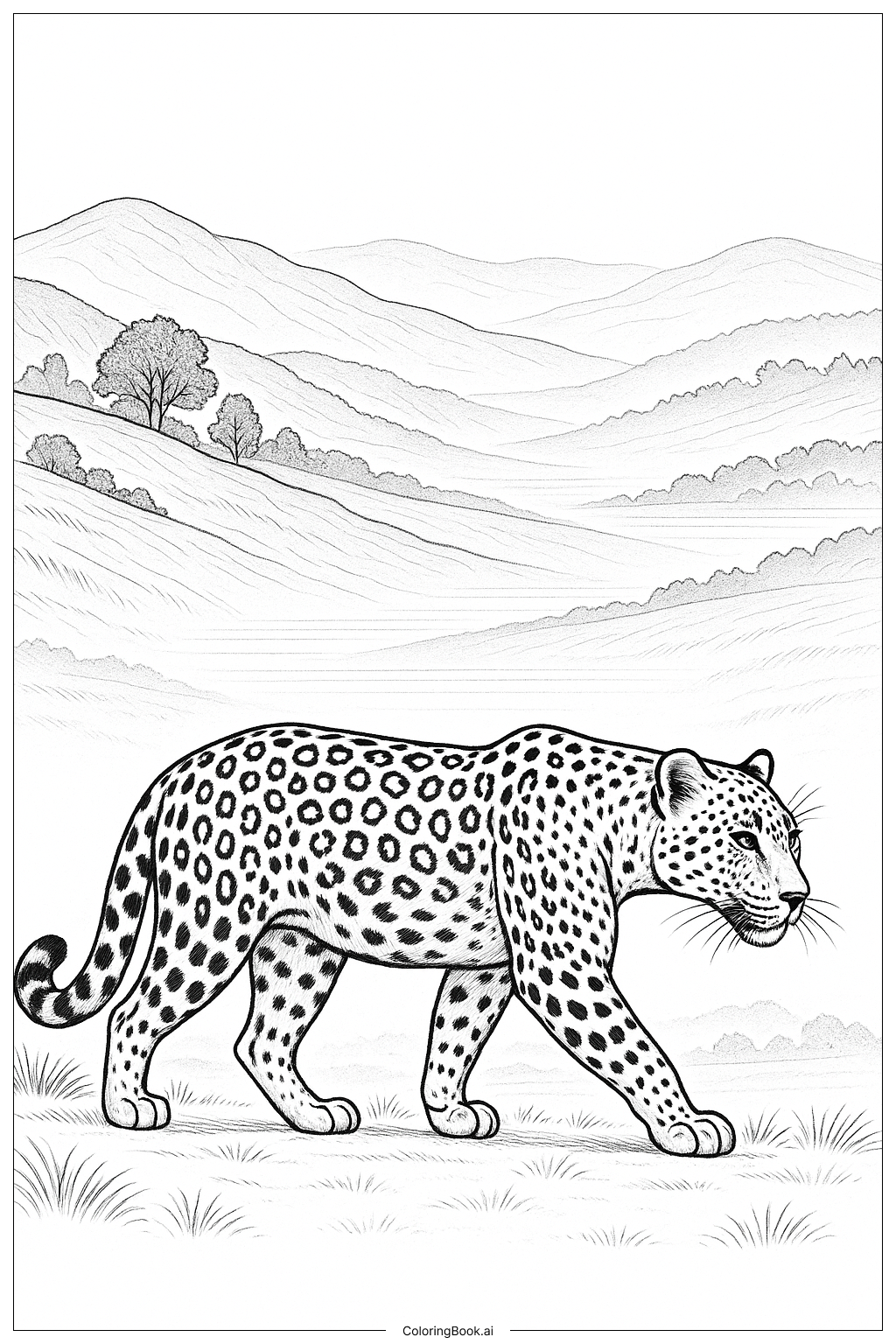
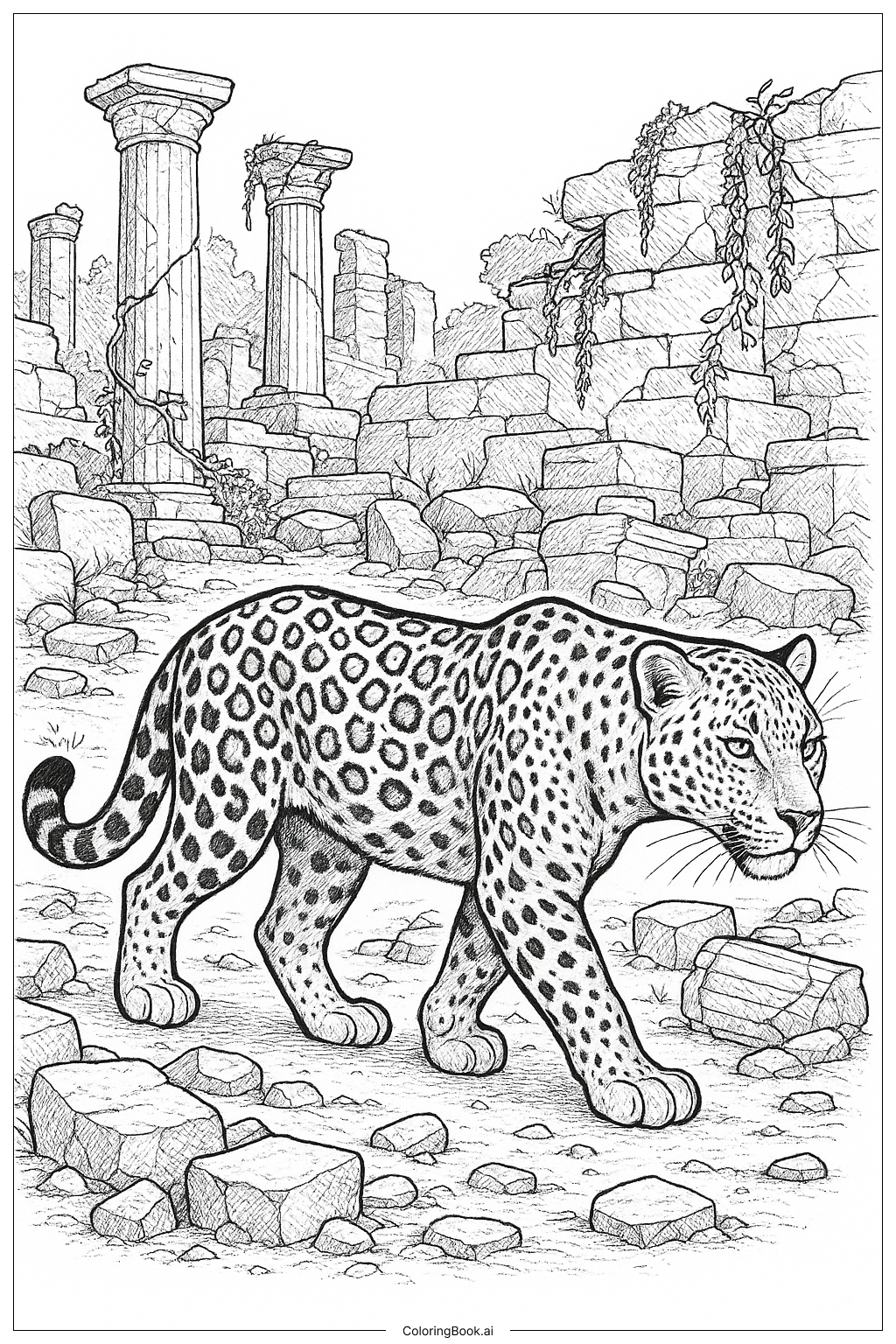
Try using yellow and gold shades for the leopard's body. Use dark brown or black for the spots to make them stand out. You can color the nose and the inside of the ears pink or light brown. The eyes can be left white or colored light green or blue. For the curved tail, you may use the same body color with spots to keep it natural. Use a light green or blue background to show a jungle or forest scene. Don’t worry about coloring outside the lines; have fun blending colors to show light and shadow on the leopard’s body.
Coloring challenges: Which parts are difficult to color and need attention for Leopard Stretching Pose coloring page?
1. Coloring the many spots can be tricky because they are different sizes and are spread all over the body. Care is needed to color inside each spot neatly. 2. The shape of the leopard is curved and stretched, which may make coloring the body evenly a little hard, especially the legs and tail. 3. Coloring the face with its small details like the nose, whiskers, and ears needs careful attention. 4. Blending colors to show the leopard’s natural shading can be challenging for younger children. 5. Staying inside the lines on the thin parts like the tail and paws requires patience and control.
Benefits of coloring books: Advantages of drawing Leopard Stretching Pose coloring page
Coloring this stretching leopard is a great way for children to build focus and hand-eye coordination. It encourages creativity by choosing colors and patterns. The many spots help improve fine motor skills because kids need to color small areas neatly. This activity also teaches children about animal anatomy and movement in a fun way. Coloring animals can boost a child’s interest in nature and wildlife.