Coloring tips: How to color Tumble Leaf Falling Down coloring page well?
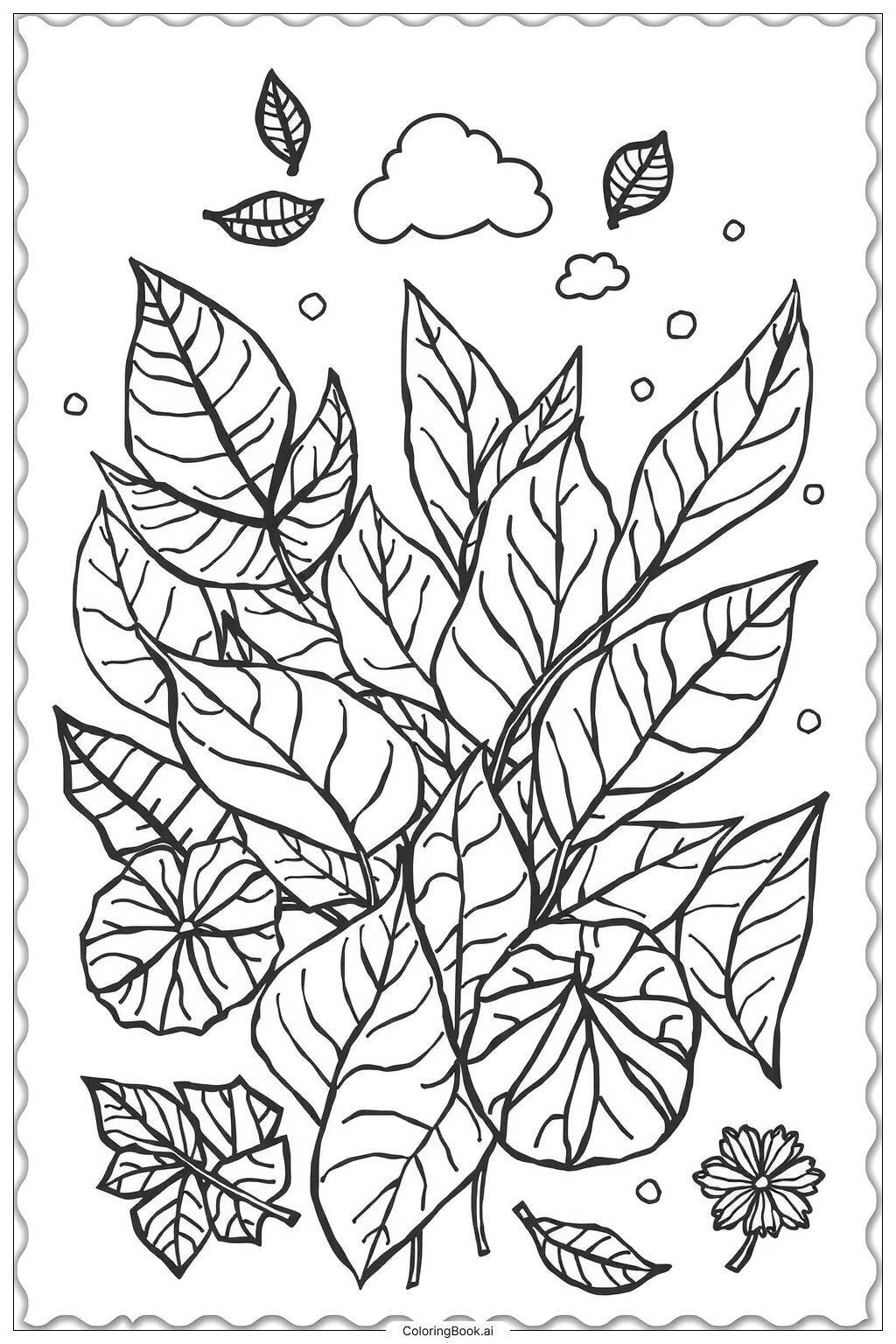
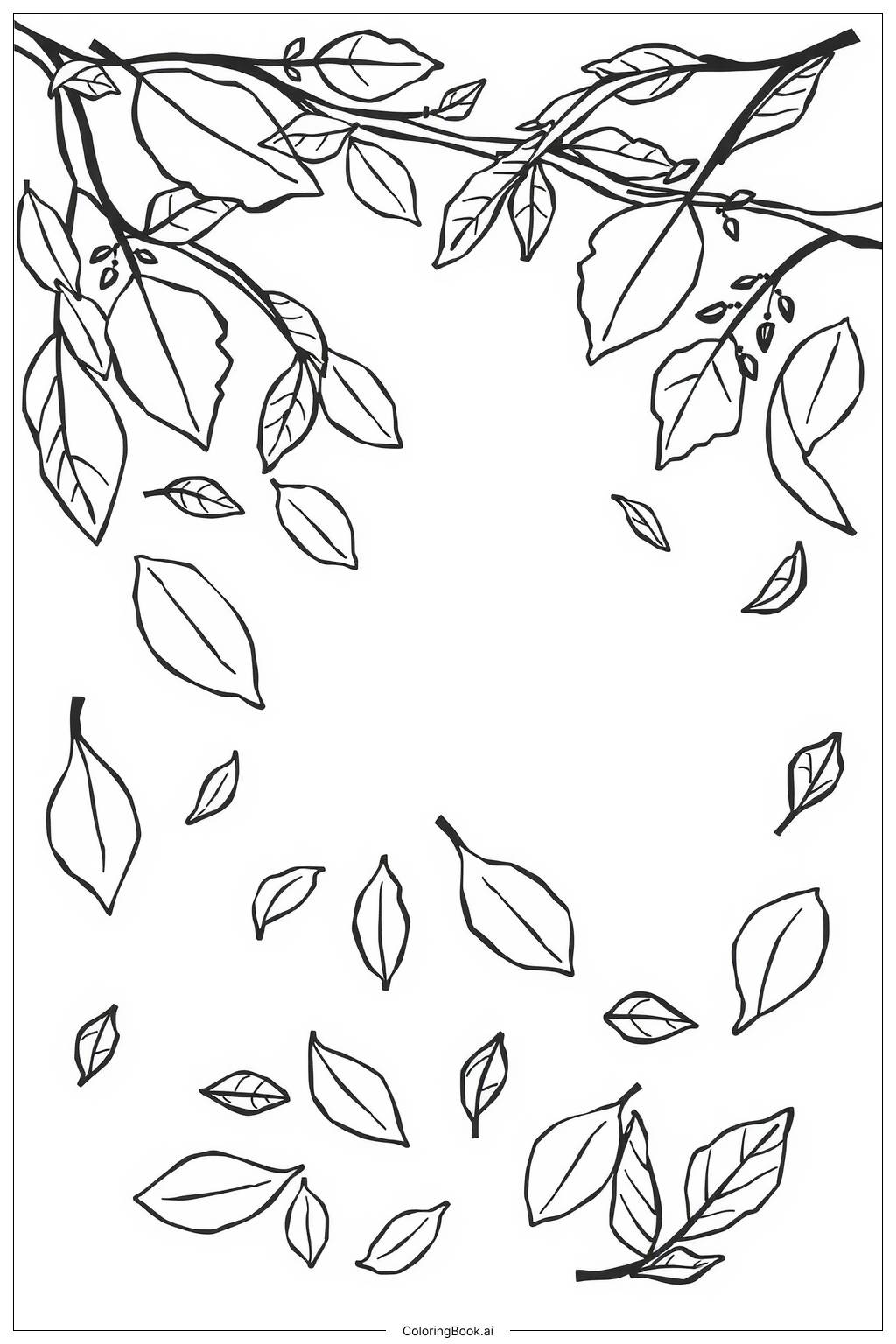
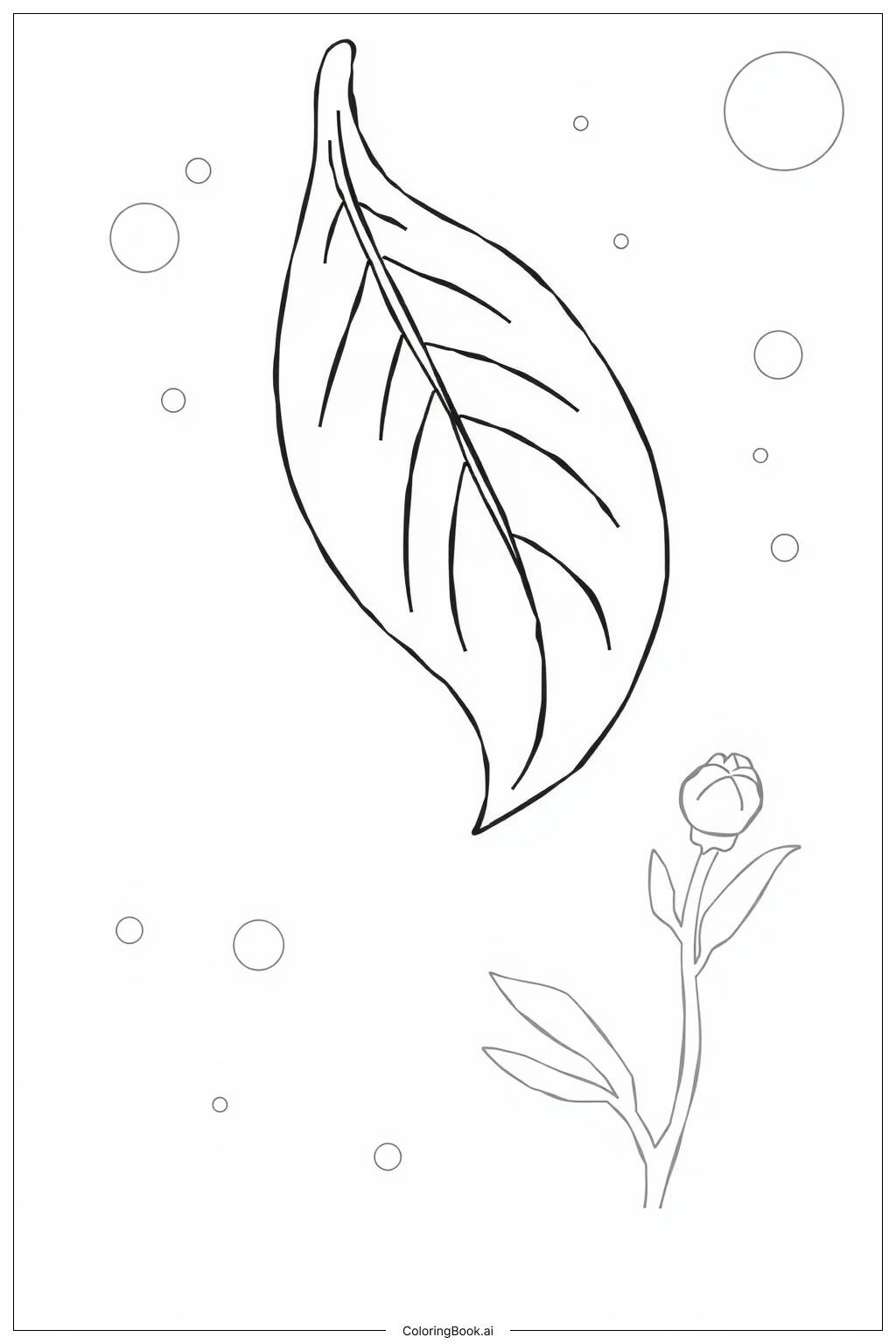
To color this image, try using warm autumn colors like red, orange, yellow, and brown for the leaf. You can blend different shades to show how light hits the leaf’s veins and edges. Using darker browns or greens around the edges creates a natural look. For the dotted motion lines, consider light blue or soft gray to suggest movement without overpowering the leaf. You might add a soft background of light sky blue or pale green to represent the air the leaf is falling through. Don’t be afraid to experiment with layering colors to capture the fall season’s rich palette. This will make your coloring look vibrant and full of life.
Coloring challenges: Which parts are difficult to color and need attention for Tumble Leaf Falling Down coloring page?
• Leaf Vein Details: The intricate pattern of veins on the leaf requires careful coloring. It can be challenging to stay inside the thin lines while blending colors smoothly.
• Curved Shape Shading: Coloring the gently curved form of the leaf to show its three-dimensional shape takes attention to light and shadow areas.
• Motion Lines: The small twisting motion lines around the leaf are delicate and fine. Coloring them softly could be difficult without smudging or overpowering the main image.
• Color Transitions: Blending warm fall hues naturally from one shade to another demands patience and skill to avoid harsh lines or patches.
• Small Spaces: The small gaps between veins and edges may be tricky to color neatly, especially for younger children who are still developing fine motor skills.
Benefits of coloring books: Advantages of drawing Tumble Leaf Falling Down coloring page
Coloring this image helps children focus on details like the leaf veins and motion lines, which improve their hand-eye coordination and fine motor skills. It also encourages creativity through choosing colors and experimenting with blending warm autumn shades. Engaging with natural themes such as falling leaves can boost observation skills and appreciation for the environment. Additionally, coloring a calm, flowing image like this promotes relaxation and mindfulness, giving children a peaceful activity to enjoy. The act of carefully coloring the gentle curves and details also builds patience and concentration in young artists.