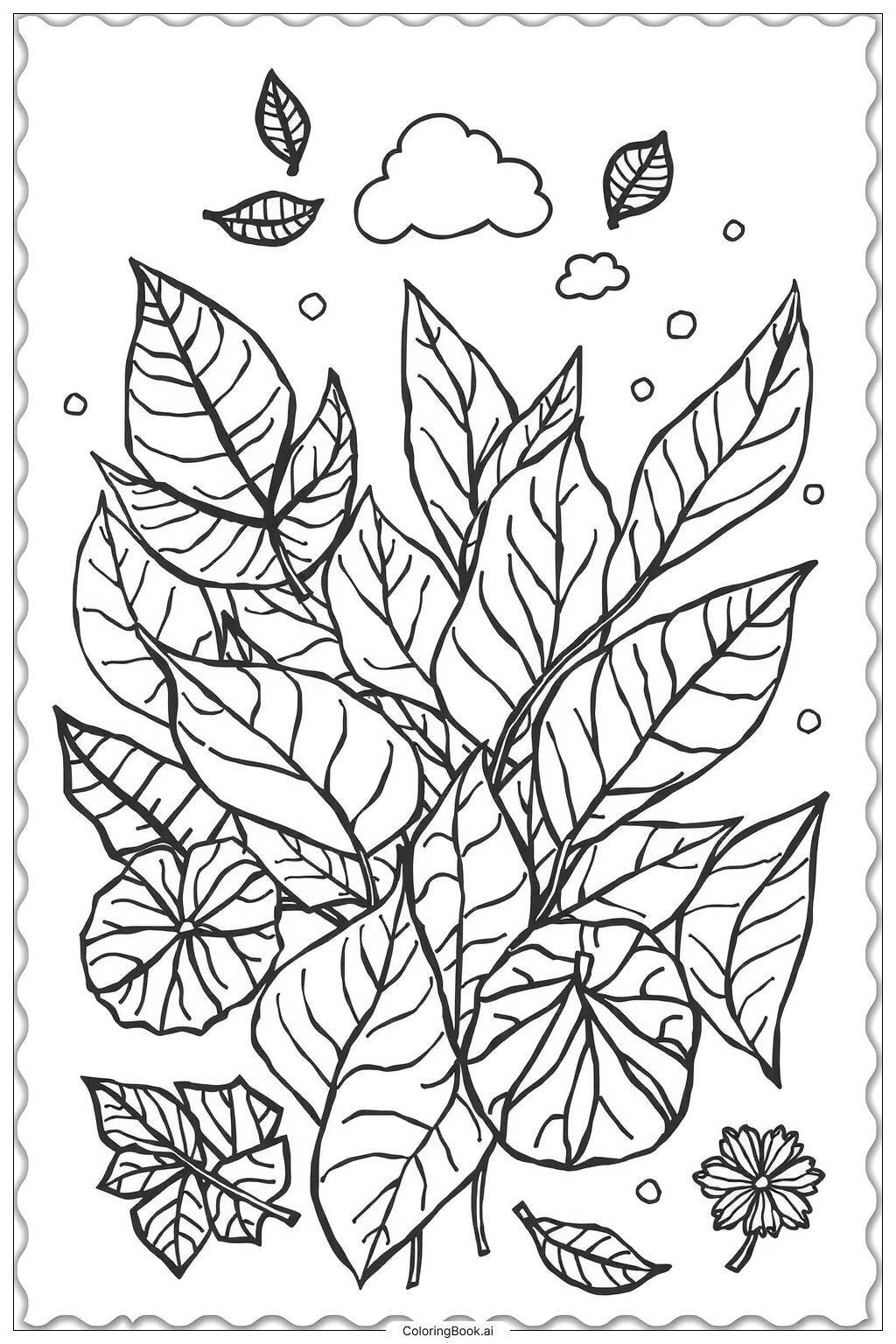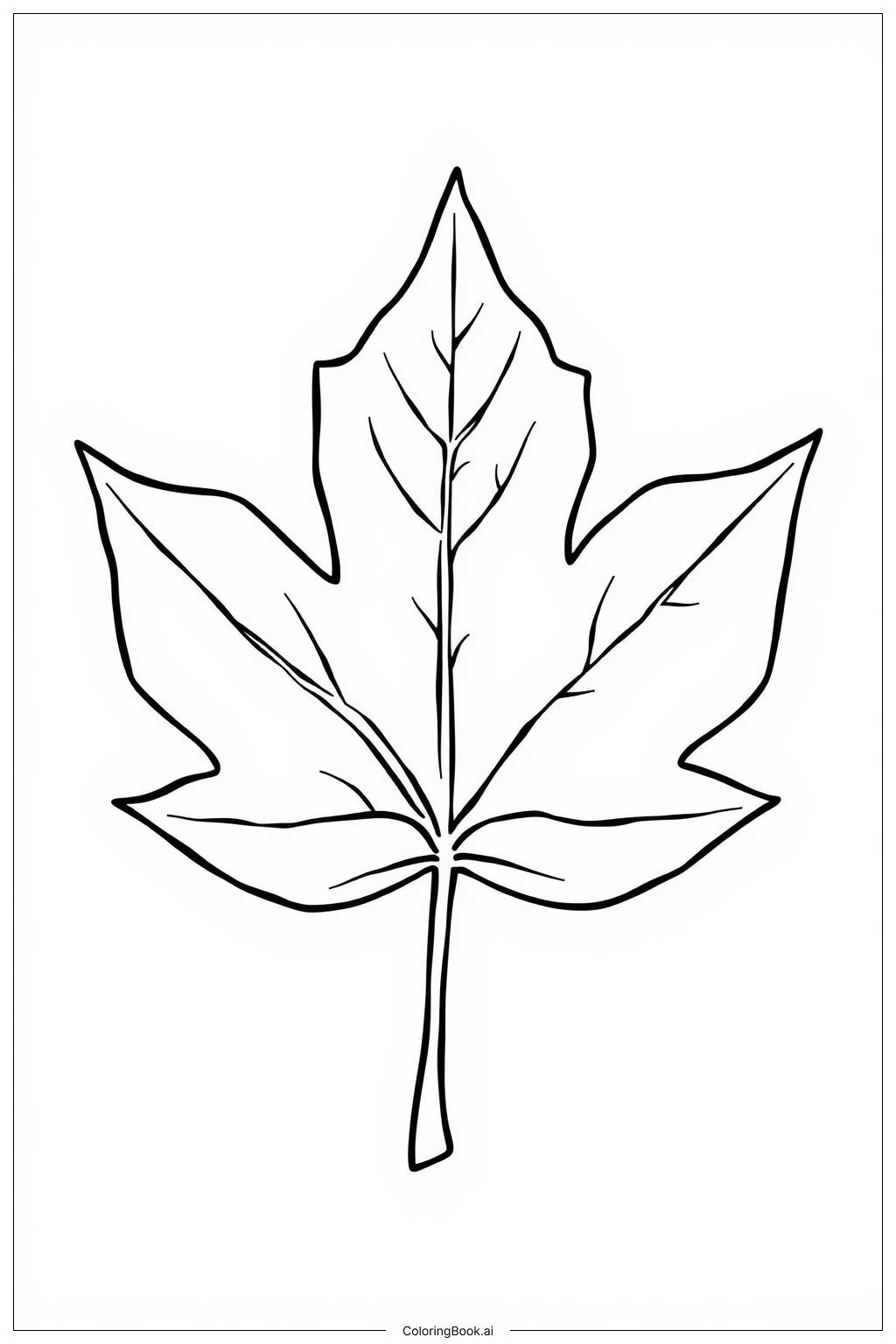
Coloring tips: How to color Simple Maple Leaf coloring page well?
You can color the Simple Maple Leaf in warm tones like bright reds, oranges, and yellows to capture the feeling of autumn. Try using different shades of these colors to give the leaf a natural, varied look. If you like, add some green near the stem to show a leaf that’s partly changing color. You can also use brown or dark yellow for the veins to make them stand out. For a creative twist, you might use unusual colors like blues or purples. Try coloring softly inside the edges or carefully filling the leaf completely, whichever you prefer.
Coloring challenges: Which parts are difficult to color and need attention for Simple Maple Leaf coloring page?
• Vein Details: The multiple veins coming from the stem need careful coloring to avoid spilling over the lines and to maintain the leaf's texture.
• Pointed Edges: The sharp points on the leaf lobes require precise coloring for clean, neat edges.
• Color Blending: Using gradient or blended colors can be tricky but important for adding realism.
• Staying Inside Lines: The clear but narrow spaces between lobes need controlled coloring to avoid overlaps.
• Uniform Coverage: Filling larger areas evenly, especially without leaving white spots, can be challenging for beginners.
Benefits of coloring books: Advantages of drawing Simple Maple Leaf coloring page
Coloring the Simple Maple Leaf helps improve fine motor skills, especially in controlling pencil or crayon movement around points and veins. It encourages attention to detail because of the leaf’s distinct veins and edges. This activity also sparks creativity by letting you experiment with natural and imaginative colors. It’s a great way to learn about nature and the changing seasons while having fun. Additionally, completing the image can boost confidence and provide a relaxing moment of focus and mindfulness.