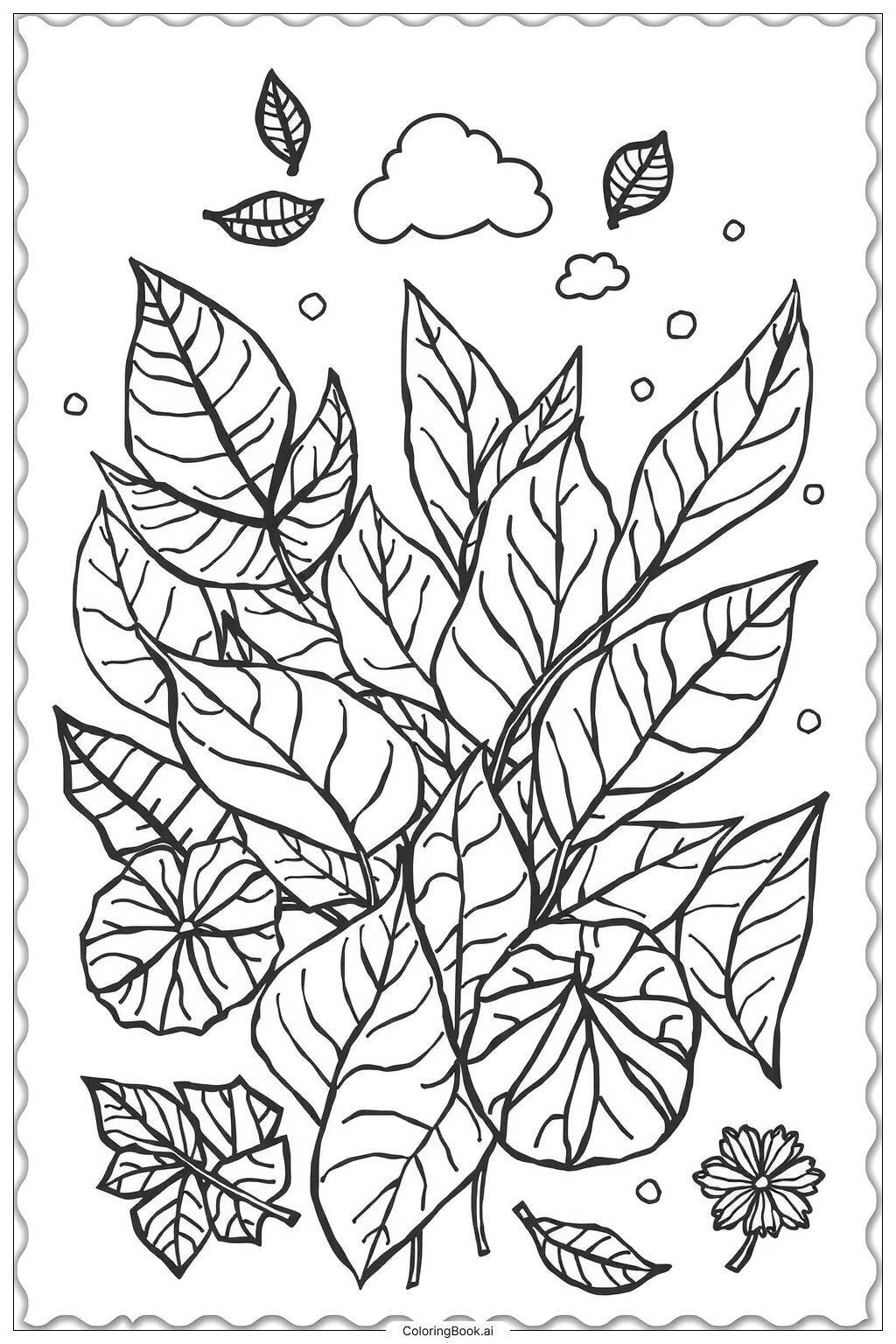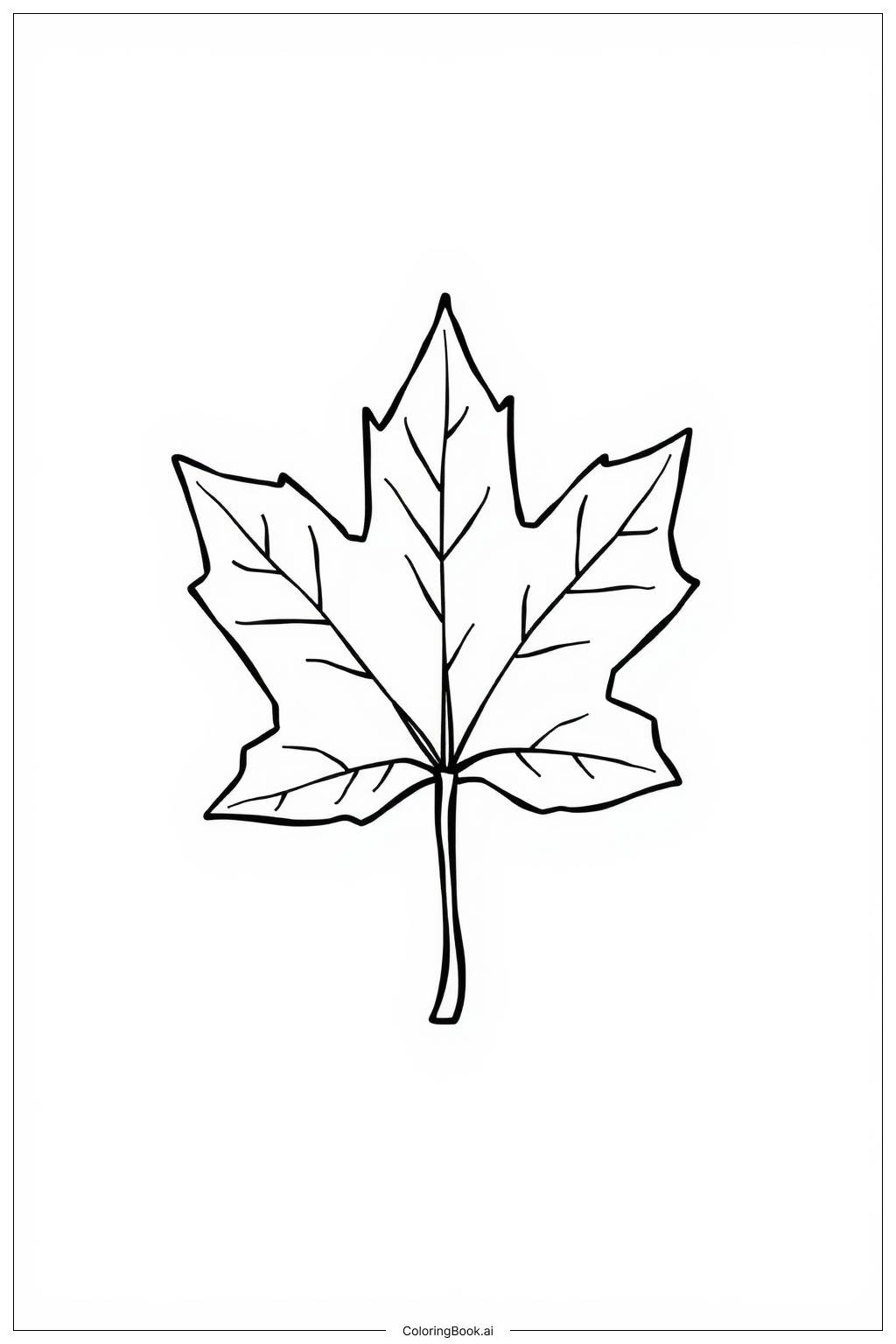
Coloring tips: How to color Maple Leaf with Textured Surface coloring page well?
Try using different shades of reds, oranges, yellows, and browns to capture the warm colors of a real autumn maple leaf. You can blend colors gently to show the leaf’s natural texture and shading. Start by coloring the larger sections with lighter tones, then add darker lines over the veins for depth. You can also experiment with green or even blue to create an imaginative or fantasy version. Use colored pencils or crayons to fill in the fine textures carefully. Adding some light strokes in the background can make the leaf pop on the page.
Coloring challenges: Which parts are difficult to color and need attention for Maple Leaf with Textured Surface coloring page?
• Small Vein Details: The intricate veins of the maple leaf require steady coloring and close attention to avoid coloring outside the lines. It can be challenging for younger children to stay precise. • Textured Surface: The textured areas involve tiny patterns that need patience and careful shading, which might be difficult for beginners. • Color Blending: To make the leaf look realistic, blending several colors smoothly is needed, which can be complicated without practice. • Section Separations: Some parts have thin, narrow spaces that require fine motor skills to color neatly without mixing colors in adjacent sections. • Contrast Balance: Adding enough contrast between the veins and the leaf body while keeping the colors natural demands a good understanding of light and shadows.
Benefits of coloring books: Advantages of drawing Maple Leaf with Textured Surface coloring page
Coloring this maple leaf helps improve fine motor skills by encouraging careful hand control and precision. It teaches children about nature, especially the beautiful details found in leaves. Working with shades and textures enhances their sense of color blending and shading techniques. This activity also promotes patience and concentration, as filling in small, detailed sections requires focus. Finally, it stimulates creativity by allowing color choices that range from realistic to imaginative, making coloring both educational and fun.