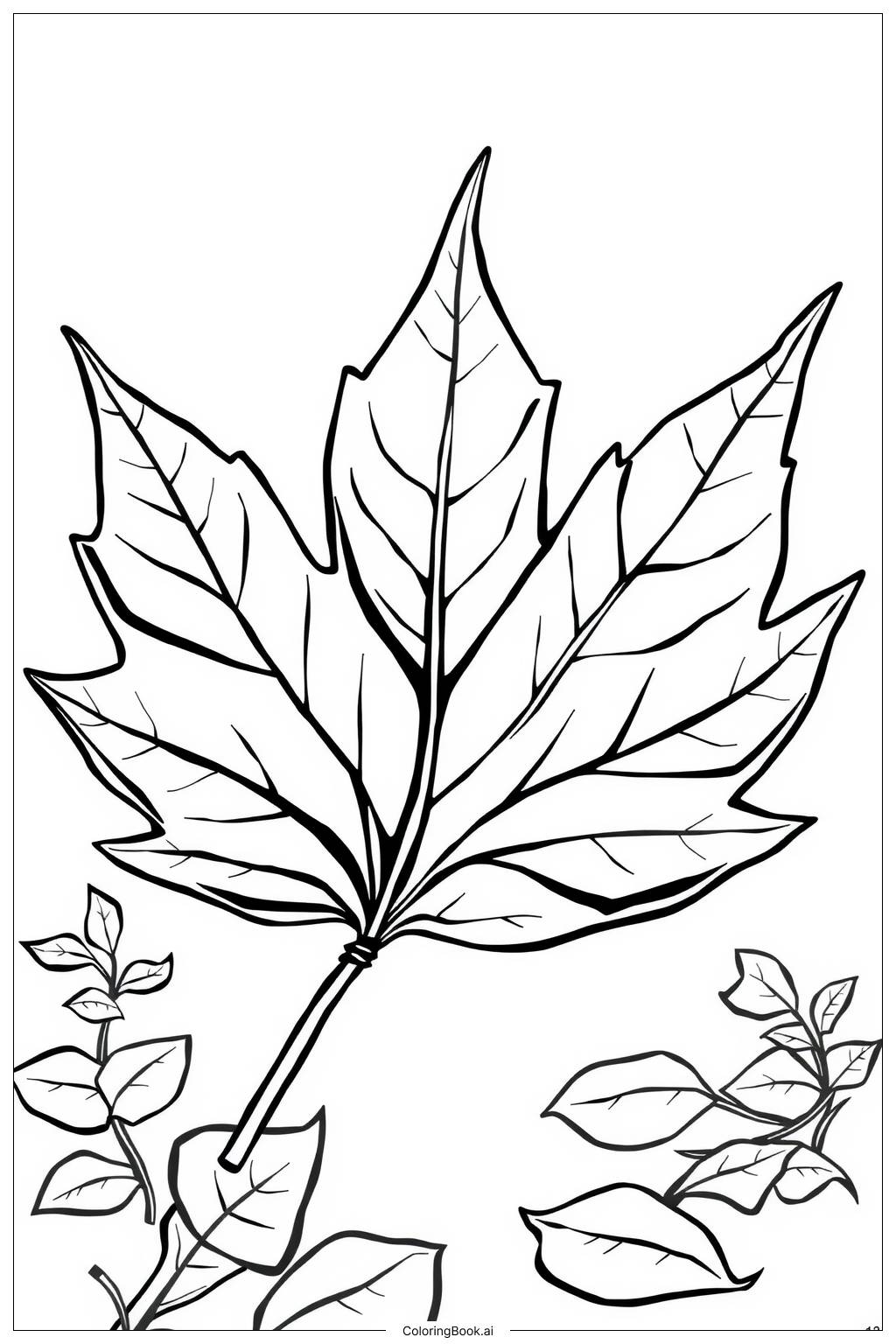
Coloring tips: How to color Maple Leaf with Textured Surface coloring page well?
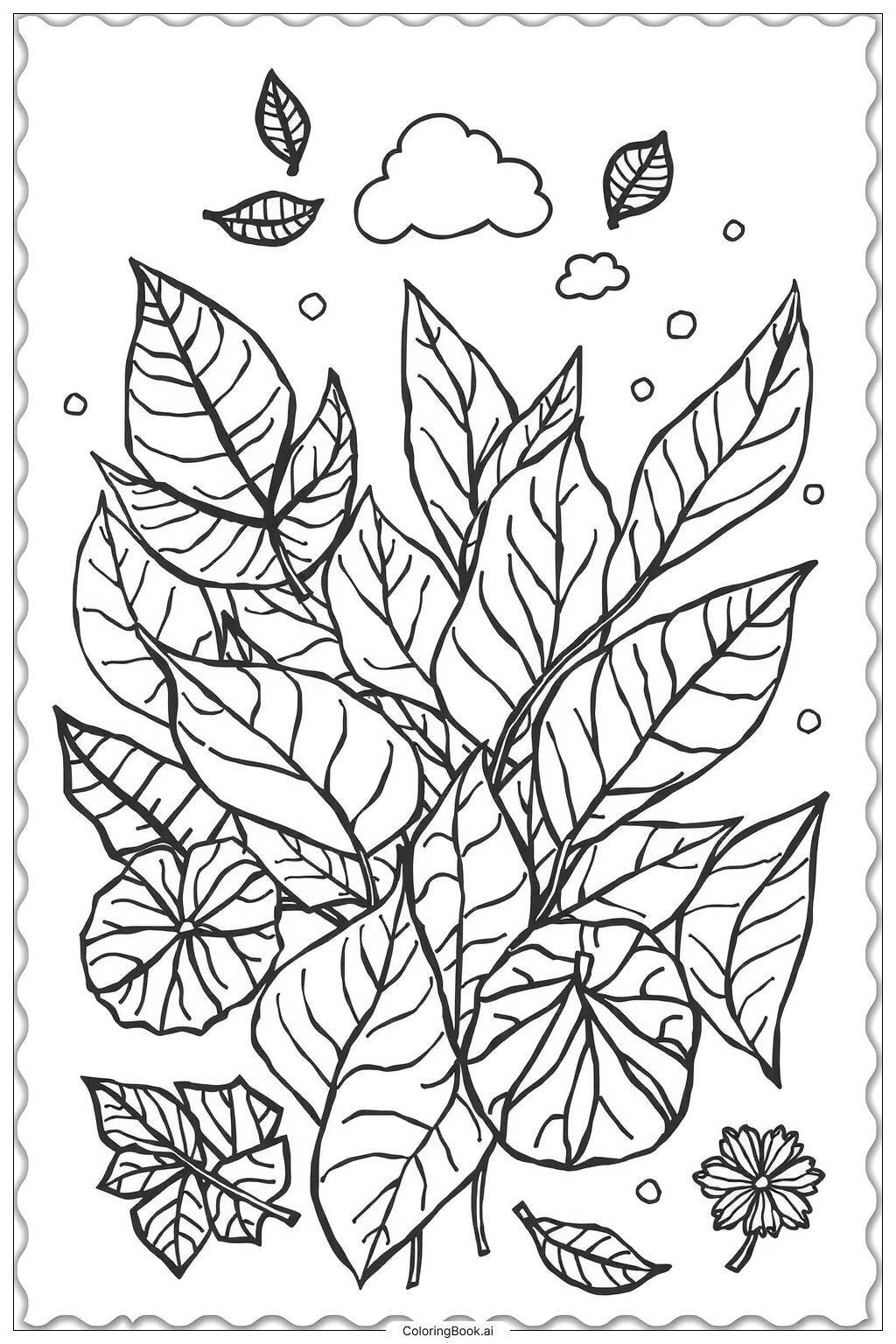
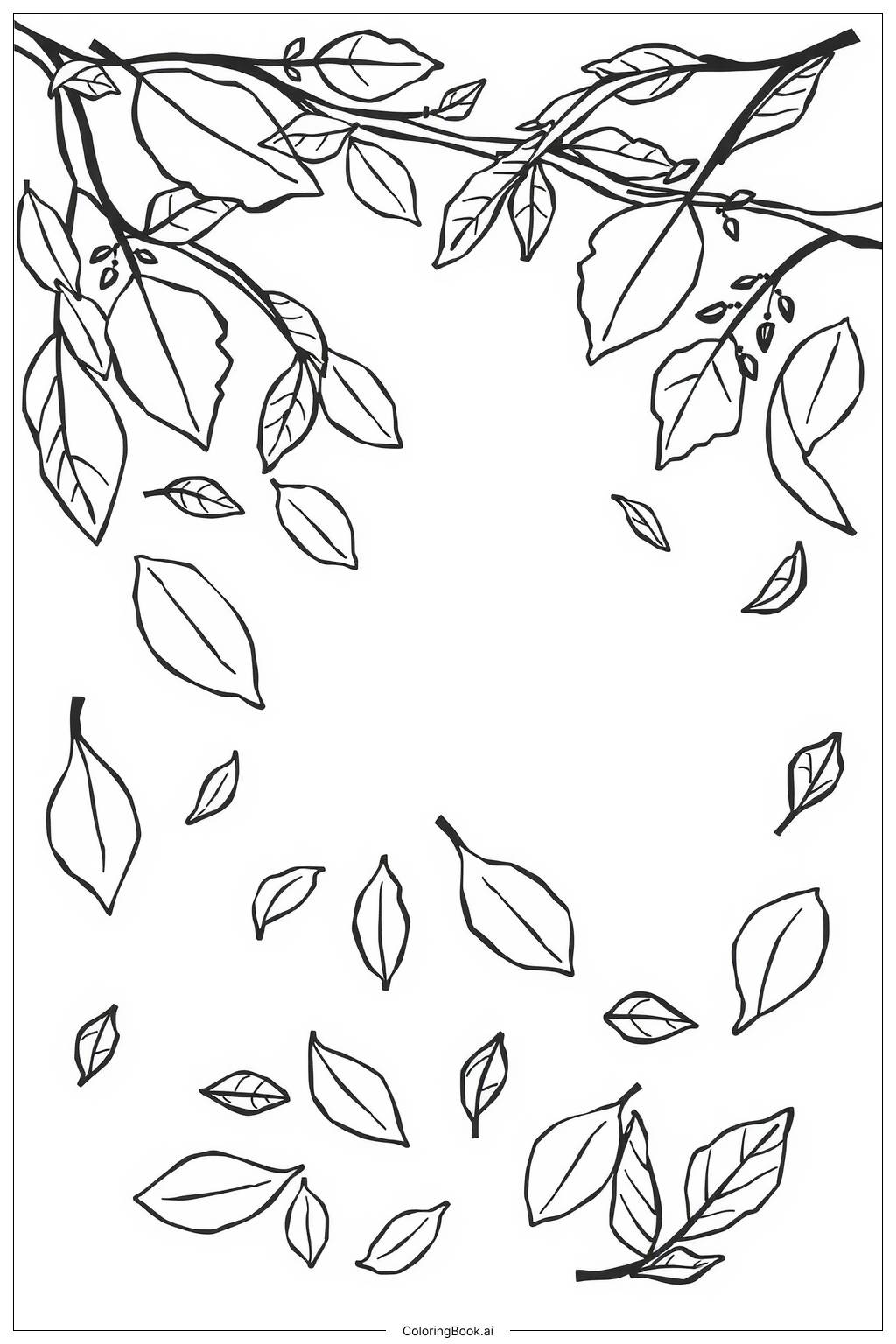
Try using warm colors like red, orange, and yellow to reflect autumn maple leaves. You can start with a light yellow base and add layers of orange and red over the textured sections for depth. Use brown or dark green to shade the veins for contrast and make them stand out. You can also experiment with blending colors softly on each lobe to create a realistic look. For younger children, solid bright colors like bright green or red can make the leaf pop. Using colored pencils or crayons will help you fill in the small details of the textured surface carefully. Take your time to color inside the lines to highlight the natural shape of the leaf.
Coloring challenges: Which parts are difficult to color and need attention for Maple Leaf with Textured Surface coloring page?
• Detailed Veins: The thin and numerous veins require precise coloring to avoid overlapping and to keep the lines clear and visible.
• Textured Surface: The subtle texture lines add complexity, making it challenging to color evenly without losing the texture effect.
• Jagged Edges: The uneven edges need careful attention to avoid coloring outside the leaf’s shape and to maintain its natural look.
• Color Blending: Achieving the natural gradient of colors typical of maple leaves in autumn can be tricky, especially for beginners.
• Shading Contrast: Balancing shading around the veins and textured areas requires patience to make the leaf appear three-dimensional and lifelike.
Benefits of coloring books: Advantages of drawing Maple Leaf with Textured Surface coloring page
Coloring this maple leaf enhances focus and fine motor skills due to its detailed veins and textured surface. It encourages children to observe and appreciate nature’s patterns closely. Working on the shading and blending of warm colors promotes creativity while teaching about color transitions and depth. It’s a relaxing activity that builds patience and improves hand-eye coordination. For older kids, it offers a chance to practice more advanced coloring techniques like layering and shading. Overall, it’s a fun way to connect with the beauty of the natural world through art.