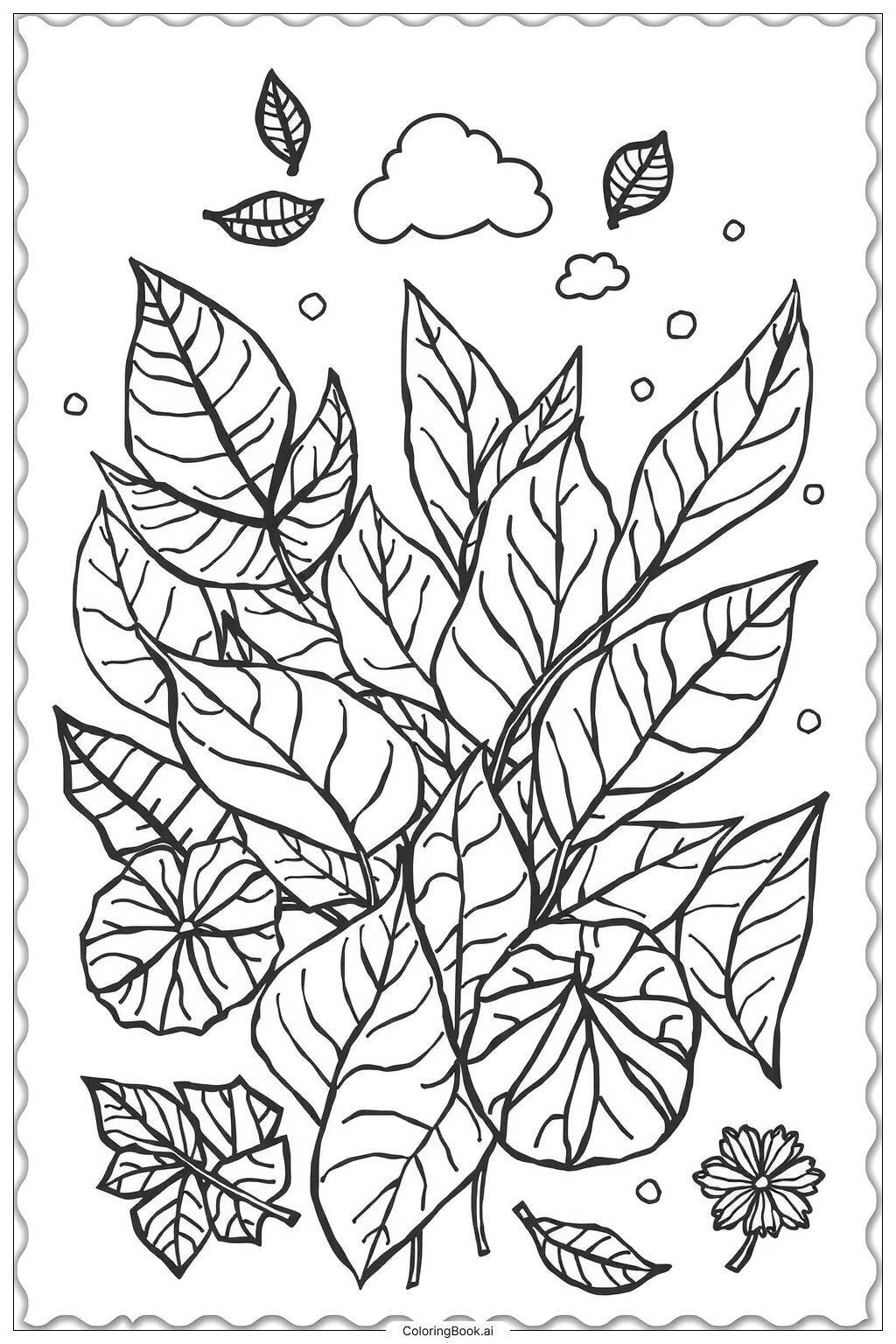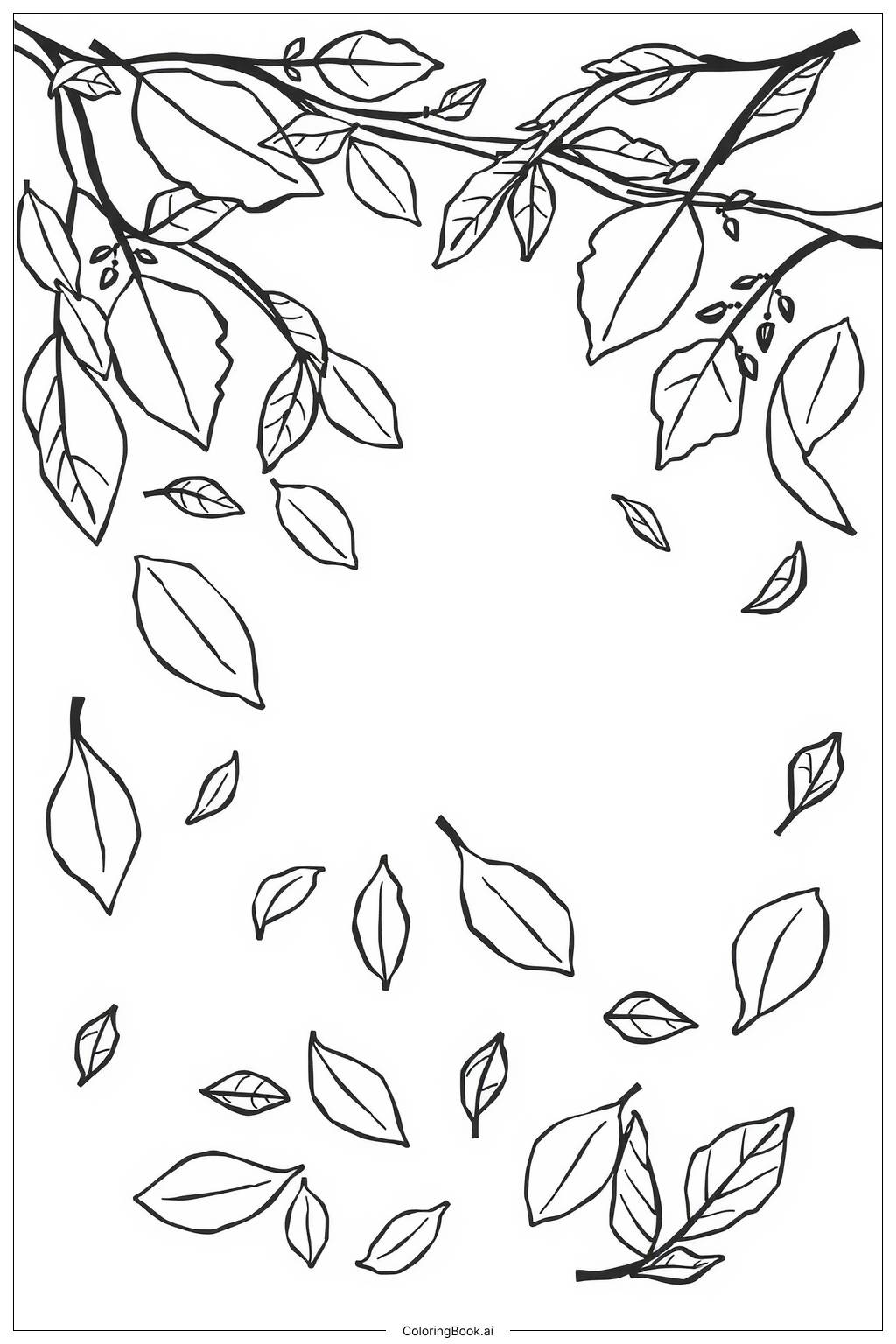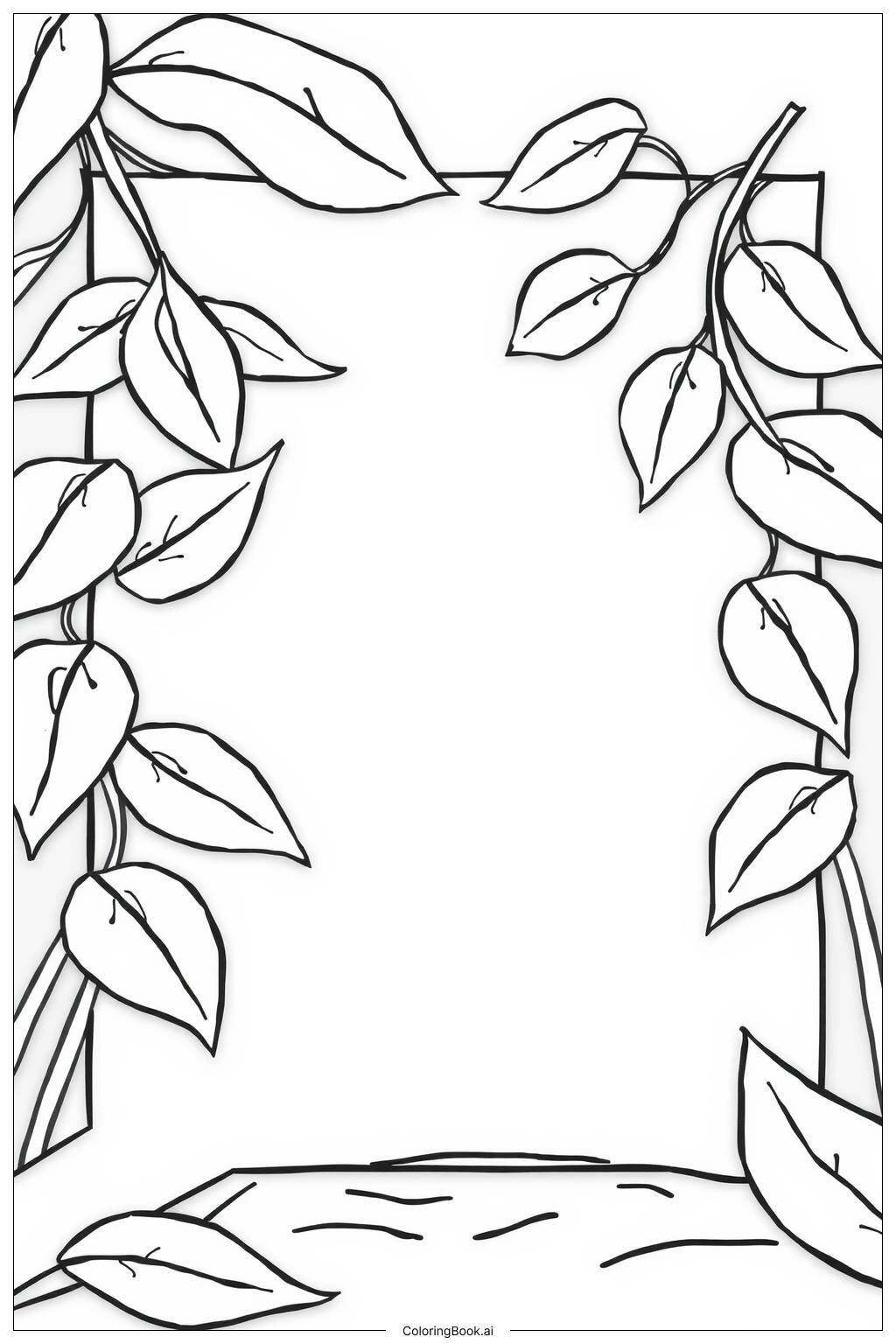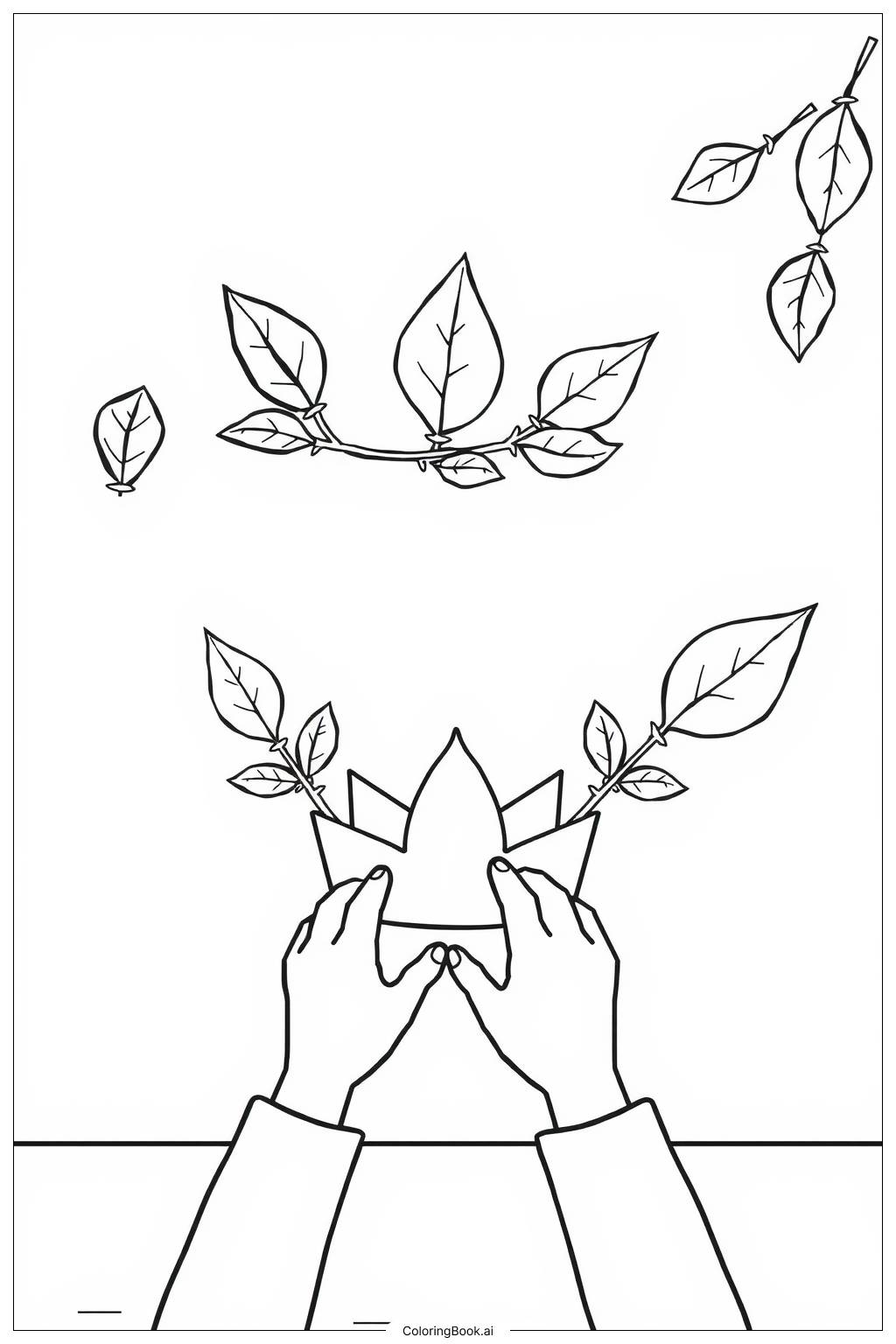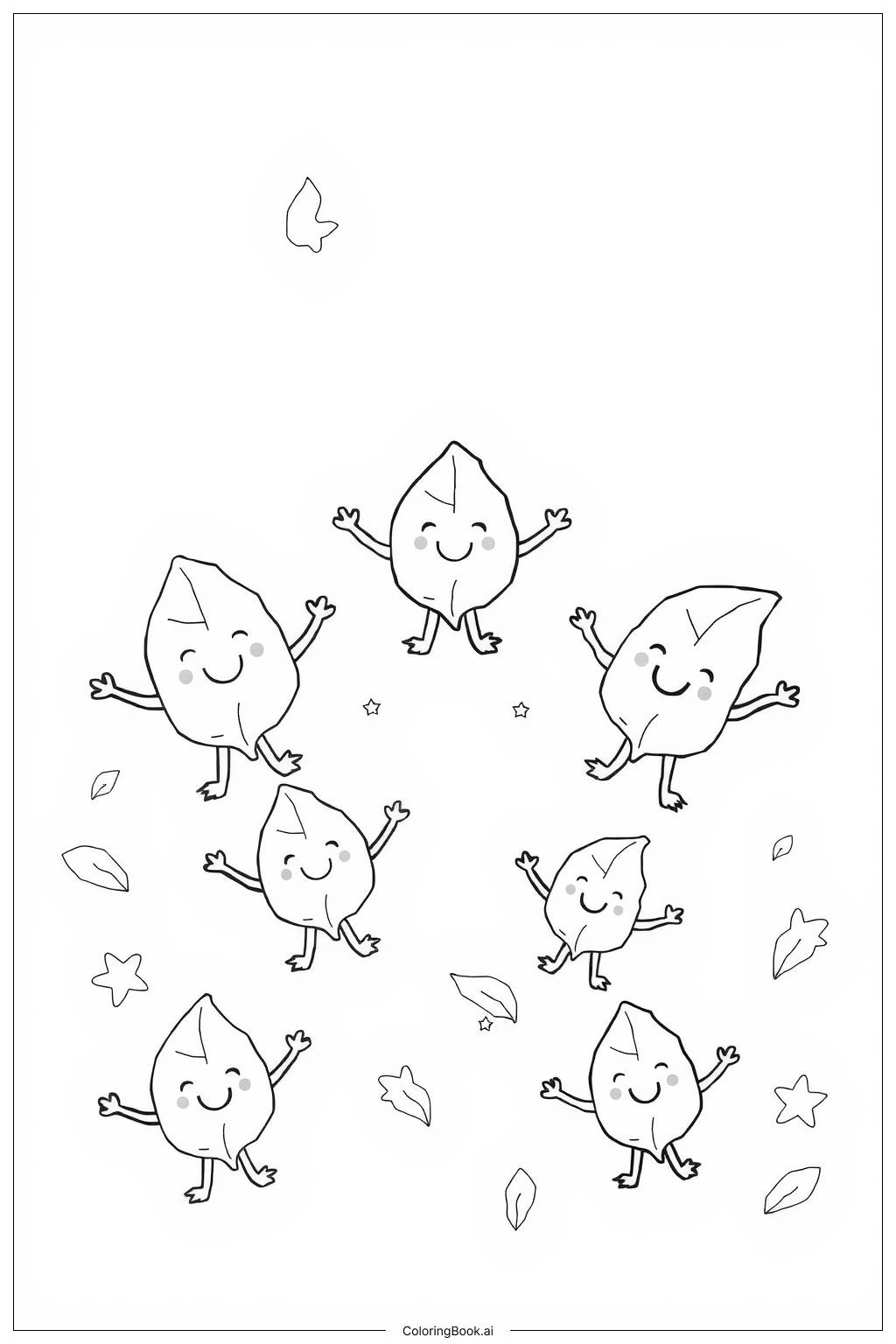
Coloring tips: How to color Magical Forest Leaf Creatures coloring page well?
Try using a variety of green shades for the leaves to bring out the richness of the forest—use light greens for fresh leaves and darker greens for shaded parts. Add warm yellows, oranges, and reds to some leaves to suggest autumn magic. For the creatures’ faces and accents, consider vibrant colors like soft browns, golds, and subtle purples to add depth and fantasy feel. You can also blend colors gently on edges of leaves to create a glowing or sparkling effect, making them look magical. Feel free to add some bright colors on vines or flower-like parts to create contrast and make each creature unique and lively.
Coloring challenges: Which parts are difficult to color and need attention for Magical Forest Leaf Creatures coloring page?
• Fine Leaf Details: Many creatures have small, intricate leaf patterns that require careful coloring to avoid going outside the lines and to capture the texture. • Overlapping Shapes: Leaves and branches often overlap, so distinguishing them with different shades and colors can be tricky but important for clarity. • Delicate Lines: Thin tendrils and veins in leaves demand steady hand control to maintain neatness and avoid smudging. • Shaded Areas: Some leaf parts have areas meant to appear darker or in shadow, needing gradual blending without harsh outlines. • Expressive Faces: Coloring the facial features of these magical creatures well is essential to keep their friendly, whimsical expression clear and charming.
Benefits of coloring books: Advantages of drawing Magical Forest Leaf Creatures coloring page
Coloring this image helps develop fine motor skills due to the detailed leaf shapes and delicate lines. It encourages children’s imagination as they bring magical forest creatures to life with their color choices. The layering and overlapping parts enhance focus and patience when choosing colors and shading carefully. It also teaches color blending and contrast by using different tones for leaves and shadows. Overall, it is a relaxing and creative activity that connects kids with nature themes while improving hand-eye coordination and artistic confidence.