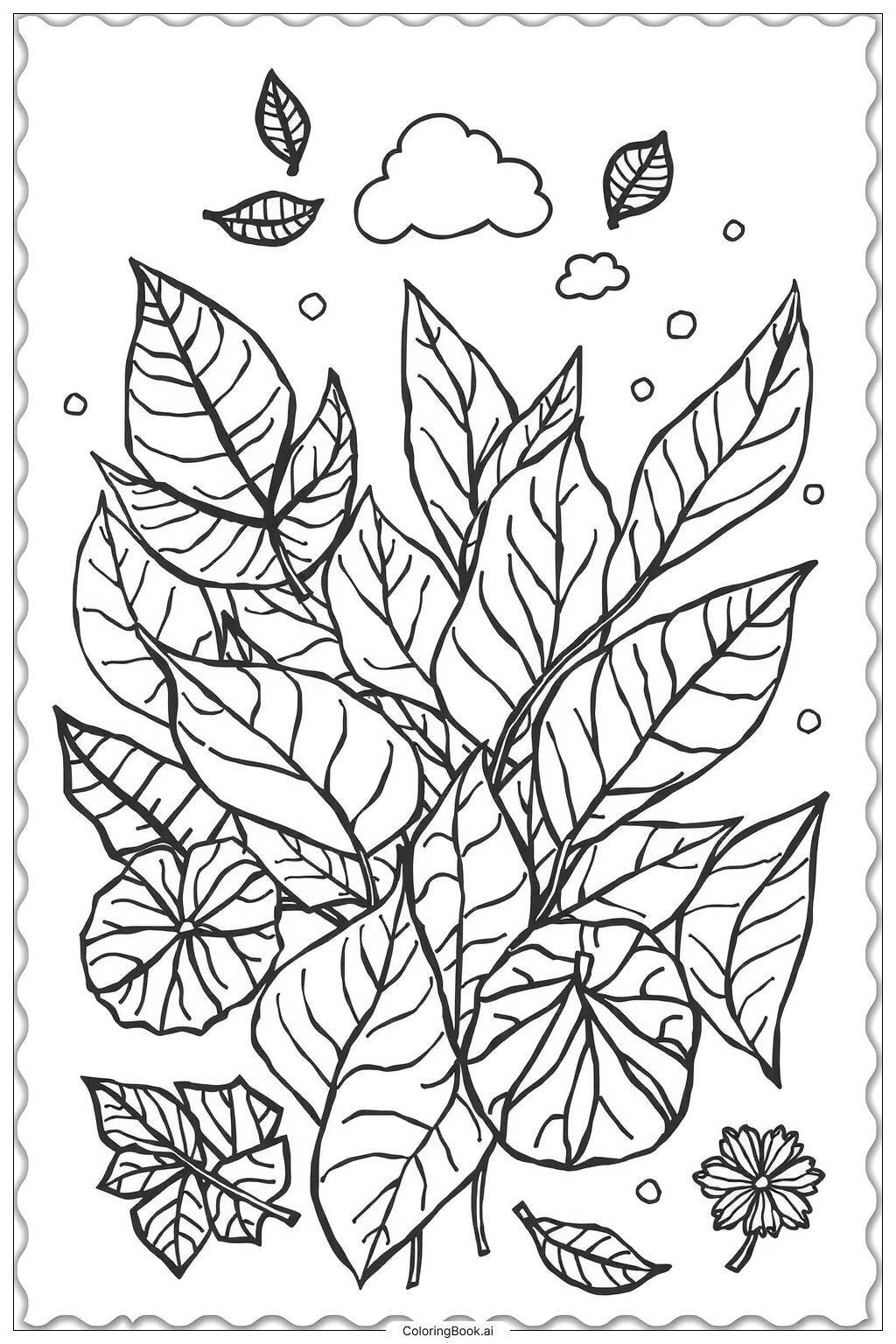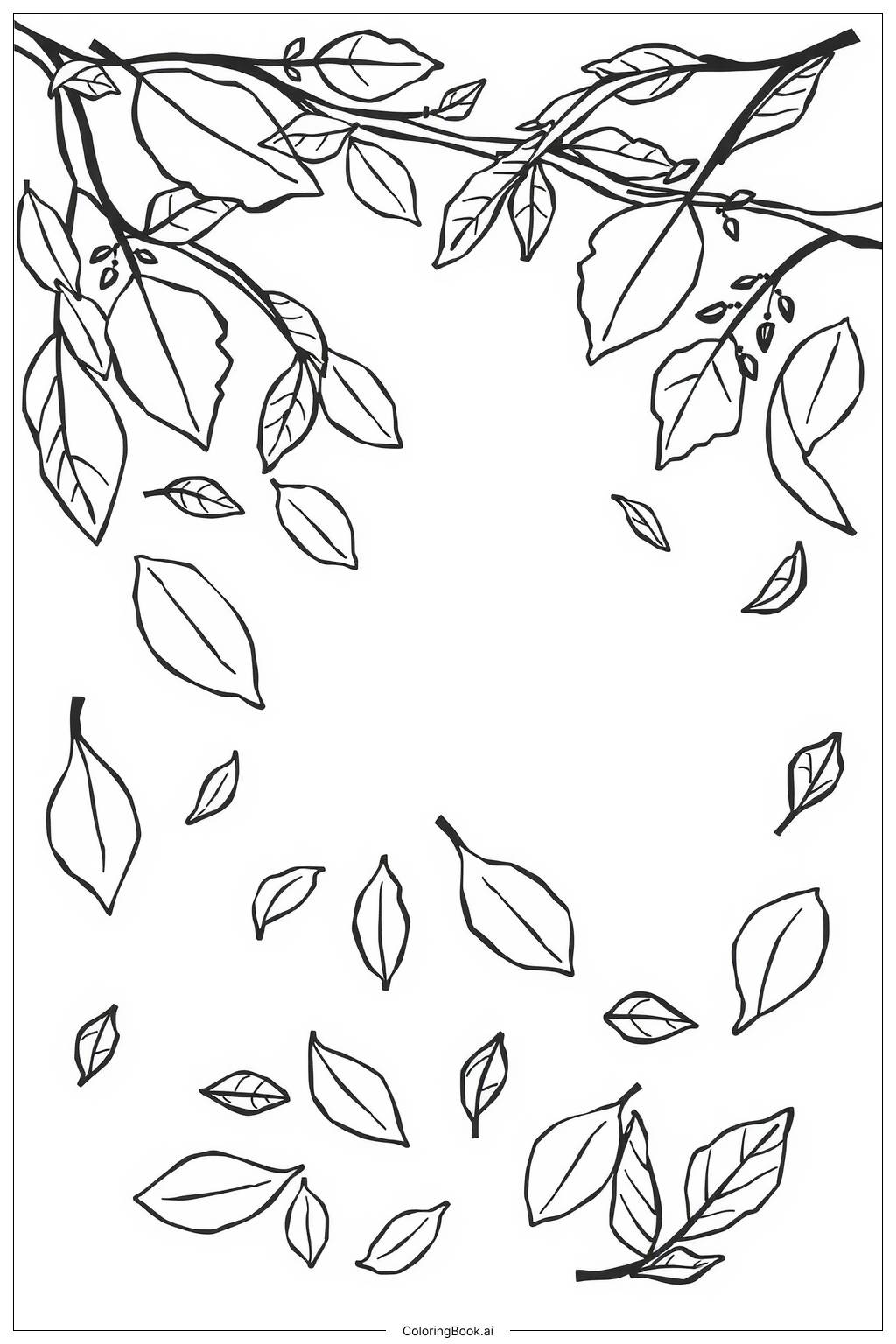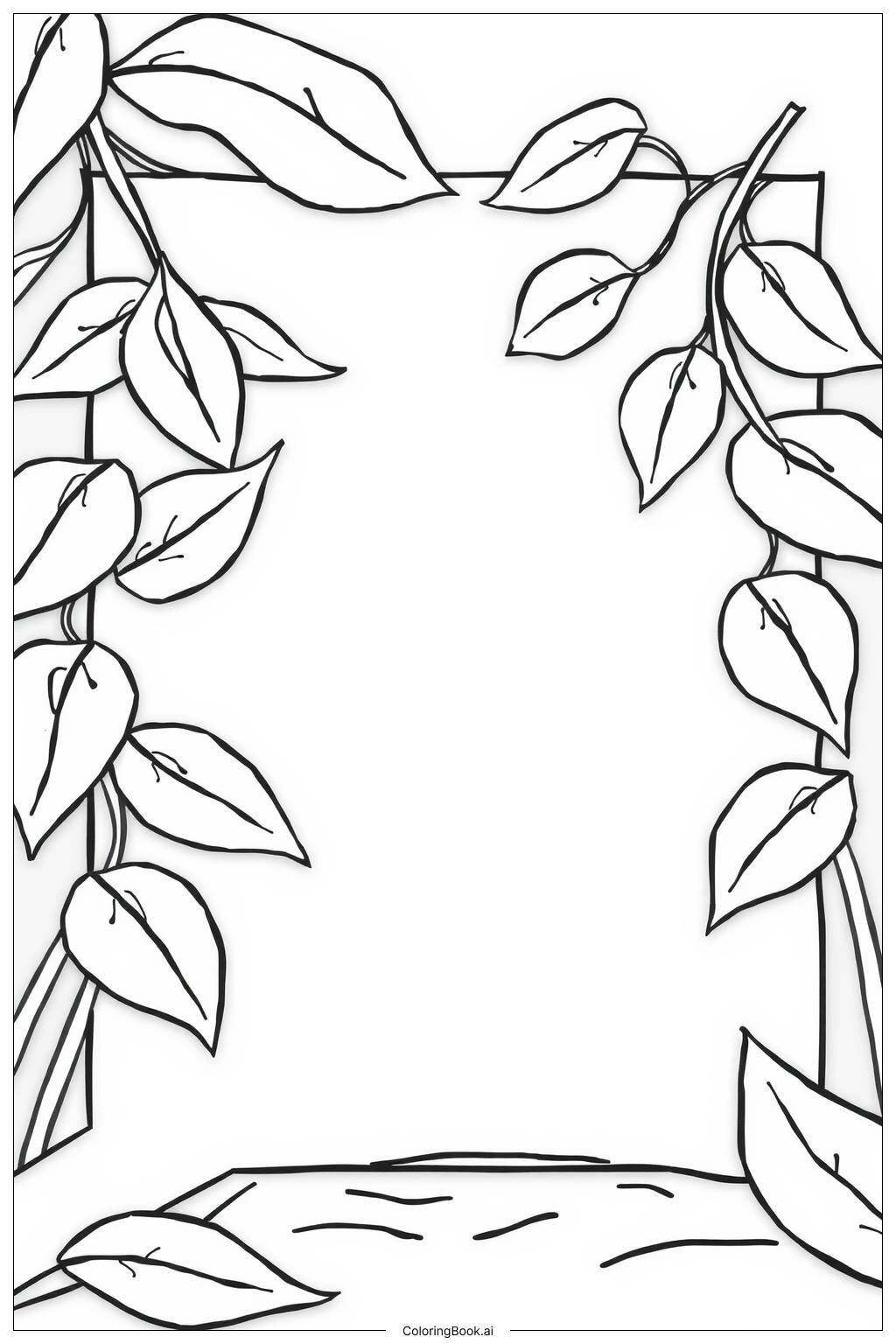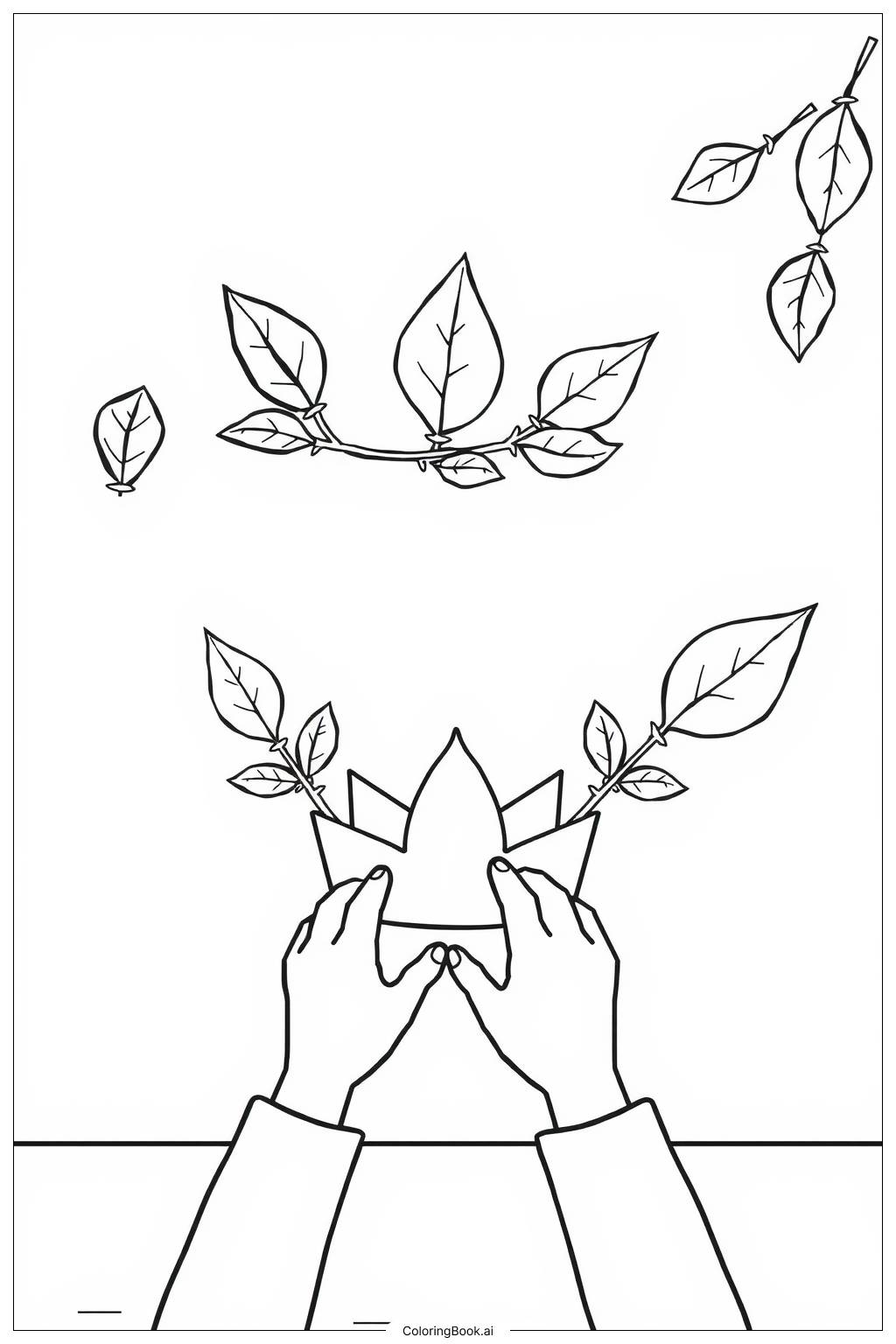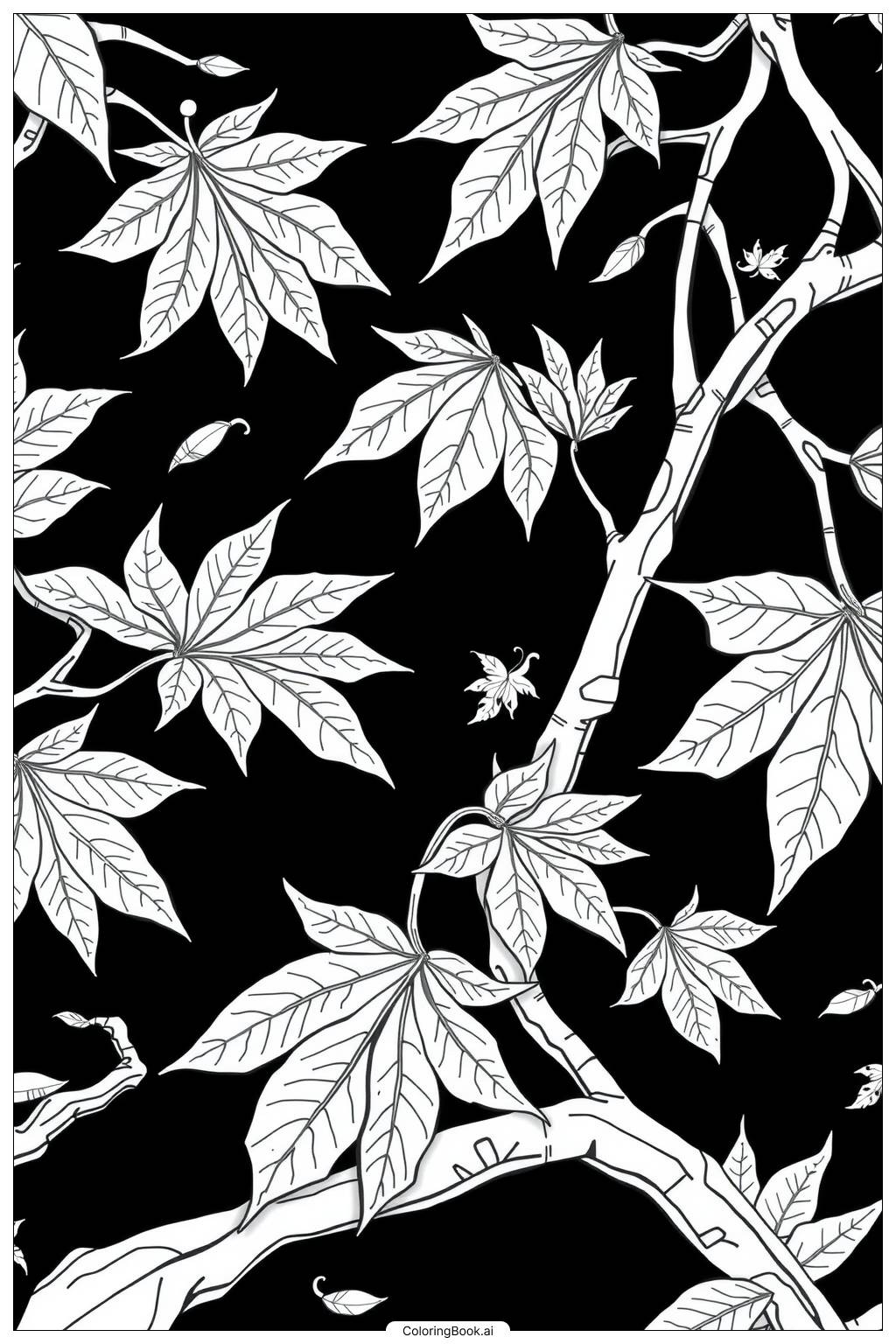
Coloring tips: How to color Leaf Pattern with Maple Leaf Shapes coloring page well?
You can use warm autumn colors to bring this page to life, such as reds, oranges, yellows, and browns for the maple leaves. Try blending shades in each leaf to show how real leaves change color. For the smaller shapes between the leaves, cool colors like greens or light blues can create a nice contrast. Using crayons, colored pencils, or markers will work well. You might also want to experiment with patterns inside some leaves—dots, stripes, or swirls—to add your own style. Remember to color slowly and carefully, especially inside the leaf outlines, to keep your picture neat and beautiful.
Coloring challenges: Which parts are difficult to color and need attention for Leaf Pattern with Maple Leaf Shapes coloring page?
• Fine Details: The design has many small lines and shapes inside and around the maple leaves. Coloring these without going outside the lines requires steady hand control and patience. • Overlapping Shapes: Some leaves overlap or are close together, which can make it tricky to choose colors that don’t blend into each other. It’s important to plan your colors in advance. • Color Layering: To show the depth and natural variation in the leaves, layering colors smoothly can be challenging, especially for younger children still developing fine motor skills. • Balancing Pattern and Space: The pattern is dense, so it might be hard to decide whether to use bright colors everywhere or leave some parts lighter to create visual balance. • Small Gaps: There are narrow spaces between leaves and other shapes that can be difficult to color neatly with larger coloring tools.
Benefits of coloring books: Advantages of drawing Leaf Pattern with Maple Leaf Shapes coloring page
Coloring this leaf pattern page helps improve fine motor skills by encouraging careful and precise hand movements. It also enhances color awareness and creativity as you choose different colors and experiment with blending. The natural theme encourages an appreciation of autumn and nature’s beauty. Completing the detailed pattern can build patience and focus, making it a great activity for concentration. For children between 4 and 16 years, it is both calming and fulfilling to see the vibrant result of their efforts, boosting confidence and mindfulness.