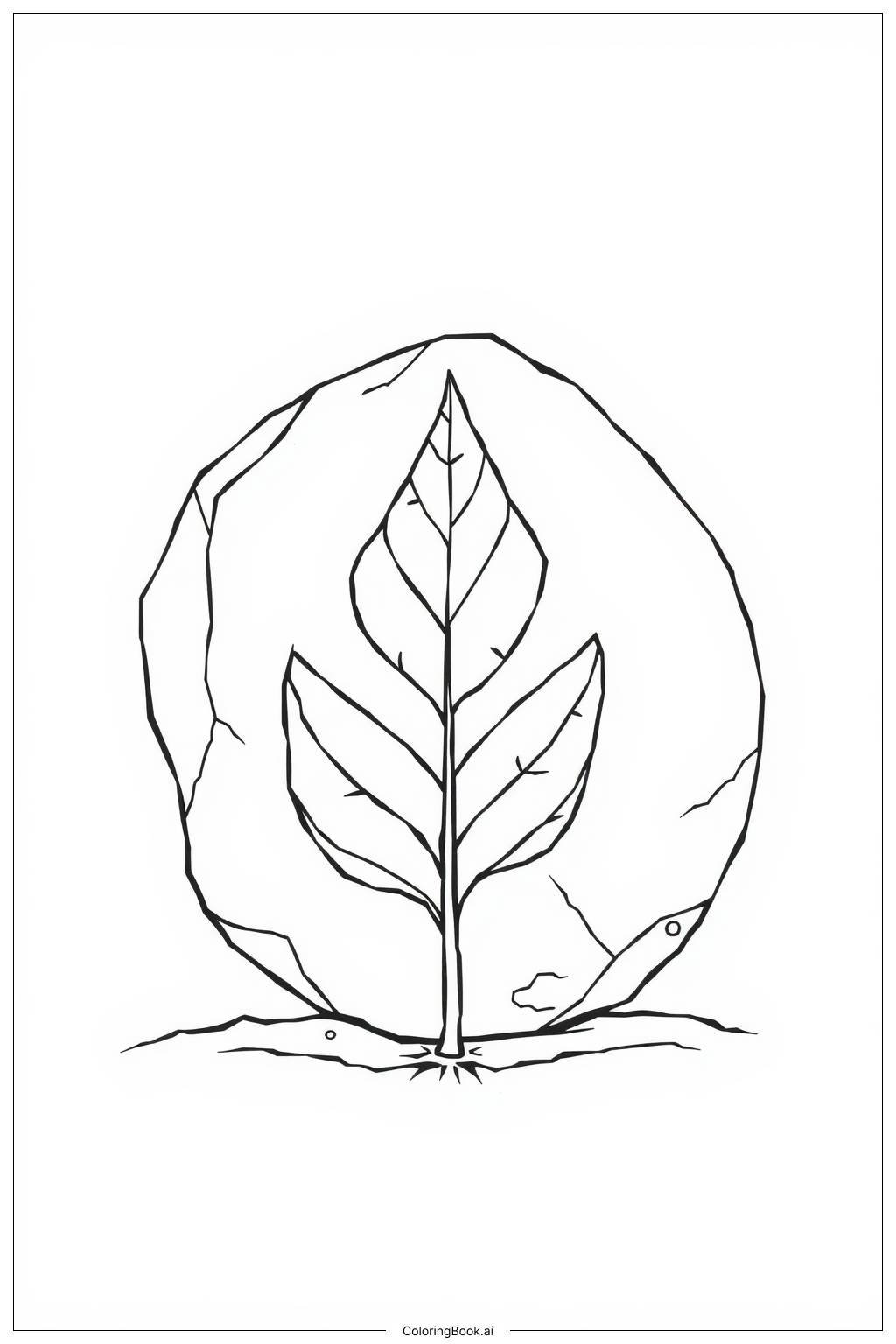
Coloring tips: How to color Leaf Imprint on a Smooth Stone coloring page well?
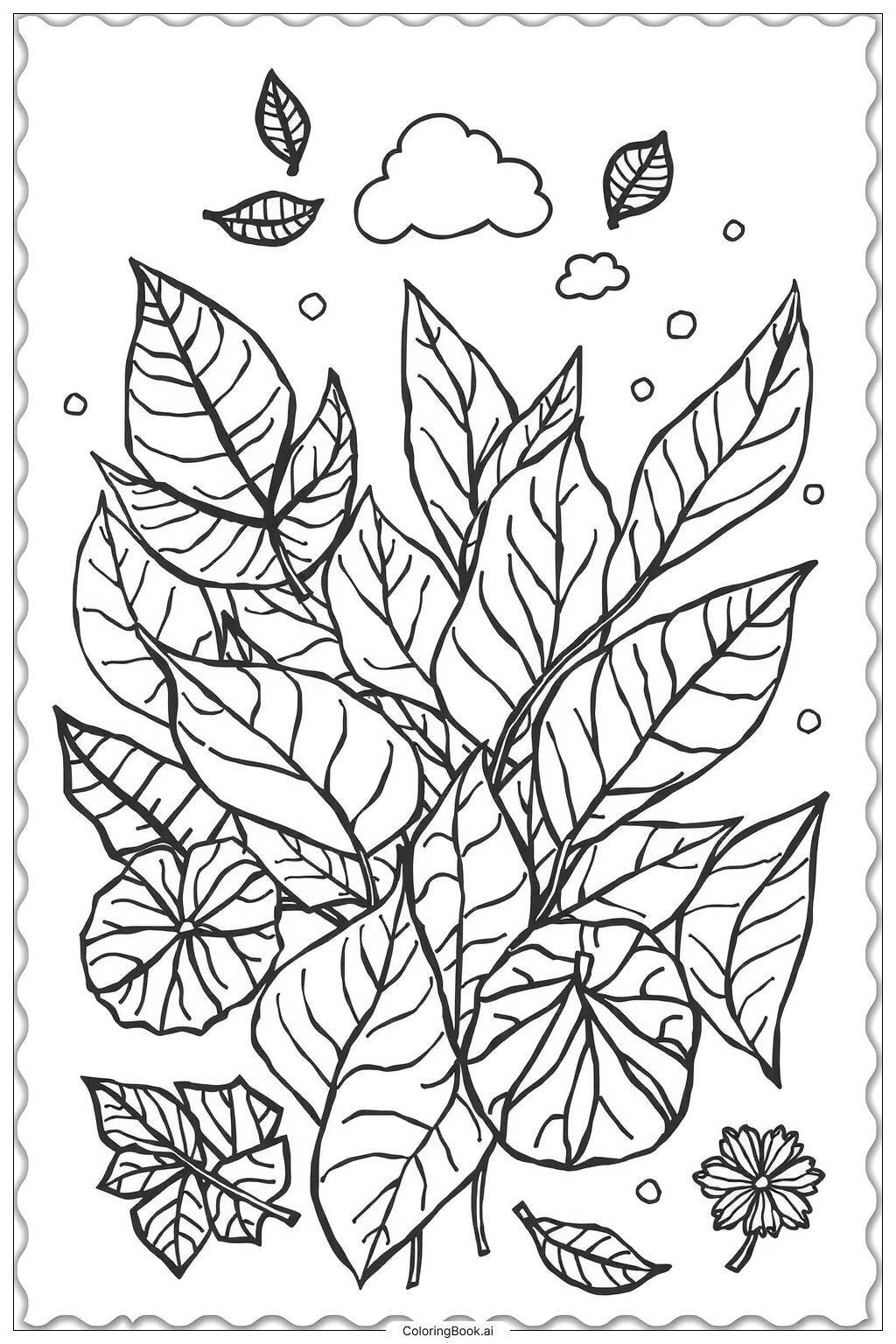
To bring this image to life, you can use soft earthy colors. Try gentle greens for the leaf imprint to highlight its veins. For the stone, shades of gray, beige, or light brown work well to show its smooth texture. You could blend light and dark colors to make the stone look rounded and real. Coloring the small pebbles around the stone in different browns and tans will add depth. Feel free to use a gentle touch with pencils or crayons, layering colors to create shadows and highlights. Remember to color within the lines and follow the shape of the leaf veins carefully to make the imprint stand out.
Coloring challenges: Which parts are difficult to color and need attention for Leaf Imprint on a Smooth Stone coloring page?
• Fine Leaf Details: The leaf imprint shows many thin veins and delicate lines that require careful coloring to avoid going outside the lines. This can be tricky for younger children.
• Smooth Texture Shading: Coloring the stone so it looks smooth and rounded involves blending light and shadow. It may be hard to create a natural stone effect without harsh lines.
• Small Surrounding Pebbles: The little pebbles around the main stone demand attention to detail because they are tiny and close together. Coloring each separately can be challenging.
• Contrast Balance: Achieving the right contrast between the leaf imprint and the stone is important. Coloring too dark or too light may make the imprint hard to see.
• Consistent Coloring Technique: Keeping even pressure and layers while coloring the stone and leaf to maintain a clean look can be difficult, especially for beginners.
Benefits of coloring books: Advantages of drawing Leaf Imprint on a Smooth Stone coloring page
Coloring this image helps develop fine motor skills by requiring careful control when tracing the leaf’s veins and smooth edges. It encourages concentration and patience as you blend colors for the stone’s roundness. The natural theme helps children connect with nature and appreciate small details they might otherwise miss. This activity also builds creativity as you decide how to use colors to create light, shadow, and texture. Lastly, completing the picture gives a rewarding sense of accomplishment and can boost confidence in coloring skills.