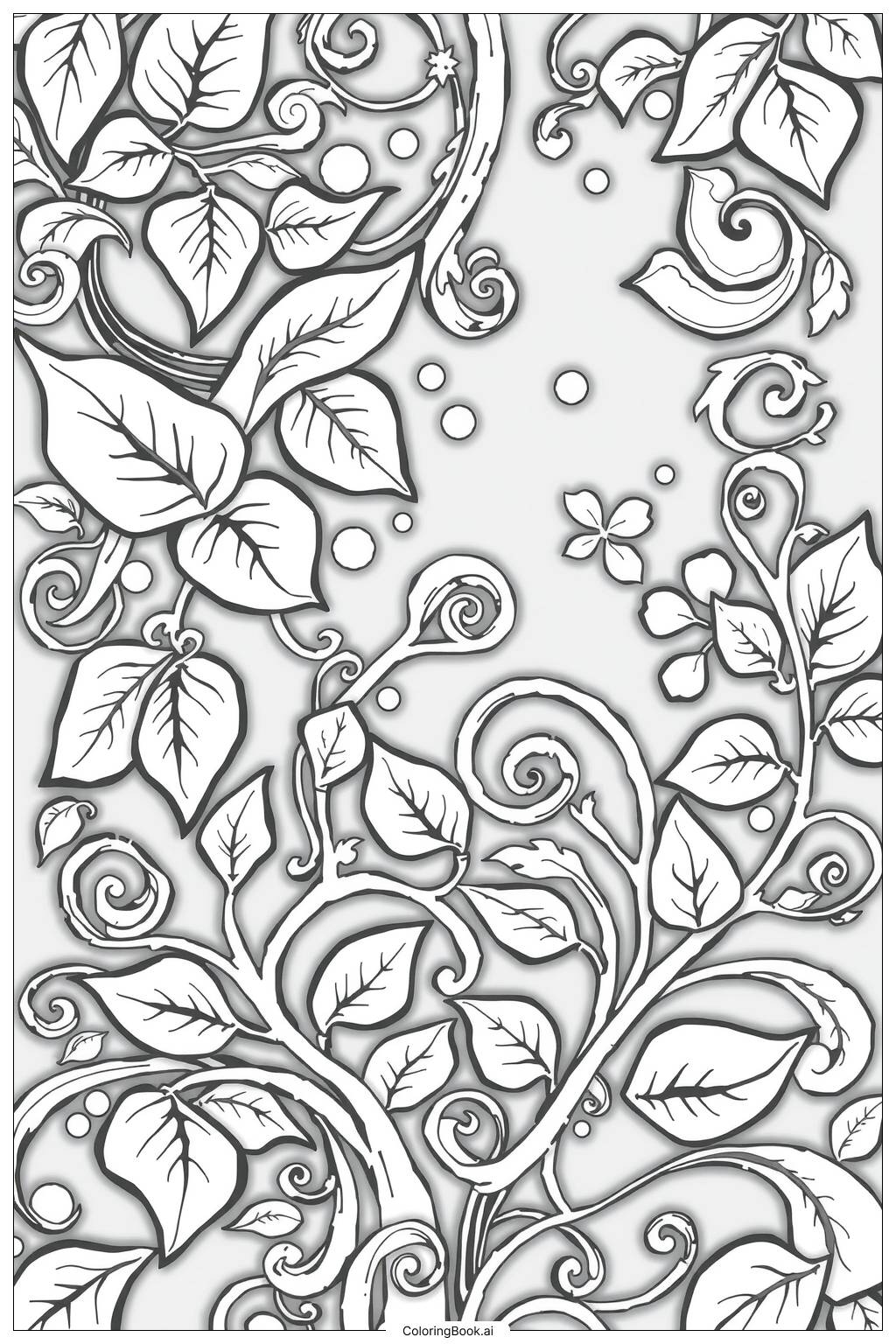
Coloring tips: How to color Leaf Arrangement in a Spiral coloring page well?
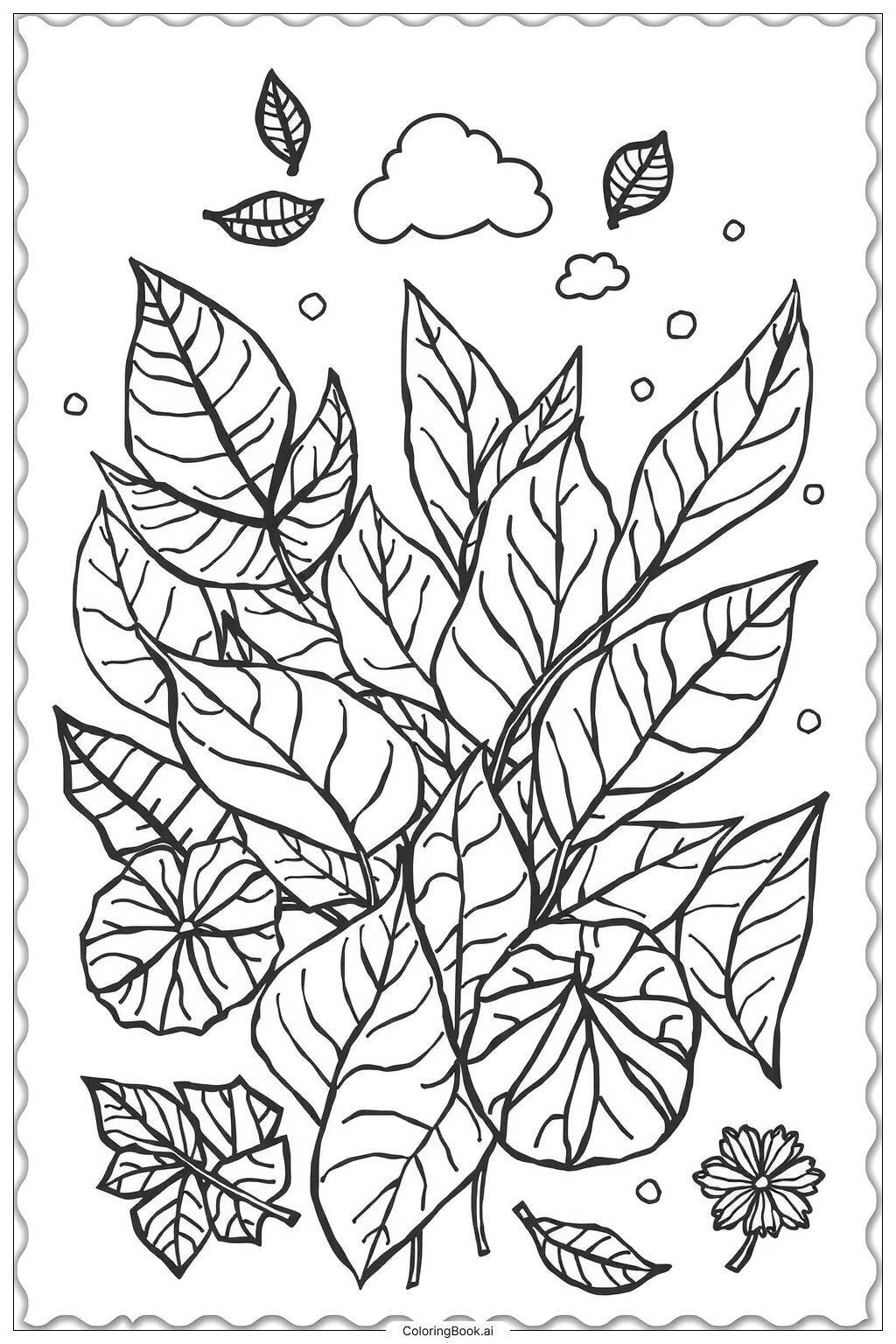
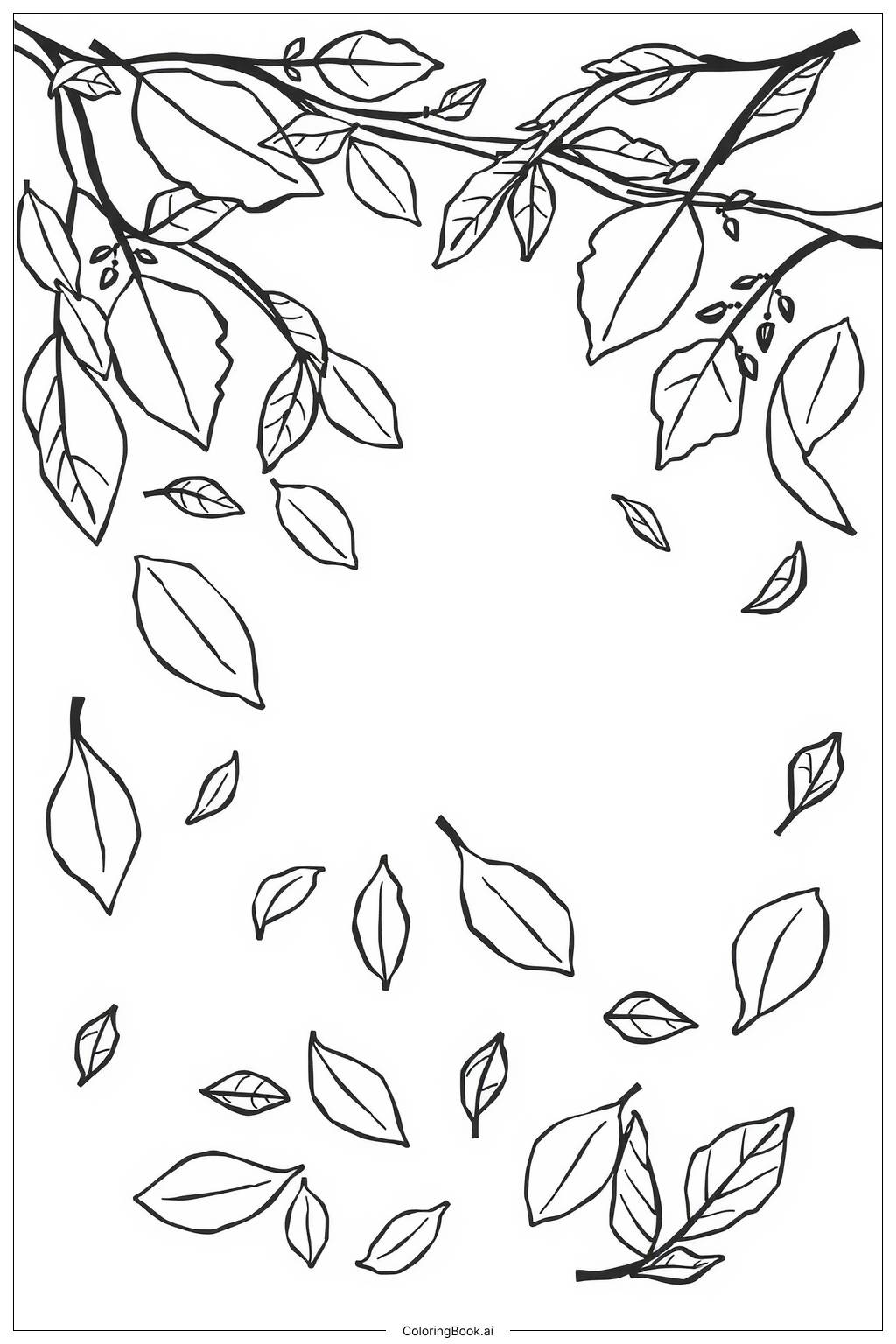
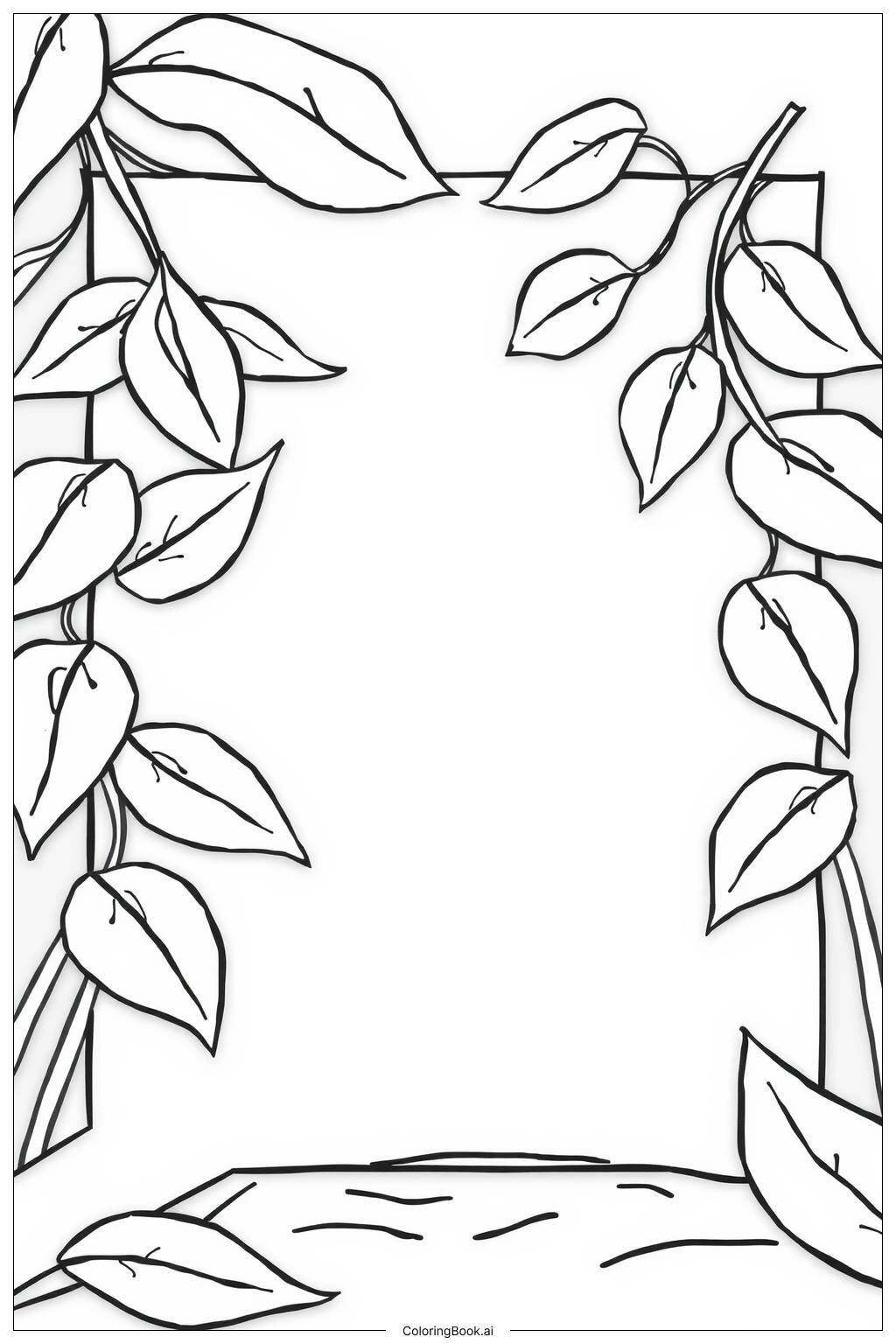
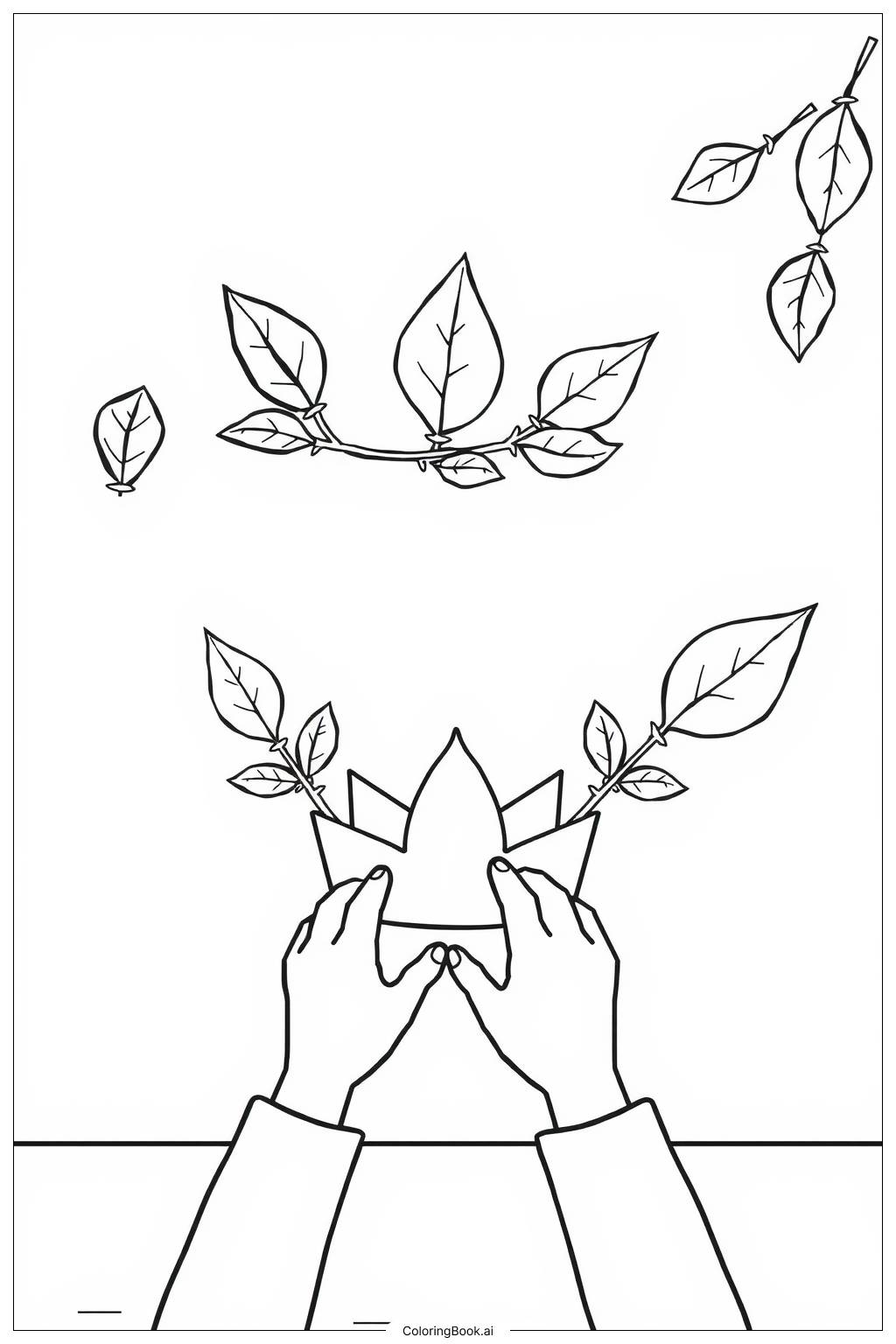
To color this image, start with fresh, natural greens for the leaves. Try different shades like light green, dark green, and yellowish-green to show depth and light. You can also add touches of brown or orange near the veins for a fall effect. Use soft browns or grays for the stem to create contrast against the green leaves. If you want a creative twist, consider coloring the leaves in bright autumn colors like reds, yellows, and golds to bring warmth and variety. For the background, choose lighter pastel colors or keep it white to make the spiral leaf arrangement stand out clearly.
Coloring challenges: Which parts are difficult to color and need attention for Leaf Arrangement in a Spiral coloring page?
• Close Leaf Placement: The leaves are drawn very close together in a spiral. Coloring carefully without overlapping colors between leaves requires steady hand control and patience.
• Fine Vein Details: Each leaf has delicate veins that need gentle shading or precise lines to highlight without overwhelming the leaf shape.
• Consistent Spiral Flow: Keeping the spiral pattern visually smooth with colors that flow naturally from one leaf to the next can be challenging.
• Small Buds and Stems: The thinner stems and tiny buds need careful, fine coloring tools to avoid smudging the main leaves.
• Shading Gradients: Creating realistic depth may require blending colors softly on small spaces, which can be tricky for beginners but is a good practice in color layering.
Benefits of coloring books: Advantages of drawing Leaf Arrangement in a Spiral coloring page
Coloring this image helps improve focus and fine motor skills as children or adults work within the detailed spiral and leaf shapes. It encourages observation of natural patterns, boosting awareness of the beauty in plant growth. The repetitive spiral arrangement can be calming to color, promoting mindfulness and relaxation. Experimenting with different colors for leaves helps develop creativity and an understanding of color blending and contrast. This activity is suitable for a wide age range, offering a rewarding challenge for young learners and a soothing pastime for anyone interested in nature and art.