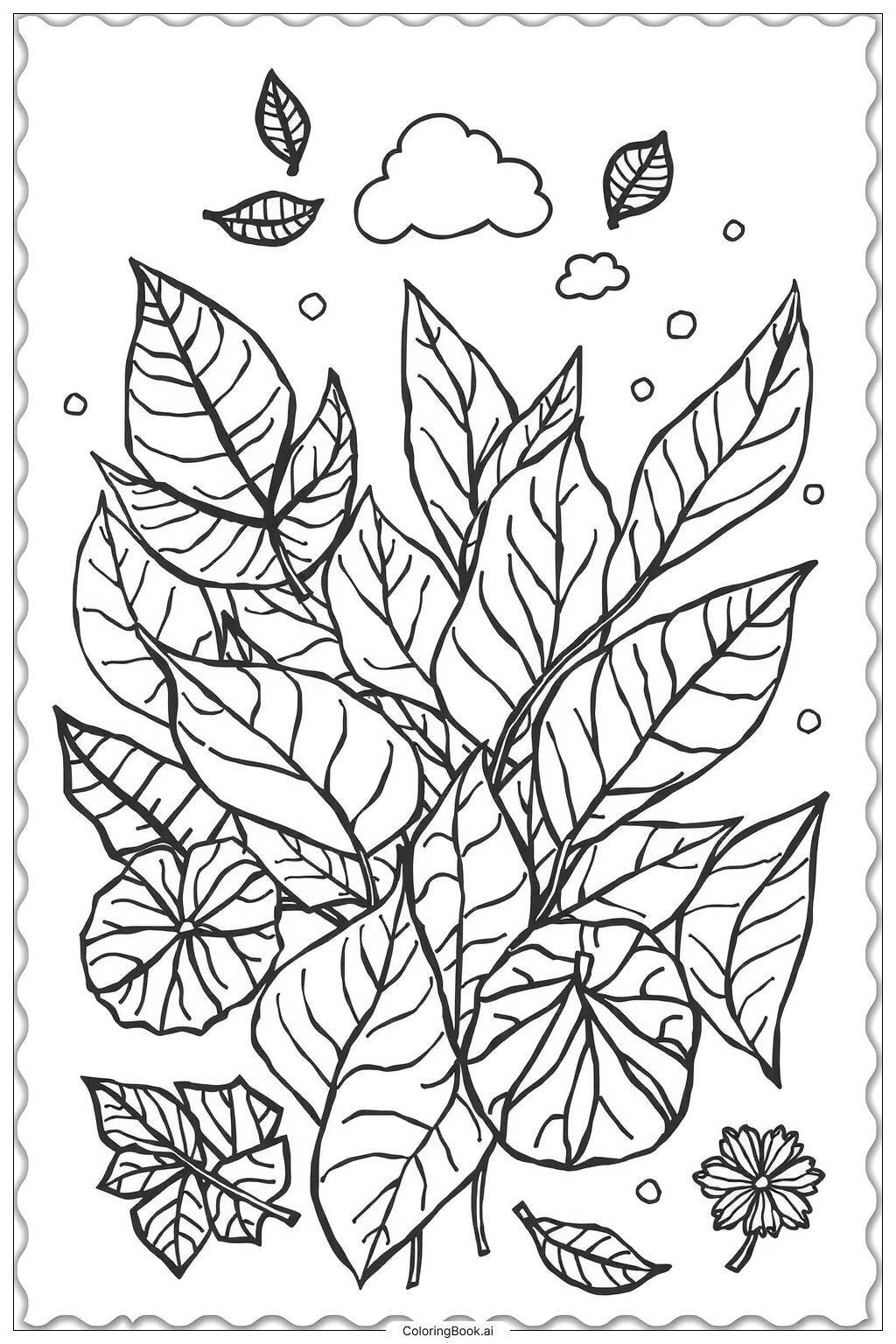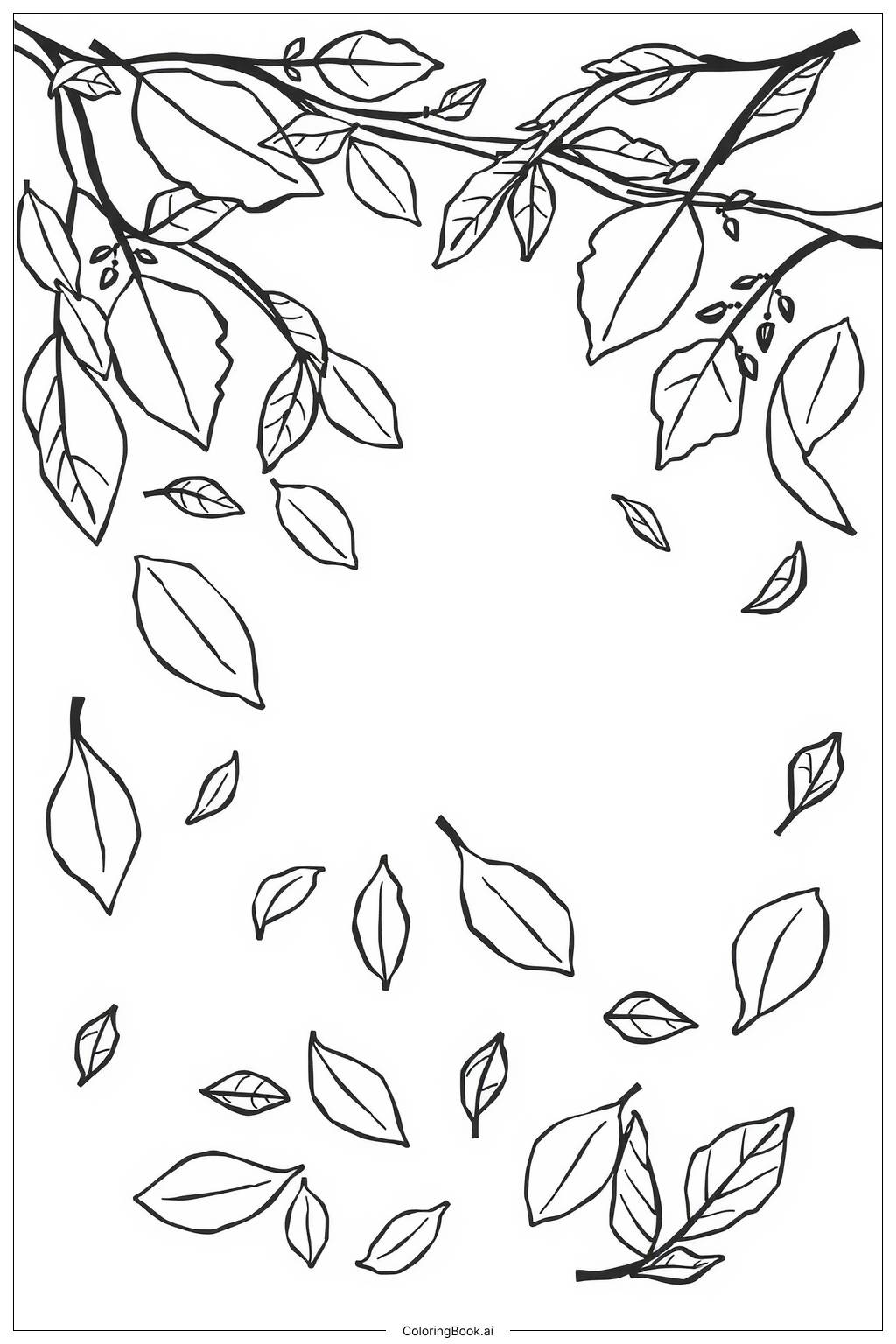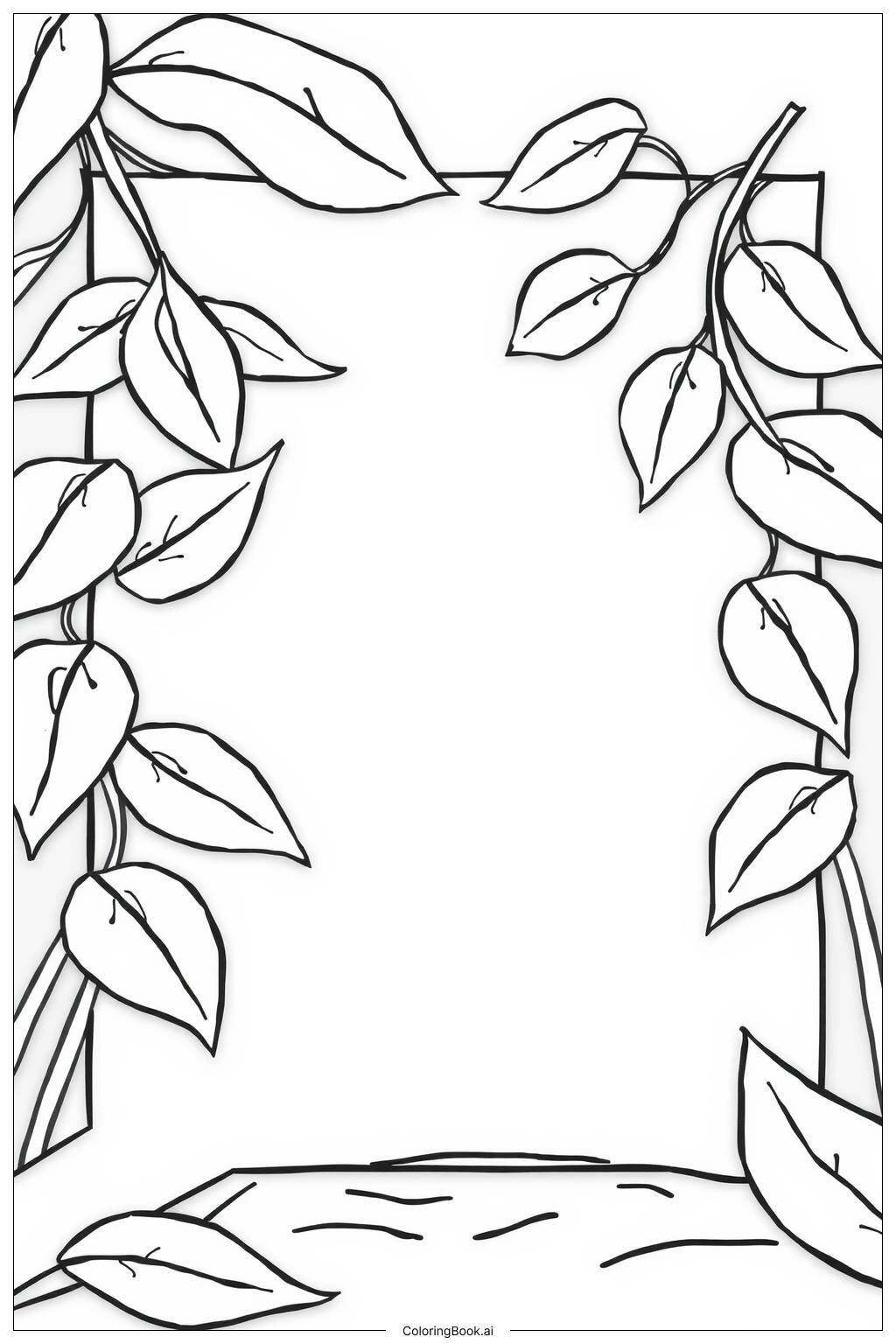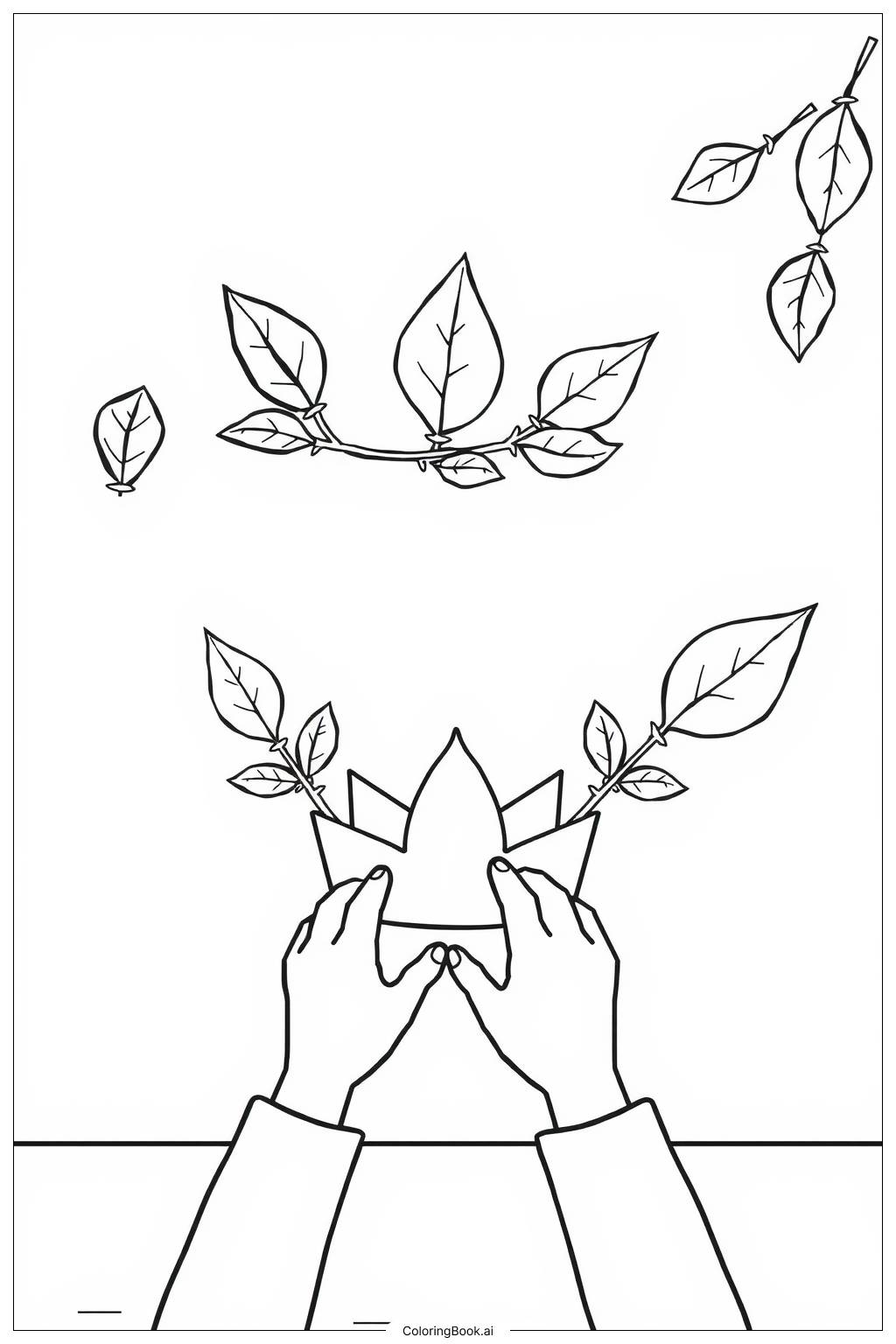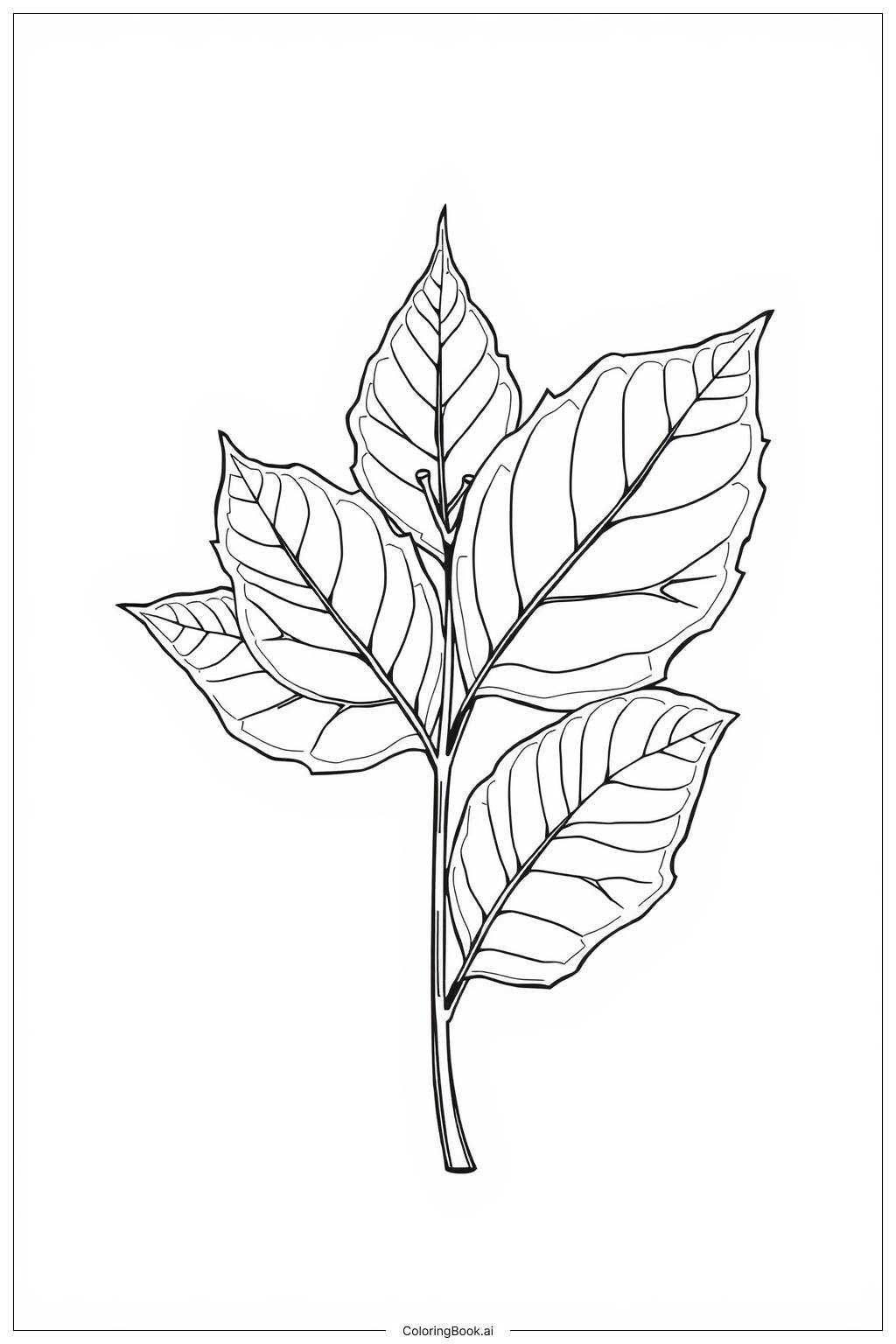
Coloring tips: How to color Four Seasons Leaf Changes coloring page well?
Use bright green shades like lime and emerald for the spring leaf to show new growth. For the summer leaf, choose deep greens like forest green or olive green to highlight fullness. Color the autumn leaf with warm tones like orange, red, yellow, and brown to capture the fall colors. For the winter leaf, softer colors like pale gray, light blue, or faded brown will show its bare, quiet state. To make the leaves stand out, use different hues for their veins and edges. Feel free to add your own creative touches using colored pencils or crayons to bring these seasonal leaves to life.
Coloring challenges: Which parts are difficult to color and need attention for Four Seasons Leaf Changes coloring page?
• Leaf Details: Each leaf has many small patterns such as veins and delicate edges that require careful coloring to avoid going outside the lines. Patience is needed to fill these fine details neatly.
• Seasonal Texture Variation: The texture for each leaf varies according to the season it represents. Capturing the contrast between soft spring leaves and rough autumn leaves can be challenging.
• Color Blending: The autumn leaf especially might need blending of multiple warm colors like reds, yellows, and browns. Achieving smooth color transitions can be hard for younger colorers.
• Symmetry and Balance: Arranging colors evenly around the circle to ensure all four leaves look harmonious may require some planning.
• Small Swirls and Background Elements: The gentle curls and background patterns demand a steady hand to keep the overall image clean while adding subtle colored effects.
Benefits of coloring books: Advantages of drawing Four Seasons Leaf Changes coloring page
Coloring this Four Seasons Leaf Changes image helps children learn about nature and seasonal cycles by seeing how leaves transform year-round. It also encourages focus and fine motor skills through detailed leaf patterns. Working with different colors for each season helps develop creativity and understanding of color theory, especially how warm and cool colors represent different times of the year. As kids practice blending and shading, they improve hand-eye coordination and control. Most importantly, this coloring page inspires appreciation for the natural world while making the learning process fun and relaxing.