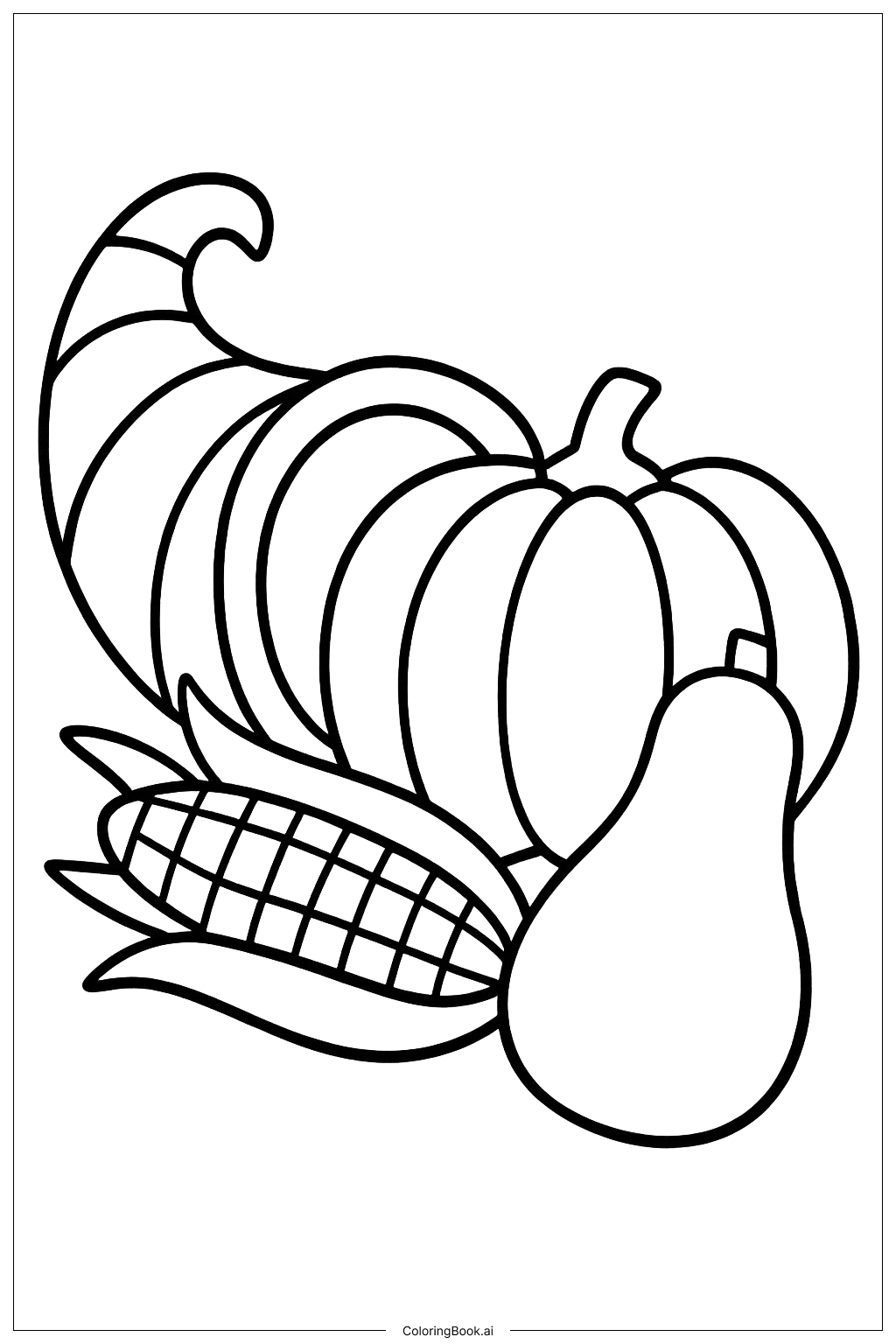
색칠 팁: Cornucopia With Large Vegetables 색칠공부를 잘 하는 방법은?
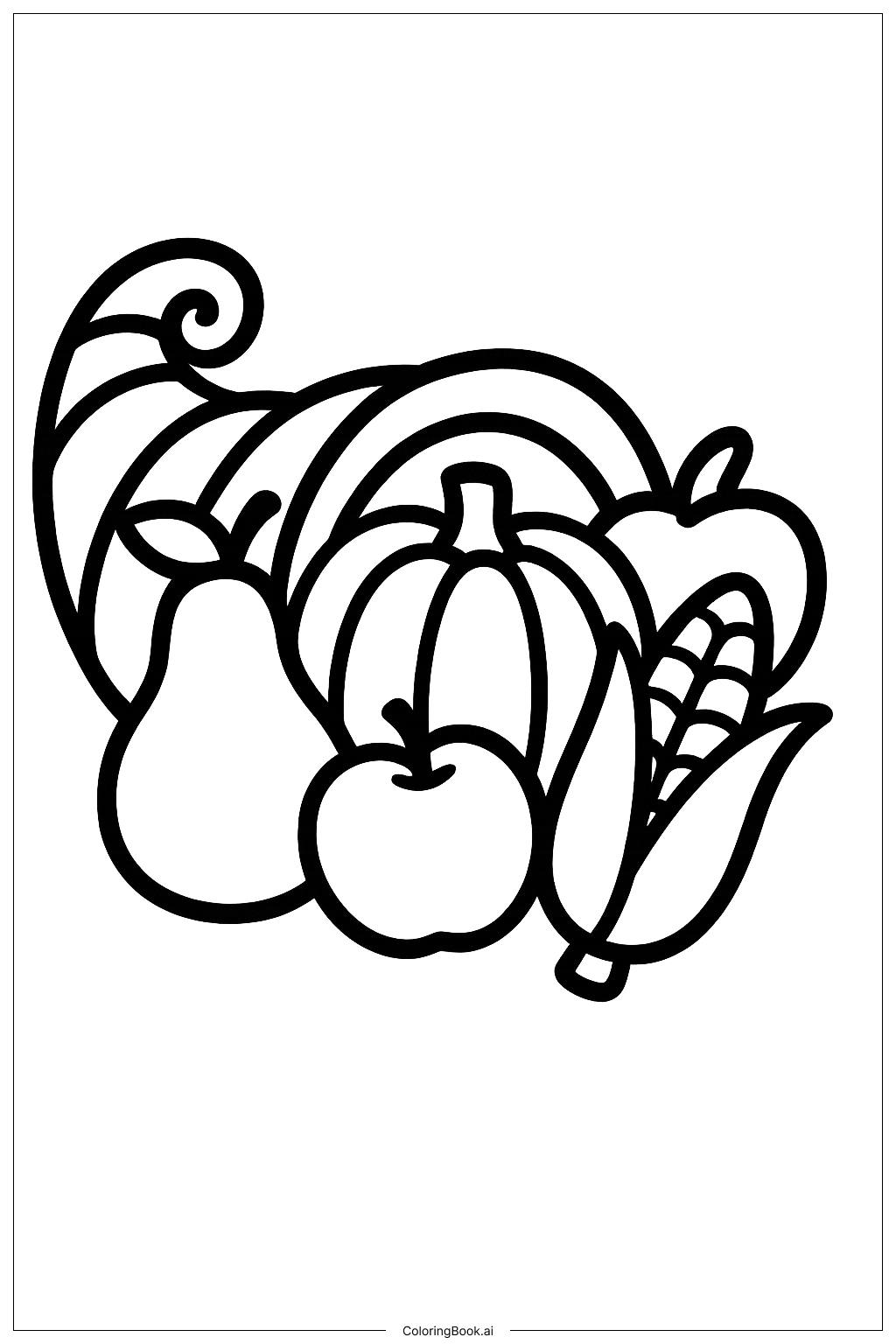
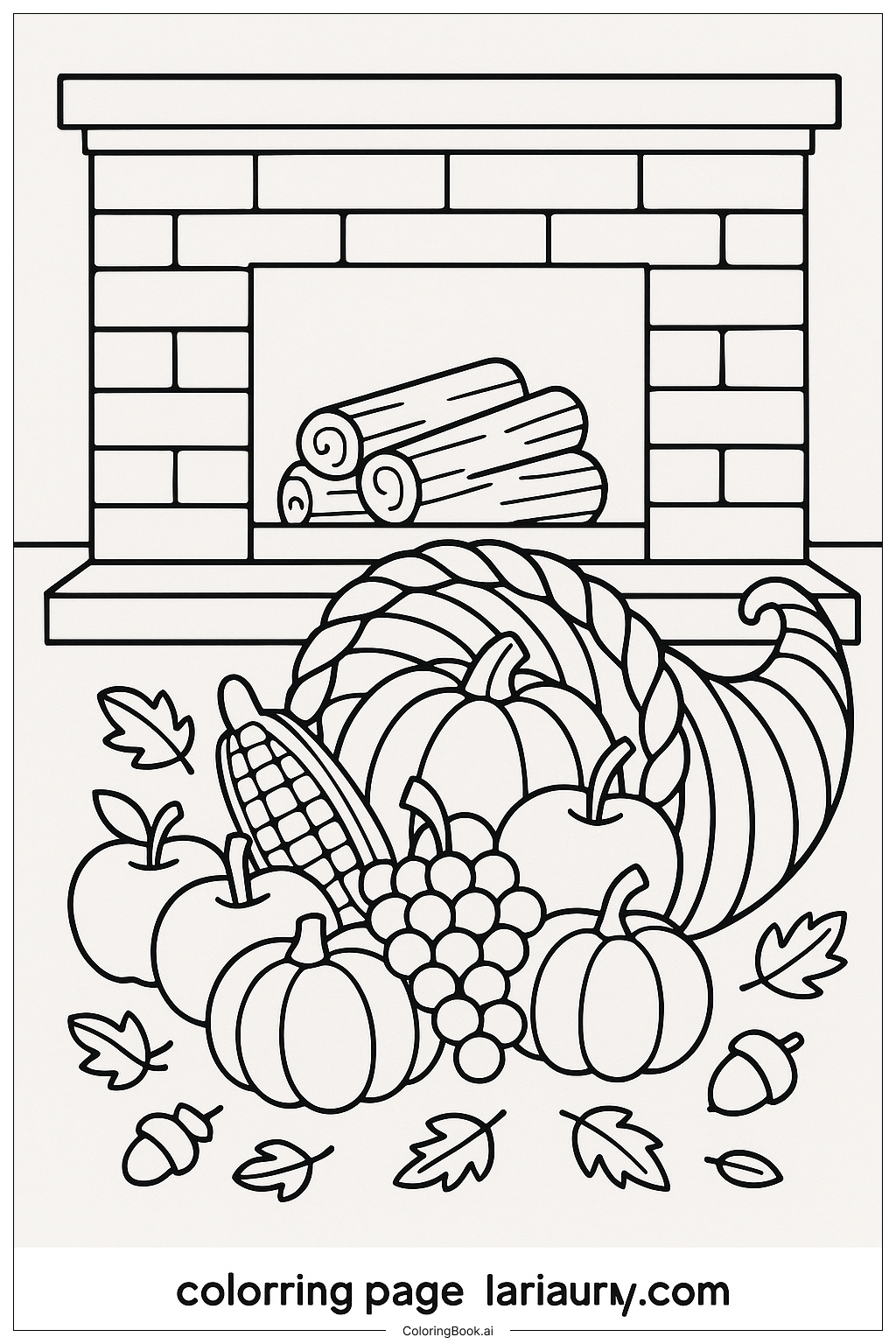
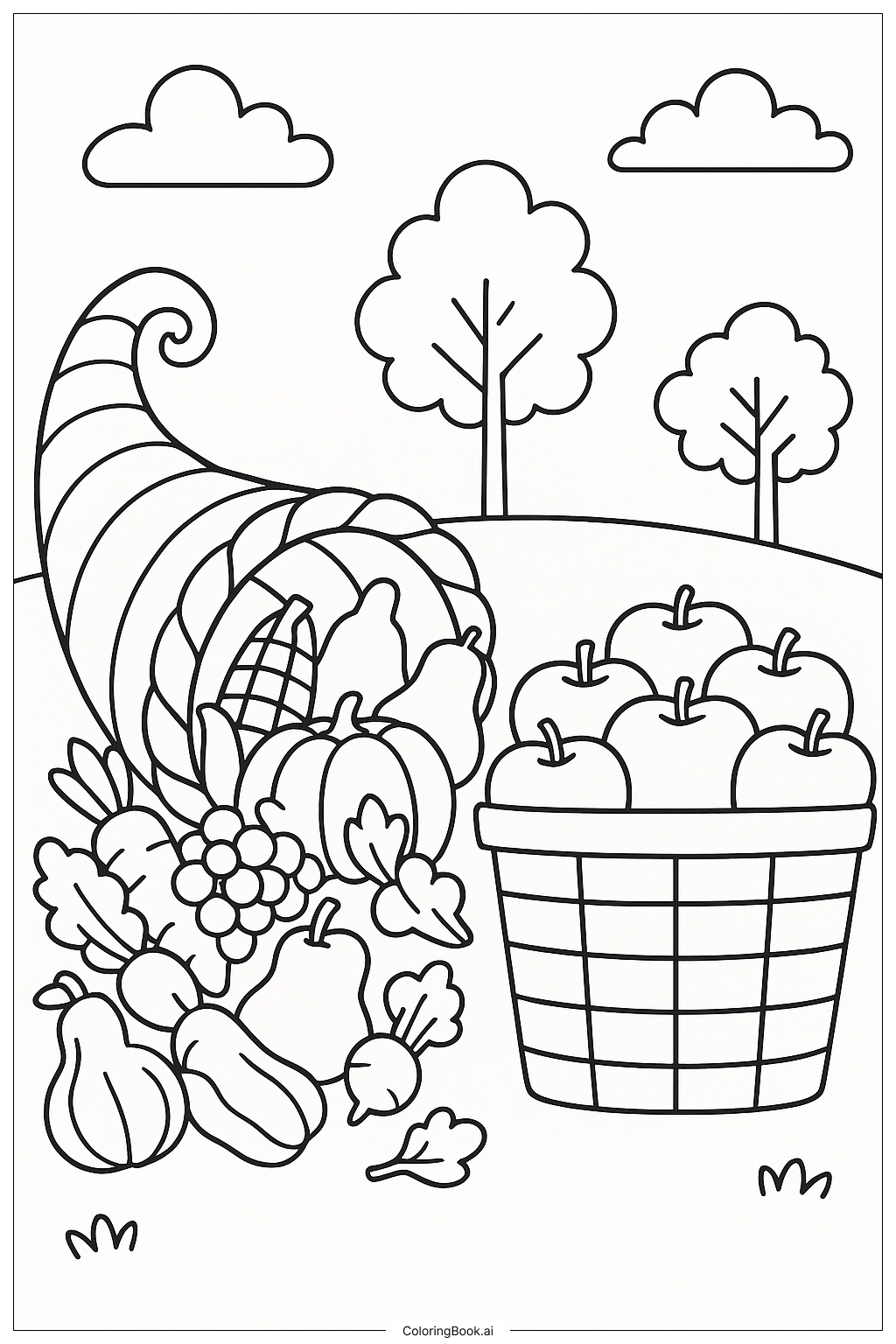
Start with the cornucopia basket itself. Use warm golden browns and tans to show the woven texture of the wicker horn. Add light and dark shading on each woven strip to make it look three-dimensional.
For the vegetables, use bold and natural colors. Color the pumpkins in deep orange with streaks of yellow and brown. Use bright yellow for the corn kernels and soft green for the husks. Give the cabbages layers of green, from pale lime to deep forest green. Color the carrots in vivid orange with feathery bright green tops. Use earthy yellows and greens for the squash.
The leaves and vines can be colored in various shades of green to add variety. Try mixing light green, dark green, and even some yellow-green tones to make the foliage look lush and natural.
Do not be afraid to blend colors. Adding a little brown or darker shade along the edges of vegetables will give them a rounder, more realistic look. This image works beautifully with colored pencils, markers, or crayons.
색칠 도전: Cornucopia With Large Vegetables에서 어떤 부분이 색칠하기 어렵고 주의가 필요한가요?
• Wicker Basket Texture: The cornucopia horn is made up of many interlocking woven strips, each one needing its own shading. Keeping the light and shadow consistent across the entire basket takes patience. You need to decide where your light source is coming from and stay consistent so the basket looks round and three-dimensional rather than flat.
• Layered Vegetable Overlapping: Many vegetables overlap each other as they spill out of the horn. Where one vegetable sits behind another, you need to use slightly darker or cooler shades to push it back visually. If every vegetable is colored the same brightness, the image will look flat and hard to read.
• Detailed Corn Husks and Leaves: The corn cobs come with layered husks and long flowing leaves, all with fine line details inside them. Coloring these thin strips neatly without going over the lines requires a sharp pencil or a fine-tipped marker. Rushing through this area can make it look messy.
• Color Variety Without Clashing: This image has many different vegetables all grouped closely together. Choosing colors that are vibrant and distinct from each other while still looking natural and harmonious is a real challenge. For example, placing an orange pumpkin directly next to orange carrots can make them blend together visually, so slight color adjustments are needed.
• Small Background Foliage: The small leaves and vine tendrils scattered throughout the composition are tiny and tightly packed. Coloring them neatly while using enough shade variation to make them look natural, rather than one flat block of green, requires careful attention and a steady hand.
색칠공부 책의 이점: Cornucopia With Large Vegetables 색칠공부를 그리는 장점
Coloring this Cornucopia With Large Vegetables image offers a wonderful range of benefits for children and adults alike.
For younger children, filling in the big, bold shapes of pumpkins, carrots, and corn helps build hand control and fine motor skills. Staying inside the clear, thick outlines is great practice for building concentration and patience.
For older kids and teens, the challenge of shading the woven basket and layering colors on the vegetables introduces real artistic techniques like depth, contrast, and color mixing. These are skills that carry over into drawing, painting, and other creative work.
For adults, this page offers a calming and focused activity. Working through the many textures and shapes of a harvest scene is a gentle way to reduce stress and quiet a busy mind. The repetitive motion of coloring is known to promote relaxation.
The harvest theme also makes this image a great learning tool. While coloring, children naturally become more familiar with different vegetables and their shapes, supporting early science and nature education.
Finally, completing a detailed image like this builds a real sense of accomplishment. Whether you are four or forty, finishing a page full of rich colors and satisfying detail feels genuinely rewarding.