Coloring tips: How to color Sleeping Kitty coloring page well?
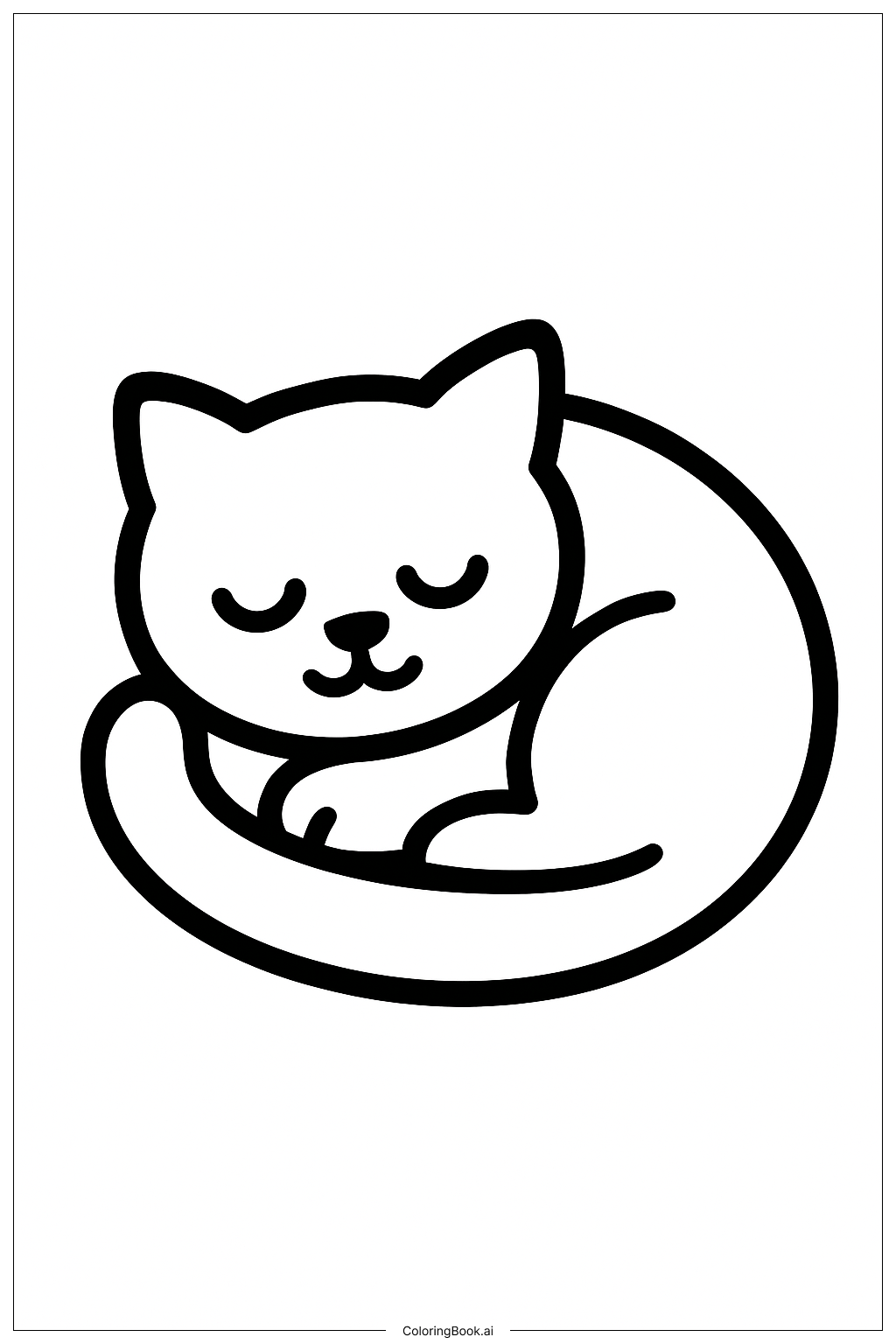
When coloring this image, consider using soft, warm colors to match the peaceful mood. For the Kitty’s fur, light browns, greys, creams, or even subtle oranges would work nicely. You can add shading to show the softness and fluffiness of the fur by blending slightly darker tones along the edges and lighter hues where light might hit most. The paws and nose might be colored a gentle pink or beige. The background can be colored in light pastel shades like soft blues or greens to create a calm and relaxing atmosphere. Little details like the whiskers can be left white to stand out subtly. Try to keep your strokes smooth and gentle to match the Kitty’s sleepy pose.
Coloring challenges: Which parts are difficult to color and need attention for Sleeping Kitty coloring page?
• Fur Texture: Coloring the fur evenly while showing its fluffy texture can be tricky. You need to use strokes that create a soft, natural look without harsh lines or blotches. • Light and Shadow: Showing the light falling on the Kitty’s curves, like its rounded back and paws, can be challenging. You must blend colors carefully to give depth without overdoing contrasts. • Small Details: The Kitty’s whiskers, paws, and facial features are defined by thin lines that require careful coloring to avoid covering them up or making them too dark. • Tail Wrapping: Coloring the curled tail so it looks distinct from the body needs attention to make sure it doesn’t merge too much with the rest of the fur. • Background Simplicity: Since the background is simple, adding color without distracting from the Kitty takes patience to keep it soft and unobtrusive.
Benefits of coloring books: Advantages of drawing Sleeping Kitty coloring page
Coloring this Sleeping Kitty image helps develop fine motor skills as children practice careful strokes on small details like whiskers and paws. It encourages focus and patience because blending soft shadows and highlighting rounded shapes requires attention. The calming subject promotes relaxation and mindfulness, making the coloring experience soothing. Using gentle color choices also helps children explore color blending and shading techniques. This image invites creativity by letting children decide the Kitty’s fur colors and background to set a peaceful mood. Overall, it supports artistic expression, hand-eye coordination, and a sense of calm.