Coloring tips: How to color Kittens Peeking from Box coloring page well?
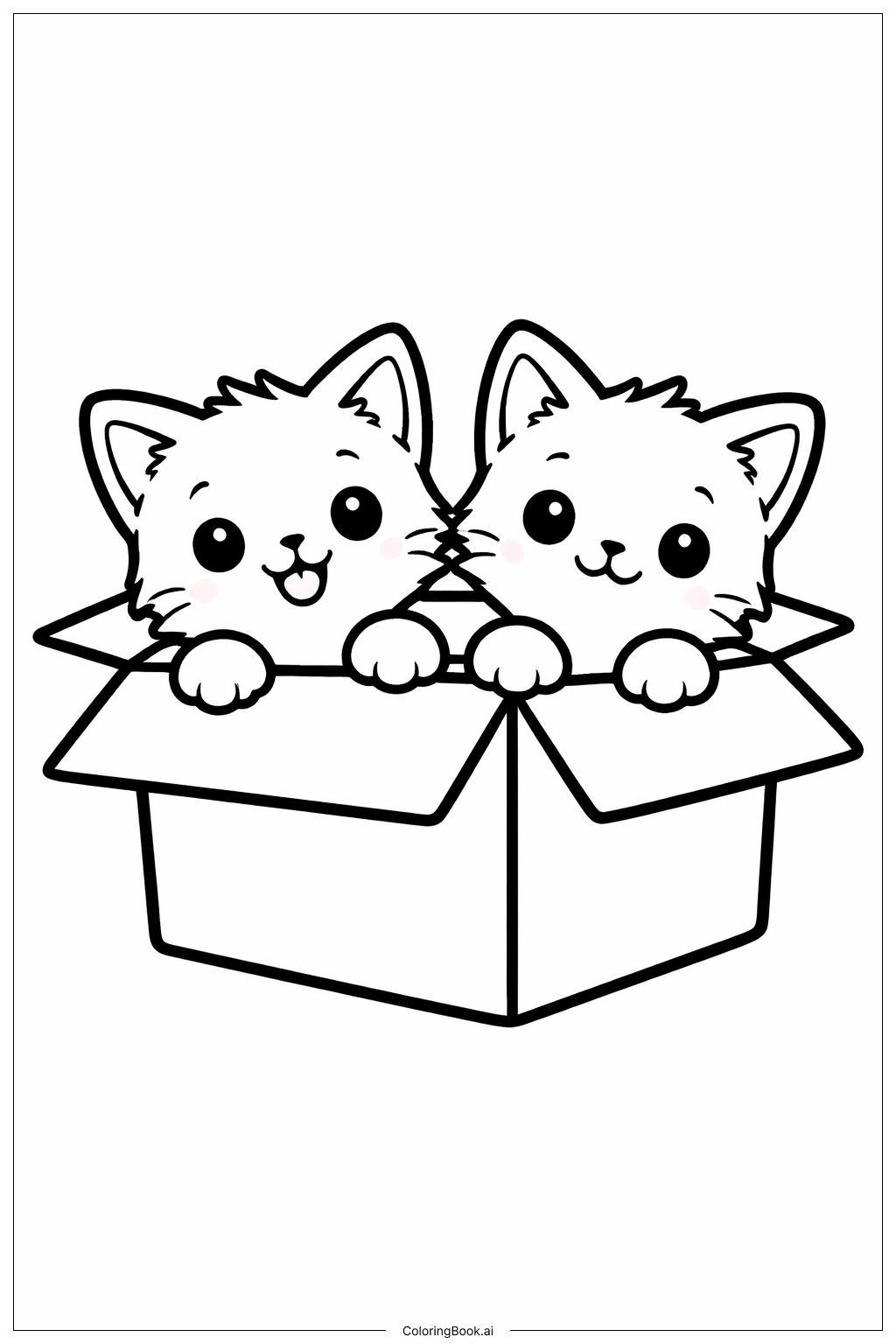
For the kittens, consider using warm colors like orange, brown, gray, or cream for their fur. You could make each kitten a different color to show variety, or use similar tones with different patterns like stripes or patches. Their eyes can be bright green, blue, amber, or gold to make them sparkle with life. Add pink to their tiny noses and inner ears for a realistic touch. The cardboard box offers a great opportunity to practice shading with browns, tans, and ochres. Use darker brown along the creases and edges to create depth, and lighter shades on the flat surfaces. You might add slight shadows inside the box to show dimension. The background can remain simple or be filled with soft pastel colors to make the kittens stand out as the focal point of your artwork.
Coloring challenges: Which parts are difficult to color and need attention for Kittens Peeking from Box coloring page?
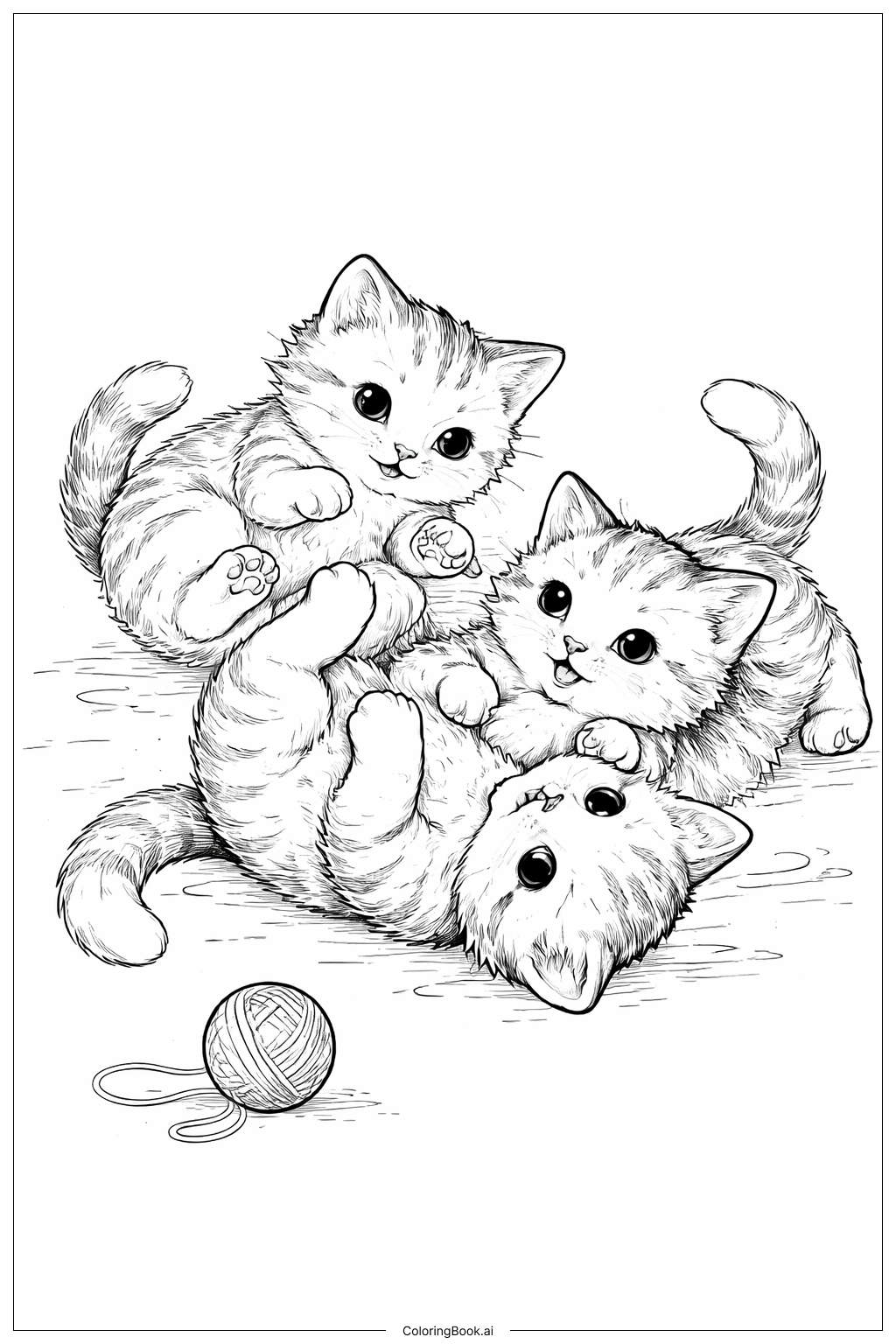
• Fur Texture and Detail: The kittens feature intricate fur lines and whiskers that require careful coloring to maintain their soft, fluffy appearance. Young colorists may find it challenging to color within these fine details without crossing lines. Using light pressure with colored pencils or fine-tipped markers can help preserve the delicate texture. Consider using multiple shades of the same color family to create realistic fur depth and dimension.
• Multiple Subjects and Color Coordination: With three separate kittens in the image, deciding on a color scheme that makes each kitten distinct yet harmonious can be challenging. Children may struggle with color planning and coordination across multiple subjects. It helps to sketch out or plan your color choices before starting, perhaps making one kitten tabby-striped, another solid-colored, and the third with patches or spots.
• Box Structure and Shading: The cardboard box has various panels, flaps, and fold lines that need different shading techniques to appear three-dimensional. Understanding where to place darker and lighter browns to show depth requires spatial awareness. The corners and creases of the box should be darker, while flat surfaces remain lighter. This shading complexity may be difficult for younger children but offers excellent practice for developing artistic skills.
• Small Facial Features: The kittens' eyes, noses, and mouths are relatively small areas that require precision coloring. Staying within these tiny spaces while trying to add detail and expression can be frustrating for children with developing fine motor skills. Using sharp pencils or fine markers and working slowly can help achieve better results in these delicate areas.
Benefits of coloring books: Advantages of drawing Kittens Peeking from Box coloring page
Coloring this heartwarming kitten scene offers wonderful benefits for children. It helps develop fine motor skills and hand-eye coordination as they carefully color within the detailed fur lines and small facial features. The multiple kittens encourage color planning and decision-making skills as children choose complementary or contrasting colors for each cat. Working on the box's three-dimensional structure teaches basic concepts of light, shadow, and depth, building spatial awareness. The adorable subject matter keeps children engaged and motivated to complete the page carefully. This coloring page also provides a calming, focused activity that can reduce stress and anxiety while building patience and concentration. The sense of accomplishment from finishing such a detailed image boosts confidence and self-esteem, especially when children see their creative color choices bring these sweet kittens to life.