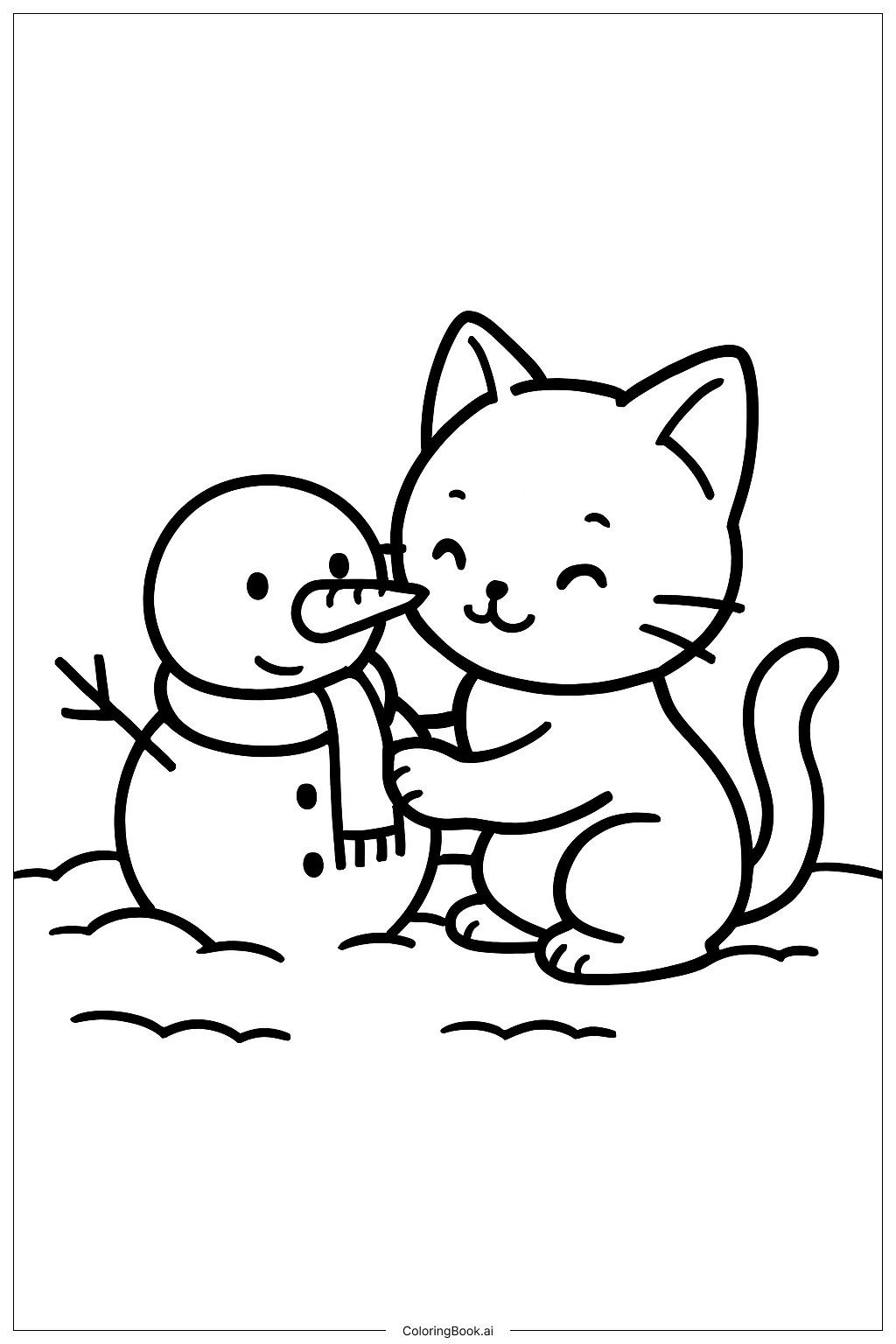
Coloring tips: How to color Kittens in Garden coloring page well?
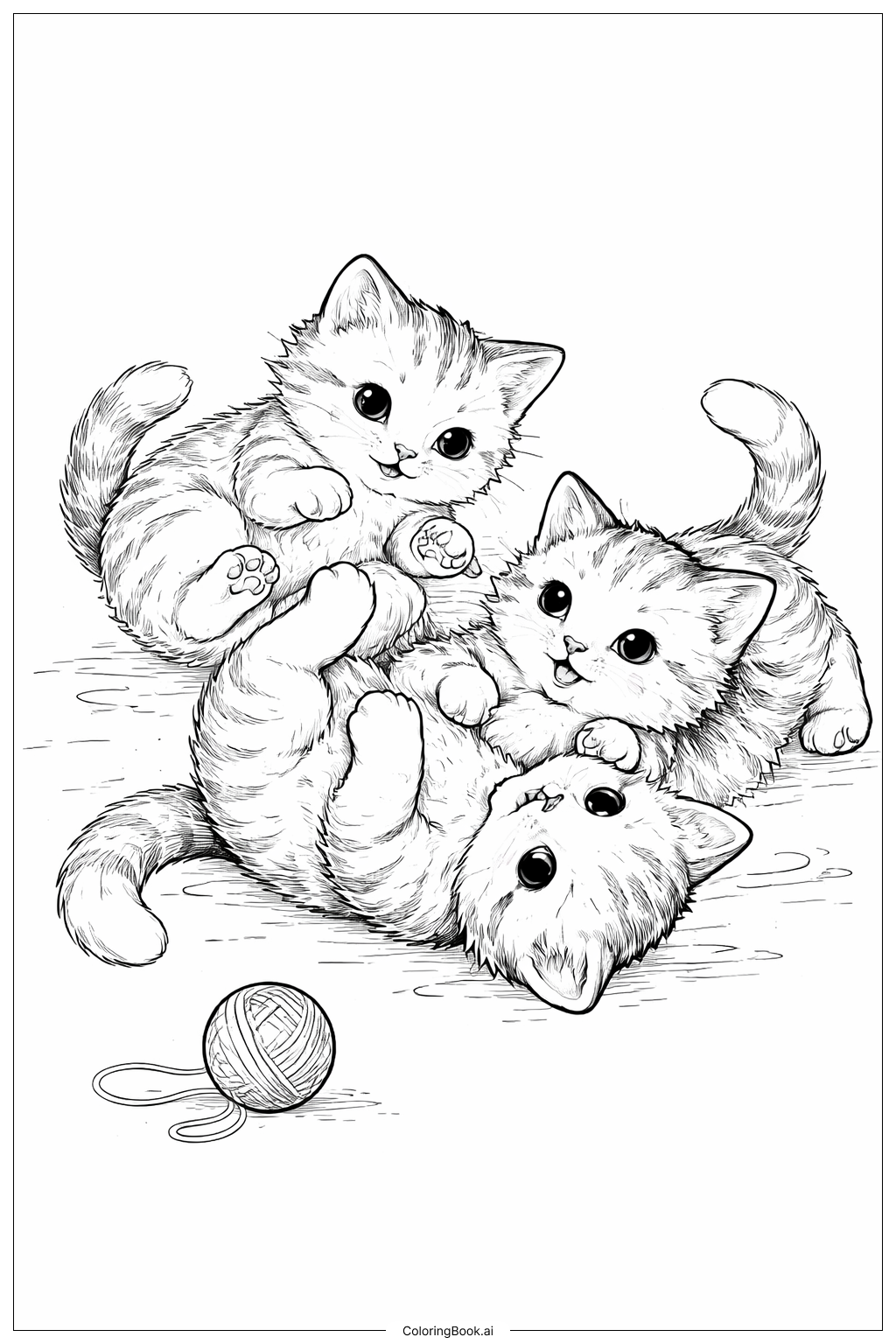
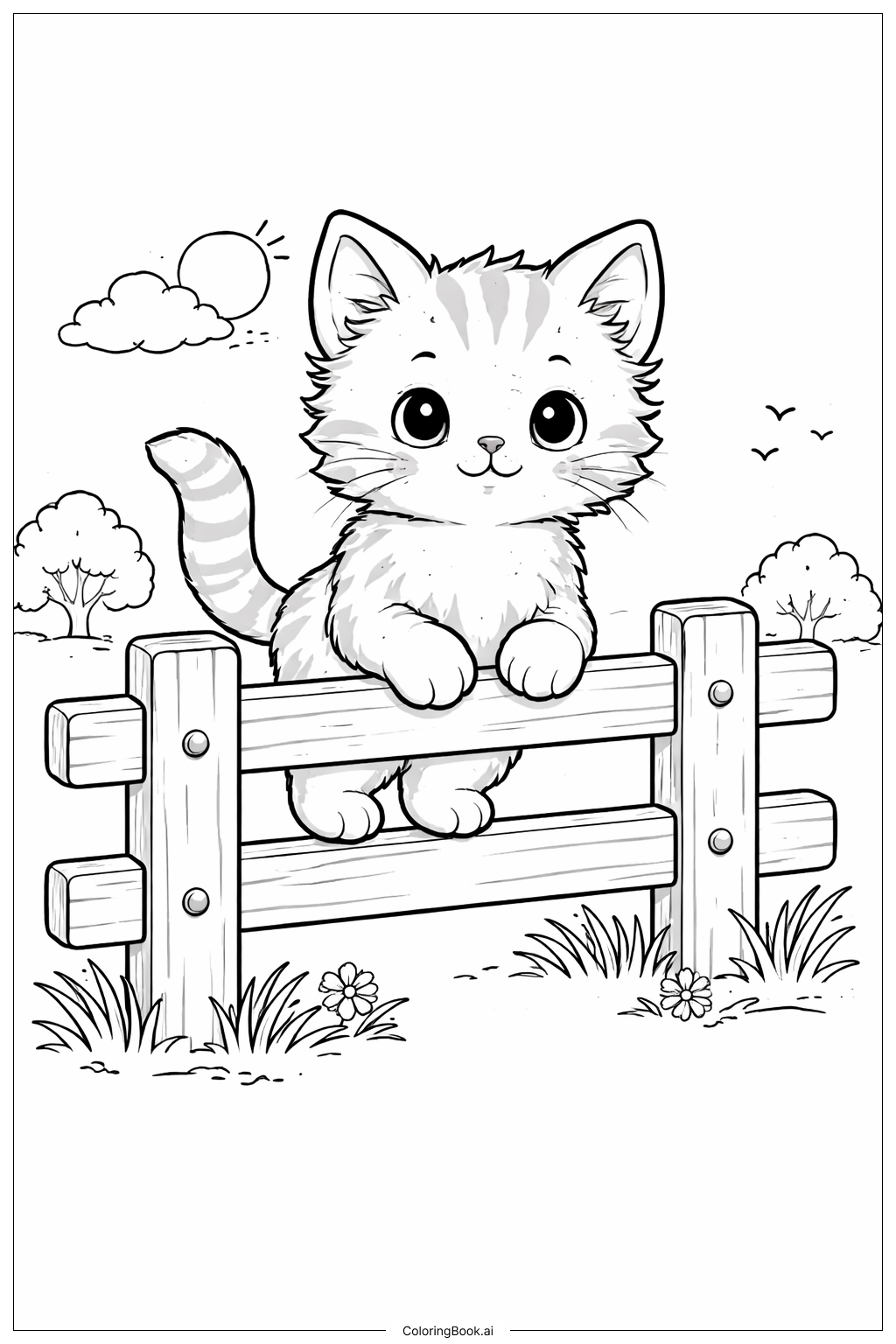
Start with the kittens by choosing warm colors like orange, gray, brown, or cream for their fur. You can make them tabby cats with stripes, solid-colored, or even give them patches. Use pink for their noses and inner ears, and select bright colors like green, blue, or amber for their eyes. For the garden flowers, let your imagination run wild with vibrant pinks, purples, yellows, reds, and oranges. Make each flower different to create a rainbow effect. Color the leaves in various shades of green, mixing light and dark tones for depth. Consider using yellow-green for new growth and deeper forest green for mature leaves. The flower centers can be yellow, brown, or orange. Add light blue or soft purple touches to the background to suggest sky peeking through the foliage, creating a dreamy garden atmosphere.
Coloring challenges: Which parts are difficult to color and need attention for Kittens in Garden coloring page?
• Kitten Fur Texture: The kittens have detailed fur lines that require careful coloring to maintain their fluffy appearance. Young colorists may find it challenging to color within these small, curved lines without crossing over. Using light pressure and short strokes in the direction of fur growth will help create a realistic effect, but this requires patience and fine motor control.
• Multiple Overlapping Flowers: The garden contains numerous flowers with overlapping petals and layered elements. Keeping track of which petal belongs to which flower can be confusing, especially where flowers overlap. Children should work slowly, completing one flower at a time, and may benefit from using different color families for adjacent flowers to maintain clear visual separation.
• Small Detailed Areas: The kitten faces feature tiny spaces around the eyes, nose, and mouth that require precision coloring. The flower centers and small leaves also present intricate areas where larger crayons or markers might cover too much space. Younger children may need to use fine-tipped coloring tools like colored pencils or thin markers for these detailed sections.
• Background and Foreground Balance: Distinguishing between foreground kittens and background garden elements requires planning. Colorists should decide on a color scheme that makes the kittens stand out while keeping the garden complementary. This involves understanding color contrast and may challenge children who are still developing their color coordination skills.
Benefits of coloring books: Advantages of drawing Kittens in Garden coloring page
Coloring this kitten garden scene offers wonderful developmental benefits for children. It helps improve fine motor skills and hand-eye coordination as they carefully color within the detailed lines of fur and petals. The image encourages focus and concentration, as completing the intricate flowers and kitten features requires sustained attention. Children can express creativity by choosing their own color combinations for the kittens and flowers, developing their artistic confidence and decision-making abilities. The peaceful garden theme promotes relaxation and stress relief, providing a calming activity that can help children unwind. Working with multiple elements teaches organizational skills as they decide which areas to color first. The adorable kittens create an emotional connection that makes the activity more engaging and enjoyable, while the nature theme can spark interest in animals and gardens, encouraging outdoor exploration and appreciation for the natural world.