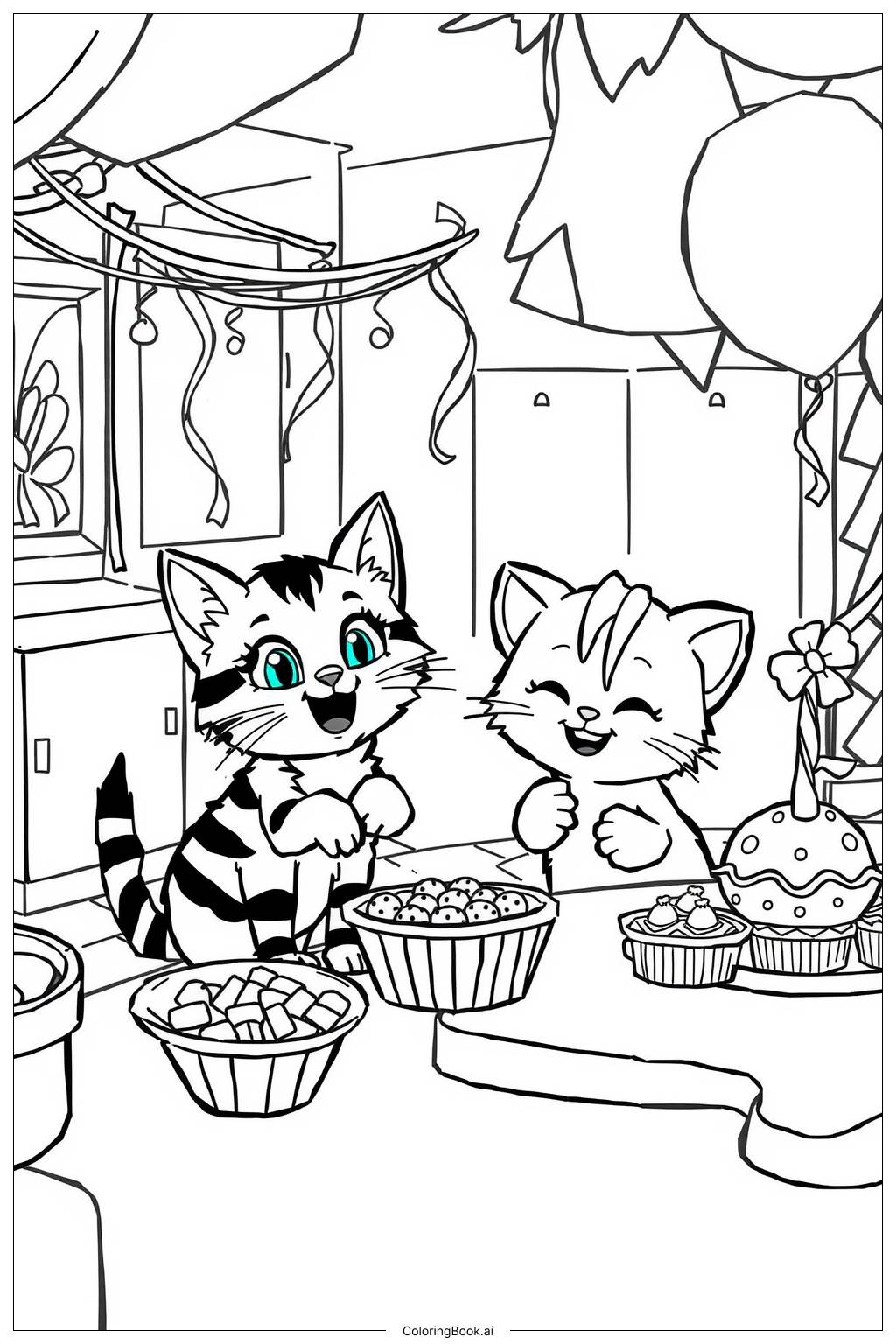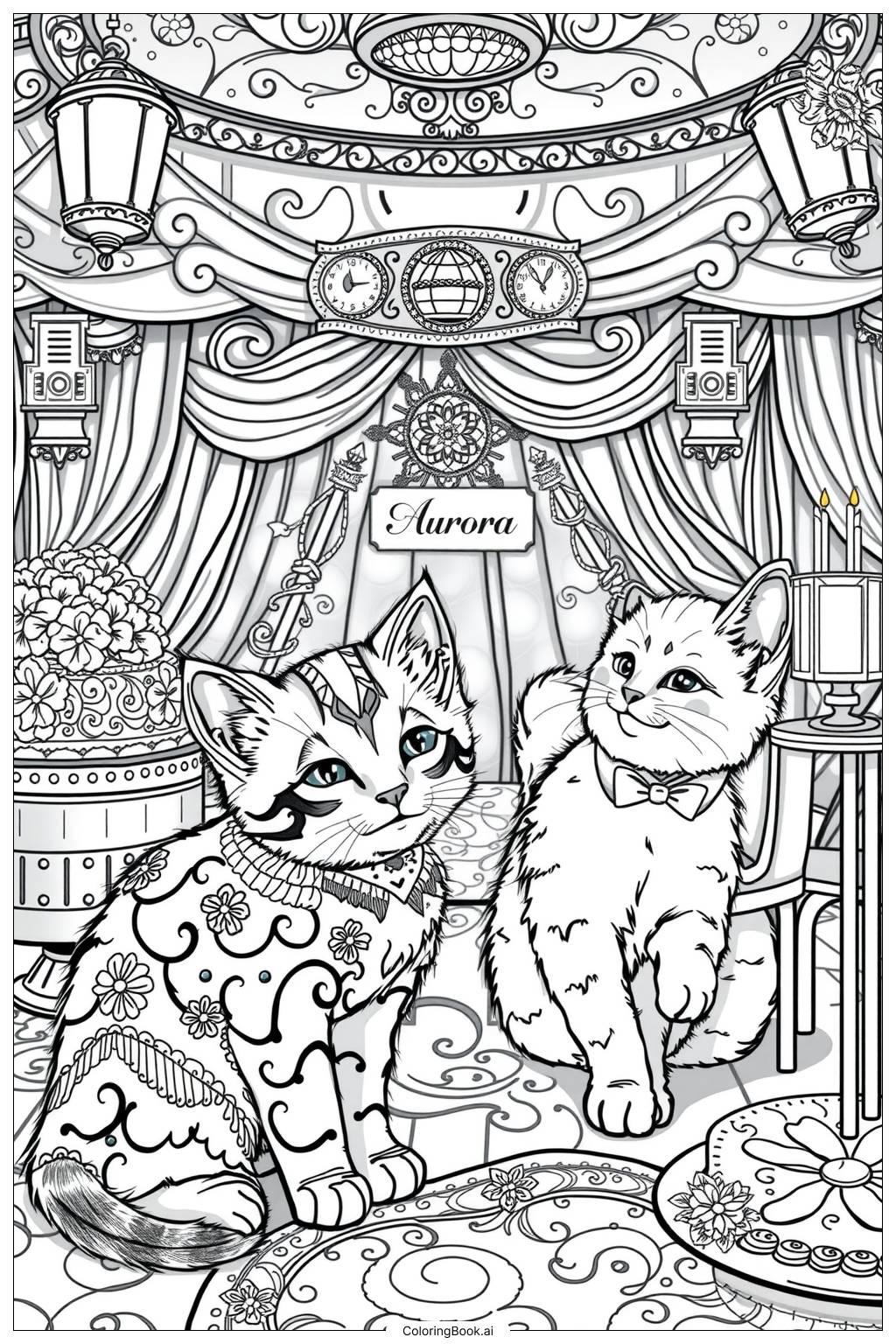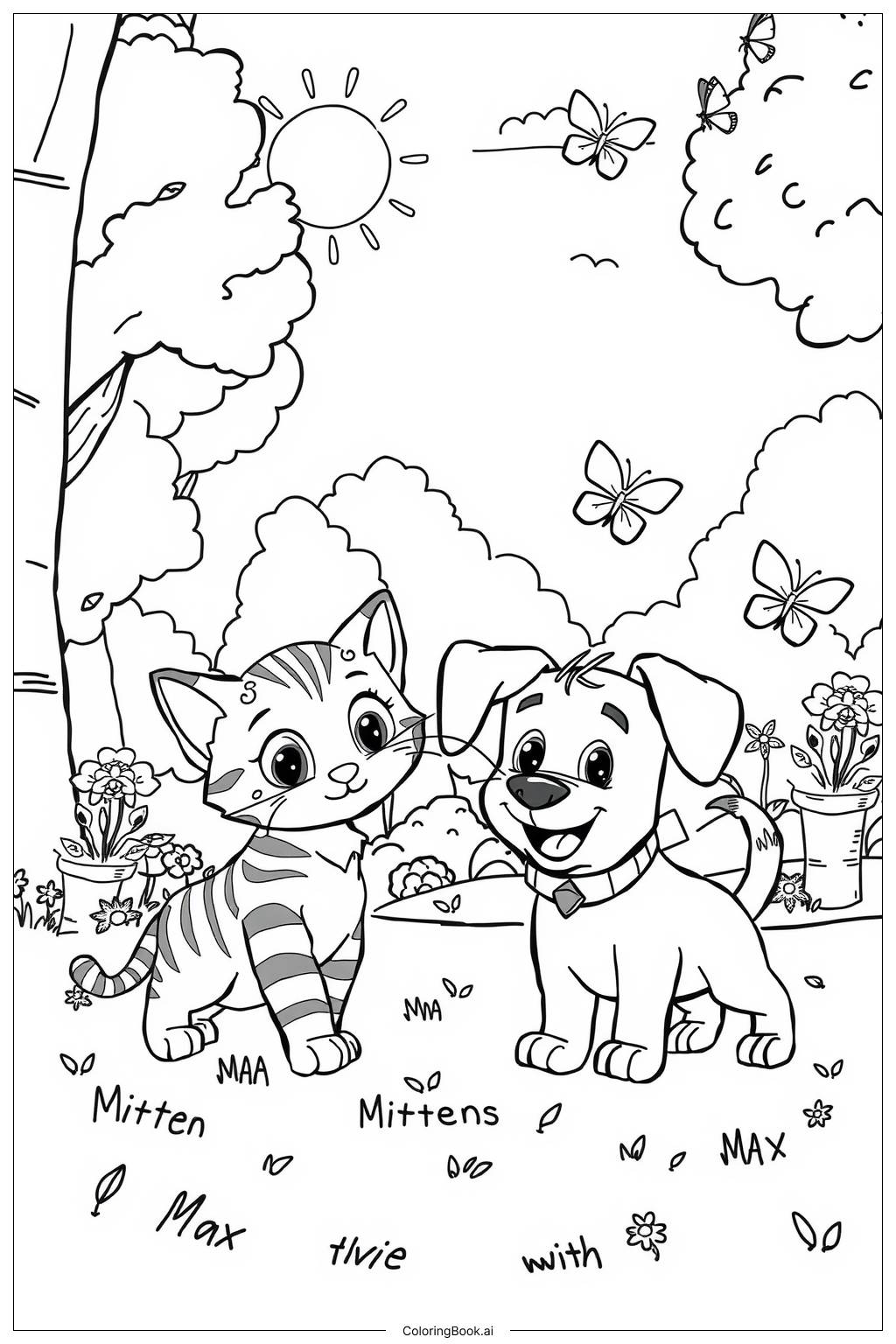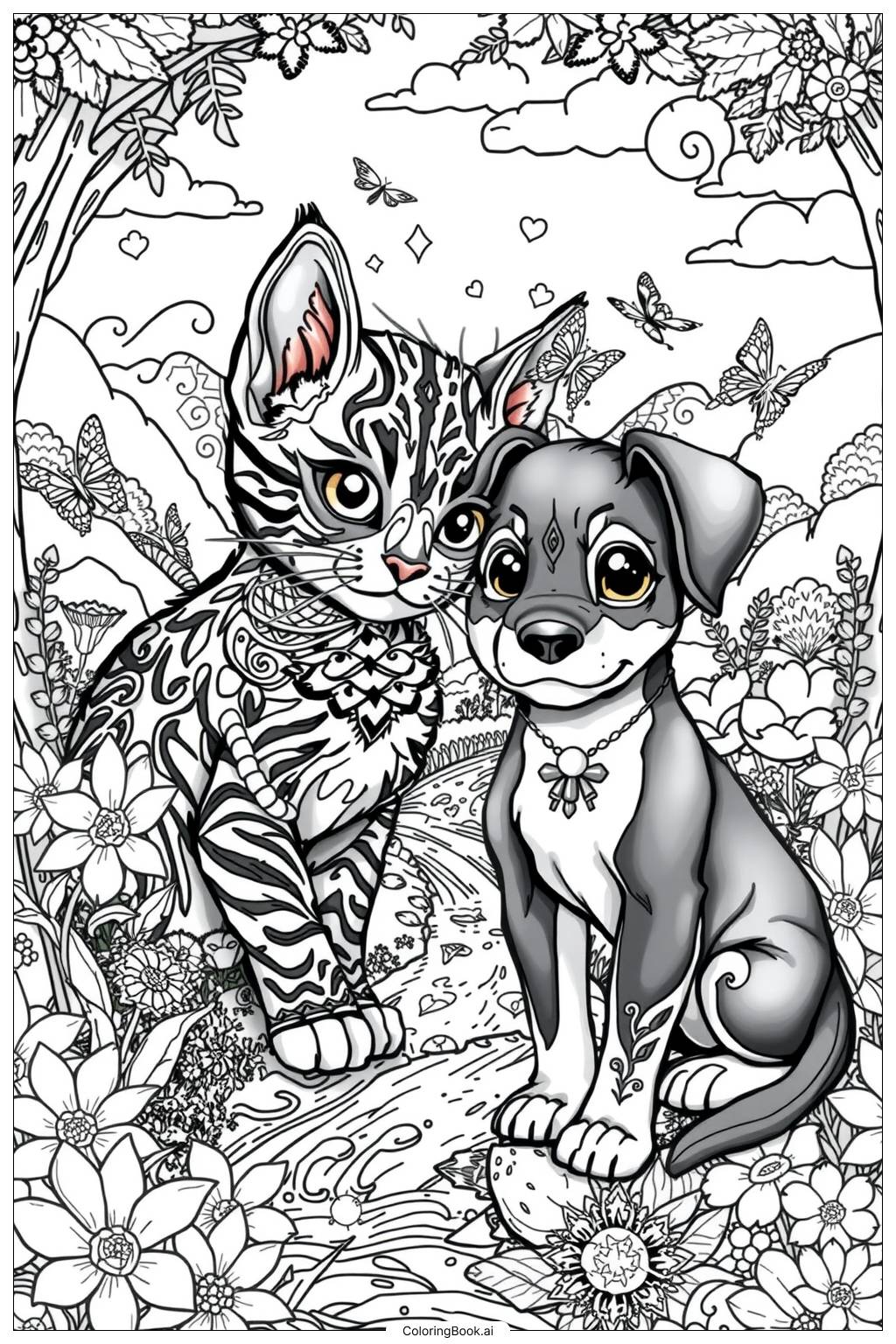
Coloring tips: How to color Kitten's First Visit to the Vet coloring page well?
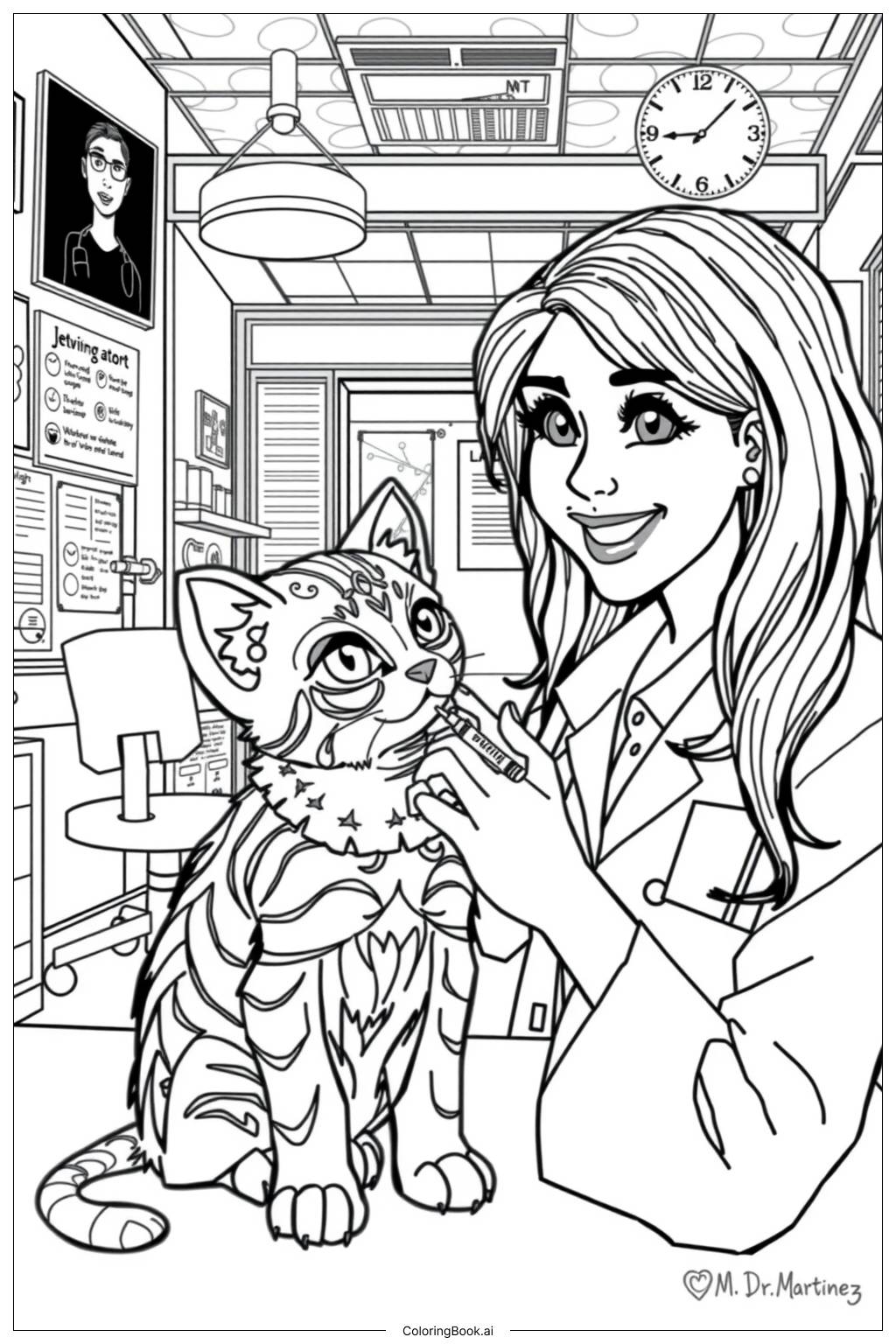
Start with the kitten's fur. Light orange, cream, gray, or classic tabby stripes all work well. Use a slightly darker shade along the edges to give the fur depth and softness. Color the kitten's eyes a bright green or golden yellow to make them pop. For the veterinarian, use a clean white coat with light blue or green scrubs underneath. Skin tones can be any warm shade you like. Color the stethoscope silver or dark gray. The examination table looks great in light gray or pale blue. Use soft, warm colors for the background — a gentle yellow or light green for the walls adds a friendly, calming feel. Add small pops of color to the clipboard, treats, and plant to bring the whole scene to life. Take your time with the kitten's fur — short, gentle strokes work best to show the texture.
Coloring challenges: Which parts are difficult to color and need attention for Kitten's First Visit to the Vet coloring page?
• Kitten Fur Texture: The kitten's fluffy coat has many fine lines suggesting individual strands of fur. Staying within these tiny lines requires a sharp colored pencil or a fine-tipped marker. Blending two or three close shades will make the fur look soft and real instead of flat. This is one of the trickiest parts of the page.
• Small Facial Details: The kitten's face has very small features — tiny eyes, a little nose, and delicate whiskers. These areas are easy to color outside of by accident. Use a very fine pencil tip and work slowly. Leaving the whiskers uncolored (white paper) is a great trick to keep them looking clean and sharp.
• Overlapping Objects: The veterinarian's hands, the stethoscope, and the kitten's body overlap in several places. Each item needs its own color, and keeping those colors from bleeding into each other takes patience. Color one section fully before moving to the one next to it.
• Background Depth: The room in the background has a counter, a window, a plant, and wall space all close together. Choosing colors that are different enough from each other helps each object stand out. Using lighter shades in the back and slightly darker ones in the front creates a sense of depth.
• White Coat Details: The veterinarian's white coat can be tricky because pure white does not show up well. Adding very light gray or pale blue shading along the folds and edges helps define the fabric without losing the bright, clean look of the coat.
Benefits of coloring books: Advantages of drawing Kitten's First Visit to the Vet coloring page
Coloring this page offers a range of wonderful benefits for children. First, it helps kids feel more comfortable about visiting the vet or the doctor. Seeing a friendly, caring veterinarian and a calm little kitten sends a positive and reassuring message. Second, working on the fine details of the kitten's fur, the tiny facial features, and the small medical tools builds fine motor skills and helps develop hand-eye coordination. These are important skills for writing and everyday tasks. Third, choosing colors and deciding how to bring the scene to life encourages creative thinking and self-expression. Kids get to make their own choices and feel proud of the results. Fourth, focusing on coloring helps children practice patience and concentration. Staying within the lines and blending colors carefully trains the mind to slow down and pay attention. Finally, this page can be a great conversation starter. Parents and children can talk about animals, what vets do, and why it is important to take care of pets. It turns a fun creative activity into a meaningful learning moment too.