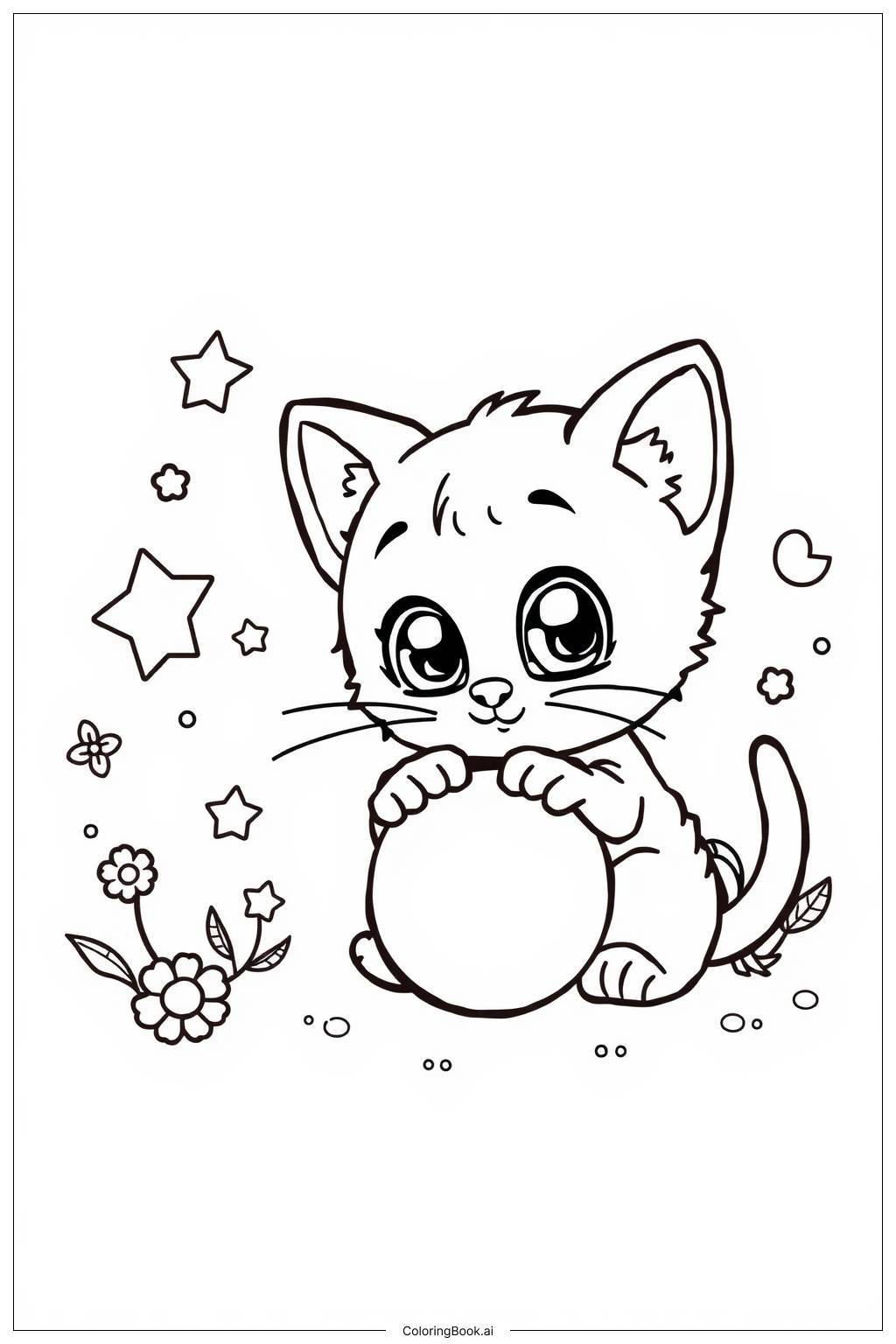
Coloring tips: How to color Easy Cute Kitten Sleeping coloring page well?
Start with the kitten's body using soft, warm shades. Light orange, creamy yellow, or gentle gray work beautifully for the fur. You can add a second, slightly darker tone to show depth and fluffiness. Use short, feathery strokes to mimic the look of real fur. Color the nose with a tiny touch of pink. The inner ears can also be a soft pink or peachy tone. For the paws, use the same base fur color but add a slightly lighter shade on the tips. Keep the background simple — try a pale lavender, baby blue, or soft mint to give the sleeping kitten a dreamy, restful feel. If you want to add extra charm, you could color a small pillow or blanket beneath the kitten using pastel tones. Avoid dark or bold colors, as they may overpower the gentle mood of this sweet scene. Light and soft is the way to go!
Coloring challenges: Which parts are difficult to color and need attention for Easy Cute Kitten Sleeping coloring page?
• Fur Texture Details: The kitten's fur has many small lines and curves showing its fluffy coat. Staying within these tiny lines can be tricky, especially for younger colorists. Take your time and use a sharpened pencil or a fine-tipped marker to carefully follow each line without going outside the edges.
• Blending Fur Colors: To make the fur look soft and realistic, you need to blend two or more shades smoothly. This can be challenging if you press too hard with your coloring tool. Try using light pressure first, then slowly build up color in layers for a natural gradient effect.
• Small Facial Features: The kitten's face has very small details — tiny closed eyes, a little nose, and delicate whiskers. These areas are closely spaced and easy to accidentally smudge or color over. Use the tip of your coloring tool and work slowly in this area to keep each feature clean and distinct.
• Maintaining a Soft Mood: This image has a calm, dreamy feeling. Choosing colors that are too bright or too dark can clash with that peaceful mood. Picking the right soft, pastel tones and applying them evenly takes practice and a steady hand.
• Paw and Tail Edges: The rounded shapes of the paws and the curled tail have smooth curved edges. Coloring neatly along these curves without jagged lines requires patience and good control of your coloring tool, particularly with crayons or thick markers.
Benefits of coloring books: Advantages of drawing Easy Cute Kitten Sleeping coloring page
Coloring this sweet sleeping kitten page brings many wonderful benefits for kids and beginners alike. First, it helps build fine motor skills. Carefully coloring within the small fur lines and tiny facial features trains the hand muscles and improves pencil control. Second, it encourages focus and patience. Because this image has gentle details that require attention, kids learn to slow down, concentrate, and work carefully — skills that carry over into school and daily life. Third, it sparks creativity. Choosing colors for the kitten's fur, nose, and background lets young colorists express their imagination freely. There is no single right answer, and that freedom builds confidence. Fourth, coloring has a calming effect. The peaceful subject matter — a kitten quietly sleeping — naturally creates a soothing atmosphere while coloring. It is a great activity before bedtime or during quiet time. Fifth, it introduces basic art concepts like shading and color blending in a fun, low-pressure way. Overall, this page is a joyful and rewarding experience for colorists of all ages.