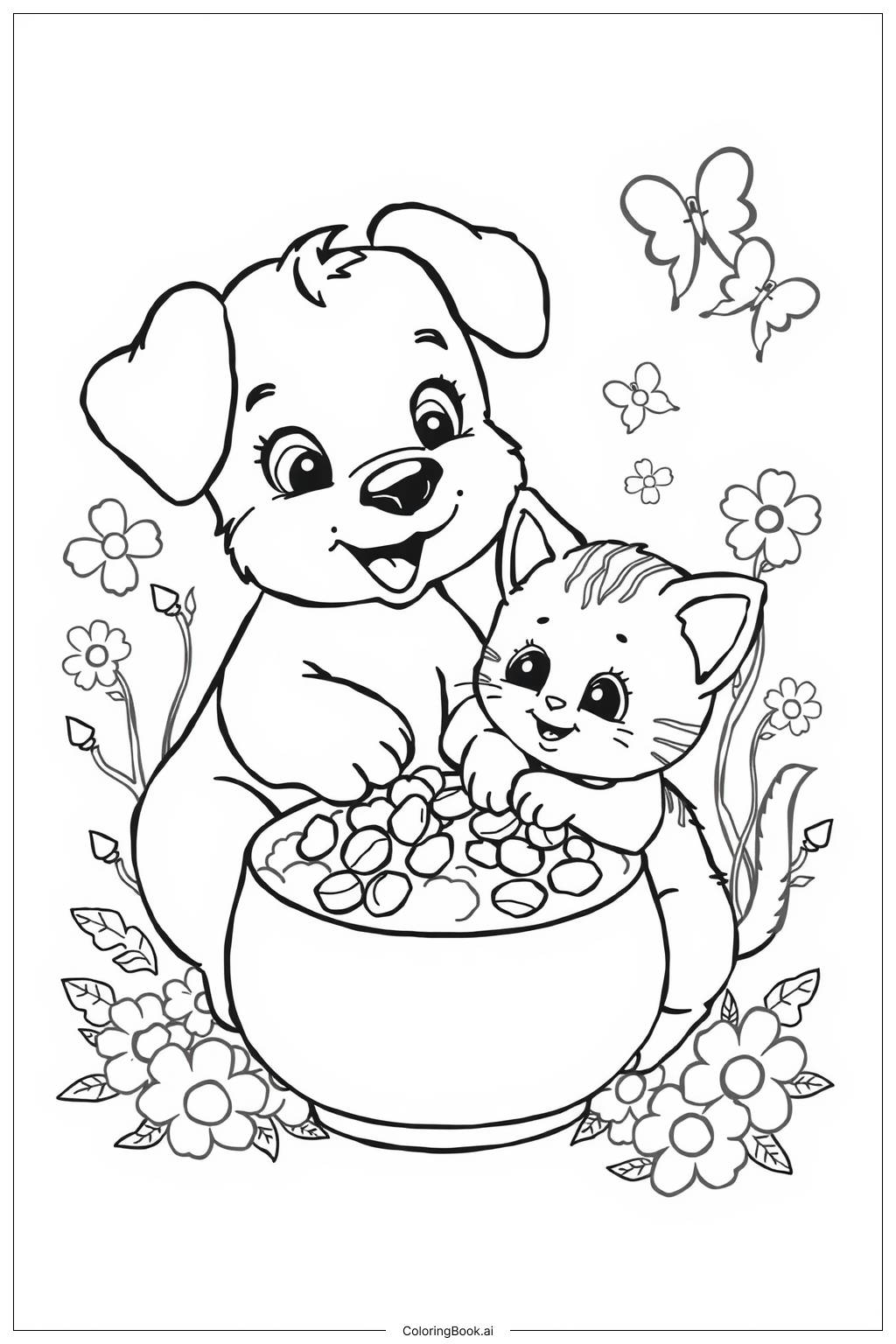
Coloring tips: How to color Cute Puppy and Kitten Sharing Food coloring page well?
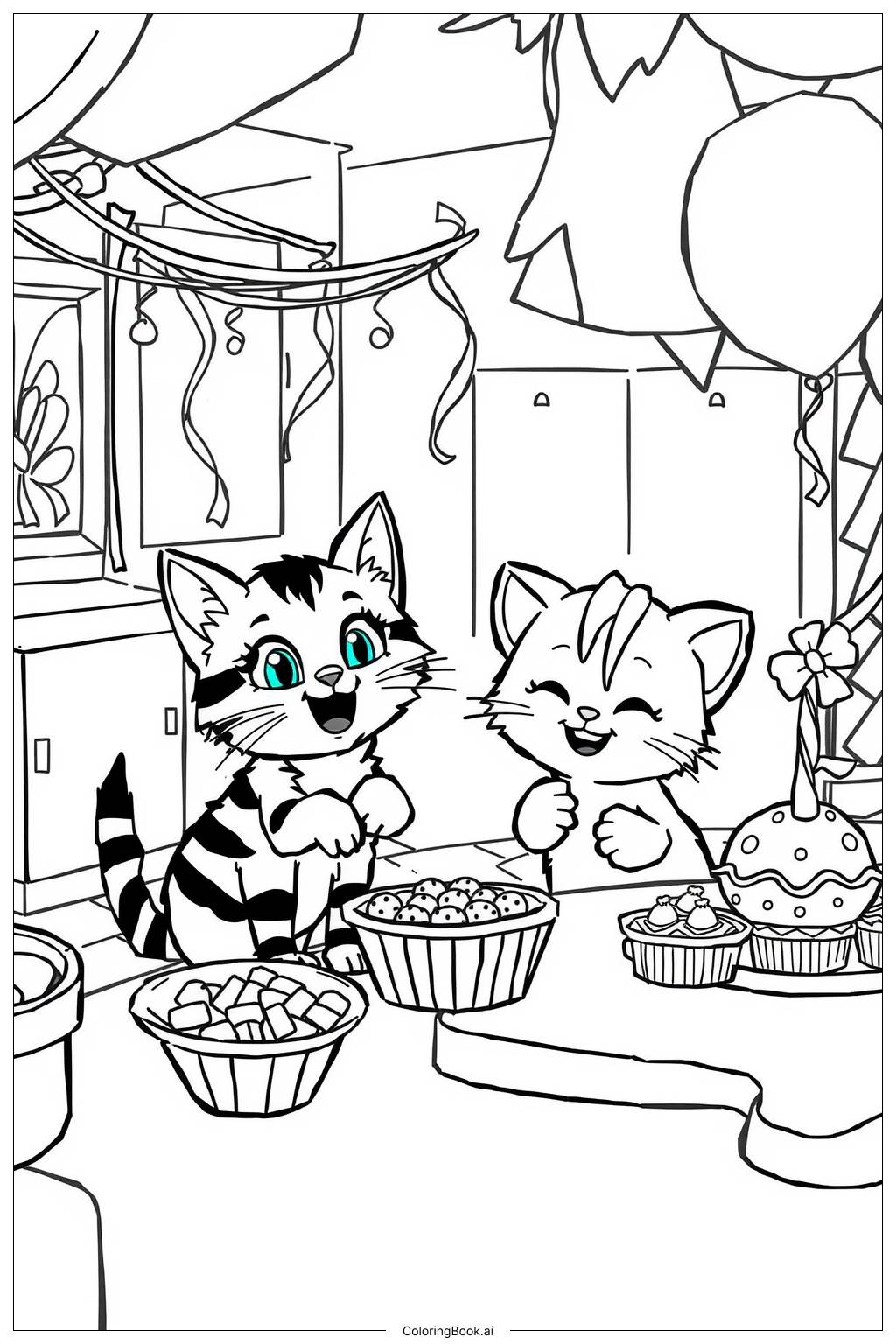
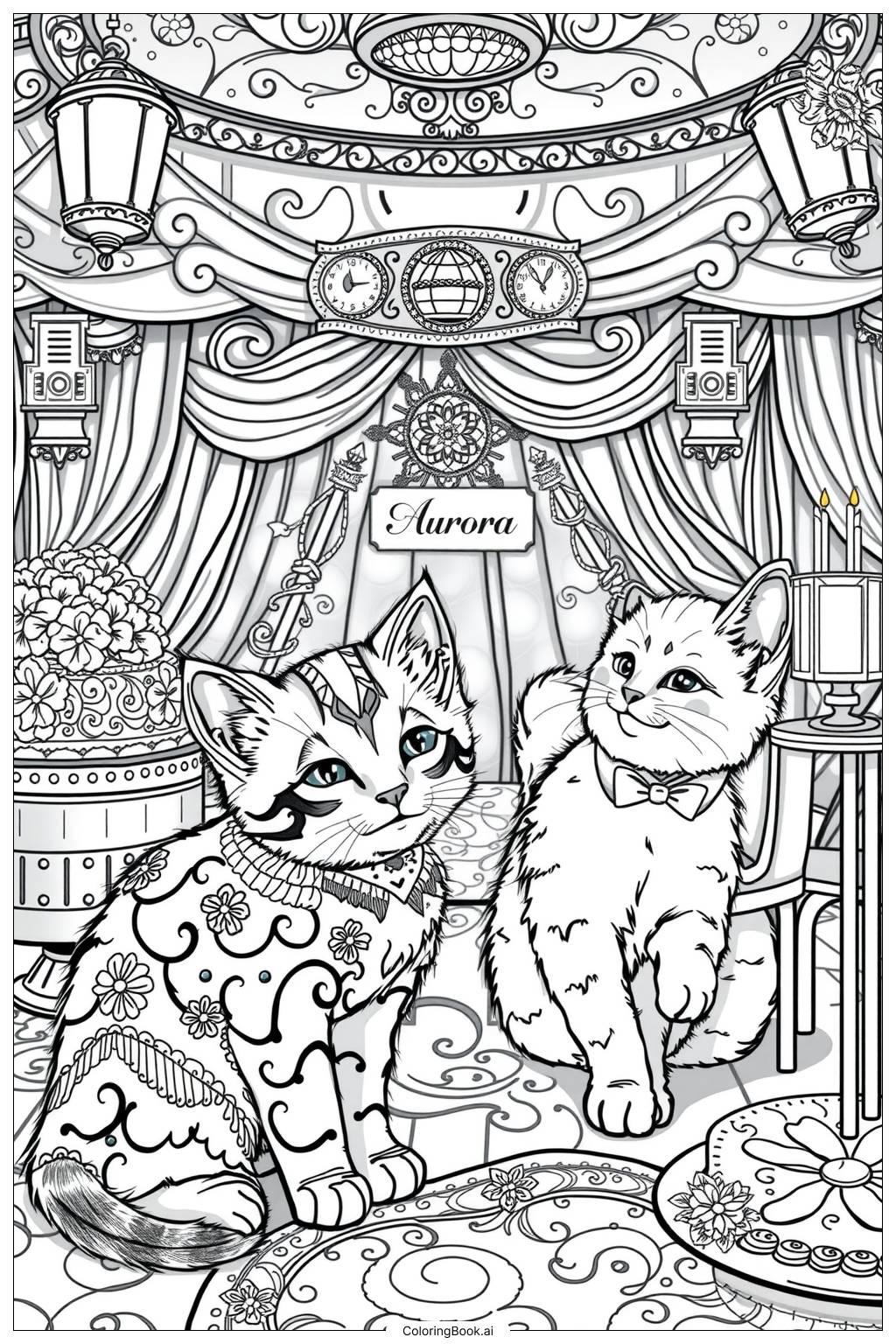
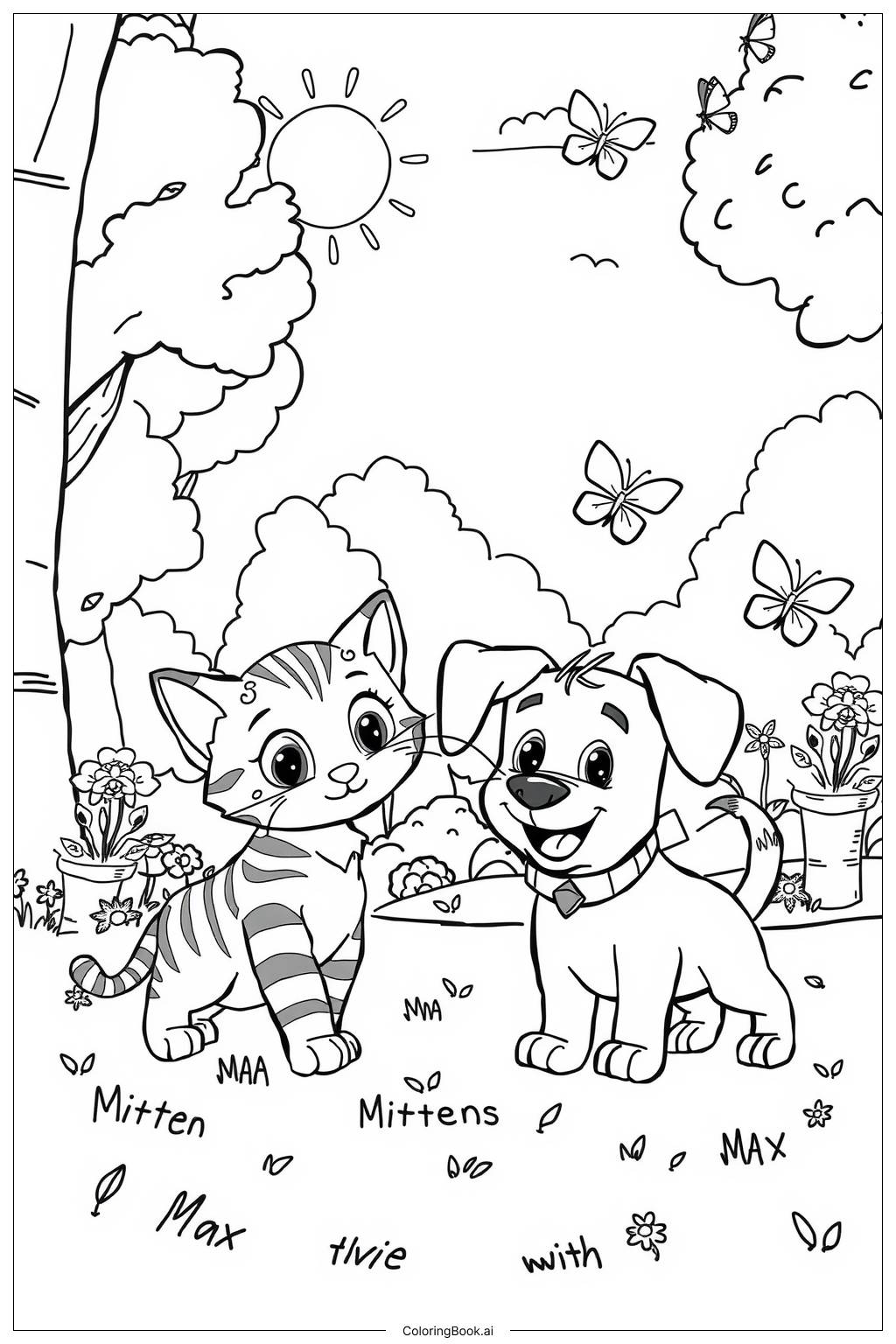
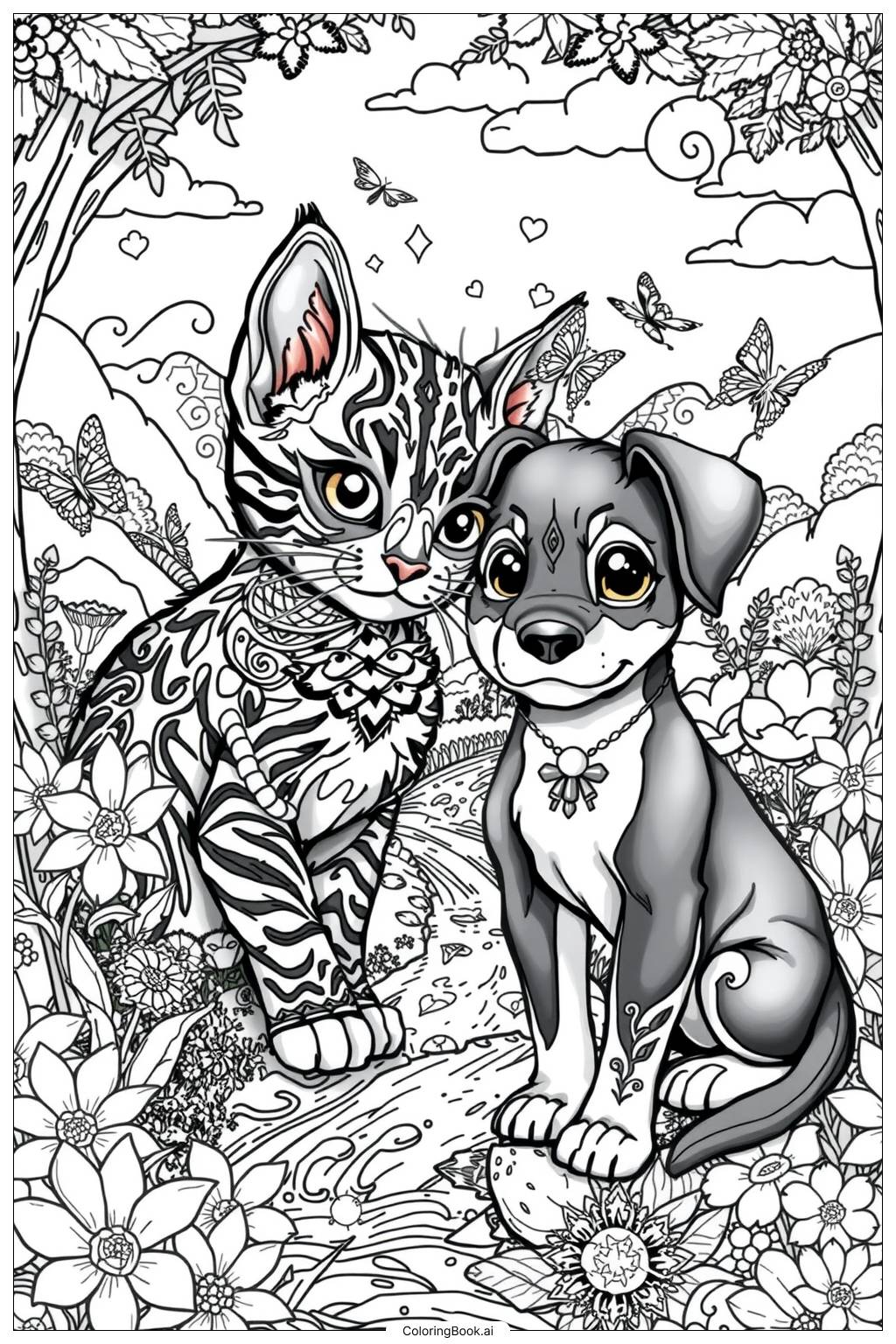
Start with the lightest colors and work your way to the darker shades. For the puppy, try warm golden yellows or soft browns to give it a cozy, fluffy look. You can use cream or white for its belly area. For the kitten, soft gray, orange, or tan tones work beautifully. Try adding stripes or spots to make the kitten look more realistic or playful. Use a cheerful color like red or blue for the food bowl to make it pop. The food inside can be brown or orange. Add a soft green or light blue background to make the animals stand out. Do not be afraid to mix colors to create fur texture. Light pink works well for noses, inner ears, and paw pads. Feel free to use your favorite colors and make this scene uniquely yours. There are no wrong choices — just have fun and enjoy the process.
Coloring challenges: Which parts are difficult to color and need attention for Cute Puppy and Kitten Sharing Food coloring page?
• Fur Texture Details: Both the puppy and the kitten have soft, fluffy fur that can be tricky to color realistically. To capture the texture, try using short, light pencil strokes that follow the direction the fur grows. Layering two or three shades of the same color family will add depth and make the fur look three-dimensional instead of flat.
• Small Facial Features: The tiny eyes, noses, and mouths of both animals require careful attention. These features are small and close together, which makes it easy to accidentally color outside the lines. Use a thin-tipped colored pencil or marker for these areas. Leave a tiny white dot in each eye to create a natural sparkle and bring the characters to life.
• Shared Food Bowl: The bowl sitting between the two animals is a focal point of the image. Coloring it neatly while keeping it separate from the animals around it can be challenging, especially near the edges where paws or heads may overlap. Take your time with these border areas and use a steady hand.
• Overlapping Areas Between Animals: Where the puppy and kitten sit close together, their bodies may overlap or touch. Choosing clearly different colors for each animal helps avoid confusion in these zones. Using a light outline technique or leaving a thin uncolored gap between them can also help each animal stand out clearly.
• Background Balance: Filling in the background without overpowering the main characters takes practice. Choose soft, muted tones so the puppy and kitten remain the visual focus. Avoid colors that are too similar to the animals themselves.
Benefits of coloring books: Advantages of drawing Cute Puppy and Kitten Sharing Food coloring page
Coloring this sweet image of a puppy and kitten sharing food offers a wide range of benefits for children and young learners. First, it helps build fine motor skills. Carefully coloring small details like eyes, paws, and the food bowl trains hand muscles and improves pencil control, which is great practice for writing. Second, it encourages creativity. Choosing colors for fur, the bowl, and the background lets kids express themselves freely and build confidence in their artistic choices. Third, it teaches patience and focus. Staying within the lines and blending colors gently requires concentration, helping children practice sitting still and working through a task from start to finish. Fourth, the theme of sharing and friendship in this image can spark meaningful conversations between children and caregivers about kindness, empathy, and getting along with others — even those who are different from us. Fifth, the calming, repetitive motion of coloring is a natural stress reliever. It helps children unwind after a busy day and enter a relaxed, happy state of mind. Overall, this coloring page is a simple but powerful tool for creative growth, emotional learning, and joyful play.