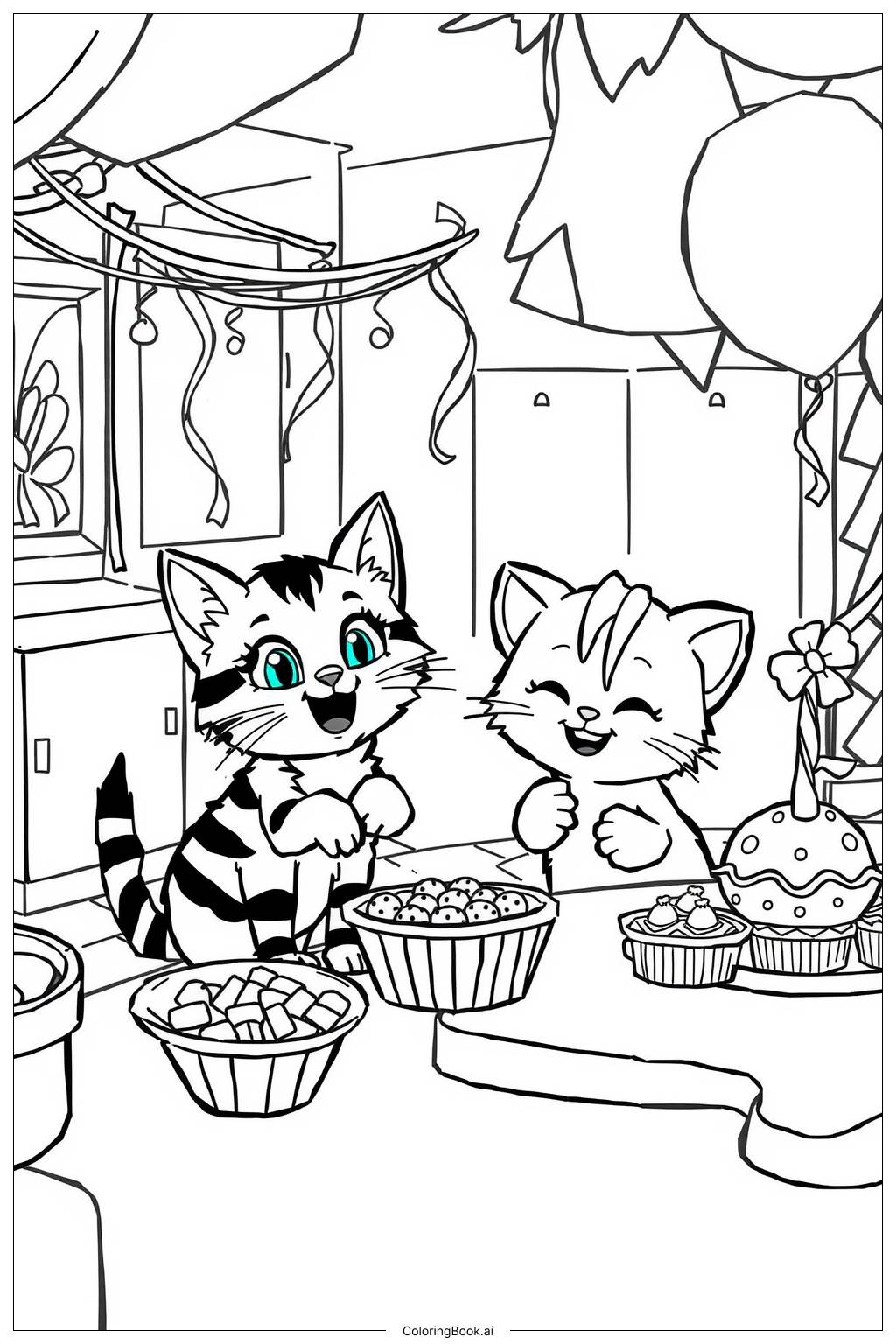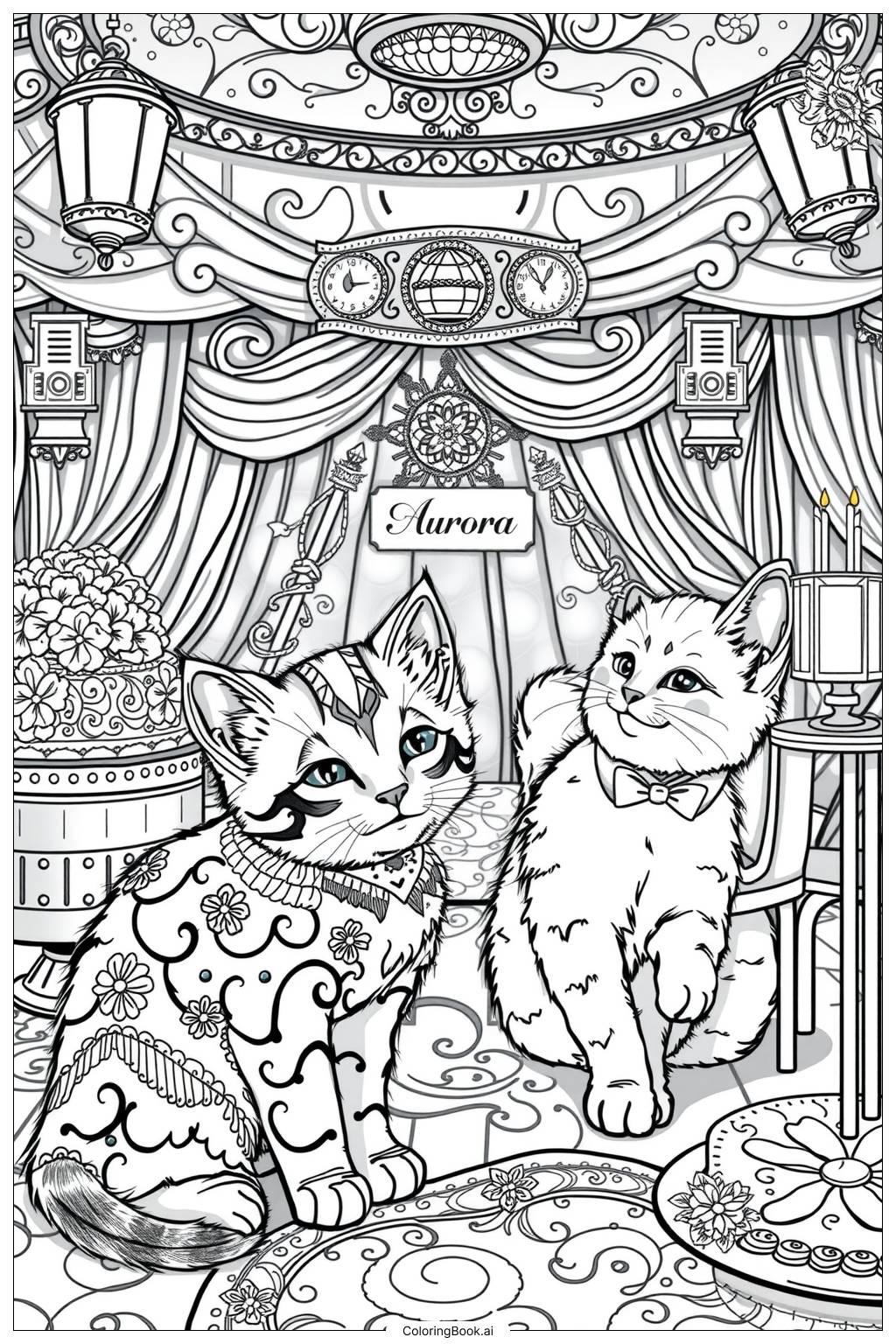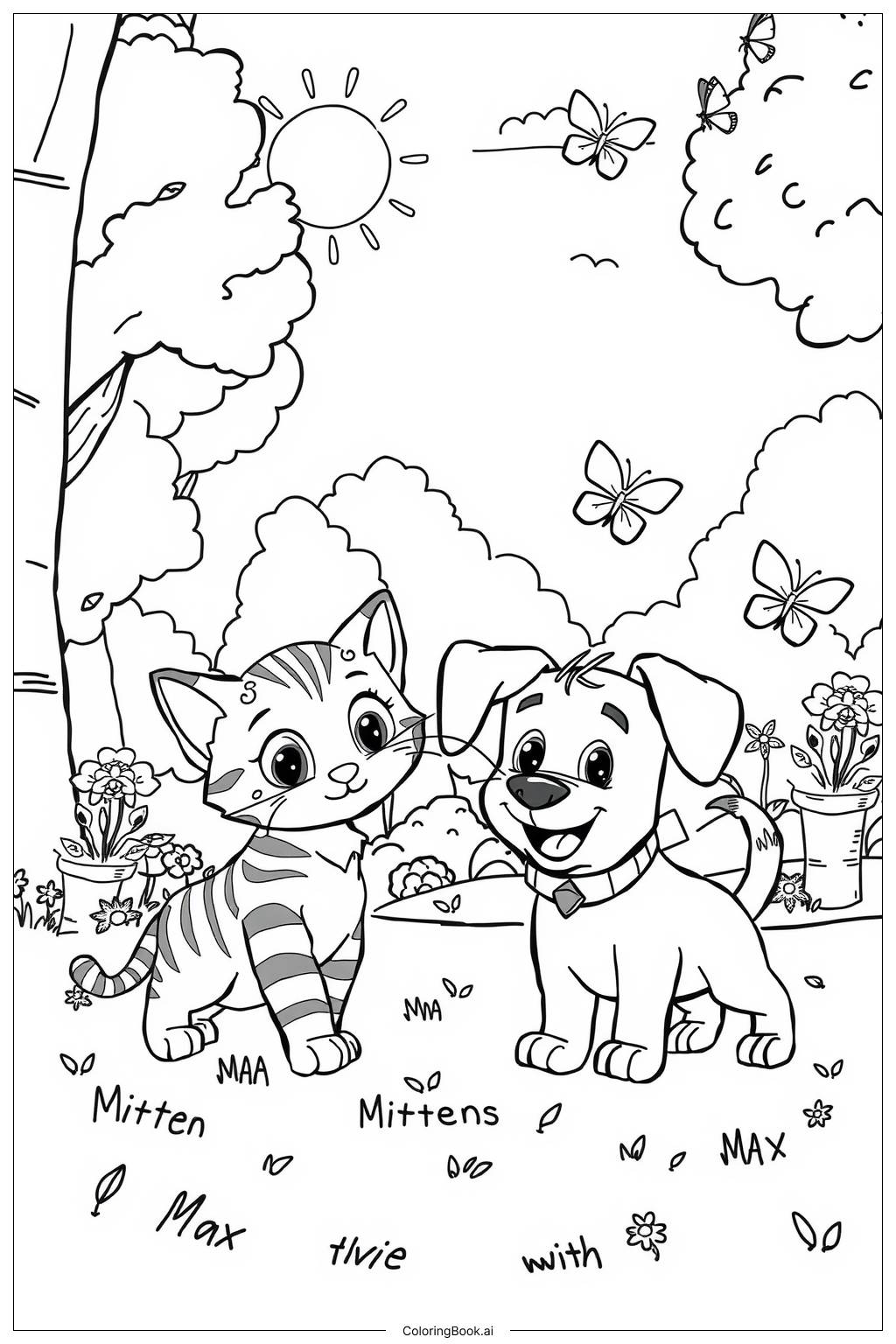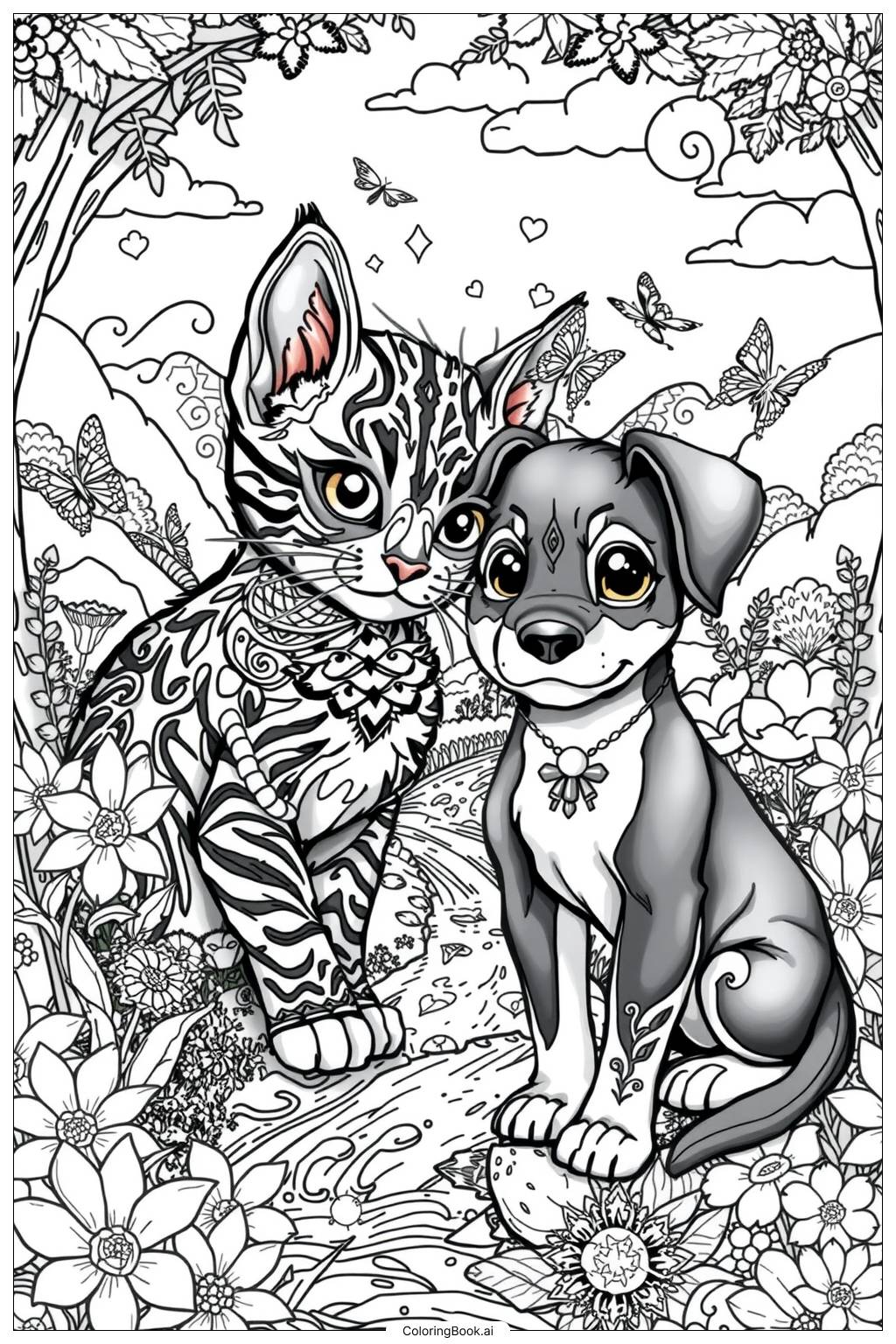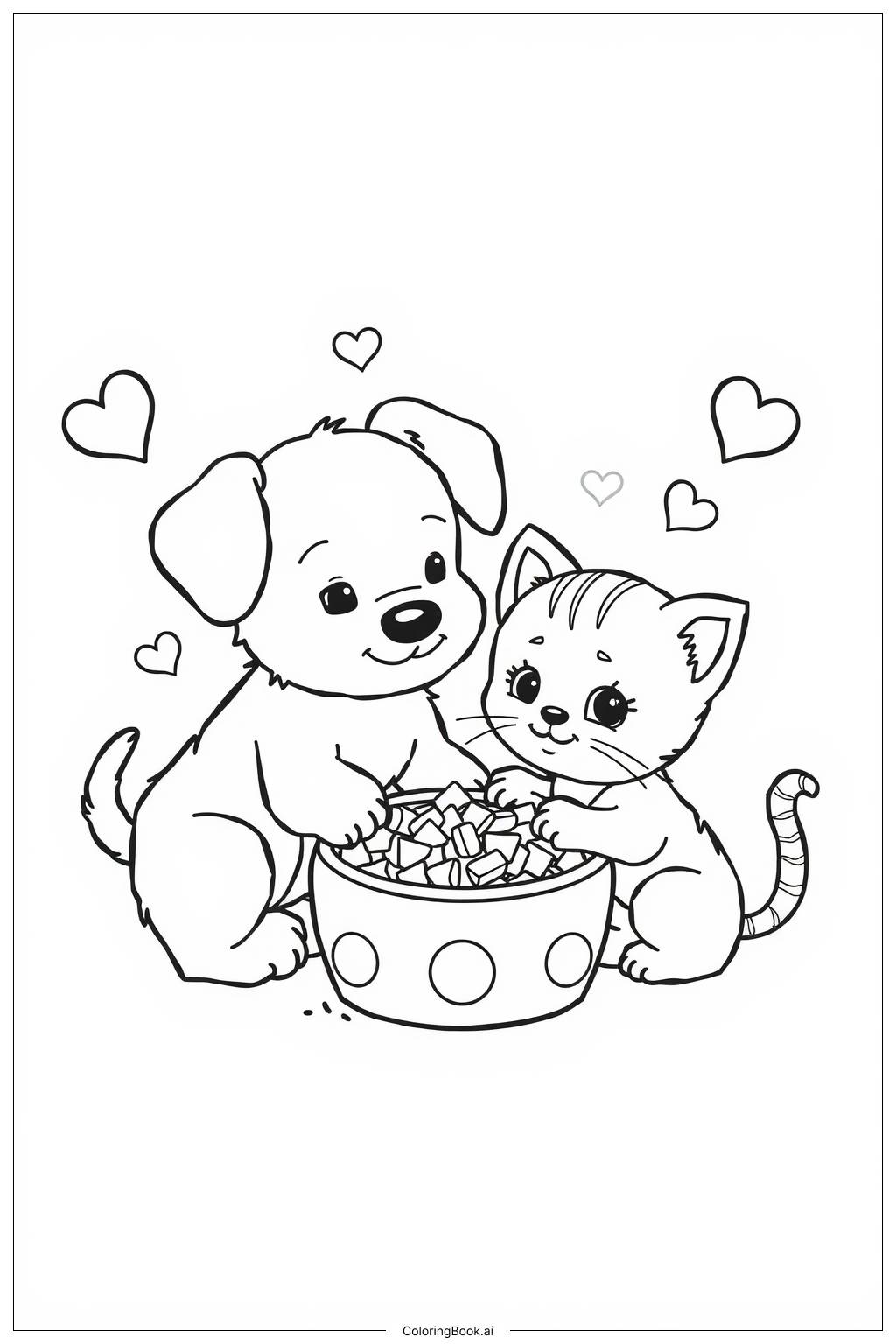
Coloring tips: How to color Cute Puppy and Kitten Sharing Food coloring page well?
Start with the puppy and kitten's base fur colors. A golden or light brown works great for the puppy, while the kitten could be orange, gray, or creamy white. Use a darker shade of the same color to add shadows and depth to the fur. Give the puppy warm brown eyes and the kitten bright green or blue eyes to make them pop. Color the food bowl a cheerful red, blue, or yellow. Add small brown or tan dots to represent the kibble inside. Use a soft pink for both animals' noses and inner ears. Keep the background simple with a warm beige or light yellow floor. You can add a little rug or mat under them for extra coziness. Use light, gentle strokes for the fur to give it a soft and fluffy texture.
Coloring challenges: Which parts are difficult to color and need attention for Cute Puppy and Kitten Sharing Food coloring page?
• Fur Texture Differentiation: The puppy and kitten have different fur textures. The puppy's fur tends to be smooth and short, while the kitten's may be fluffier. Coloring each animal with slightly different stroke styles can be tricky for young colorists. Try using short, straight strokes for the puppy and soft, feathery strokes for the kitten to show the difference.
• Small Facial Features: Both animals have tiny details on their faces, including eyes, noses, whiskers, and mouths. These small areas require careful control of coloring tools to avoid going outside the lines. Using fine-tipped colored pencils or thin markers works best for these delicate spots.
• Shared Food Bowl: The food bowl sits between both animals and may overlap slightly with their paws or faces. Coloring this area without muddying the surrounding fur colors takes patience. Choose a bold, contrasting color for the bowl so it stands out clearly from the animals.
• Paws and Overlapping Areas: The paws of both animals may be close together near the food bowl, creating overlapping sections. It can be hard to keep each animal's color separate in these tight spaces. Work slowly and use a light hand when coloring near the edges where the two animals meet.
• Whiskers and Fine Lines: The kitten's whiskers are very thin lines that are easy to color over by accident. To preserve them, color around the whisker lines carefully, or leave them uncolored so they remain visible as white lines against the face.
Benefits of coloring books: Advantages of drawing Cute Puppy and Kitten Sharing Food coloring page
Coloring this image of a puppy and kitten sharing food offers many wonderful benefits for children. First, it helps build fine motor skills. Carefully coloring small details like whiskers, eyes, and paws strengthens hand muscles and improves pencil control. These skills are important for writing and other everyday tasks. Second, it encourages creativity. Choosing colors for the fur, bowl, and background lets children express their own imagination and personal style. There is no wrong answer, which builds confidence. Third, it teaches kindness and sharing. The image shows two different animals being friendly and sharing a meal. This gentle message helps children think about friendship, empathy, and getting along with others. Fourth, it promotes focus and patience. Staying inside the lines and finishing the full picture teaches children to slow down and concentrate. This kind of calm, focused activity is great for reducing stress and anxiety. Finally, it is simply fun. Animals are a favorite subject for children, and seeing a puppy and kitten together makes the coloring experience enjoyable and engaging. It can spark storytelling and imaginative play long after the page is finished.