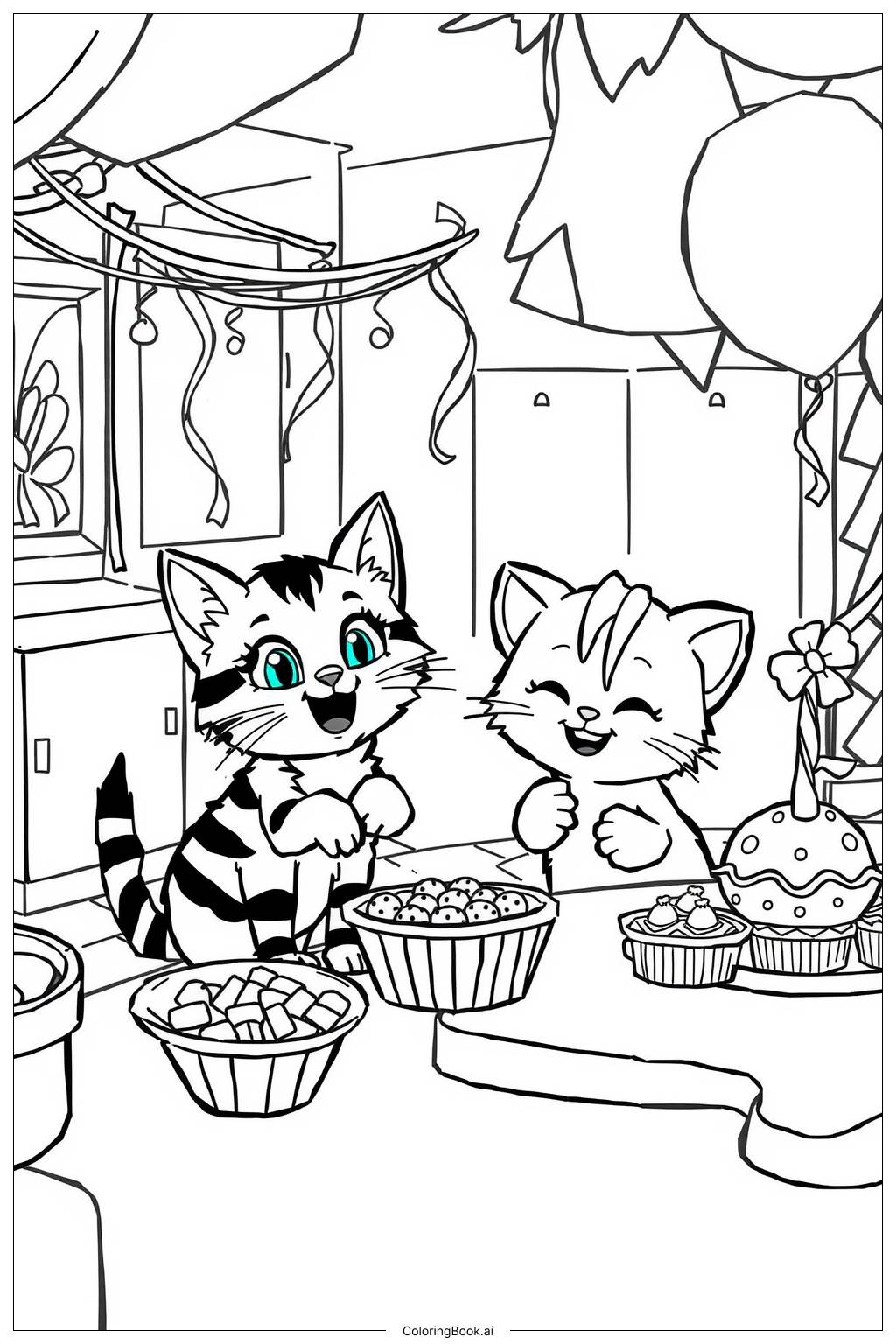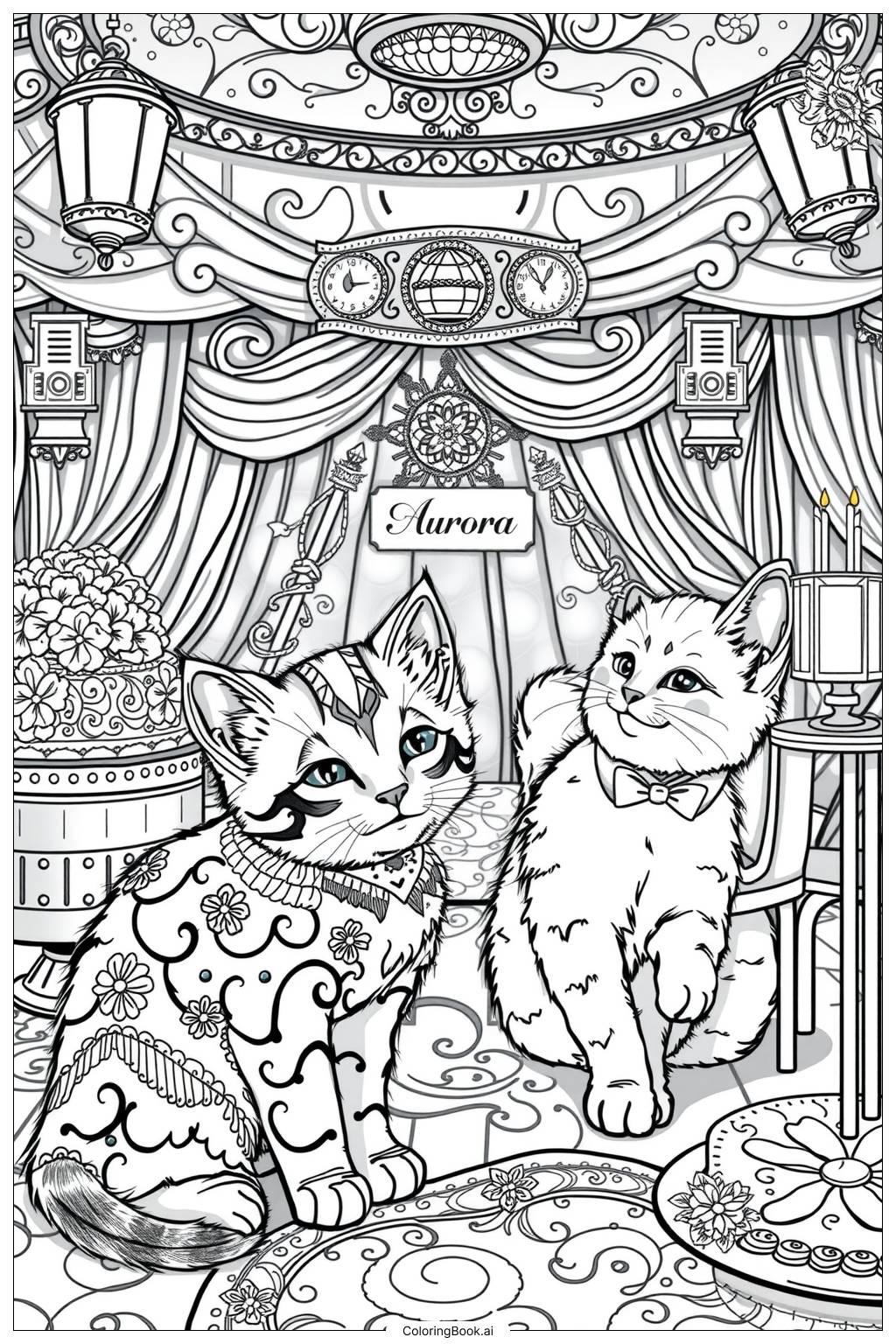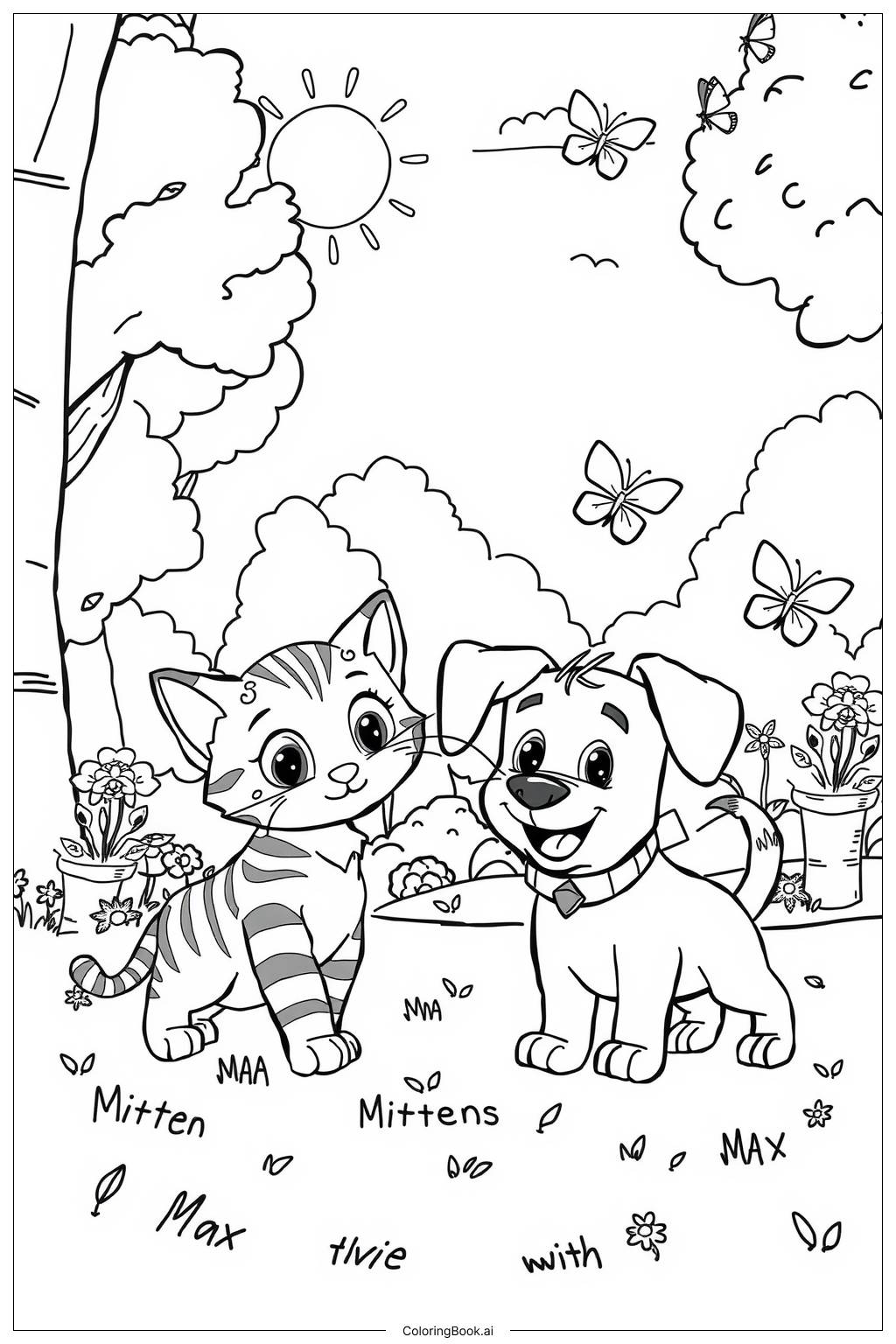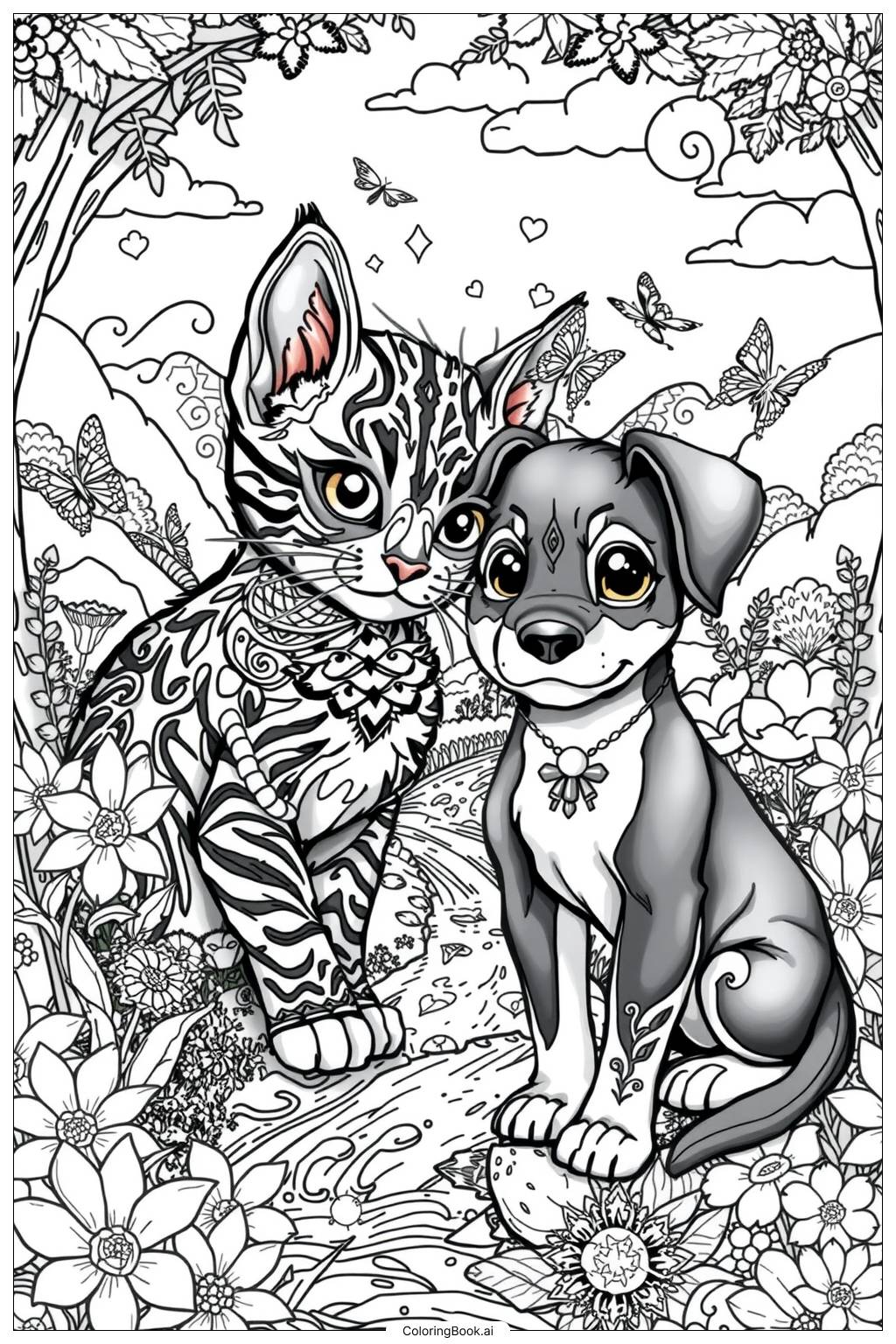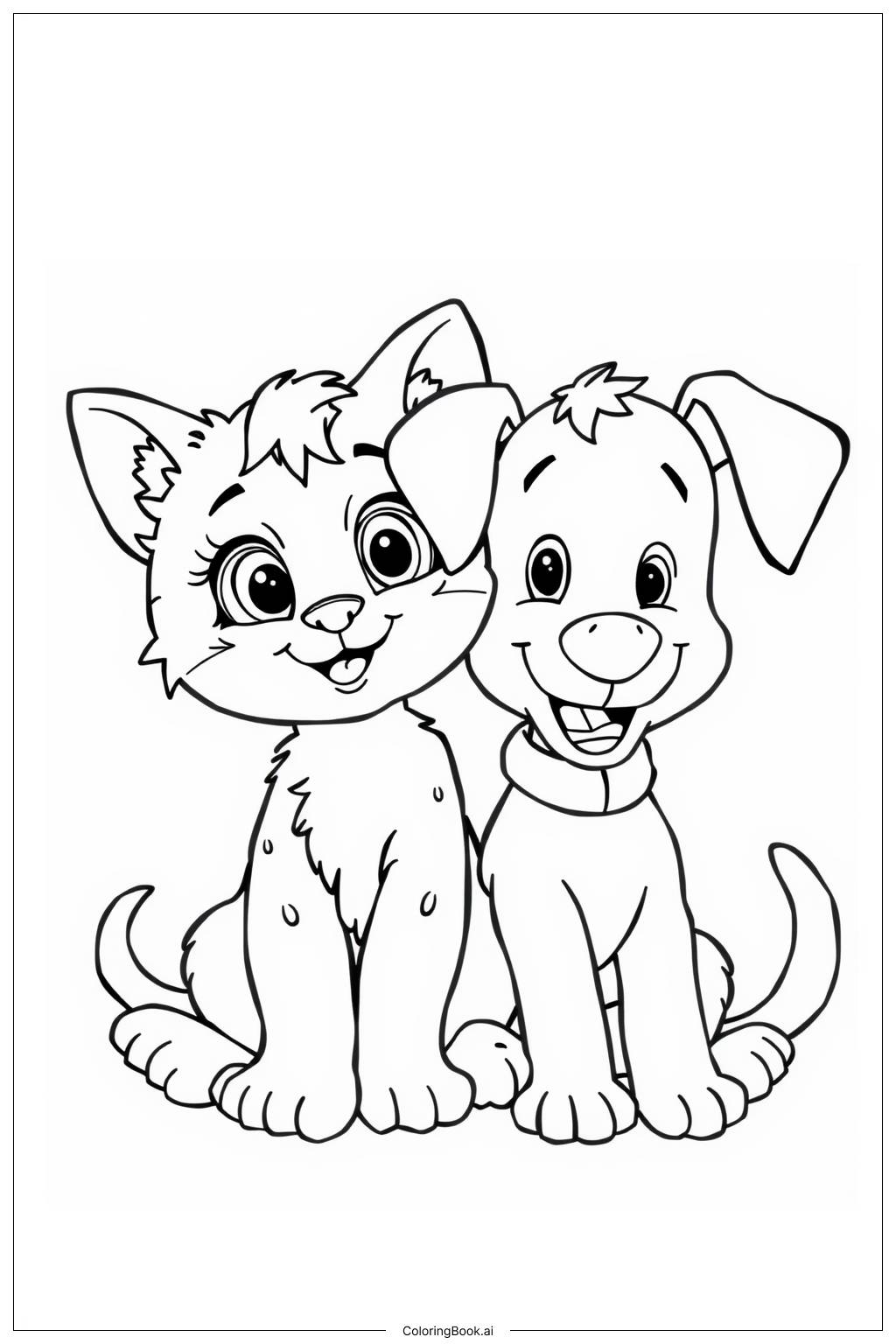
Coloring tips: How to color A Storybook Scene with Kittens and Puppies coloring page well?
Start with the lightest colors first, then build up to darker shades. For the kittens, try soft oranges, creamy whites, warm grays, or classic black-and-white patterns. Puppies can be colored in golden yellows, warm browns, spotted beige, or even playful black patches. Use pastel tones for the background to keep the storybook mood soft and dreamy — light blues, lavenders, and mint greens work beautifully. Add pops of color to the books and stars using bright yellows, reds, and blues to make them stand out. Color the eyes of the animals with bright greens, blues, or warm browns to bring them to life. Blend colors gently on the fur areas to create a fluffy texture. Colored pencils or watercolor pencils are great tools for this scene. Take your time with each character and enjoy making every kitten and puppy unique with its own special color pattern.
Coloring challenges: Which parts are difficult to color and need attention for A Storybook Scene with Kittens and Puppies coloring page?
• Fur Texture Details: The kittens and puppies have small, curved lines that suggest soft fur. Coloring within these fine details without going outside the lines can be tricky, especially for younger children. Using a sharpened colored pencil and coloring in the direction of the fur lines will help create a realistic and fluffy effect.
• Multiple Characters in One Scene: With several kittens and puppies sharing the same space, it can be challenging to choose different colors for each one so they stand out from each other. Planning your color choices before you start will help avoid two animals looking too similar and make the scene more lively and fun.
• Small Facial Features: The tiny eyes, noses, and mouths of the animals require careful attention. These small areas need precise coloring tools like fine-tip markers or well-sharpened pencils. Rushing through these details can make the faces look messy, so slow down and be patient when coloring these parts.
• Background and Foreground Separation: Balancing the colors of the animals against the storybook background elements — like books, stars, and decorative shapes — requires thoughtful color selection. If the background is too bright, it may overpower the cute characters in the front. Using softer, lighter shades for the background helps the animals remain the main focus of the scene.
• Blending and Shading: Adding gentle shading to the rounded bodies of the animals gives them a three-dimensional, soft look. However, blending two colors smoothly on small curved surfaces can be difficult for beginners. Practicing light circular strokes or layering colors gradually will make the shading look natural and polished.
Benefits of coloring books: Advantages of drawing A Storybook Scene with Kittens and Puppies coloring page
Coloring this sweet storybook scene with kittens and puppies offers many wonderful benefits for children and beginners alike. First, it helps improve fine motor skills. Carefully coloring the small details of each animal trains hand control and finger strength, which supports writing skills too. Second, it encourages creativity. Choosing colors for each kitten and puppy lets kids express their imagination freely — there are no wrong answers! Third, it builds focus and patience. Spending time on a detailed scene teaches children to slow down, concentrate, and work through a task step by step. Fourth, it promotes emotional well-being. The gentle, friendly characters in this scene create a calming and joyful experience. Coloring animals is known to reduce stress and bring a sense of happiness and comfort. Fifth, it sparks a love of storytelling. The storybook setting naturally invites children to imagine their own tales about the kittens and puppies, boosting language development and narrative thinking. Finally, completing the page gives a strong sense of achievement and pride, building confidence and motivation to try more creative activities. This page is a perfect blend of fun, learning, and artistic growth.