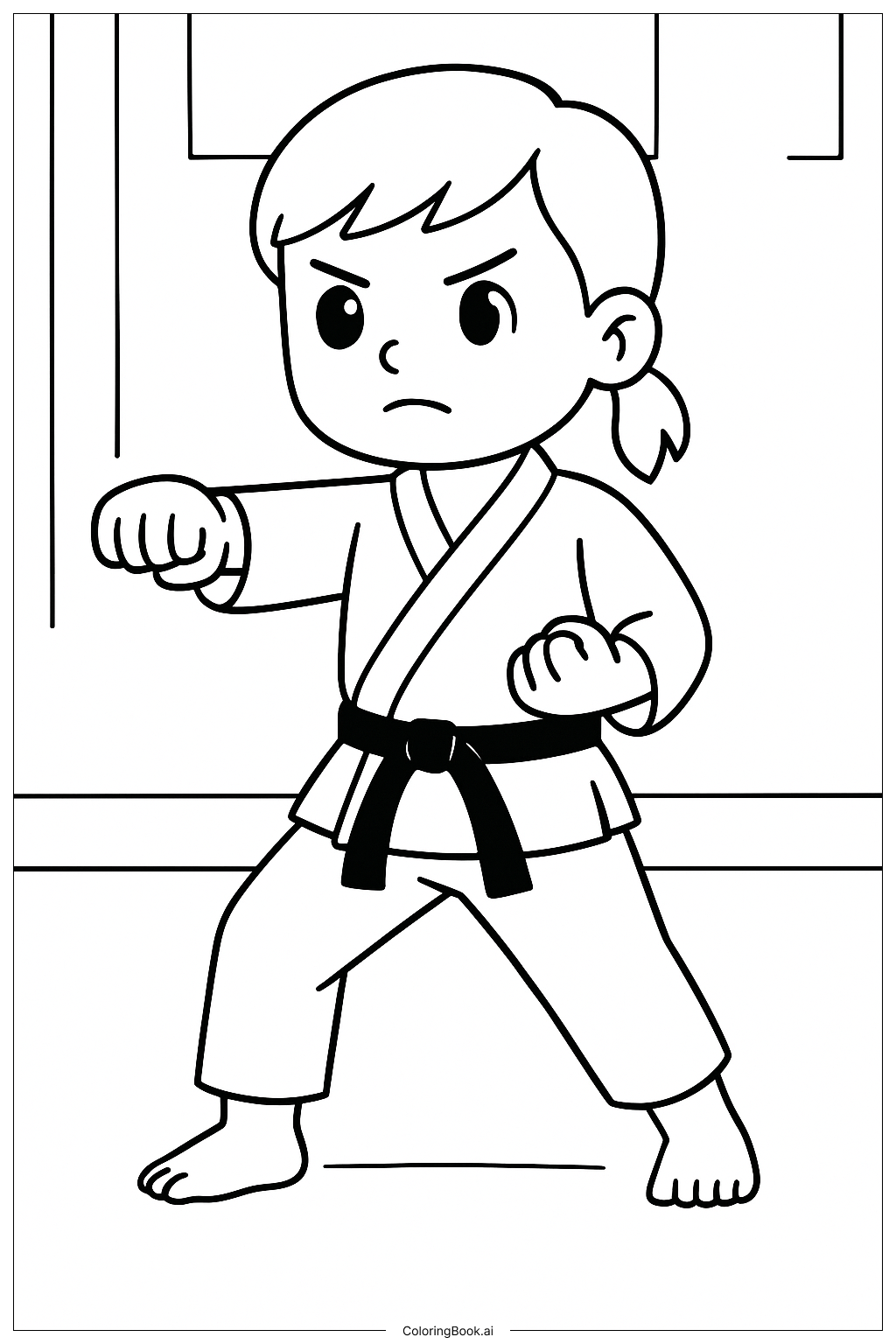
Coloring tips: How to color Karate Fighter With A Determined Face coloring page well?
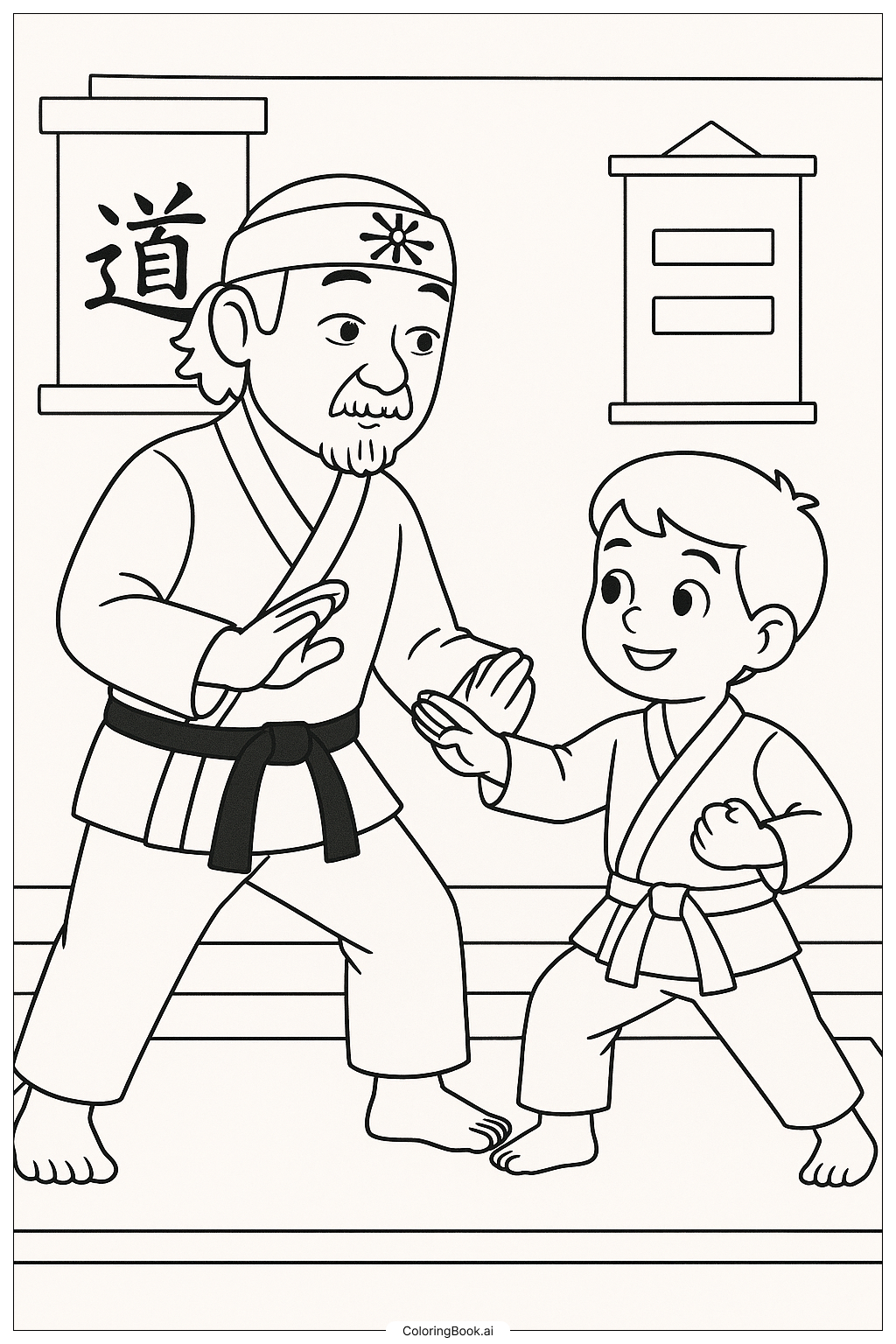
Start with the gi uniform. Traditional karate uniforms are white, so leave those areas light or add a very soft cream tone to give the fabric some warmth. Use light gray or pale blue for the shadows in the folds to show depth and movement in the cloth. Color the belt based on the fighter's rank — yellow, green, blue, red, or black all work great. For the skin, choose a warm, natural tone and add a slightly darker shade on the cheeks and knuckles to show effort and intensity. The face deserves the most attention. Use deeper shades around the eyes and jaw to highlight that determined expression. Add dark brown or black for the hair if shown. You can color the background with a bold solid color like deep blue, red, or orange to make the fighter stand out. Beginners should focus on staying inside the lines, while more advanced colorists can try shading and blending to bring the figure to life.
Coloring challenges: Which parts are difficult to color and need attention for Karate Fighter With A Determined Face coloring page?
• Facial Expression Details: The determined face is the most expressive part of this image. Coloring the eyes, eyebrows, and jaw correctly is tricky. The brow needs a slightly darker shade to show intensity, and the eyes require careful attention to bring out focus and confidence. Small mistakes in this area can change the whole mood of the image, so take your time and use fine-tipped tools for precision.
• Gi Fabric Folds and Creases: The karate uniform has many overlapping layers, folds, and creases. Knowing which areas to shade and which to leave lighter takes practice. The goal is to make the cloth look three-dimensional. Using at least two tones of the same color — one lighter, one slightly darker — helps create this effect without making the uniform look flat.
• Belt Coloring and Placement: The belt wraps around the waist and ties in a specific knot. It needs to stand out from the white gi while also looking like it belongs. Choosing the right belt color and keeping it neat within its narrow boundary lines can be a challenge for younger colorists.
• Skin Shading and Muscle Tone: The fighter's hands, arms, and face show tension and strength. Adding subtle shading to the knuckles, wrists, and cheekbones helps communicate that physical effort. Blending two skin tones smoothly without smudging or crossing lines requires a steady hand and patience.
• Background Balance: Choosing a background color that complements the fighter without overpowering the main figure is a common challenge. Too dark and it hides the detail; too light and the image loses impact. Practicing color contrast is a valuable skill here.
Benefits of coloring books: Advantages of drawing Karate Fighter With A Determined Face coloring page
Coloring this karate fighter image offers a wide range of benefits for children and teens. First, it builds fine motor skills. Carefully coloring within the detailed lines of the gi, face, and hands strengthens hand control and pencil grip, which supports handwriting and other daily tasks. Second, it encourages focus and patience. A detailed image like this one requires concentration, helping young colorists practice staying on task — a skill that carries over into school and learning. Third, it sparks an interest in martial arts and physical activity. Seeing a strong, determined fighter on the page may inspire kids to learn more about karate, discipline, and self-improvement. Fourth, it supports emotional expression. Choosing colors and deciding how to shade the fighter's expression allows children to explore creativity and make the image their own. Fifth, it teaches respect for effort and perseverance. The determined face of the fighter is a visual reminder that hard work and a strong mindset lead to achievement. This image makes coloring feel meaningful and motivating, not just fun.