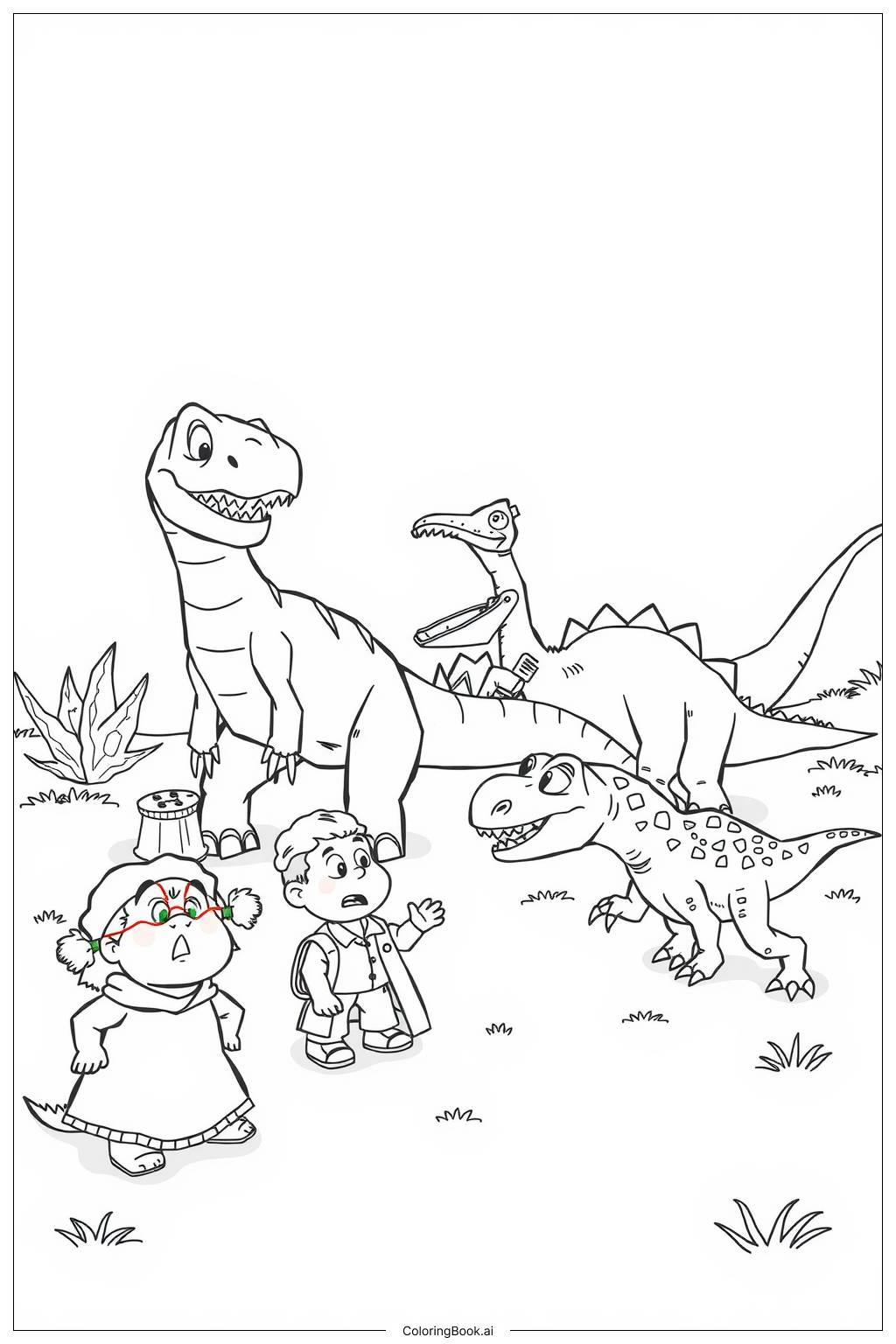
Coloring tips: How to color Jurassic World Rescue Mission for Dinosaurs coloring page well?
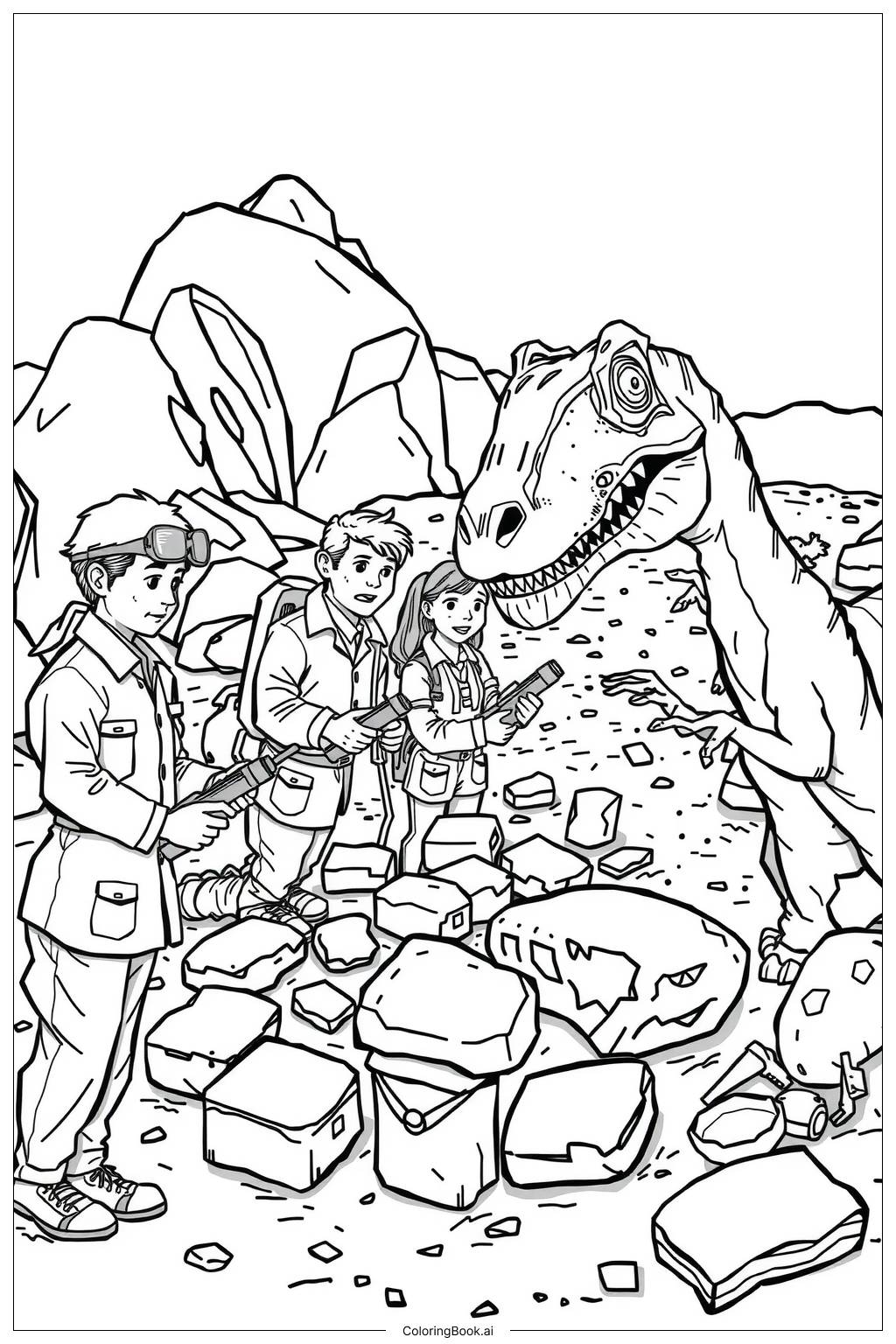
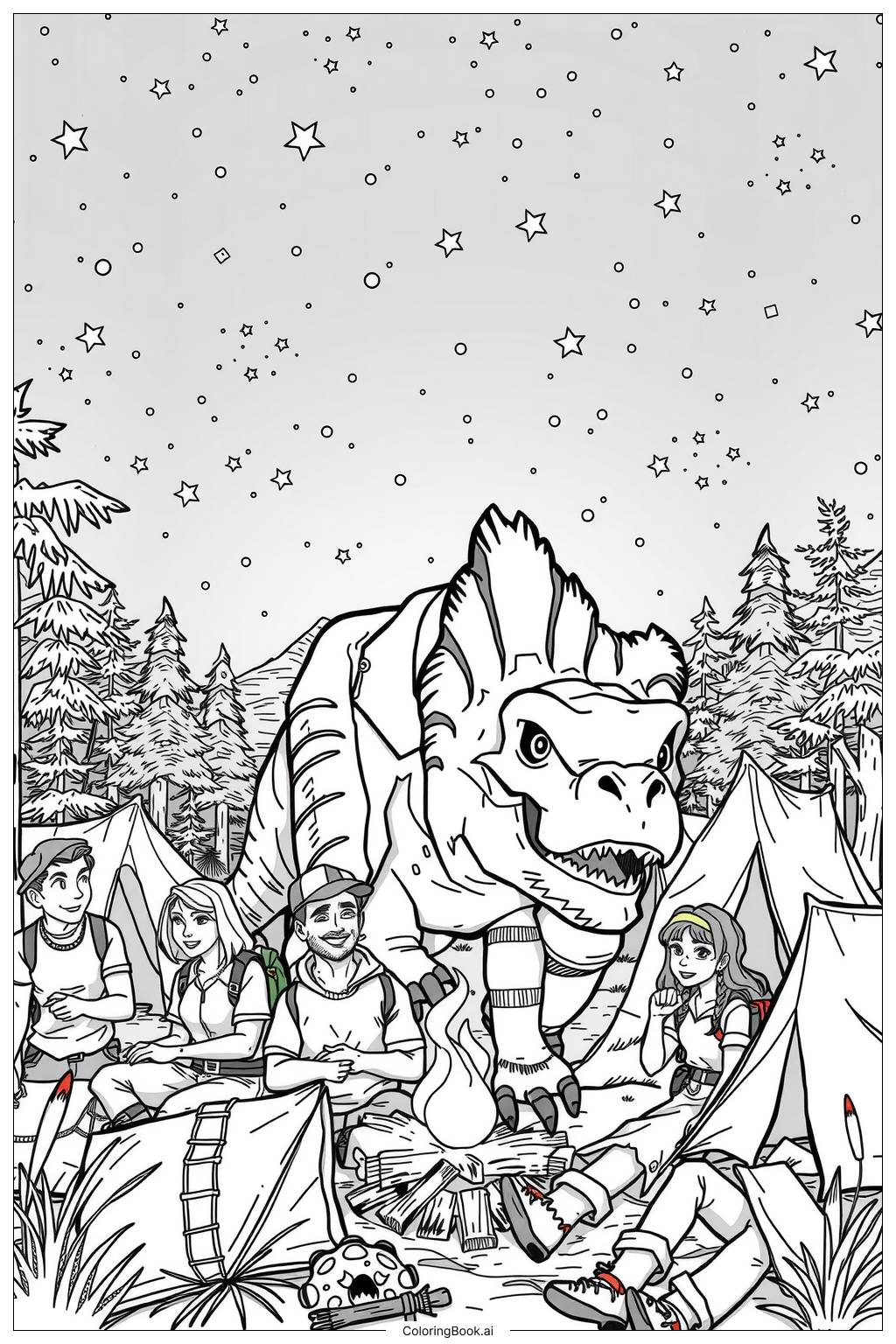
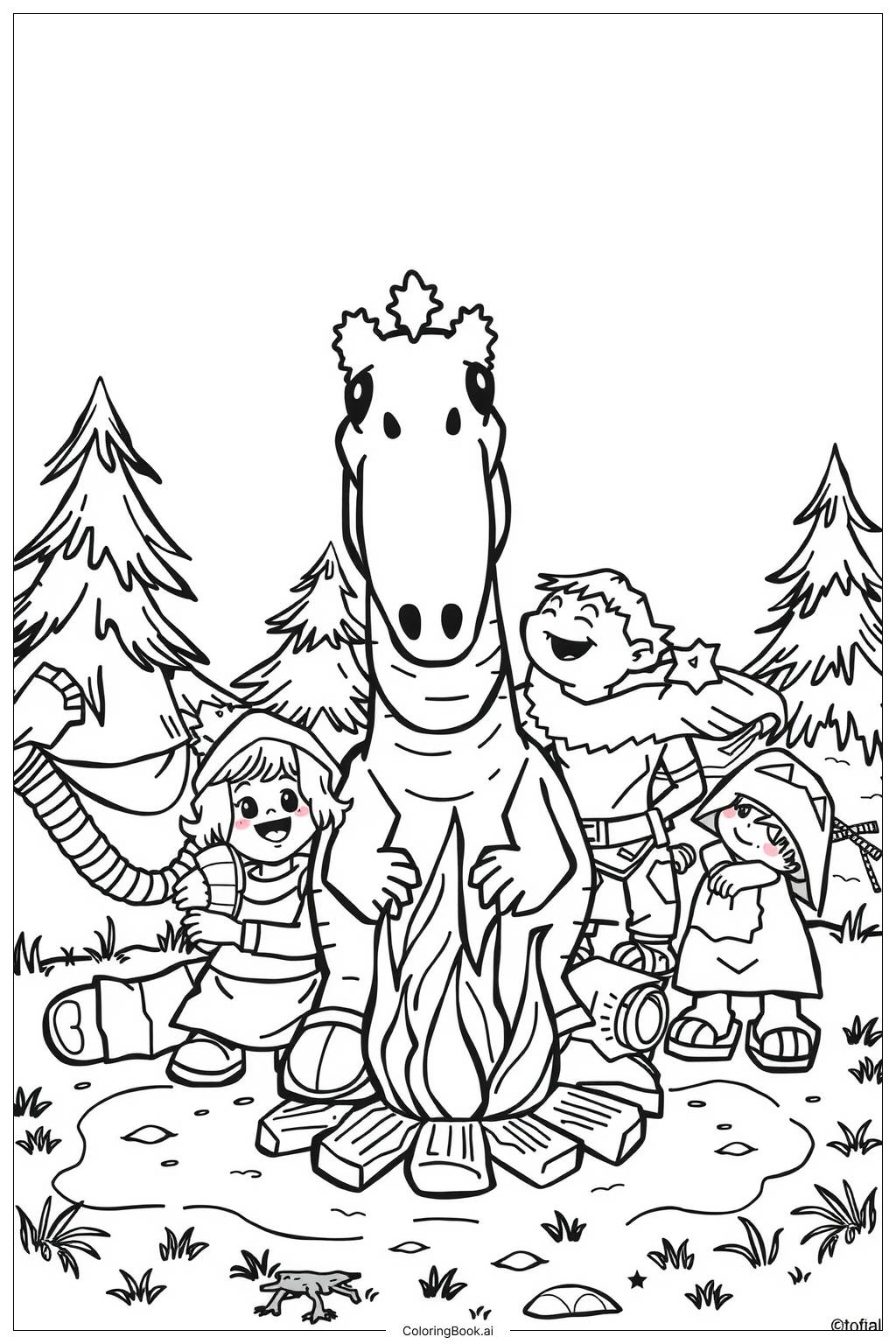
Start with the dinosaur's body. Use earthy greens, deep browns, or olive tones for the scales. You can add darker shades along the spine and lighter tones on the belly to give it a realistic look. For the ranger or trainer, use khaki or tan for the uniform, and add bright pops of color to the gear and equipment. The jungle background works great in rich greens with hints of yellow for sunlight filtering through the leaves. Brown and gray tones suit the rocks and ground. Try using colored pencils to blend shades smoothly on large areas like the dinosaur's body. Markers work well for bold, flat colors on clothing and objects. Do not be afraid to mix unusual colors — this is your adventure, and your dinosaur can be any color you imagine. Add shadows under the dinosaur's feet and behind the ranger to make the scene feel more three-dimensional and alive.
Coloring challenges: Which parts are difficult to color and need attention for Jurassic World Rescue Mission for Dinosaurs coloring page?
• Dinosaur Scale Texture: The dinosaur's body is covered in detailed scale patterns. Coloring each scale individually takes patience and a steady hand. Using a fine-tipped tool helps you stay within the small sections without smudging across the lines. Blending two or three shades of the same color family can make the texture look more natural and lifelike.
• Figure Details and Gear: The human character has many small details, including clothing folds, buckles, straps, and equipment. These tiny areas are challenging to color neatly. A sharp pencil or a fine marker tip is the best choice here. Take your time with each small section and let each color dry before moving to the next.
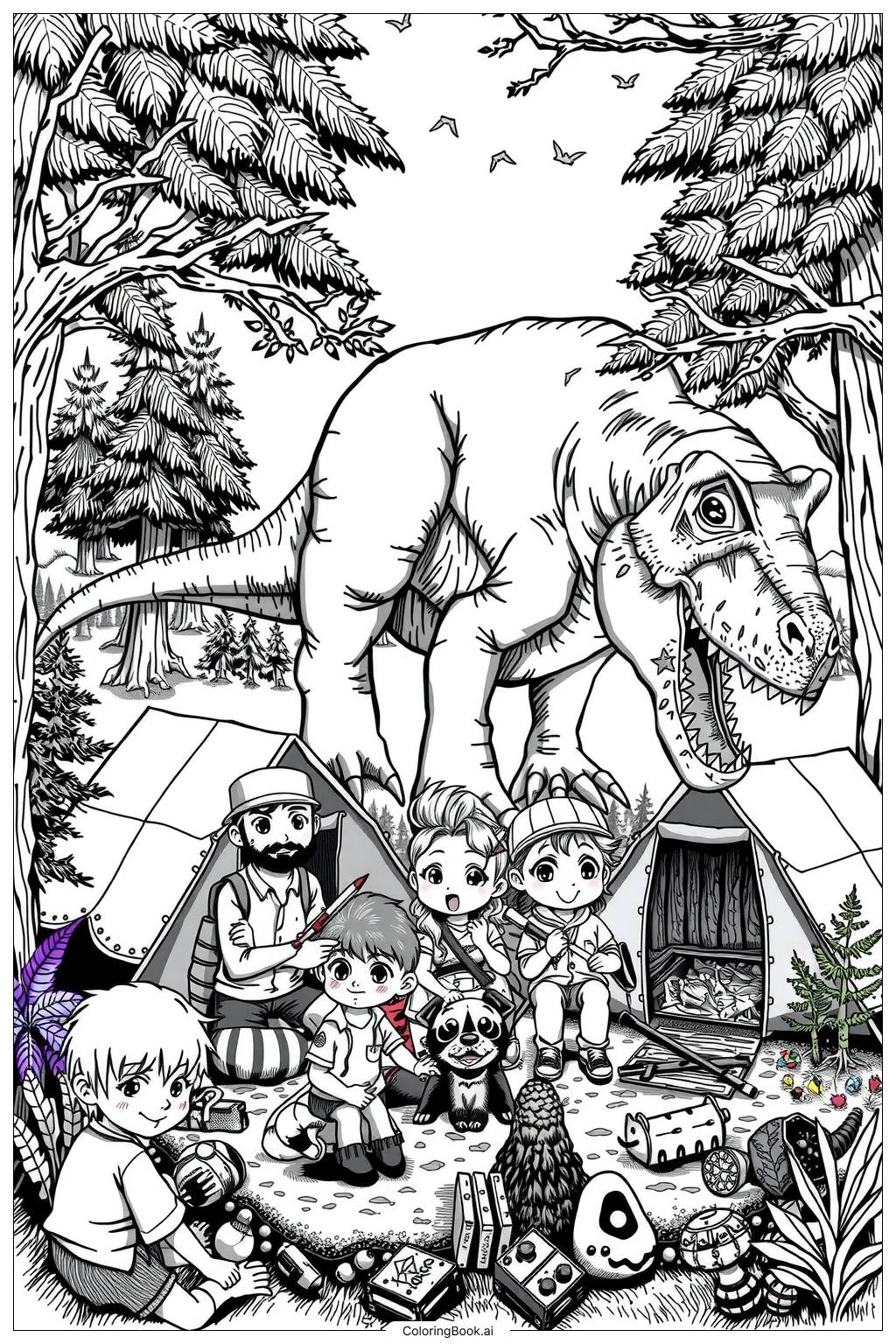
• Jungle Background Complexity: The background features overlapping leaves, branches, rocks, and vegetation. Keeping all these elements visually distinct from one another requires thoughtful color choices. Using different shades of green for the various plants helps separate them. Adding light and shadow to the background creates depth without making it look cluttered.
• Size Contrast Between Characters: The dinosaur is much larger than the human figure, which means more surface area to fill in evenly. Large areas can look patchy if the color is applied unevenly. Work in smooth, consistent strokes and build up layers gradually for a clean, polished finish.
• Balancing the Overall Color Palette: With so many elements in one scene, it can be tricky to make sure no single area overwhelms the rest. Planning your colors before you begin — perhaps sketching a quick color plan — helps keep the whole image balanced and visually appealing from corner to corner.
Benefits of coloring books: Advantages of drawing Jurassic World Rescue Mission for Dinosaurs coloring page
Coloring this Jurassic World rescue scene offers a wide range of fun and developmental benefits for kids and dinosaur fans alike. First, it builds fine motor skills. Carefully filling in scales, gear details, and jungle plants requires control and precision that strengthen hand and finger muscles over time. Second, it encourages creativity. Choosing colors for a dinosaur and its environment sparks imaginative thinking. There is no single right answer, which gives children the freedom to express themselves confidently. Third, it supports focus and concentration. Staying within the lines and planning a color scheme teaches patience and the ability to focus on one task for an extended period. Fourth, it introduces storytelling. The rescue theme naturally inspires kids to invent their own narratives — who is the ranger, what happened to the dinosaur, and what happens next? This boosts language development and creative writing skills. Fifth, it creates a sense of accomplishment. Finishing a detailed, action-packed scene like this one gives colorists of all ages a real sense of pride and achievement. It is a wonderful, screen-free activity that combines learning with pure enjoyment.