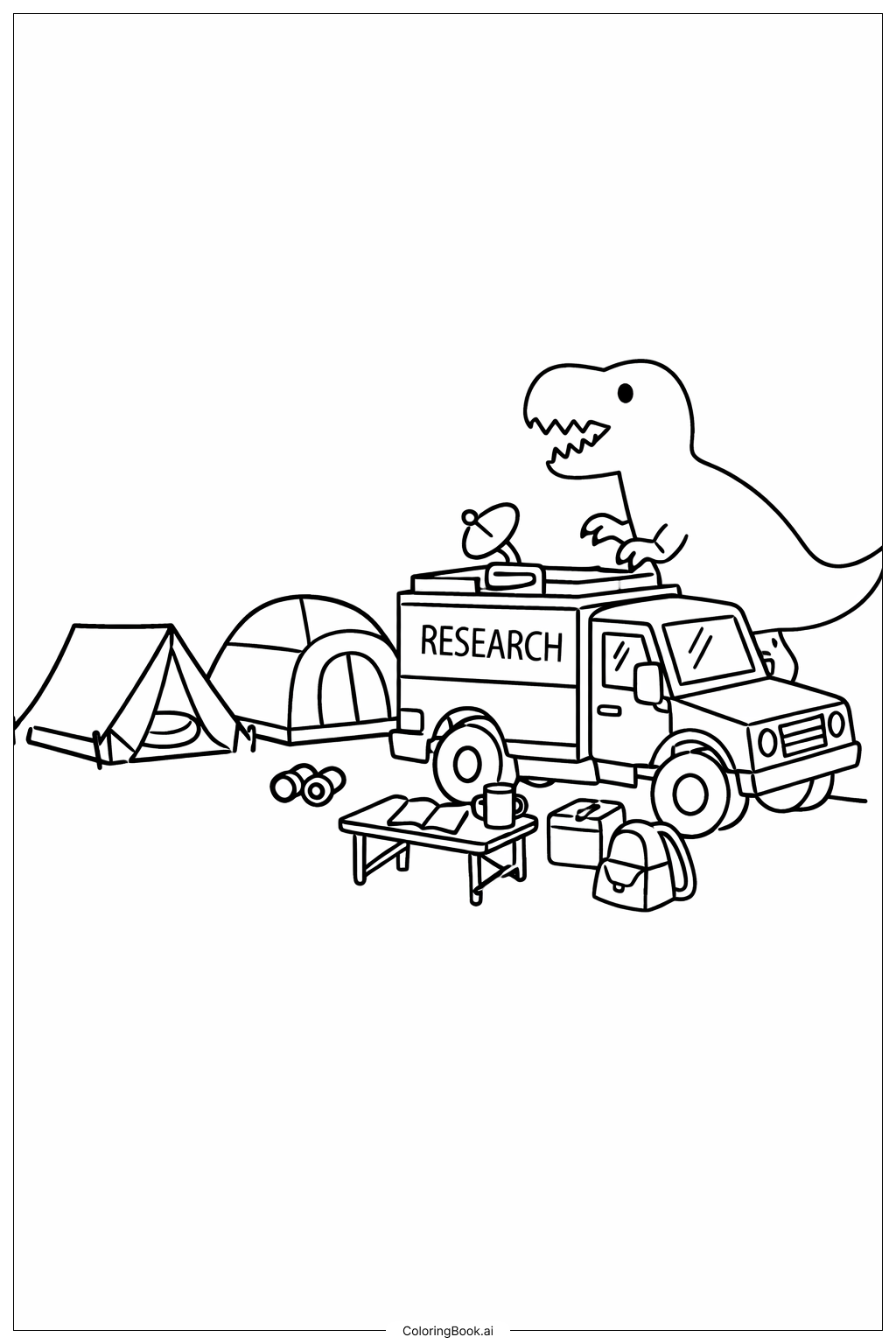
Coloring tips: How to color Jurassic Park Scientists Camp coloring page well?
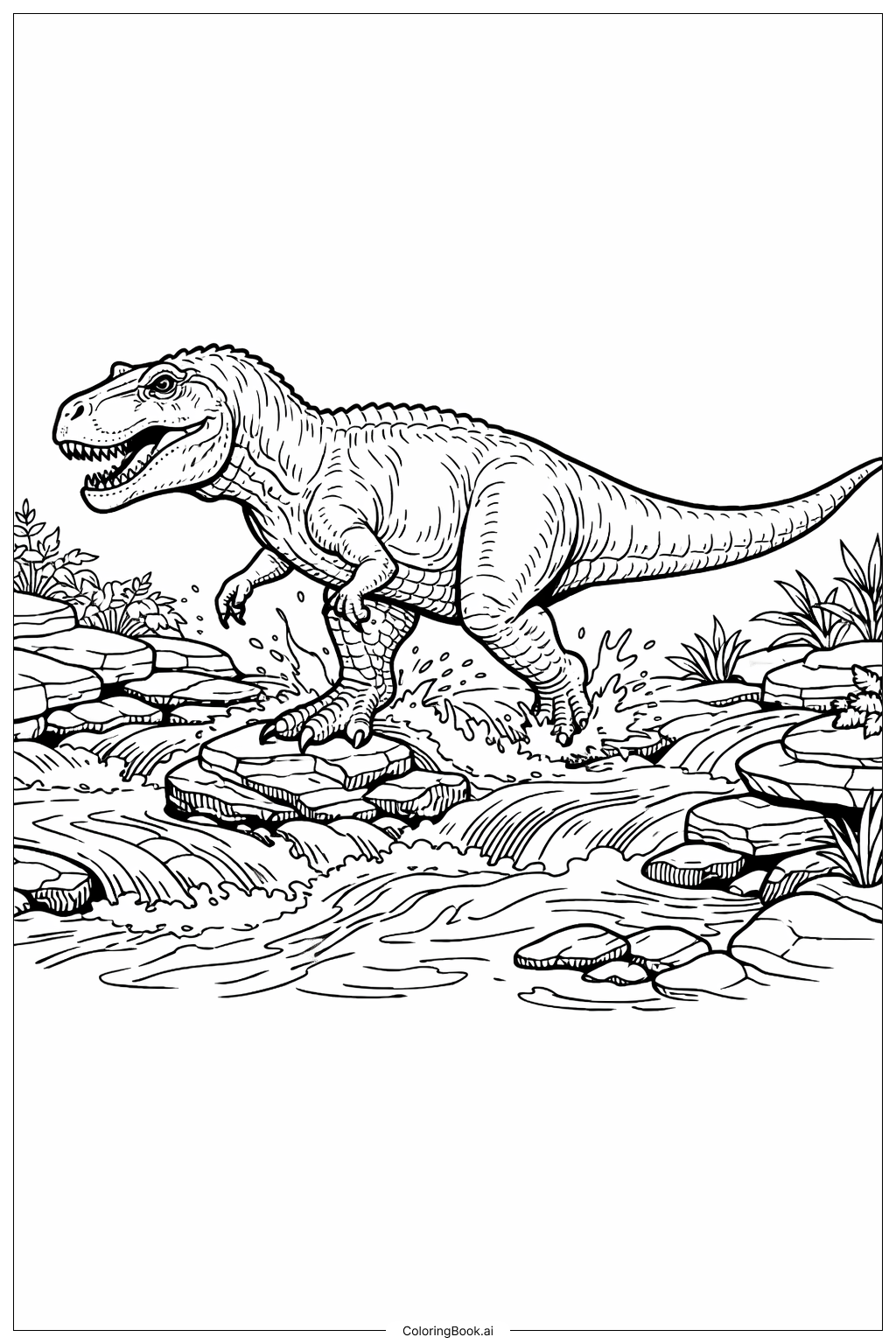
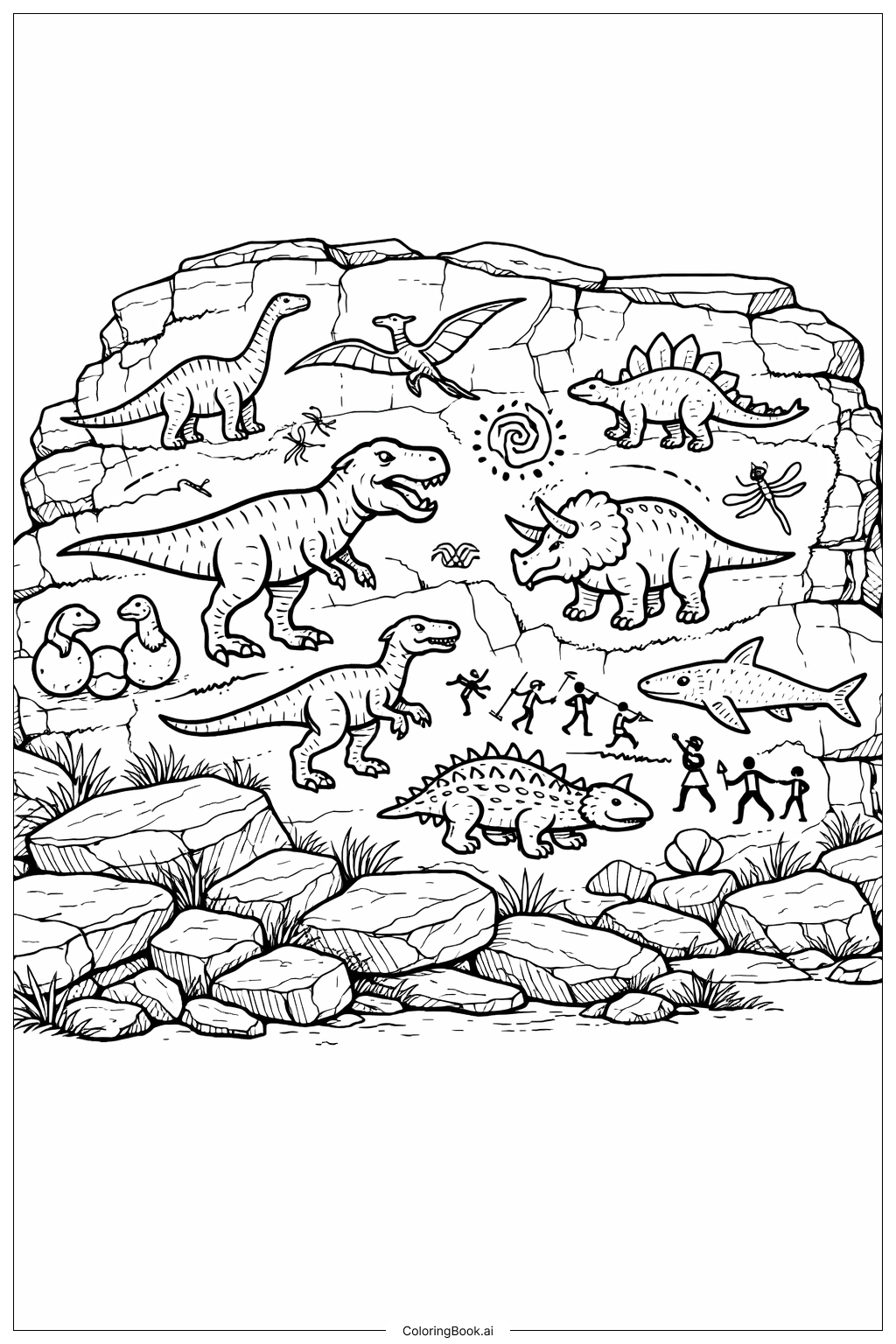
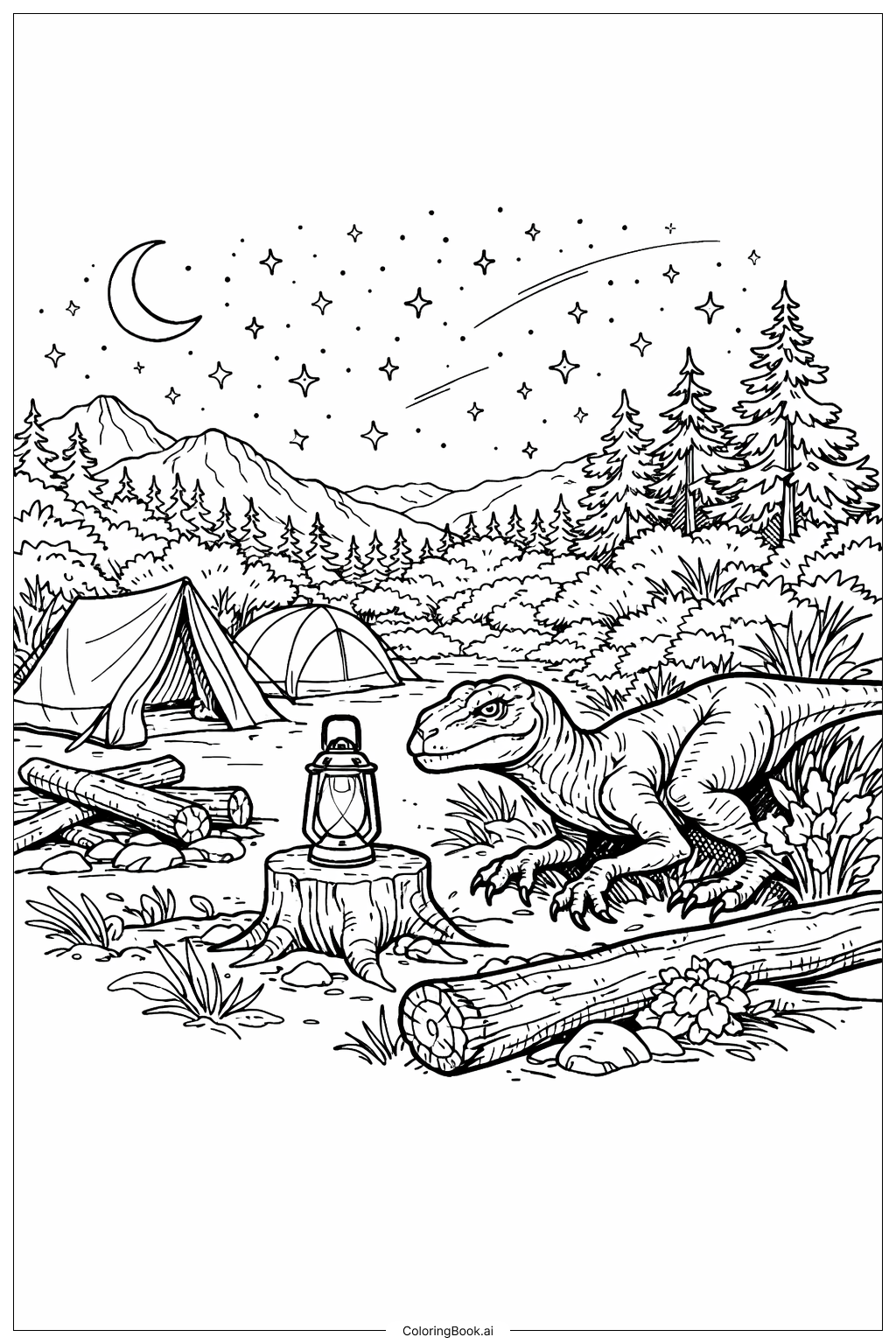
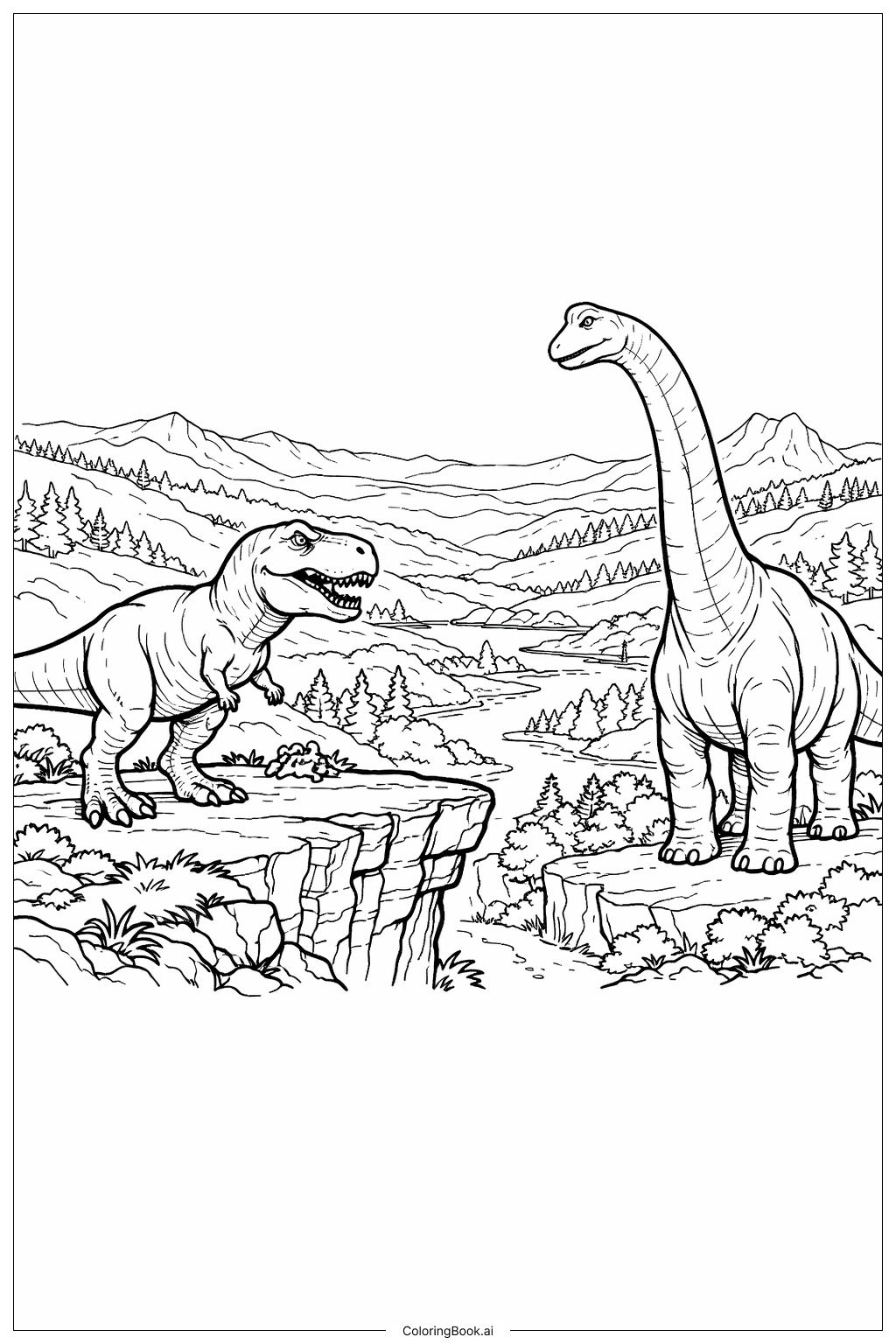
Start with the background jungle by layering different shades of green. Use dark forest green for the deep shadows and bright lime green for sunlit leaves. Color the tents in earthy tones like khaki, tan, or olive to give them a real field research look. Use browns and grays for wooden posts, crates, and equipment tables. The scientists' clothing can be colored in beige, dark green, or navy blue to match field researcher outfits. Add warm yellow and orange tones to lanterns and campfire flames to make them glow. For the maps and notebooks on the tables, use off-white or cream. If there are dinosaur silhouettes in the background, try dark purple or deep gray to make them look mysterious and far away. Don't be afraid to mix colors to create depth and a sense of adventure.
Coloring challenges: Which parts are difficult to color and need attention for Jurassic Park Scientists Camp coloring page?
• Dense Jungle Background: The background is packed with overlapping leaves, branches, and foliage. Keeping each layer of greenery distinct without them blending together into one flat mass of color takes careful attention. Try using at least three different shades of green and leave small gaps uncolored to suggest light filtering through the canopy.
• Small Equipment Details: The camp is filled with tiny objects like scientific instruments, maps, notebooks, crates, and lanterns. These small details require a fine-tipped marker or colored pencil to color accurately without going outside the lines. Rushing through these areas can muddy the overall look of the scene.
• Tent Textures and Folds: The research tents have fabric folds and shadow lines built into the illustration. To make them look realistic, you need to use lighter and darker shades of the same color, applying darker tones inside the folds and lighter tones on the raised areas. This technique, called shading, can be tricky for beginners.
• Lighting and Shadow Consistency: The camp scene has a natural light source, likely sunlight filtering through the trees or a campfire glow. Keeping your shading consistent, meaning shadows always fall on the same side of objects, helps the scene feel unified and three-dimensional. Inconsistent shading can make the image look flat or confusing.
• Balancing Warm and Cool Colors: The scene mixes warm tones like firelight and sunlight with cool tones like jungle shadows and night sky hints. Balancing these color temperatures so neither side overpowers the other is a real artistic challenge that makes the final result feel rich and layered.
Benefits of coloring books: Advantages of drawing Jurassic Park Scientists Camp coloring page
Coloring the Jurassic Park Scientists Camp page offers a wide range of creative and educational benefits for kids and adults alike. The detailed jungle setting encourages children to explore and experiment with a broad palette of colors, helping them develop color recognition and mixing skills in a fun, engaging way. Reproducing the textures of tents, foliage, and equipment trains fine motor control and hand steadiness, skills that are directly useful in writing and everyday tasks. The scene also sparks curiosity about science, nature, and prehistoric life. As kids color the scientists at work, they may start asking questions about paleontology, field research, and what it would be like to explore a dinosaur island. This kind of imaginative engagement builds storytelling ability and creative thinking. For older colorists and adults, the intricate details of the camp offer a satisfying focus exercise that reduces stress and promotes mindfulness. Completing a complex scene like this also builds patience and a sense of accomplishment. Whether you are 6 or 60, this Coloring Pages scene is a wonderful way to spend time, learn, and enjoy the adventure of Jurassic Park.