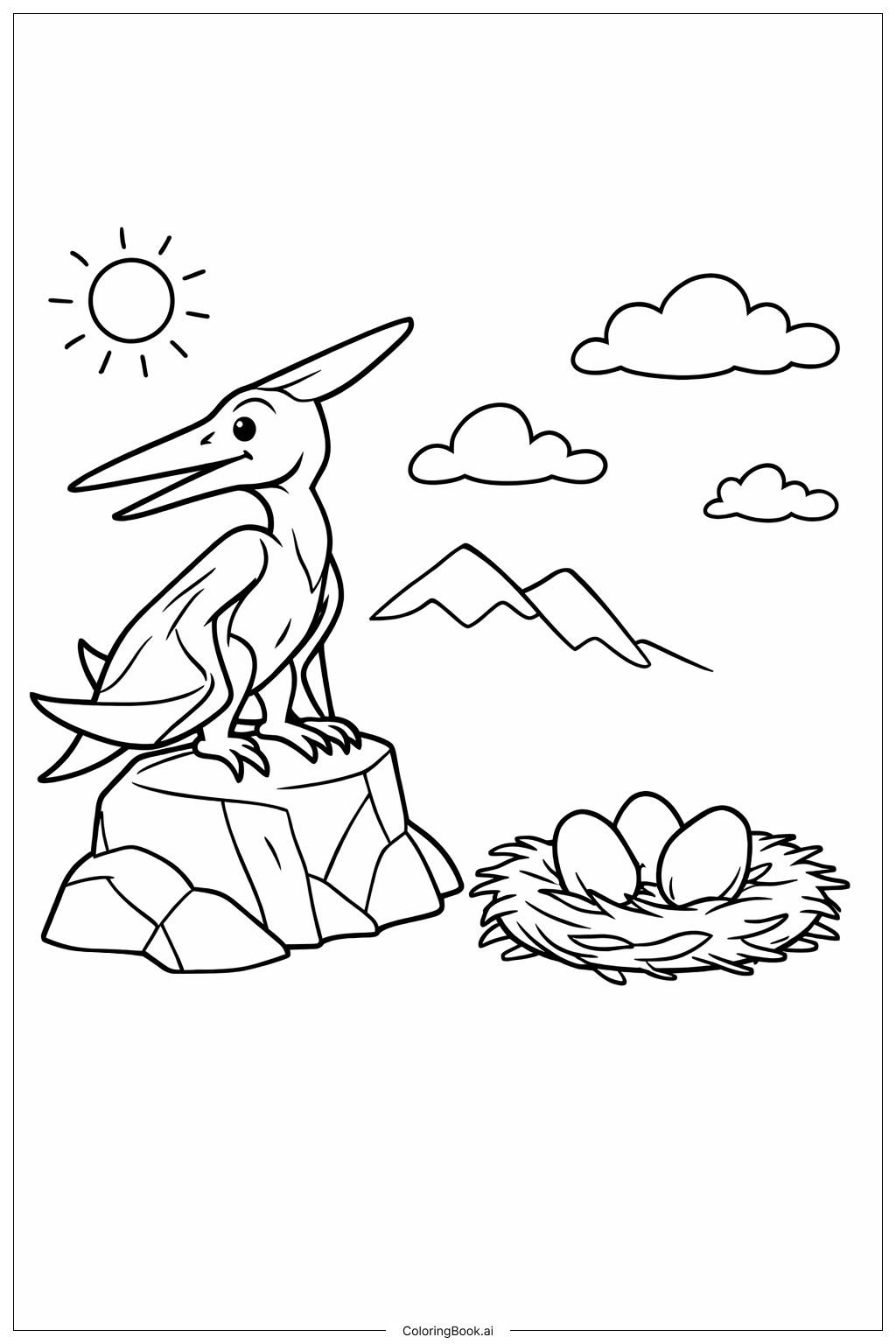
Coloring tips: How to color Jurassic Park Pterodactyl Nest coloring page well?
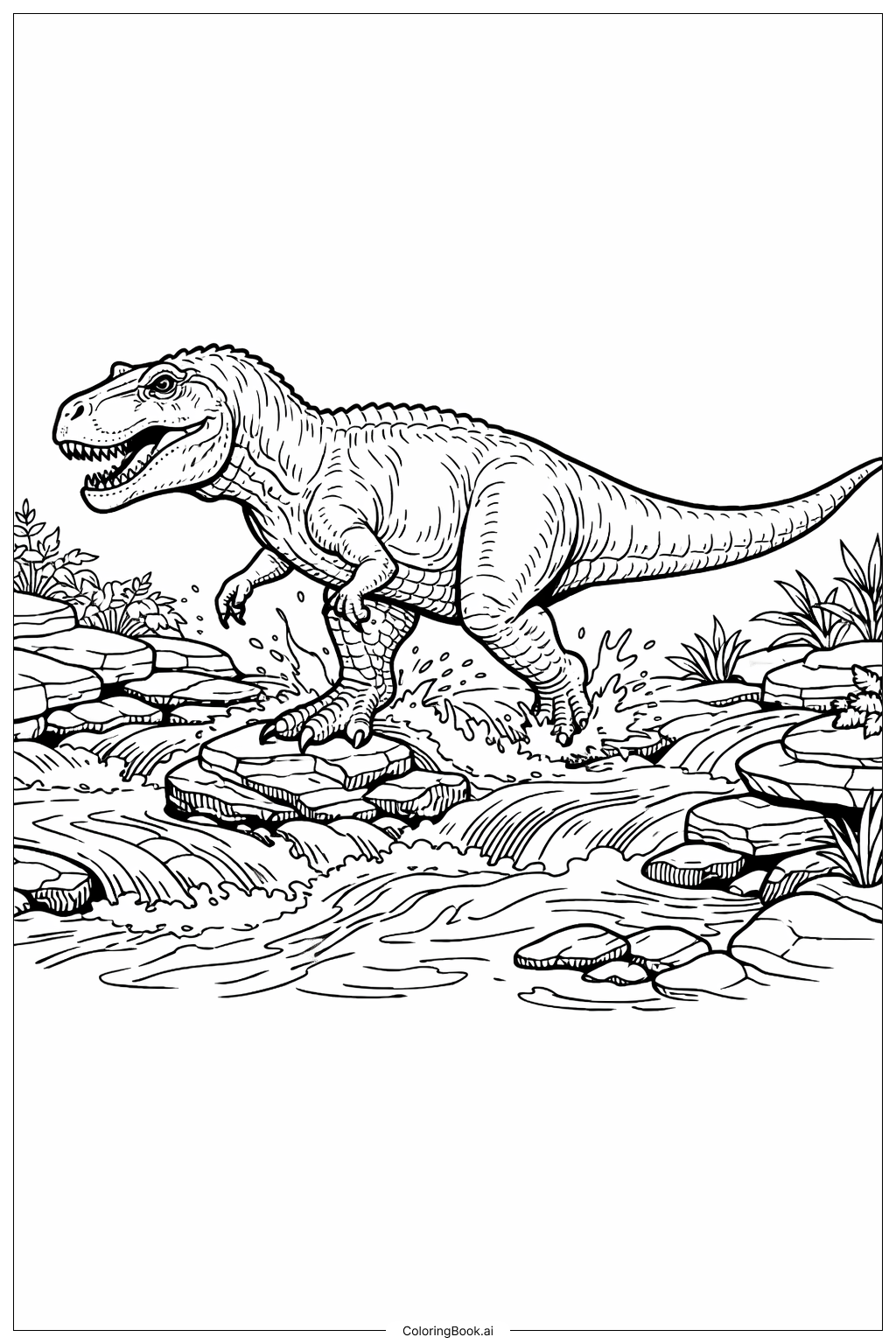
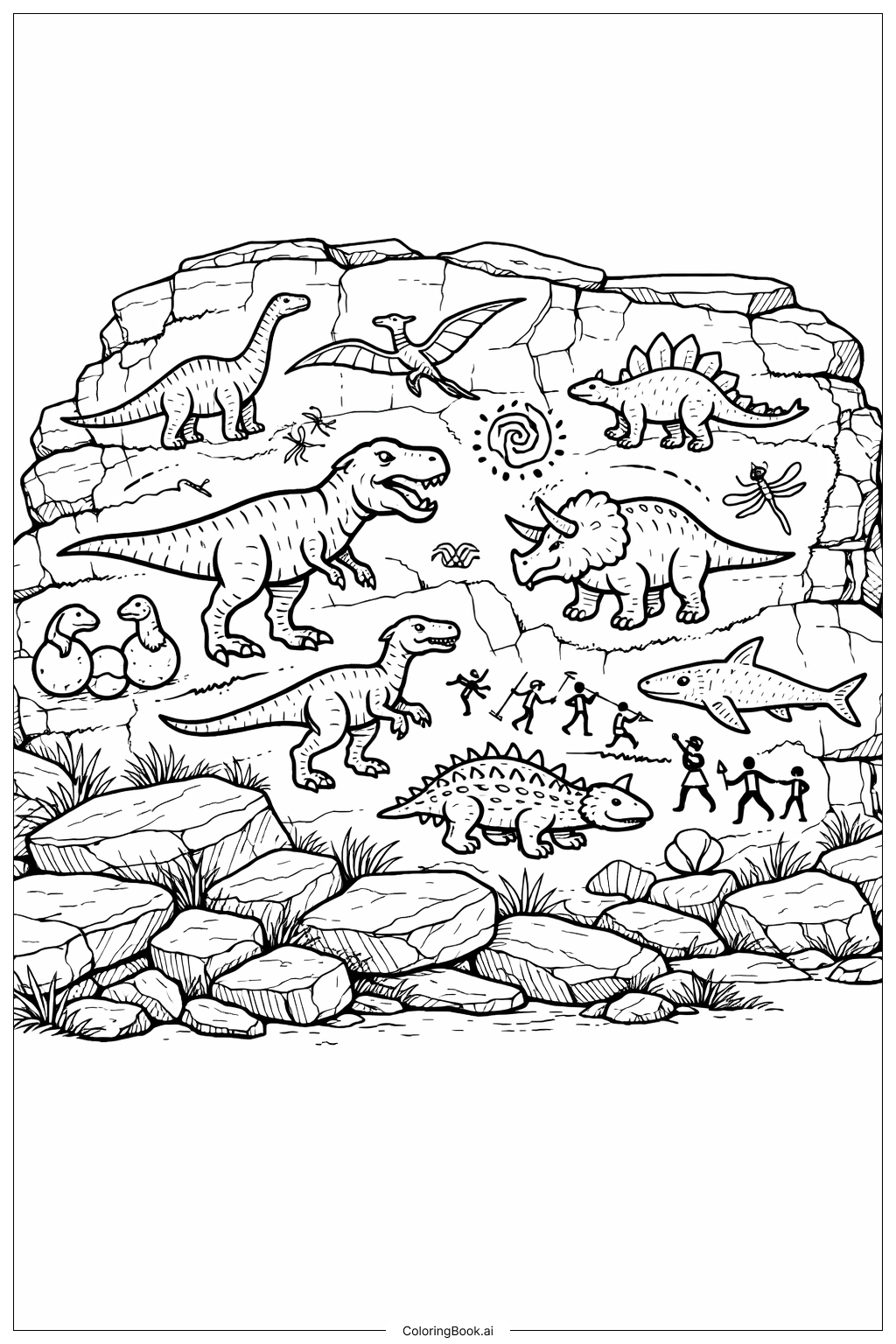
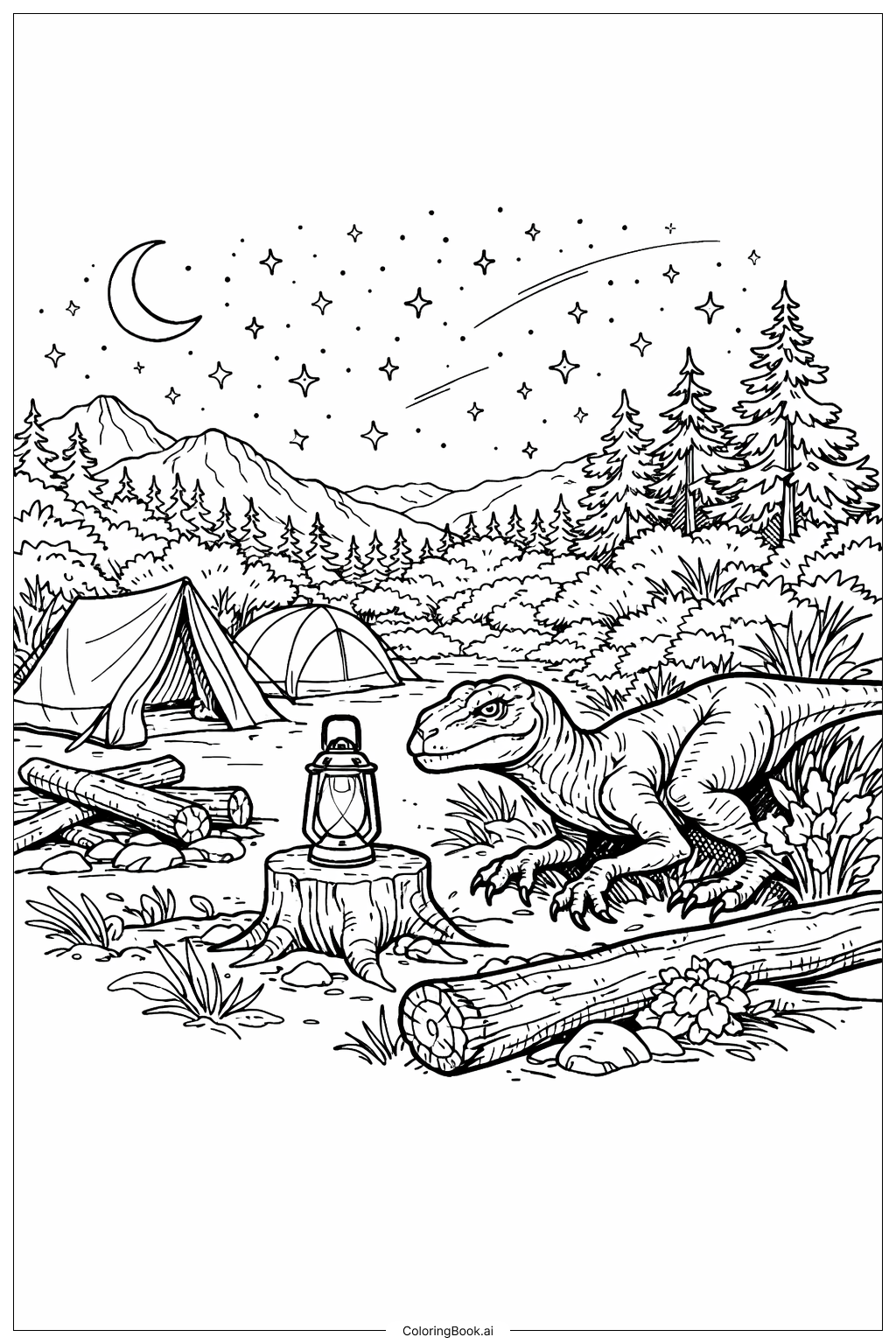
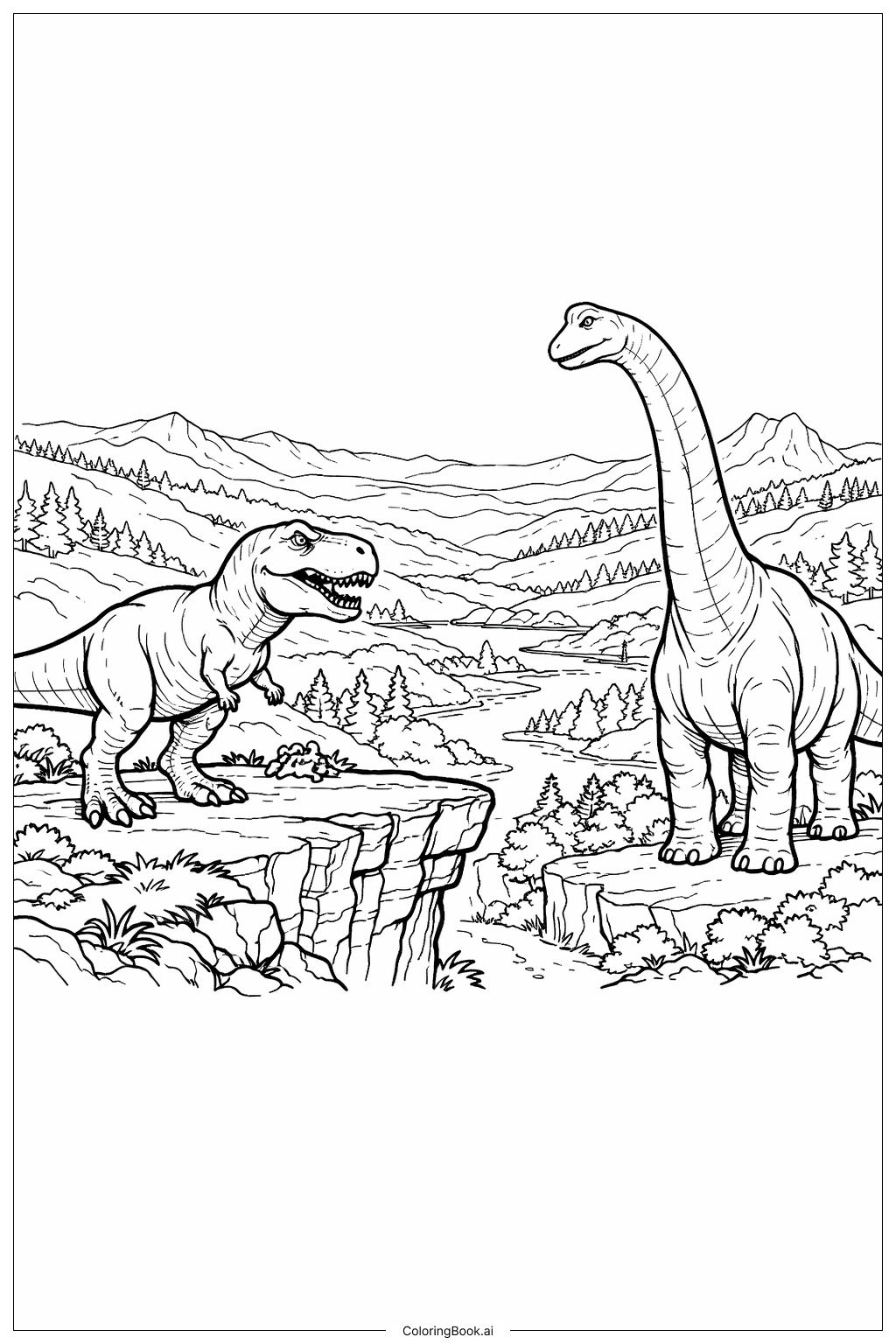
Use soft browns, grays, or muted greens for the pterodactyl to reflect its natural colors. The rock can be colored in different shades of gray or brown to give it a realistic texture. The eggs in the nest should be lighter colors such as white or pale blue with some light shadows for depth. For the nest, try a mix of browns and yellows to show dried twigs and leaves. The sky can be bright blue or light with white or gray clouds. The sun should be bright yellow or orange to show warmth. Use smooth strokes for the sky and sun, and more detailed colors for the pterodactyl and nest to bring them to life.
Coloring challenges: Which parts are difficult to color and need attention for Jurassic Park Pterodactyl Nest coloring page?
1. Coloring the pterodactyl's body evenly can be a little tricky due to the many curves and shapes of its wings, beak, and tail.
2. The nest has many small lines representing twigs, making it harder to color inside the fine details.
3. Coloring the eggs with light shades requires care to avoid making them look dull or too plain.
4. The rocks have geometric shapes that need consistent shading to look natural.
5. The background sky and cloud shapes are large areas that need smooth, even coloring to keep the image balanced without overpowering the main subjects.
Benefits of coloring books: Advantages of drawing Jurassic Park Pterodactyl Nest coloring page
Coloring this picture helps children improve hand-eye coordination by staying within detailed spaces like the nest and pterodactyl. It encourages observation skills as kids choose natural colors for animals and landscapes. The image inspires creativity with a balance between simple skies and detailed animals. It also teaches patience with tricky areas like the eggs and the rocky textures. Overall, this picture is a fun way to learn about dinosaurs and practice coloring skills.