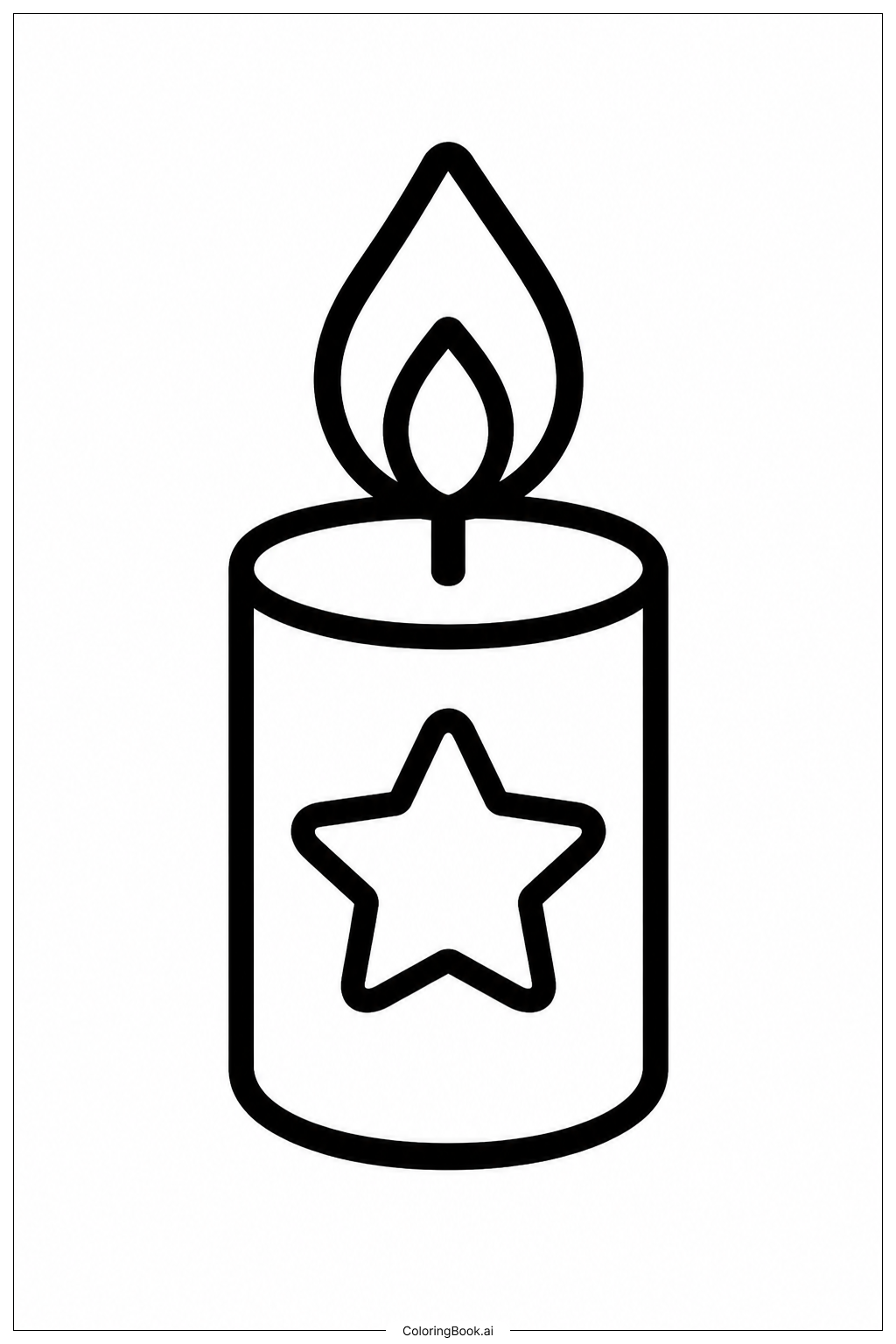
Coloring tips: How to color Juneteenth Single Candle coloring page well?
Start with the candle flame. Use warm yellows and oranges at the center, then blend into deeper reds at the outer edges to show heat and glow. For the candle body, try deep red or black — both are colors connected to Juneteenth. You can also add green for the candle base to complete the classic Juneteenth colors of red, black, and green. Color the rays of light in soft gold or pale yellow to give a glowing effect. For the leaves and flowers around the candle, use rich greens and pops of red or gold. If you want the flame to stand out, keep the background lighter — try a soft cream or pale blue. Do not be afraid to press firmly with your colors to make the image feel bold and powerful. This image is a great chance to explore warm, celebratory colors that honor the spirit of Juneteenth.
Coloring challenges: Which parts are difficult to color and need attention for Juneteenth Single Candle coloring page?
• Flame Gradients: The candle flame requires smooth color blending from pale yellow at the center to bright orange and deep red at the edges. Achieving this gradient without hard lines can be tricky, especially for younger colorists. Take your time and use light pressure first, then layer colors slowly.
• Small Decorative Details: The symbols and small patterns on the candle body are narrow and closely spaced. Staying inside these tiny areas without going over the lines takes a steady hand and a sharp, fine-tipped colored pencil or marker. Younger children may need a thicker tool and a little extra patience.
• Light Ray Effects: The rays spreading out from the flame need careful color choices to look like real glowing light. Using very light pressure and pale shades close to the flame, then gradually fading outward, helps create a natural glow. Pressing too hard or using dark colors here can flatten the sense of light.
• Leaf and Floral Border: The vines and flowers surrounding the candle have layered shapes that overlap each other. Deciding which leaves go in front and which go behind — and using slightly different shades of green to show depth — adds realism but requires planning before you start coloring.
• Color Harmony and Symbolism: Choosing colors that honor Juneteenth — red, black, and green — while keeping the whole image balanced and visually pleasing is a thoughtful challenge. Too many clashing colors can distract from the candle as the focal point. Planning your color palette ahead of time makes the finished piece feel intentional and meaningful.
Benefits of coloring books: Advantages of drawing Juneteenth Single Candle coloring page
Coloring this Juneteenth Single Candle image is a wonderful way to learn about an important day in history while having fun with colors. As you fill in the flame and candle, you practice patience and focus — skills that help in school and everyday life. Choosing colors that match the meaning of Juneteenth, like red, black, and green, helps you think about why colors and symbols matter to people and communities. The detailed leaves and small patterns help build fine motor skills, which improve handwriting and hand-eye coordination. For younger children, this is a gentle and creative introduction to a significant cultural holiday. For older kids and adults, it is a quiet, meditative activity that encourages reflection on themes of freedom and hope. Coloring also helps reduce stress and brings a sense of calm, no matter your age. When you finish, you will have a piece of art that carries real meaning — something you can be proud to display or share with others as a reminder of why Juneteenth is celebrated and remembered.