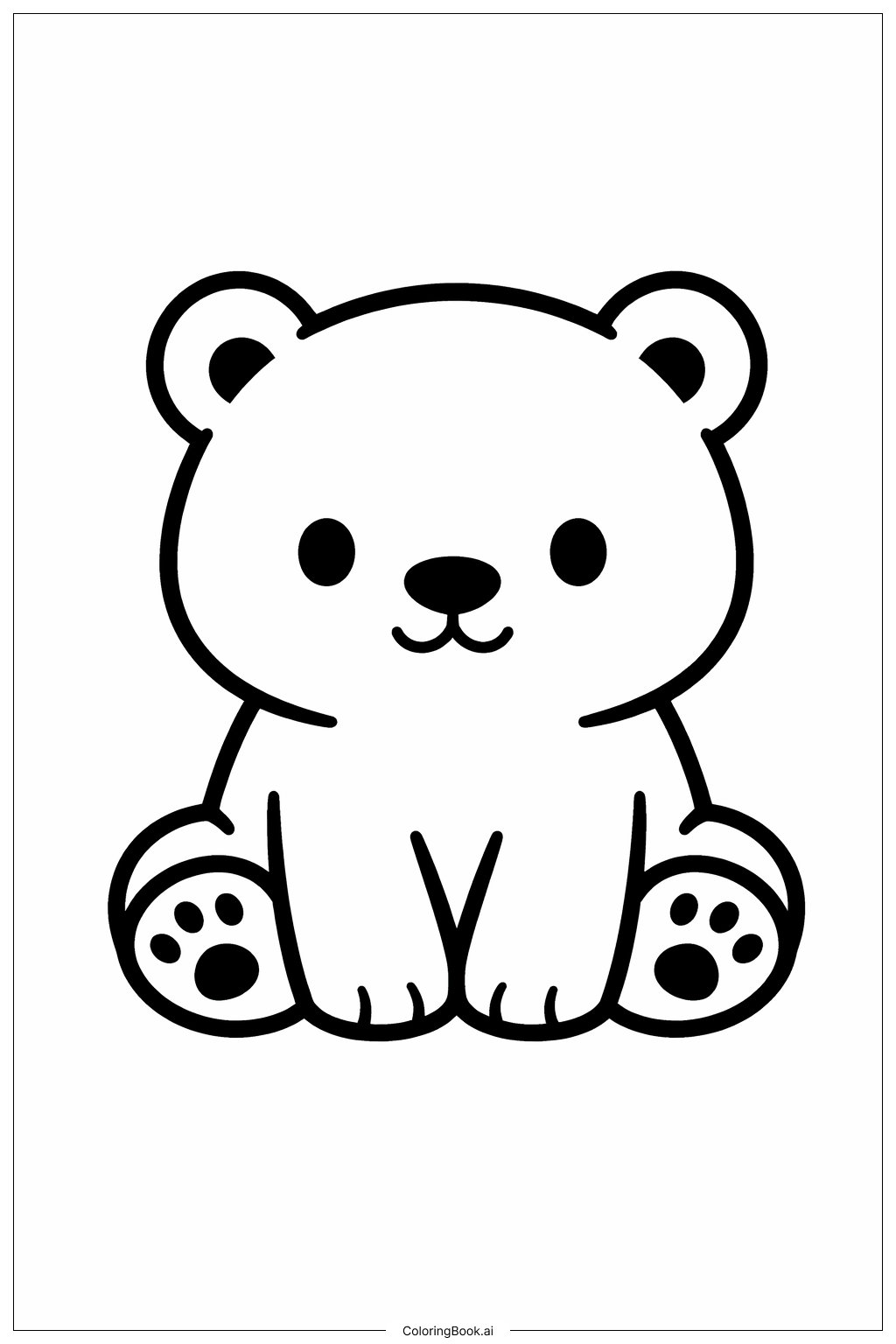
Coloring tips: How to color January Polar Bear Cub coloring page well?
For coloring this polar bear cub, start with light colors like pale blues, soft grays, or gentle whites to keep a realistic polar bear look. You can add shadows with slightly darker shades of blue or gray to show the bear’s fur texture. Use pink or light brown to color the paw pads and inner ears for a cute touch. If you want a fun twist, try using bright colors or patterns to make the bear unique! Color the background with winter-related colors like icy blue, white snowflakes, or a soft gray sky to create a January atmosphere.
Coloring challenges: Which parts are difficult to color and need attention for January Polar Bear Cub coloring page?
1. Maintaining a realistic look using mostly light colors can be tricky because it’s easy to leave too much white or use too much dark color.
2. Adding shadows and fur texture needs careful coloring to keep the softness of the bear’s fur but also show dimension.
3. Coloring the small details like the paw pads and the inside of the ears requires precision.
4. Balancing the color of the bear with the background so the main image stands out but the scene still feels complete.
5. Avoiding colors bleeding outside the lines to keep the neat and clean look of the polar bear cub.
Benefits of coloring books: Advantages of drawing January Polar Bear Cub coloring page
Coloring this polar bear cub helps children improve their fine motor skills by staying inside the lines, especially on smaller areas like paws and ears. It encourages creativity through color choices, allowing kids to decide if they want to keep a natural look or make it colorful and fun. The simplicity of the design makes it accessible for beginners, while the shading suggestions offer a challenge for more advanced colorers. It also teaches kids about animals that live in cold places like the Arctic, linking art with nature education.