Coloring tips: How to color January Baby Deer coloring page well?
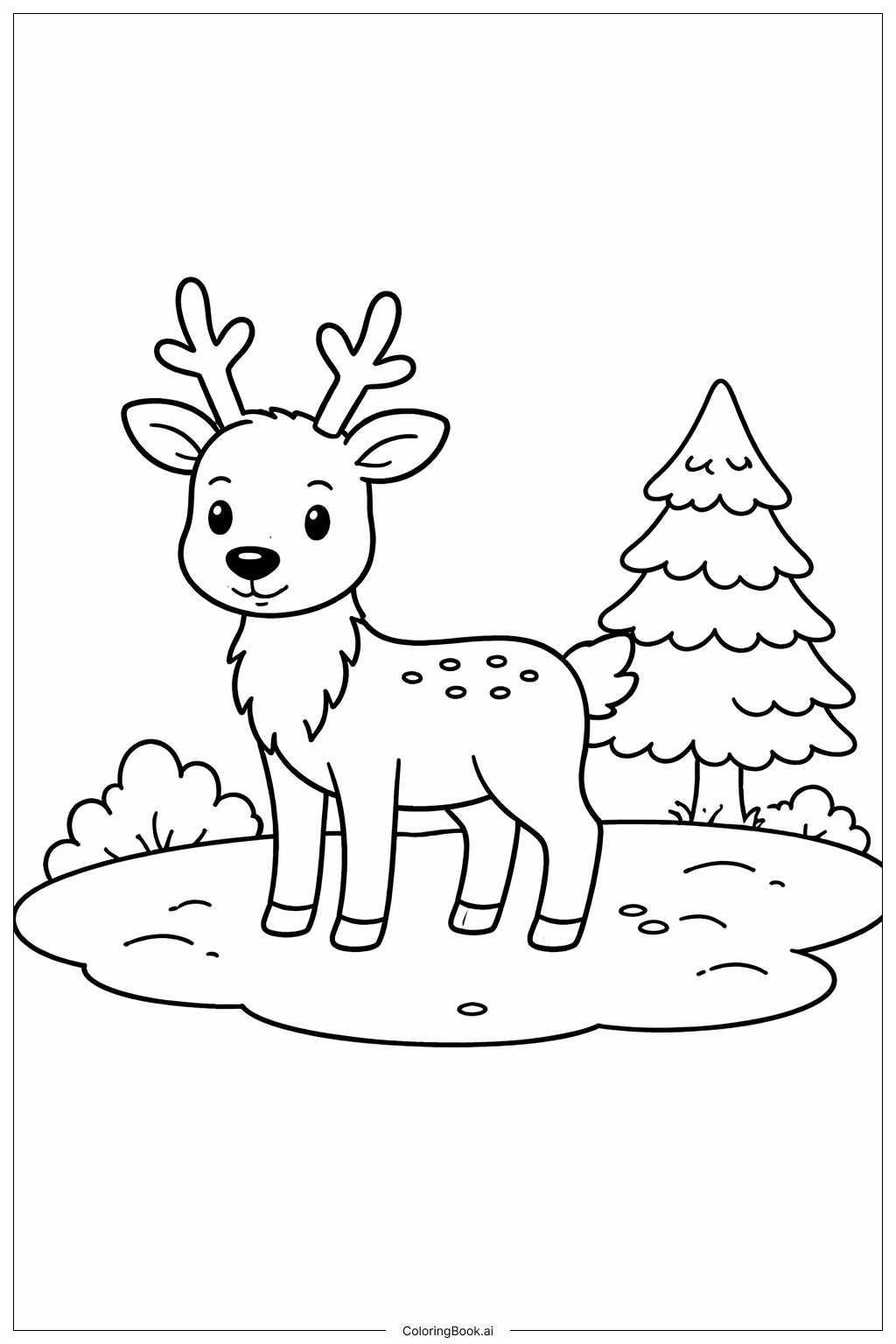
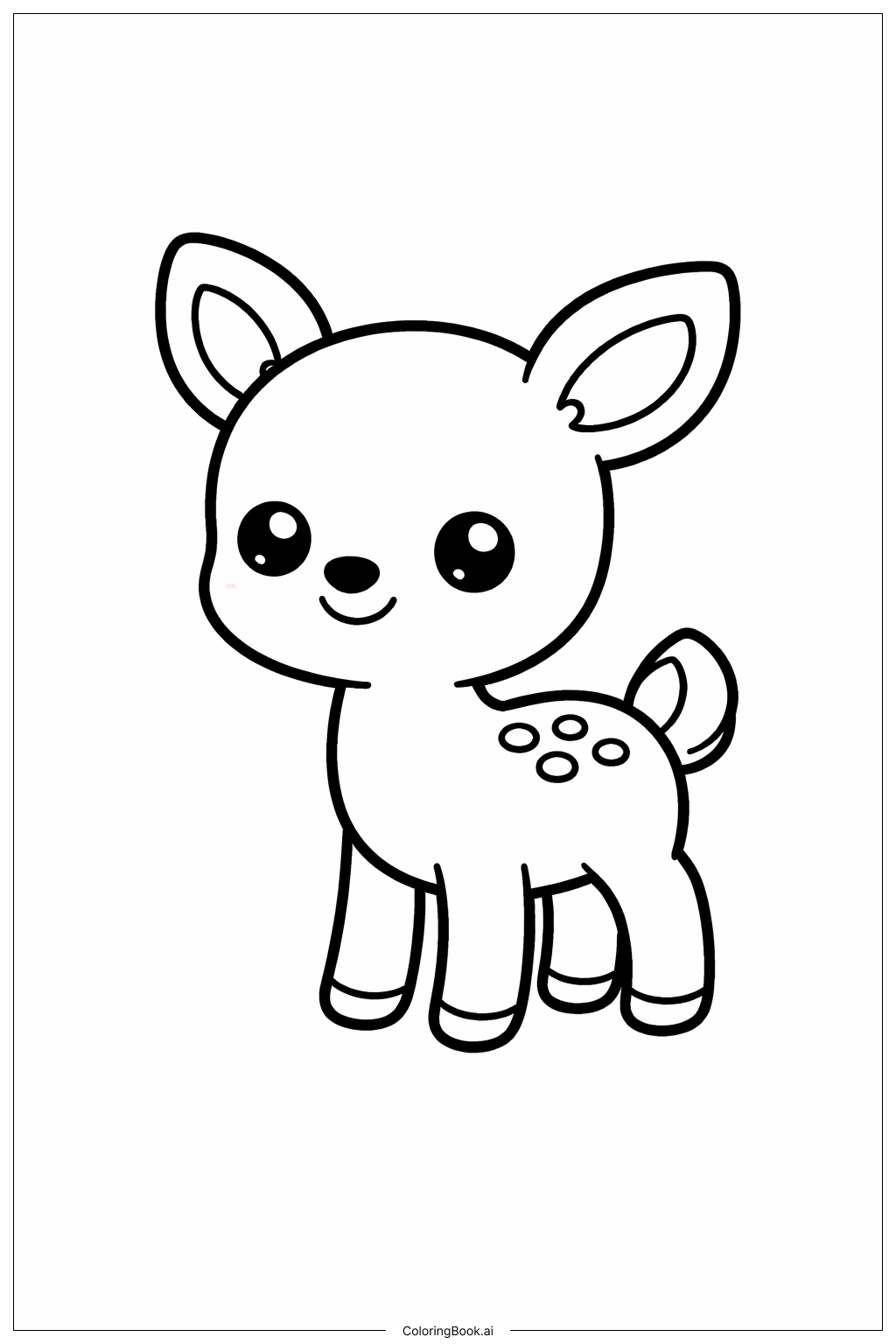
Use soft browns and tans to color the baby deer’s body. Light orange or cream can be used for the inner ears and tail. The little spots on the back can be in a lighter shade or white to show the natural look. Adding a touch of pink inside the ears and on the nose can make the deer look even cuter. For the eyes, use black and leave some small white parts to keep the shiny effect. The background can be colored with greens and blues to create a forest or sky scene if you like. Try blending colors gently to keep the deer looking soft and natural.
Coloring challenges: Which parts are difficult to color and need attention for January Baby Deer coloring page?
1. Small Spots: Coloring the small spots requires careful attention to avoid going outside the lines. It may be tricky for younger children to stay within these tiny areas.
2. Large Eyes: Keeping the shiny parts white in the eyes while filling the rest with black can be a challenge to get the right look.
3. Ear Inside: The inner parts of the ears are curved and small, so coloring smoothly without overlapping the lines might be difficult.
4. Legs and Hooves: The feet have small bands that need precise coloring to look neat.
5. Consistent Color: Coloring the entire body evenly without patchy areas is important to make the deer look nice and smooth.
Benefits of coloring books: Advantages of drawing January Baby Deer coloring page
Coloring this baby deer helps kids practice fine motor skills by staying inside the lines. It encourages creativity as they can choose different colors for the deer and background. This activity also improves focus and patience, especially when working on small details like the spots and eyes. Coloring such a friendly animal image can boost confidence and make kids feel proud of their work. Additionally, it helps with color recognition and blending skills.