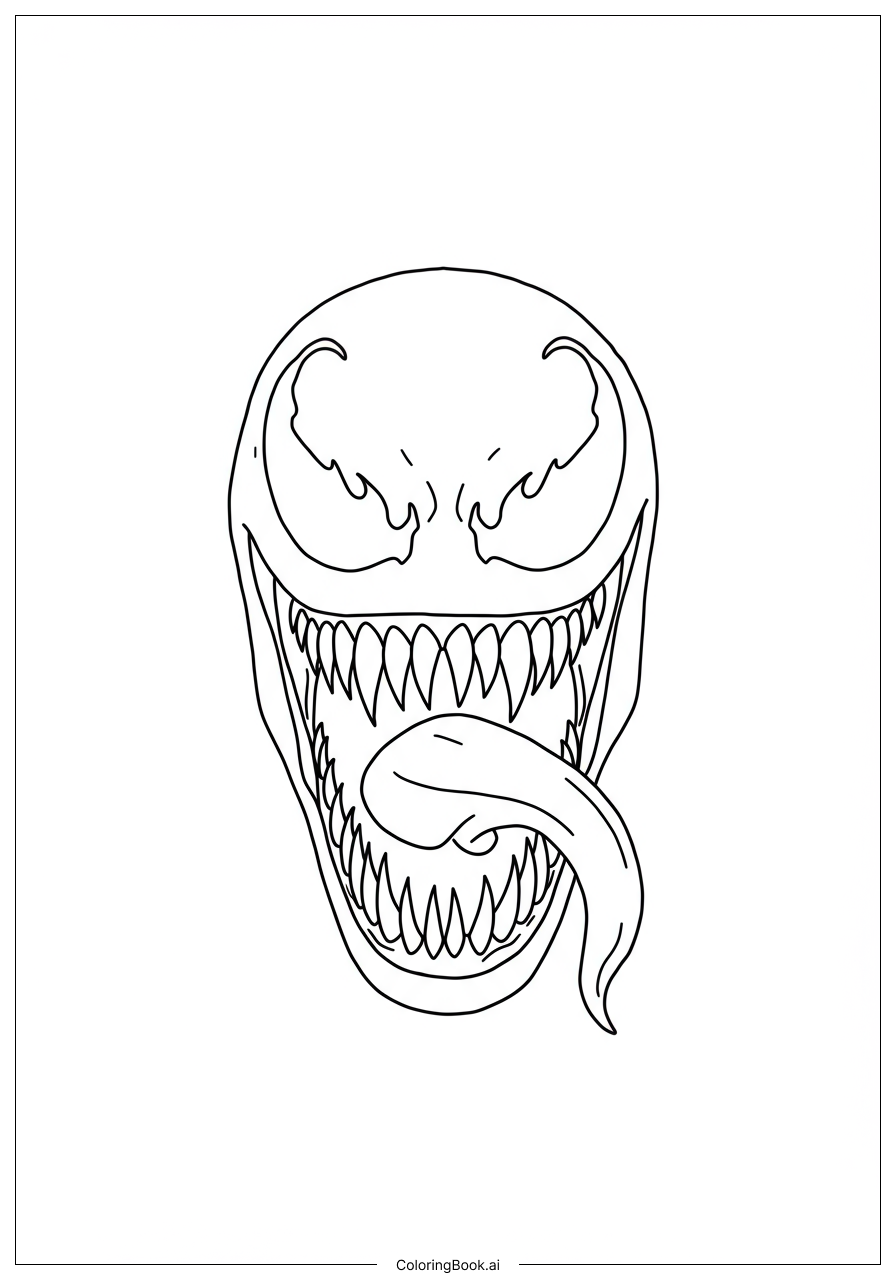
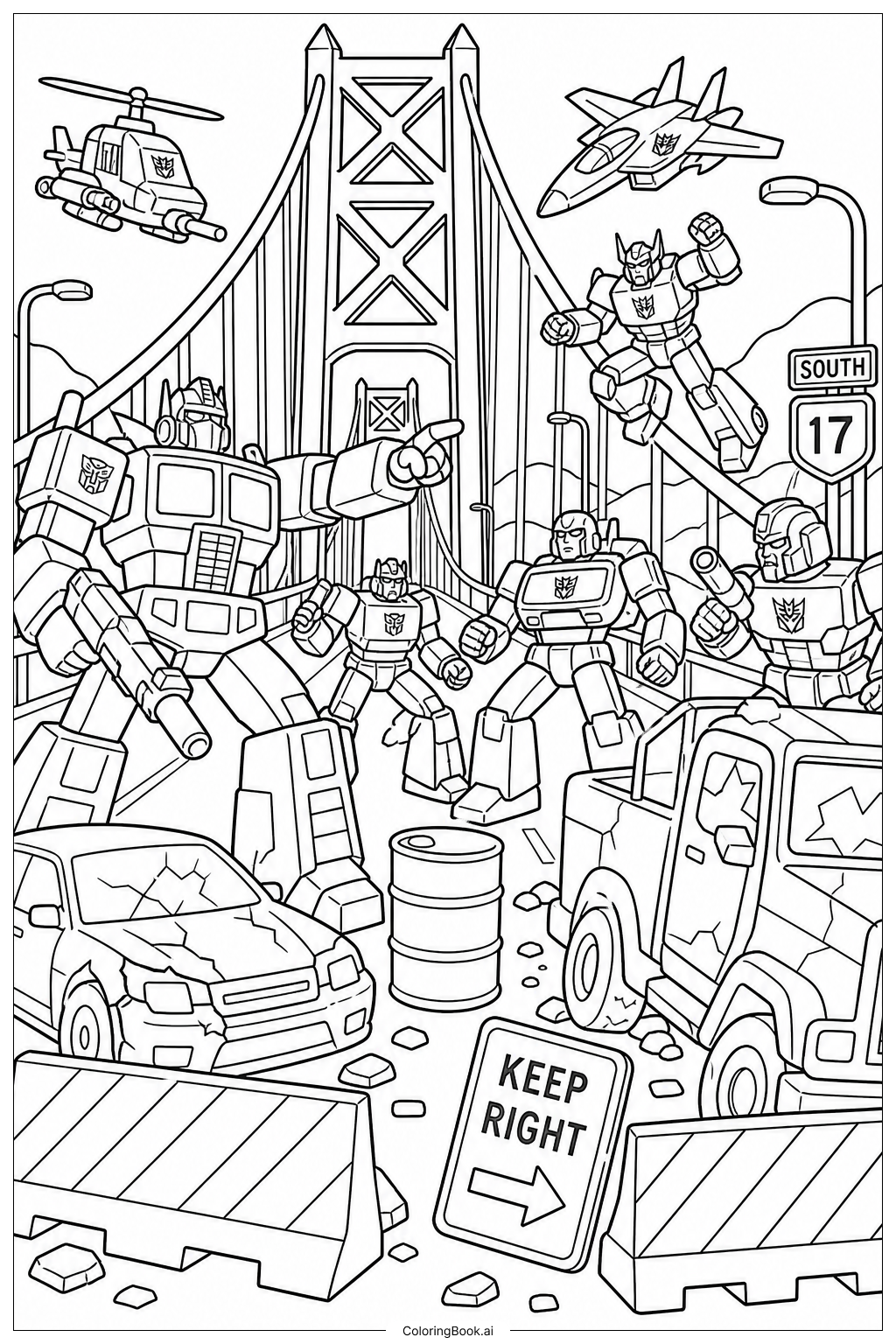
Coloring tips: How to color Iron Man Helmet Close-Up coloring page well?
Start with the main helmet body using a bold red. Use a slightly darker red or crimson for the recessed panel areas to create depth. The eye slots and any glowing reactor details work great in bright gold or yellow, and you can add a soft orange glow around the edges to make them pop. The forehead and cheek panels look sharp in gold as well, matching the classic red-and-gold color scheme. For a more dramatic look, try a metallic silver on the smaller mechanical details and panel seams. If you want a different feel, go for a stealth version using dark gray and black. Light blue works beautifully for the eyes if you want an energy-glow effect. Younger colorists can keep it simple with solid red and yellow, while older kids and Adults can experiment with shading, highlights, and gradient effects to make the armor look truly three-dimensional.
Coloring challenges: Which parts are difficult to color and need attention for Iron Man Helmet Close-Up coloring page?
• Panel Line Precision: The helmet is covered in thin, closely spaced geometric panel lines. Staying inside these narrow borders without letting colors bleed across sections requires a fine-tipped marker or a sharpened colored pencil. Rushing this step can make the armor look flat and undefined rather than structured and mechanical.
• Eye Slot Shading: The triangular eye slots are small and angular, making it tricky to fill them evenly. Creating a convincing glow effect — bright in the center fading outward — demands patience and careful blending. Using two or three shades of yellow or blue in tight spaces is a real test of control.
• Curved Surface Shading: The helmet has a rounded, three-dimensional form. To make it look like real metal rather than a flat drawing, colorists need to add highlights along the top edges and darker tones along the lower and inner sections. Understanding where light would naturally hit a curved surface takes practice and observation.
• Multi-Layer Armor Segments: The cheeks, temples, and jaw all feature overlapping armor plates. Each plate should be colored slightly differently — or with subtle value shifts — to separate them visually. Without this distinction, the overlapping sections can blur together and lose their structural detail.
• Consistent Metallic Finish: Achieving a uniform metallic look across the entire helmet is challenging. The red sections, gold accents, and silver details must all feel like they belong to the same shiny surface. Inconsistent pressure or uneven strokes can break the illusion of polished armor plating.
Benefits of coloring books: Advantages of drawing Iron Man Helmet Close-Up coloring page
Coloring this Iron Man helmet page offers a range of rewarding benefits for kids and Adults alike. Working through the detailed panel lines and mechanical shapes is excellent practice for fine motor skills, helping younger colorists build the hand control they use every day in school and at home. Choosing colors for the armor — whether sticking to the classic red and gold or inventing a custom paint job — sparks creative thinking and encourages personal expression. The structured, geometric nature of the design also promotes focus and patience, as completing each section requires careful attention. For older kids and teens, experimenting with shading and metallic effects introduces basic concepts of light, shadow, and form that connect directly to art and design. Beyond the technical benefits, there is something genuinely fun about bringing a favorite superhero to life with your own color choices. It creates a sense of accomplishment and pride when the finished page looks exactly how you imagined it. Coloring is also a calming, screen-free activity that helps reduce stress and gives the mind a creative outlet after a busy day.