Coloring tips: How to color It Will Be OK Flowers coloring page well?
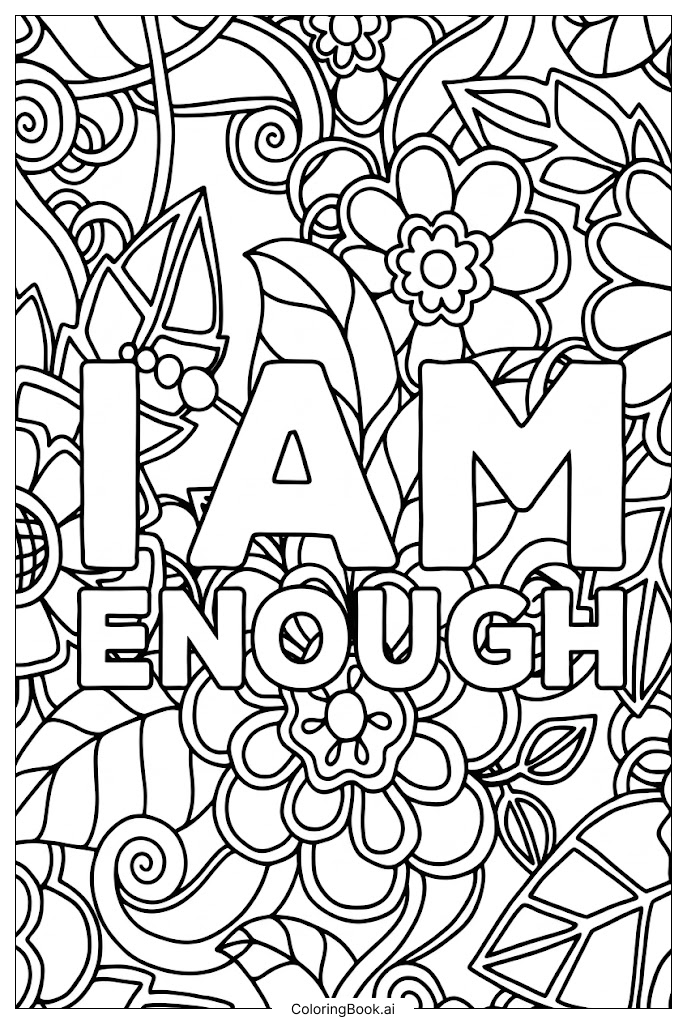
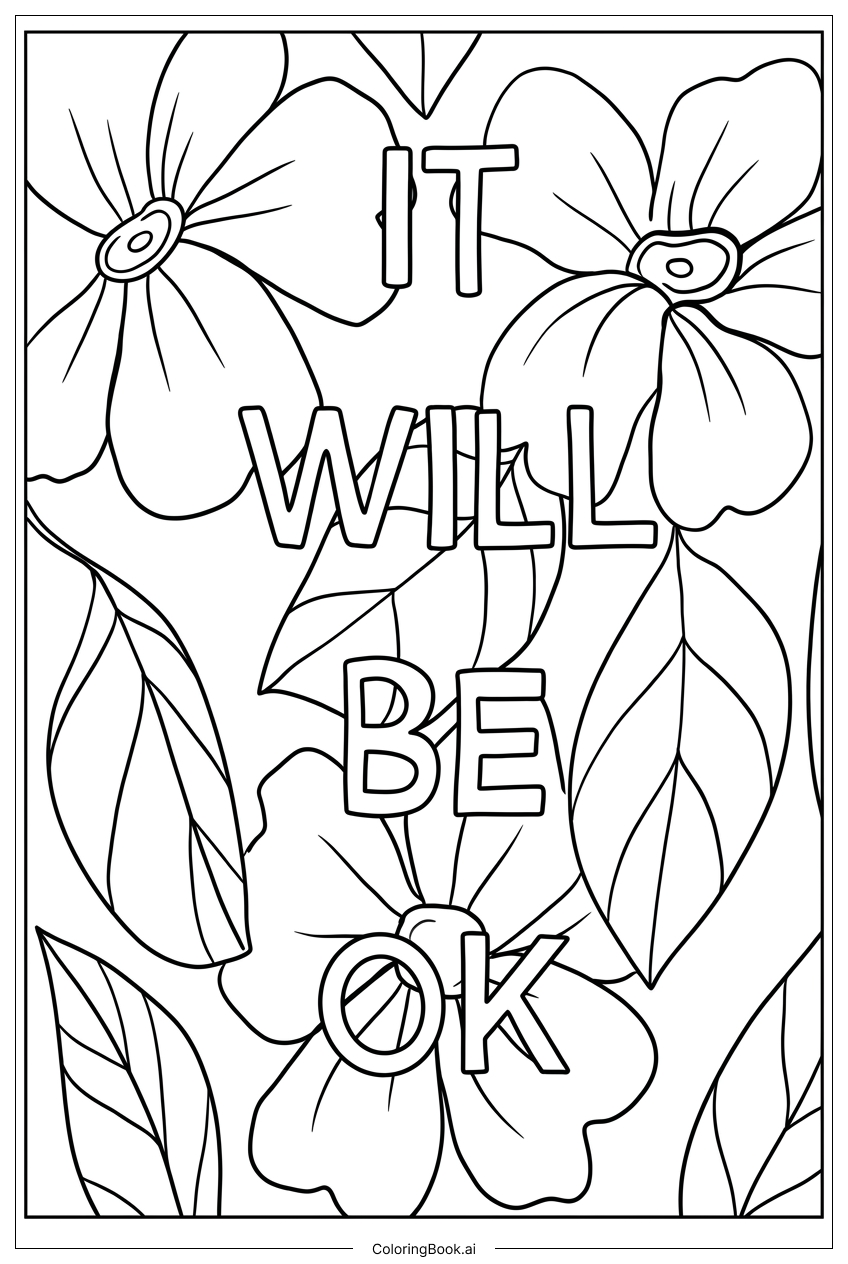
Start with the flowers first. Use bright, cheerful colors like yellow, pink, coral, and lavender for the petals. Give each flower a different color so the bouquet looks lively and fun. For the leaves and vines, use shades of green — mix light green and dark green to add depth. The background can be left white or filled with a soft color like pale blue or light yellow to make the flowers pop. For the message "It Will Be OK," try using bold colors like deep purple, bright blue, or warm orange. You can even use a gradient effect by blending two colors across the letters. Add small details last — tiny dots, swirls, and buds can be colored in gold, cream, or a contrasting accent color. Take your time and enjoy the process. There is no wrong way to color this page.
Coloring challenges: Which parts are difficult to color and need attention for It Will Be OK Flowers coloring page?
• Intricate Flower Petals: Each flower contains multiple overlapping petals with thin outlines. Staying inside the lines without smudging neighboring petals requires a fine-tipped coloring tool. Younger colorists may find it helpful to use colored pencils rather than markers for better control in these tight spaces.
• Layered Leaves and Vines: The vines and leaves weave between the flowers, creating a complex layered look. Deciding which element goes "over" or "under" another can be confusing. Using lighter greens for background leaves and darker greens for foreground leaves helps create a natural sense of depth.
• Small Decorative Details: Tiny dots, swirls, and miniature buds are scattered throughout the design. These small elements are easy to overlook but make a big difference in the finished piece. A sharp colored pencil or a fine-tipped gel pen works best for coloring these without accidentally filling in the wrong area.
• Lettering of the Message: The bold rounded letters of "It Will Be OK" have enough interior space to color, but keeping the color even and smooth inside curved letter shapes can be tricky. Using short, gentle strokes and working from the edges inward helps avoid streaks or uneven patches.
• Overall Color Harmony: With so many flowers, leaves, and decorative elements, choosing colors that work well together across the entire page can feel overwhelming. Planning a simple color palette of three to five colors before starting helps keep the finished design looking cohesive and balanced.
Benefits of coloring books: Advantages of drawing It Will Be OK Flowers coloring page
Coloring this page offers a wide range of benefits for both kids and adults. The encouraging message "It Will Be OK" gives the activity an emotional dimension — as you color, the words sink in and offer a quiet sense of reassurance and hope. This makes the page especially helpful during stressful or difficult moments.
For children, filling in the flowers and swirling details builds fine motor skills and hand-eye coordination. Choosing colors and planning the palette also encourages creative thinking and decision-making.
For adults, the repetitive, gentle motion of coloring the petals, leaves, and vines is deeply calming. It shifts focus away from worries and invites a meditative, mindful state that can reduce anxiety and lower stress levels.
The finished artwork also serves as a personal reminder of resilience. Displaying it at home or gifting it to someone going through a tough time turns a simple coloring activity into a meaningful act of kindness and self-expression.
Overall, this page combines creativity, mindfulness, and emotional encouragement into one accessible and enjoyable activity that anyone can benefit from.