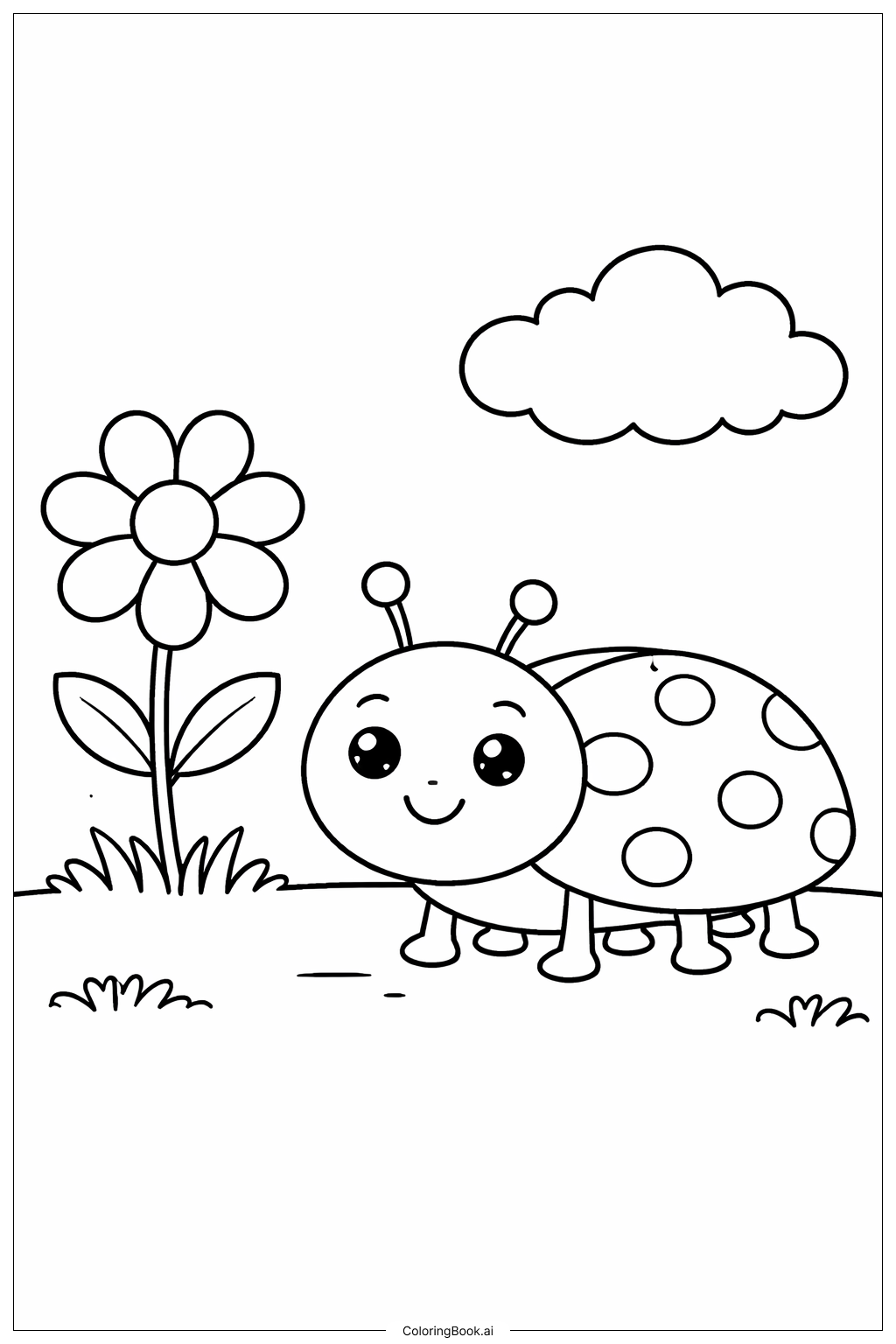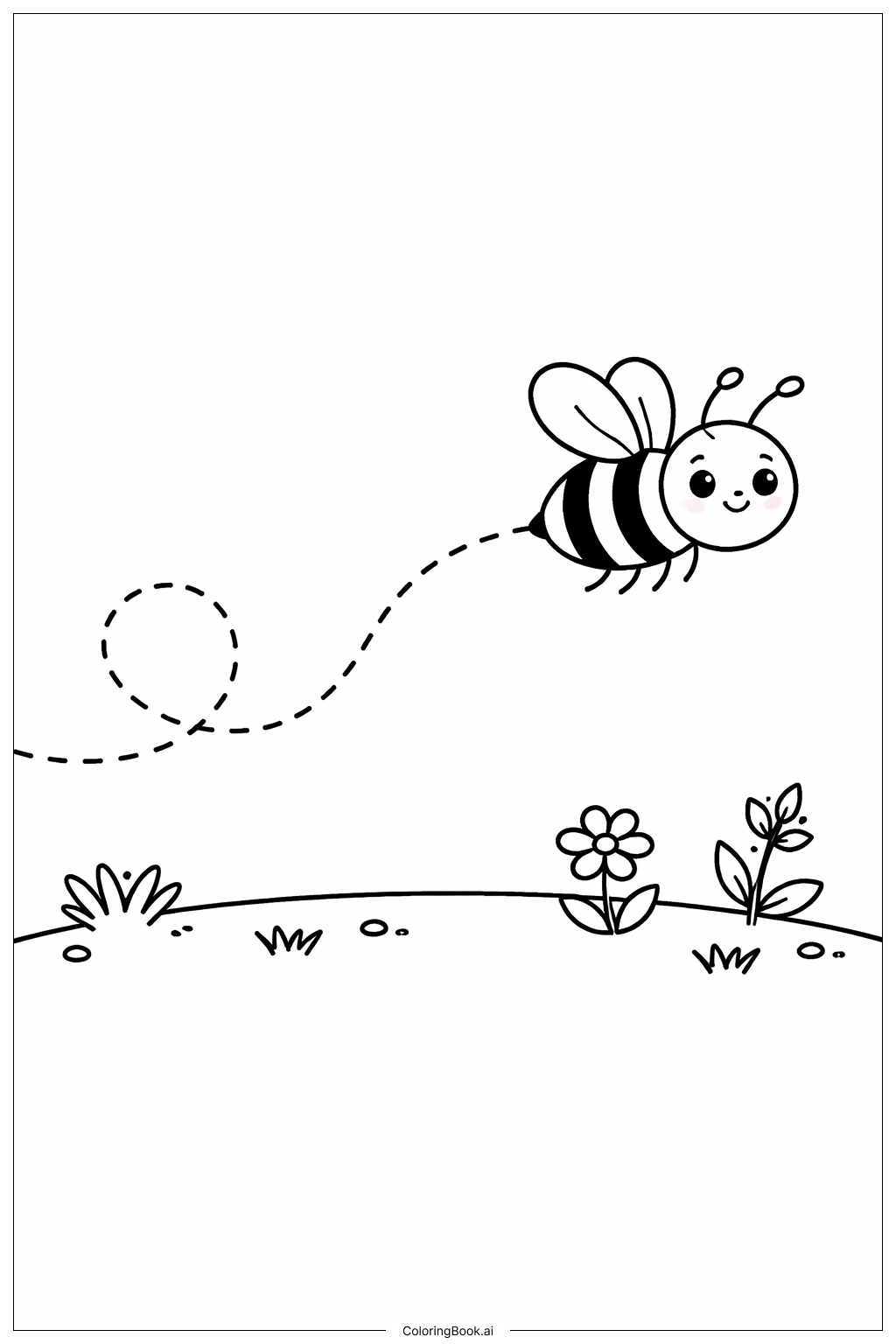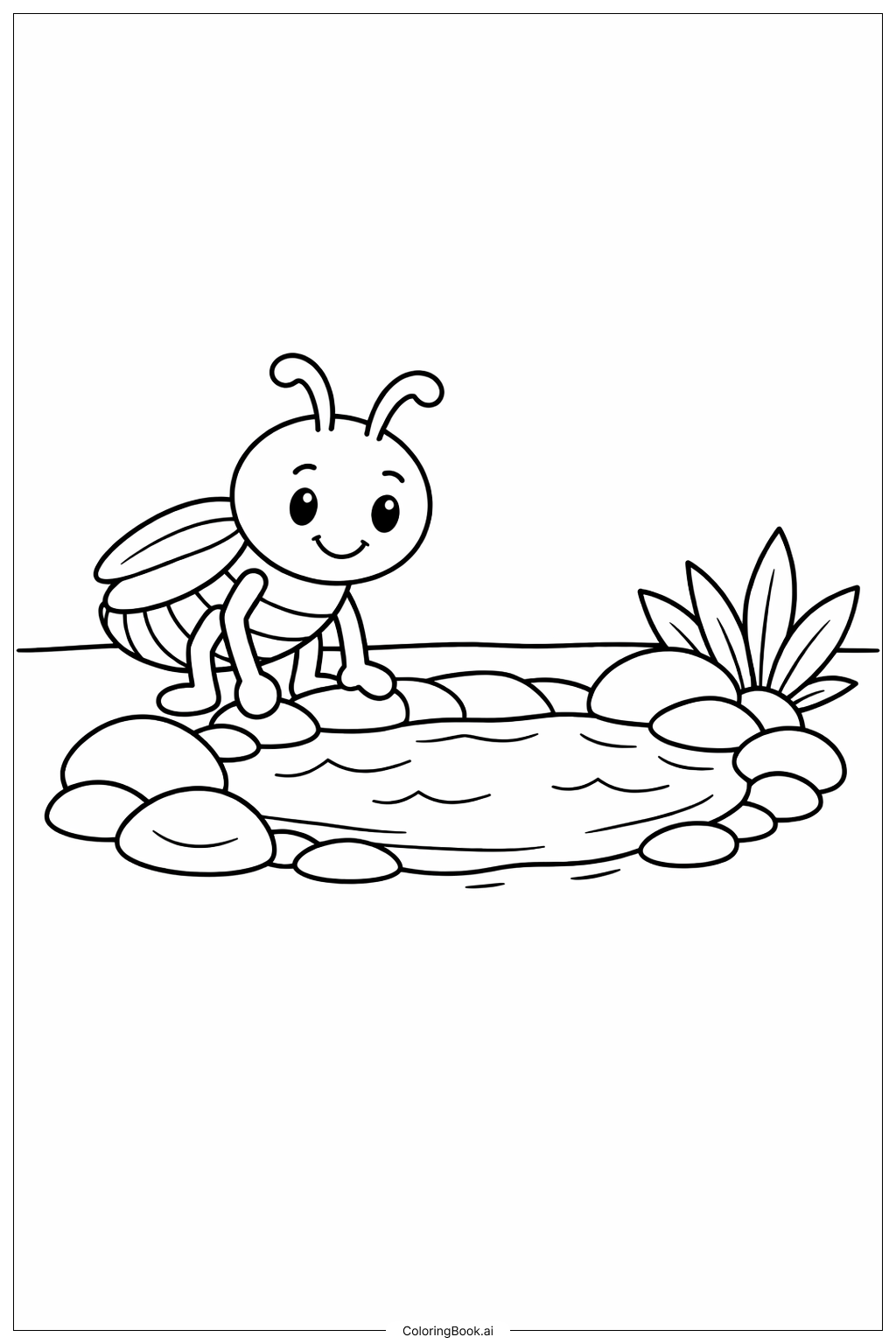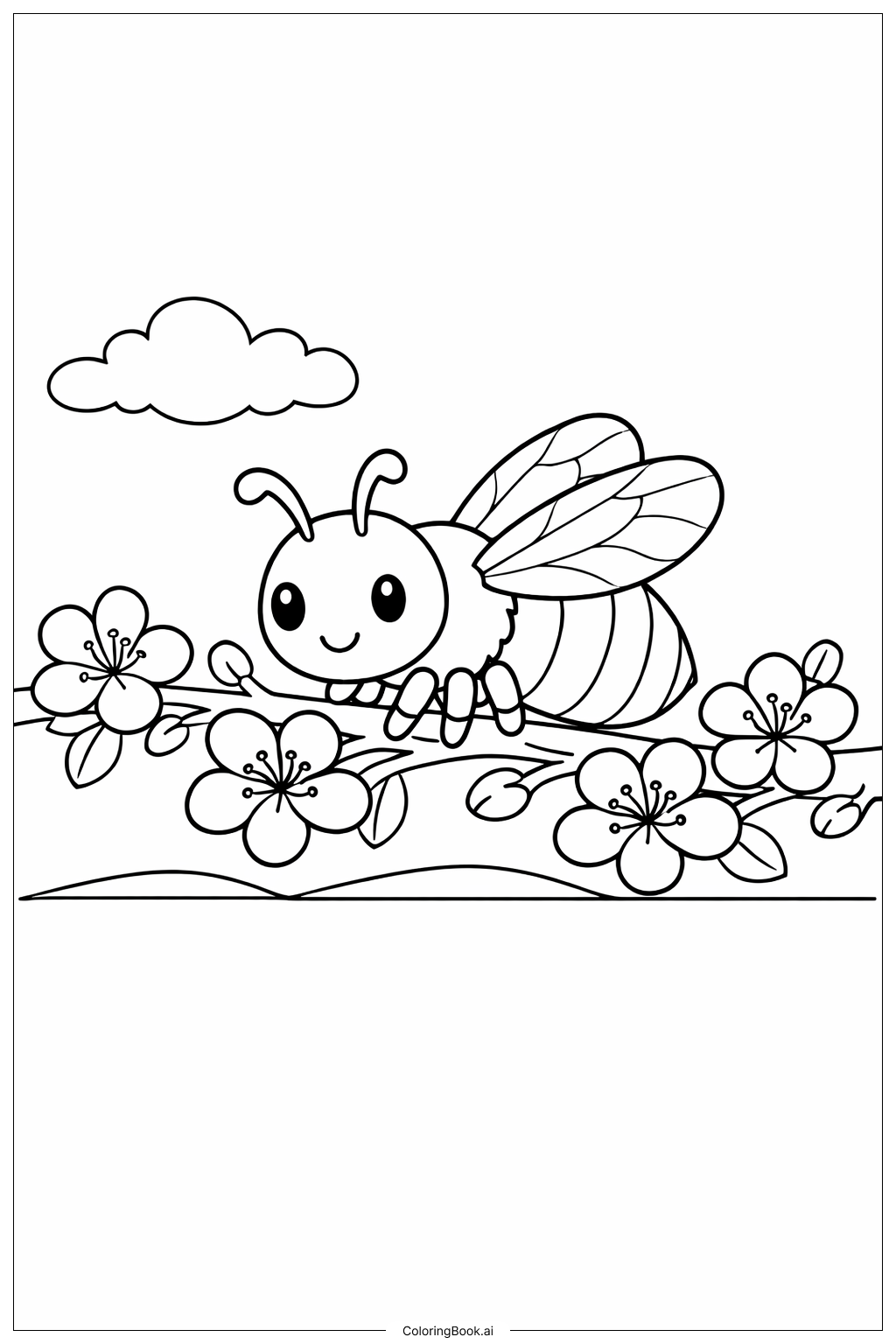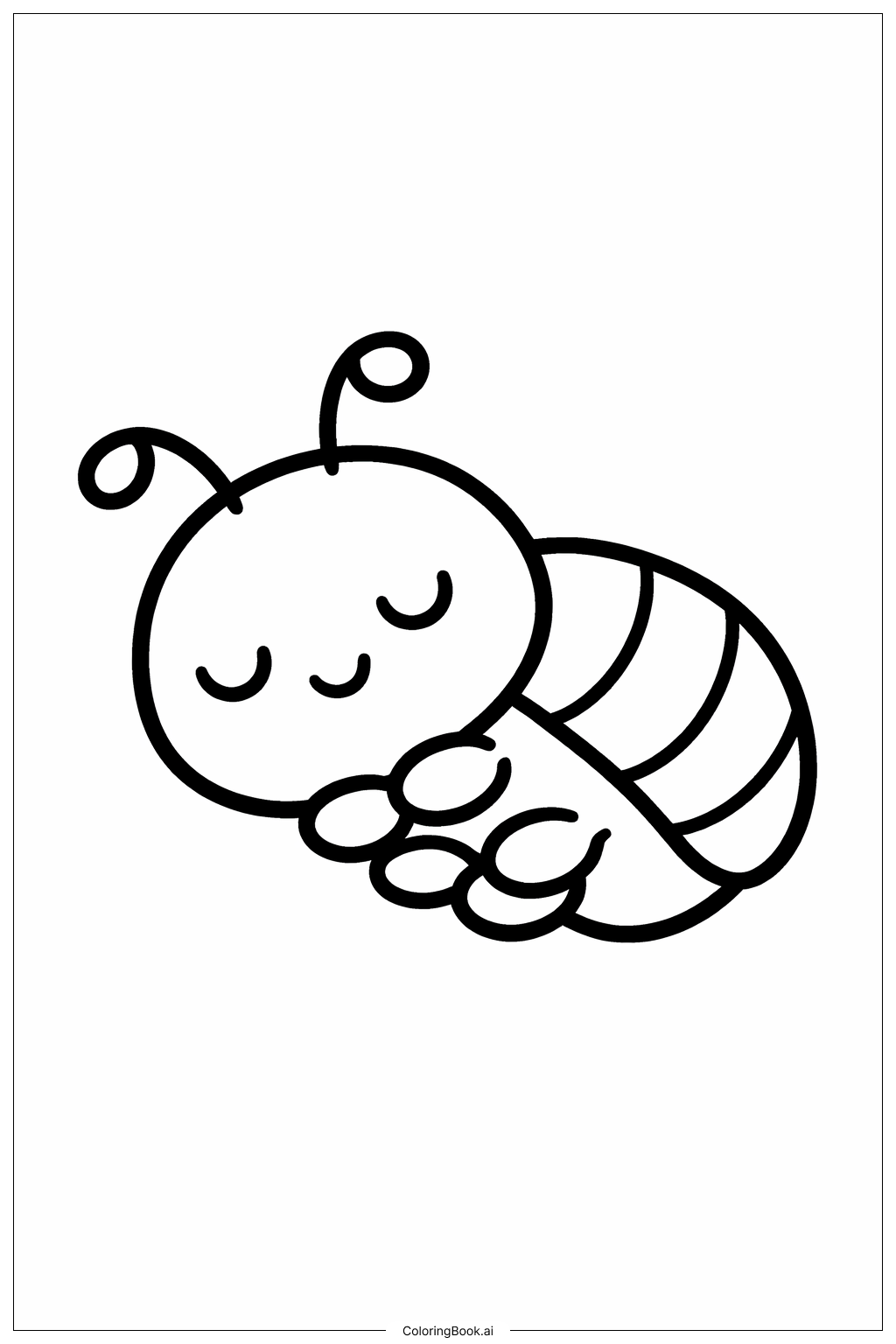
Coloring tips: How to color Sleeping Insect coloring page well?
Use bright and soft colors to make the insect look gentle and sleepy. You can try yellow or orange for the body stripes and light green or blue for the legs and antennae. Using warm colors like soft pink or light purple for the face will give it a friendly feeling. Consider blending colors gently to show the calm and sleepiness of the insect. Don’t forget to color the background with soft colors such as pale blue or light yellow to create a peaceful atmosphere.
Coloring challenges: Which parts are difficult to color and need attention for Sleeping Insect coloring page?
1. Coloring the small legs can be tricky because they are close together and need careful attention to avoid overlapping colors. 2. The antennae have spiral shapes, which require steady hand movements for neat coloring. 3. Keeping the color stripes consistent over the curved body parts needs patience and control. 4. Introducing shading might be difficult for beginners while trying to keep the look soft and smooth. 5. Choosing the right balance of colors so the insect stays cute and peaceful can be a challenge for young artists.
Benefits of coloring books: Advantages of drawing Sleeping Insect coloring page
Coloring this sleeping insect helps kids improve their focus and fine motor skills because it requires careful coloring in small areas. It encourages creativity as children decide what colors best fit the cute insect. Filling the simple shapes helps young artists build confidence. The calm image promotes a sense of relaxation and softness, making coloring a soothing activity. It also teaches kids about insects and nature in a fun way.