Coloring tips: How to color Insect with Ball coloring page well?
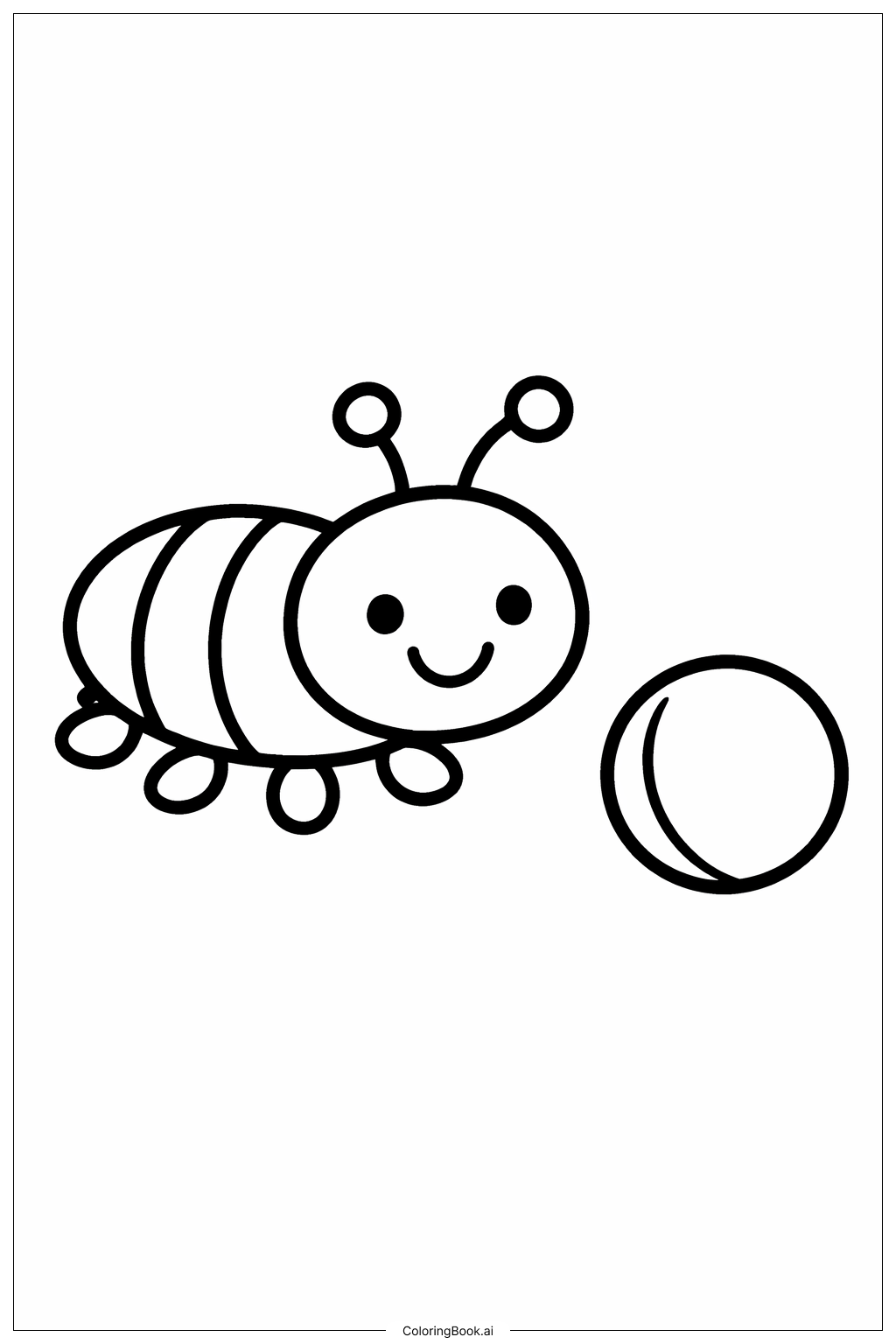
Use bright and cheerful colors for the insect, such as yellows, oranges, or greens. You can color the stripes on the insect's body a different shade to make it stand out. For the antennae and legs, use contrasting colors to add more interest. The ball can be colored in vibrant colors like red, blue, or purple. Try adding some shading or patterns on the ball to make it look more fun. Use crayons, colored pencils, or markers to fill in the spaces carefully. Take your time coloring inside the lines to make the picture neat and colorful. Feel free to add a colorful background like grass, sky, or flowers to complete the scene.
Coloring challenges: Which parts are difficult to color and need attention for Insect with Ball coloring page?
1. Coloring the small legs and antennae can be tricky because they are tiny and need careful coloring to avoid going outside the lines.
2. The stripes on the insect’s body require attention to detail to color each stripe neatly and in different colors.
3. Keeping the smile and eyes clear and bright can be a challenge because picking the right colors to make the face look happy is important.
4. Adding shading or patterns on the ball needs creativity and some careful coloring skills to make it look lively.
5. Ensuring all parts are colored evenly without leaving white spots can be hard for younger children, requiring patience and focus.
Benefits of coloring books: Advantages of drawing Insect with Ball coloring page
Coloring this insect with a ball helps kids improve their fine motor skills by practicing coloring within small spaces like the insect’s legs and antennae. It encourages creativity as children choose different colors for the insect and ball. Coloring the stripes teaches attention to detail and coordination. This activity also promotes focus and patience, as multiple parts need careful coloring. Finally, it can be a fun way to learn about insects and play, making it both educational and enjoyable.