Coloring tips: How to color Insect Visiting Flower coloring page well?
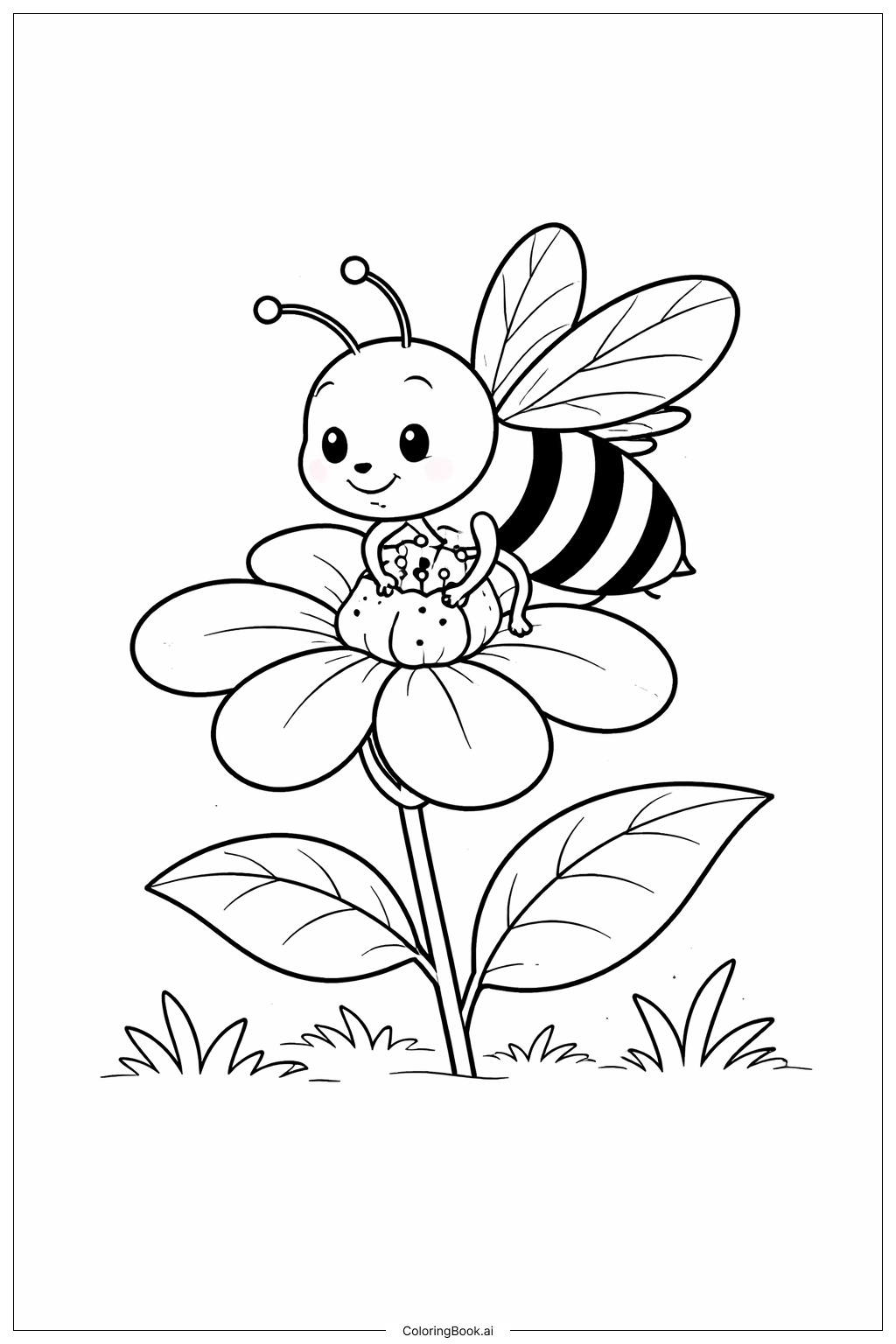
Use bright colors for the flower, such as yellows, reds, or pinks, to make it stand out. Color the insect with yellow and black stripes to look like a bee. For the wings, use light blue or gray with light shading to show transparency. The leaves can be different shades of green. Use light green for the grass to create a soft background. Try blending colors gently where petals and leaves meet. Remember to color the insect’s eyes shiny black and add a little white spot to make them look lively.
Coloring challenges: Which parts are difficult to color and need attention for Insect Visiting Flower coloring page?
1. Coloring the insect’s striped body can be tricky to keep the lines neat and even. 2. The wings are delicate and small, requiring careful coloring to show transparency softly. 3. The flower center has many small dots that need attention to detail without making it look messy. 4. Blending colors on the flower petals to make them look soft and natural may be hard for younger children. 5. Coloring the leaves with veins needs care to keep the lines visible but not too dark.
Benefits of coloring books: Advantages of drawing Insect Visiting Flower coloring page
Coloring this picture helps children learn about nature and insects. It improves their hand-eye coordination and fine motor skills by filling in small details. Choosing colors can boost creativity and decision-making skills. The calm scene encourages concentration and patience. Children can also learn about different parts of a flower and an insect while coloring, making it a fun and educational activity.



