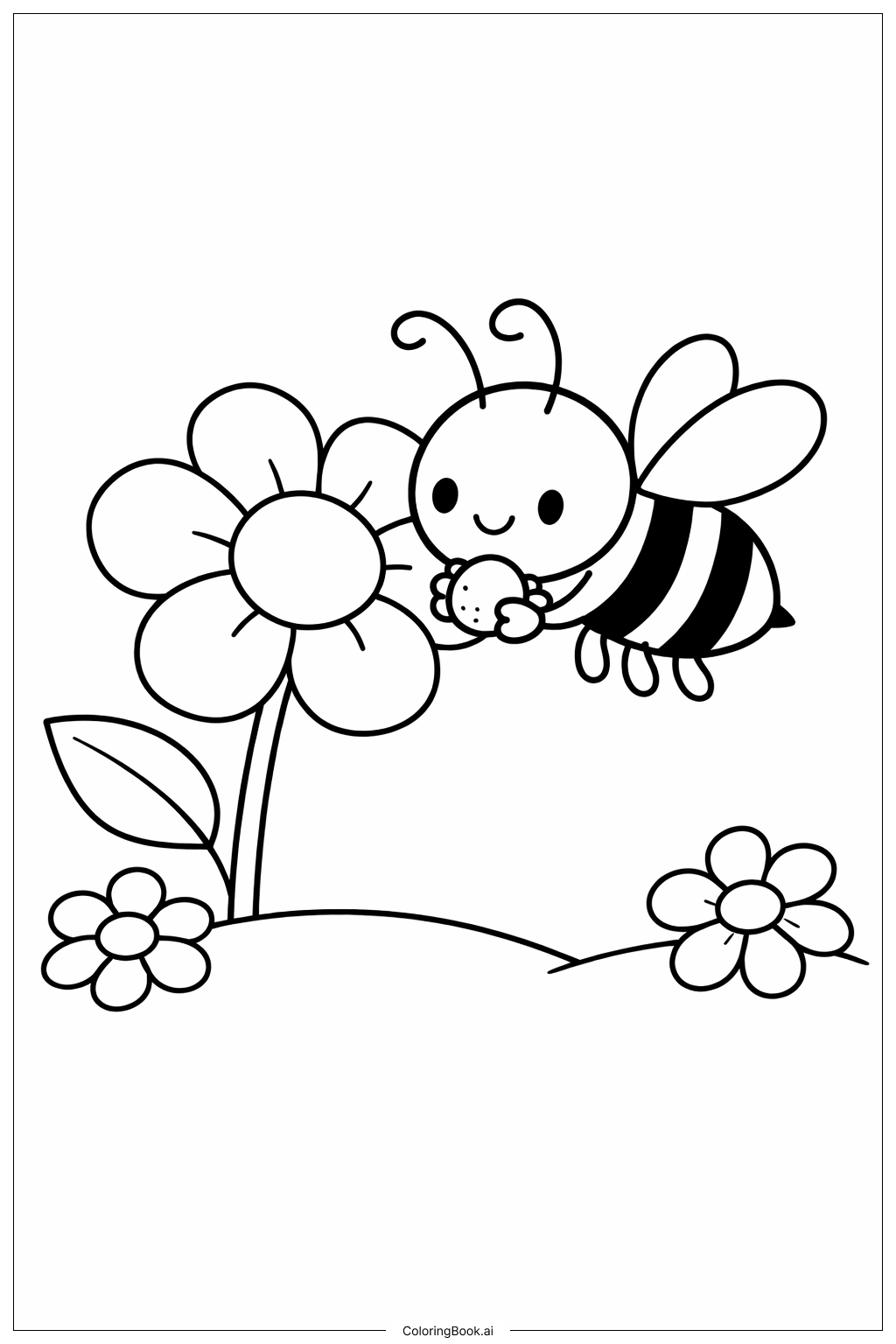
Coloring tips: How to color Insect Collecting Pollen coloring page well?
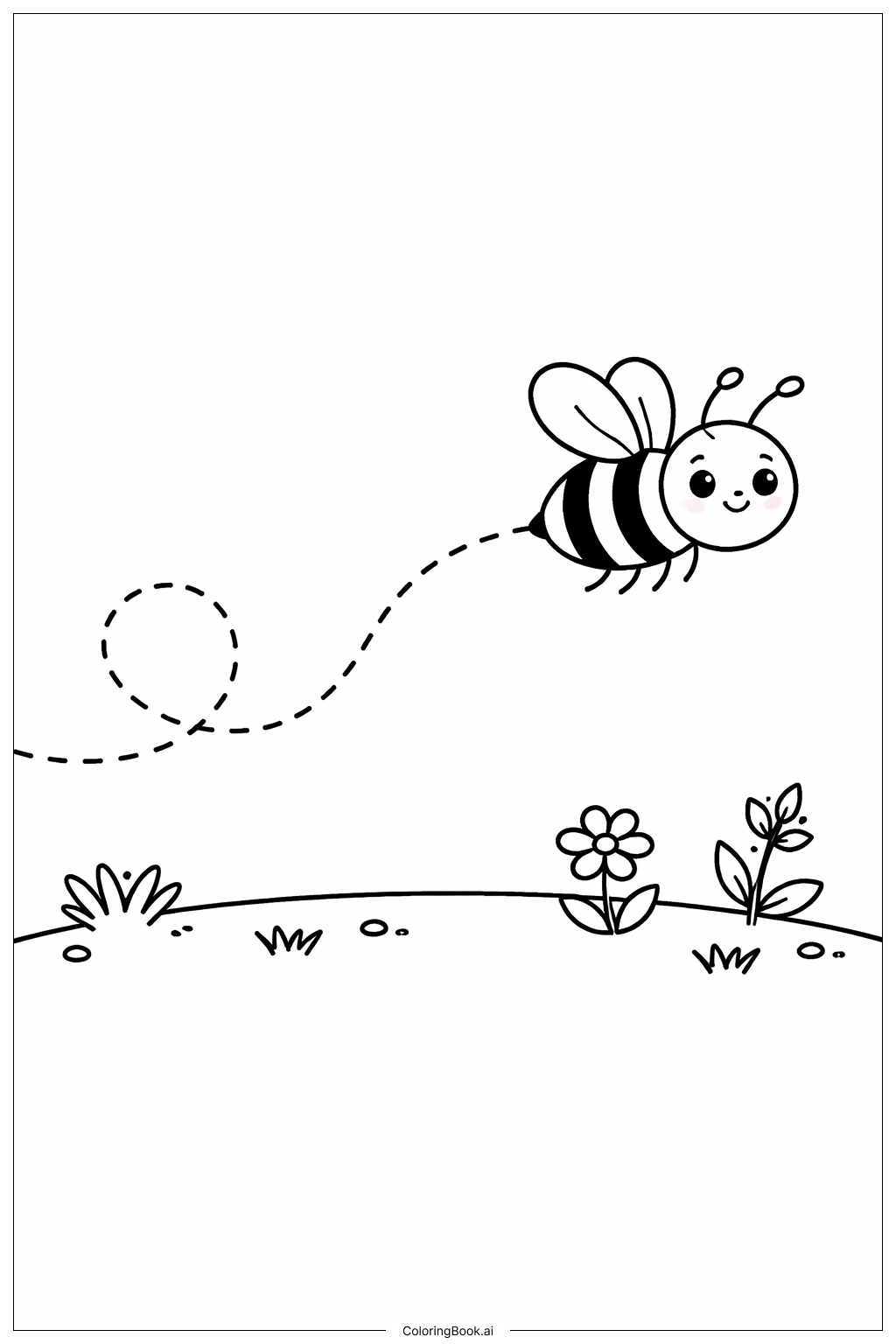
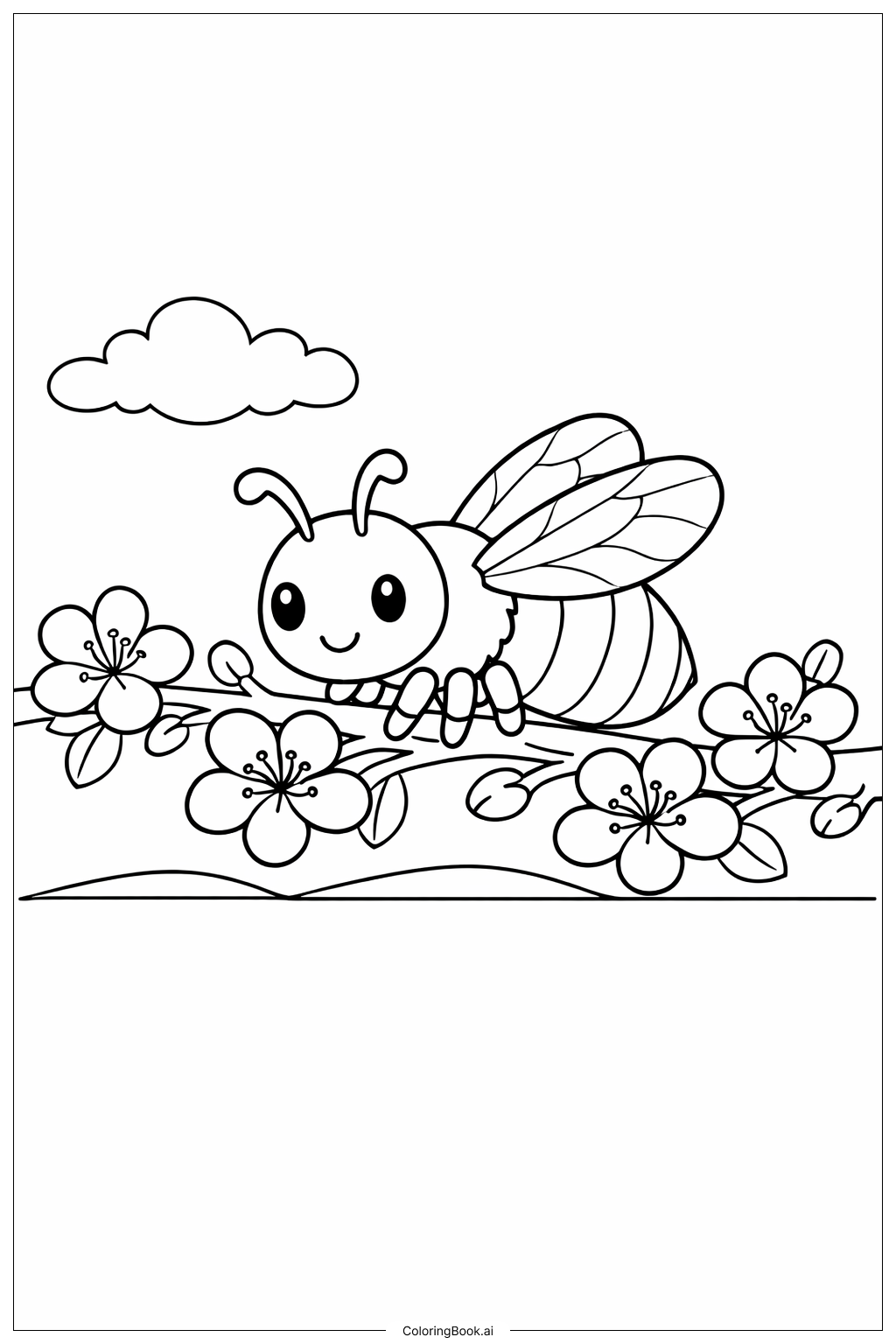
Use bright colors to make the picture lively. Color the bee with yellow and black stripes. Color its wings light blue or gray with gentle strokes to show their delicate texture. The big flower can be colored with bright colors like red, pink, orange, or purple for the petals and yellow for the center. The small flowers can be different colors to add variety. Use green for the leaves and grass. Try coloring smoothly inside the lines to keep the picture neat and colorful.
Coloring challenges: Which parts are difficult to color and need attention for Insect Collecting Pollen coloring page?
1. The small parts of the bee like the antennae and legs are thin and might be hard to color carefully without going outside the lines.
2. The bee’s wings are very close together and need light coloring to keep them looking soft and transparent, which can be challenging.
3. The flower petals and center have simple shapes but require careful coloring to avoid coloring outside the petals. Smooth, even coloring is needed.
4. The small flowers on the ground are tiny and need attention to detail when coloring, especially for young children.
5. Coloring both the bee and flowers with bright and contrasting colors can be tricky to balance so that the picture looks colorful but not messy.
Benefits of coloring books: Advantages of drawing Insect Collecting Pollen coloring page
Coloring this picture helps children improve their hand-eye coordination and fine motor skills by coloring small and big parts carefully. It encourages creativity through choosing different colors for the bee and flowers. Coloring a happy scene like a bee collecting pollen also teaches kids about nature and the important work bees do. Finally, coloring helps kids focus and relax while having fun.