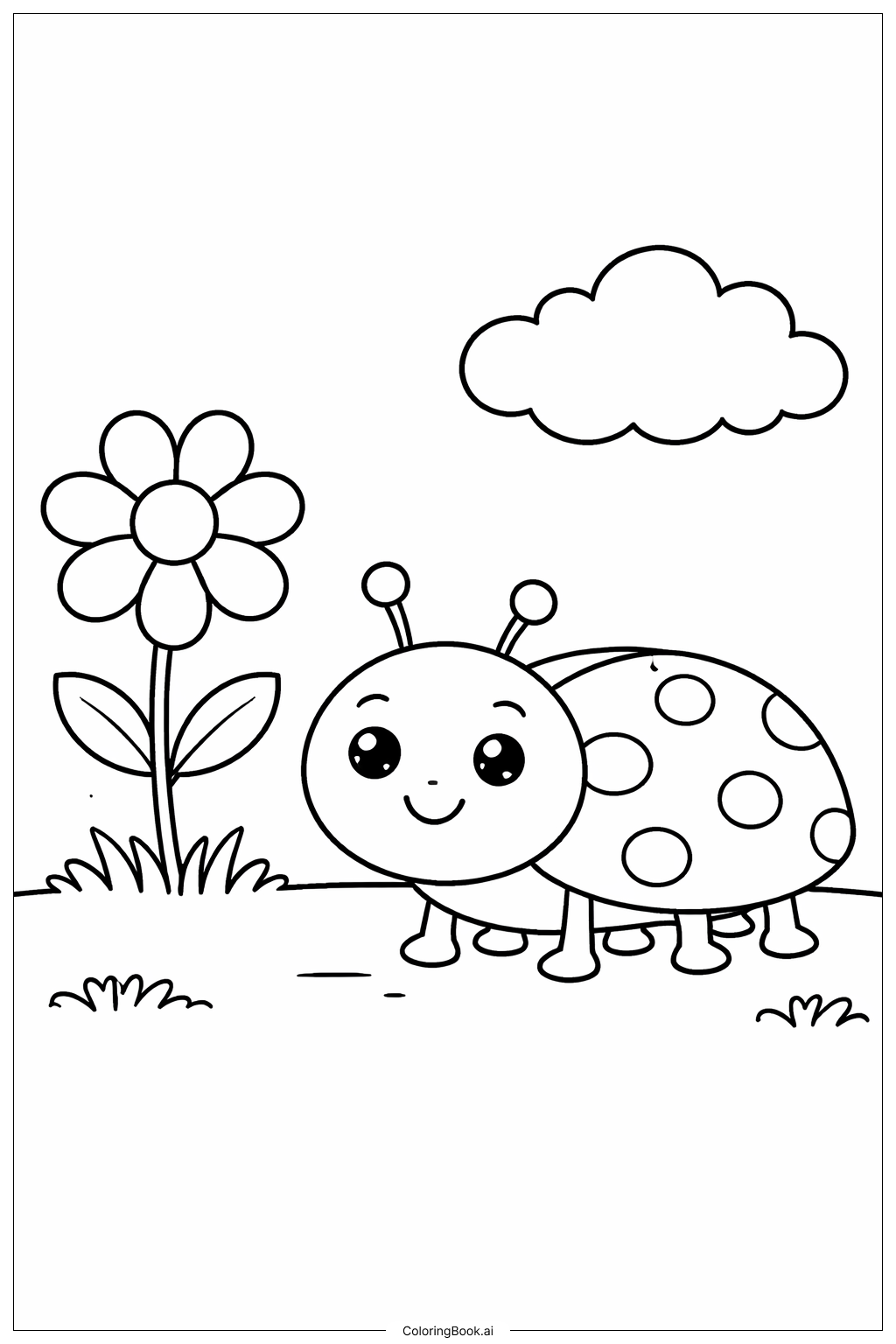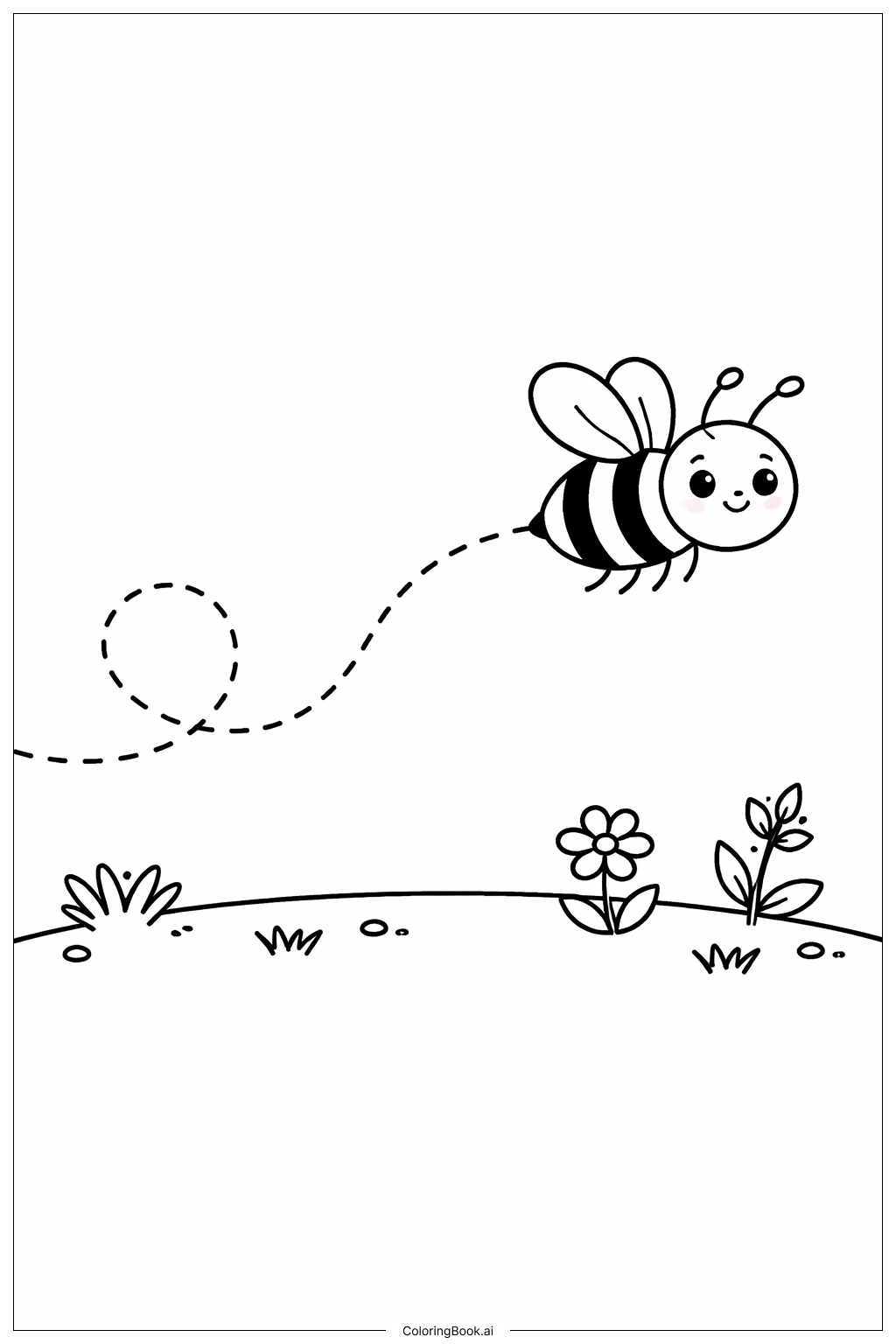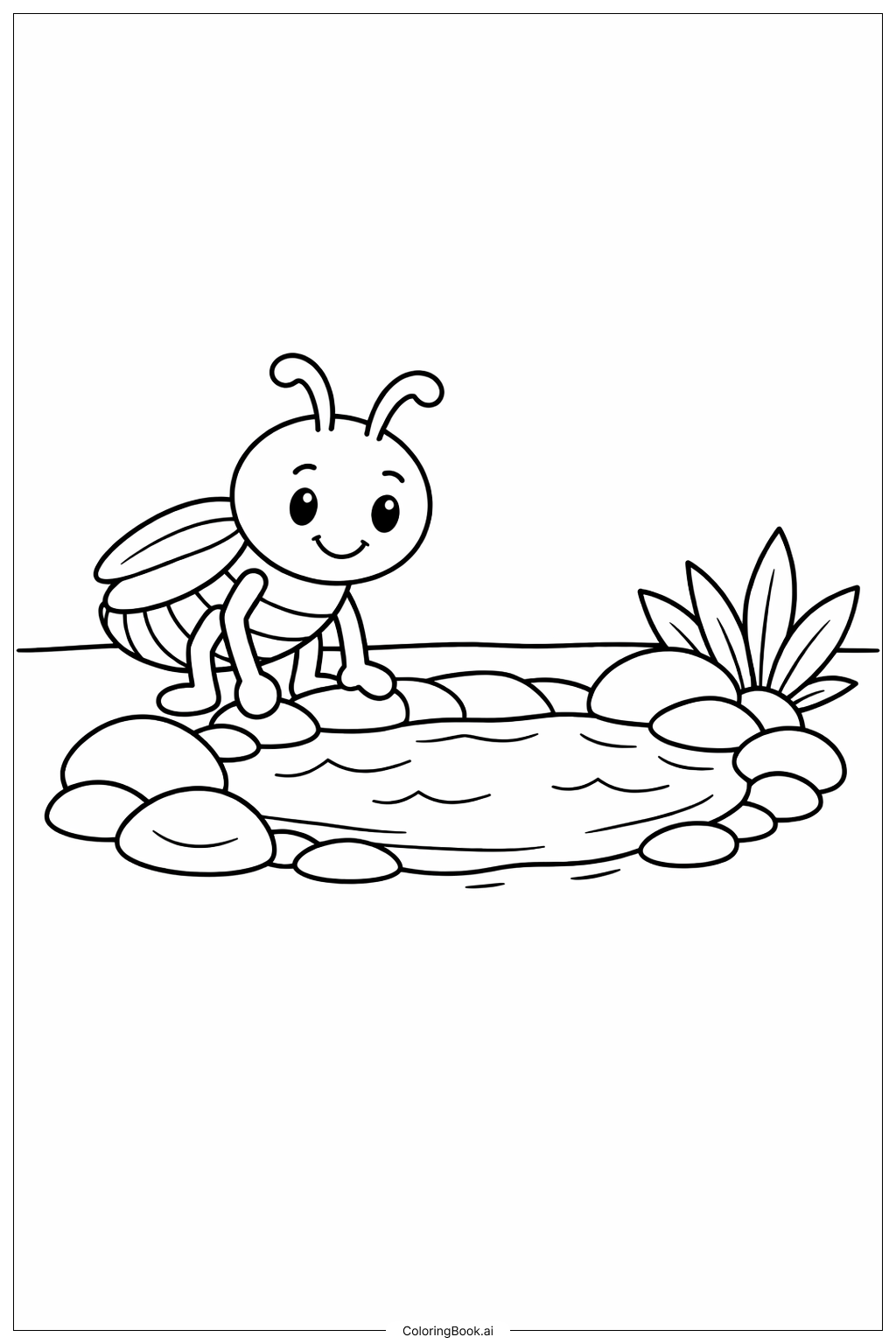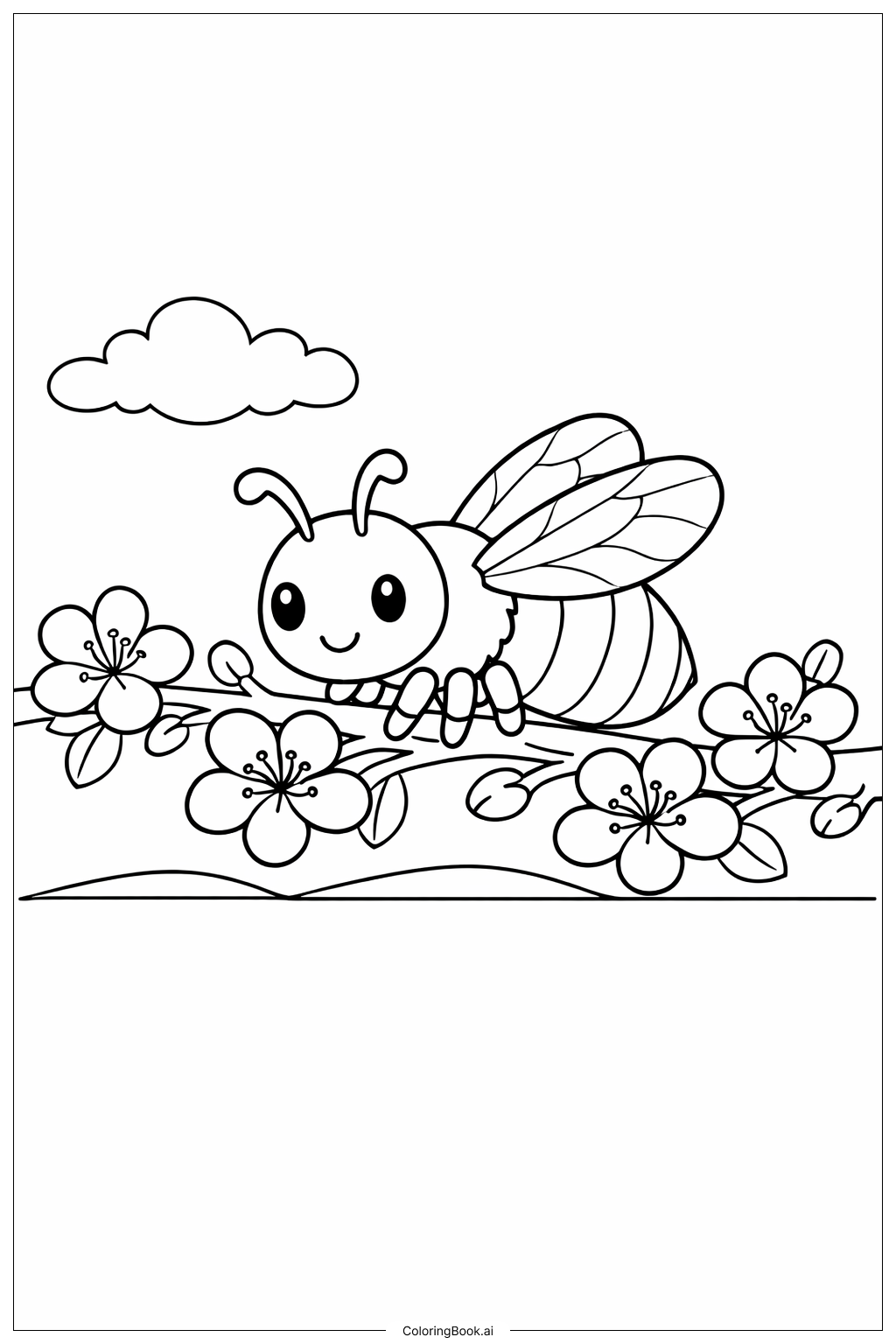
Coloring tips: How to color Curious Insect Explorer coloring page well?
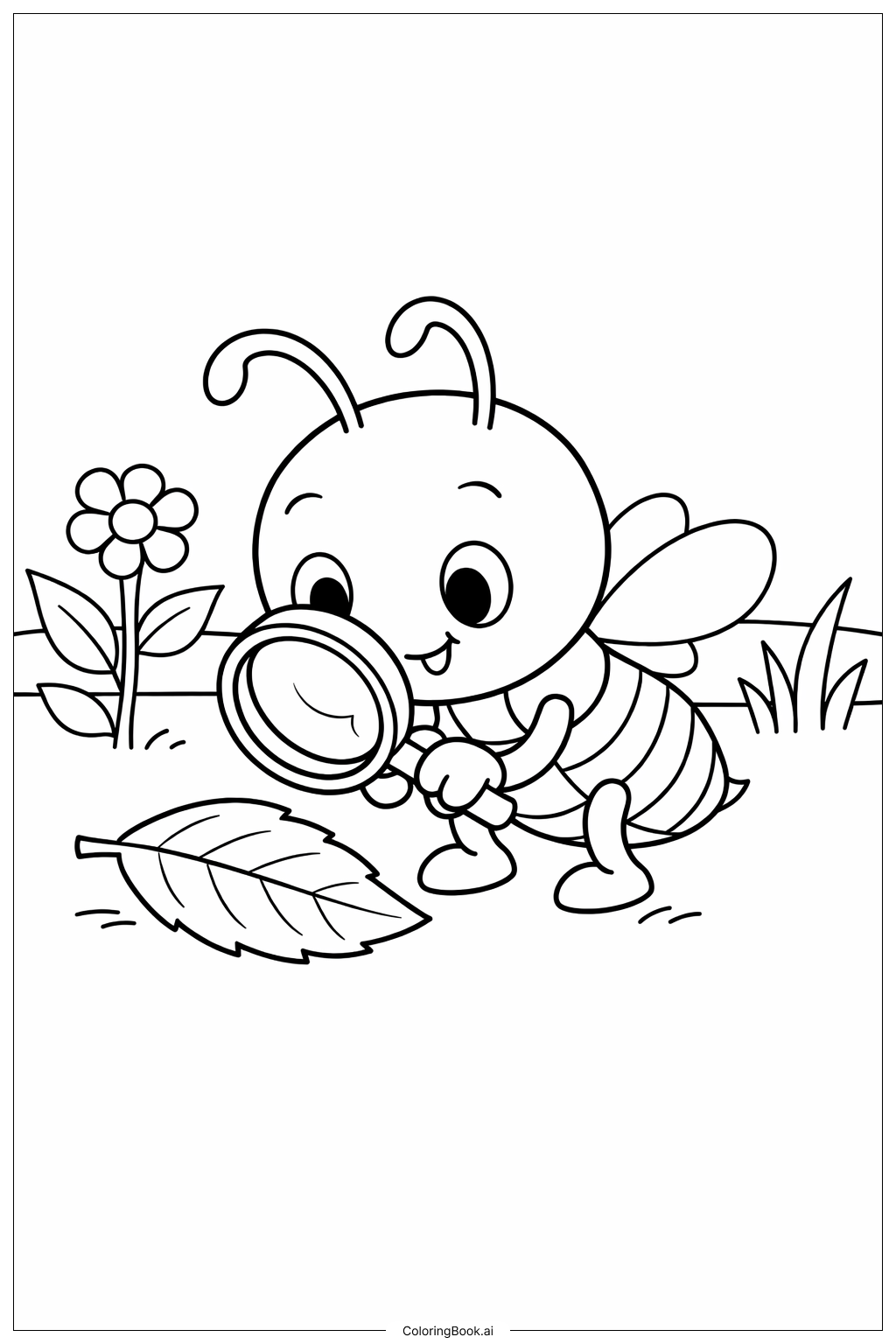
Use bright yellow and black for the insect stripes to make it look like a bee. Color the eyes with black and white to show shine. The magnifying glass handle can be brown or gray. For the leaf, try green shades, adding darker green for the veins. The flower can have a colorful center and petals, like yellow center with pink petals. Grass should be green different from the leaf. The background could be light blue for the sky or light brown for soil. Try blending colors to create a natural look. Use markers or crayons for clear color.
Coloring challenges: Which parts are difficult to color and need attention for Curious Insect Explorer coloring page?
1. The small parts of the insect’s antenna and hands can be hard to color neatly because they are tiny and close together.
2. Coloring the magnifying glass requires care to keep the lens area clear or lightly shaded to show it is glass.
3. The leaf veins and flower petals have many thin lines that might be difficult for younger kids to color inside.
4. Balancing bright and natural colors on the insect and background can be tricky to make the image look lively but not too busy.
5. Staying within the lines on small parts like the insect’s eyes and wings might need attention and patience.
Benefits of coloring books: Advantages of drawing Curious Insect Explorer coloring page
Coloring this picture helps children learn about insects and nature. It encourages attention to detail, especially when coloring the small antenna and leaf veins. Using many colors develops creativity and color recognition. It also improves hand-eye coordination and fine motor skills as kids carefully fill in small spaces. Finally, it encourages curiosity about exploring nature, just like the insect explorer in the picture.