Coloring tips: How to color Walking Horses coloring page well?
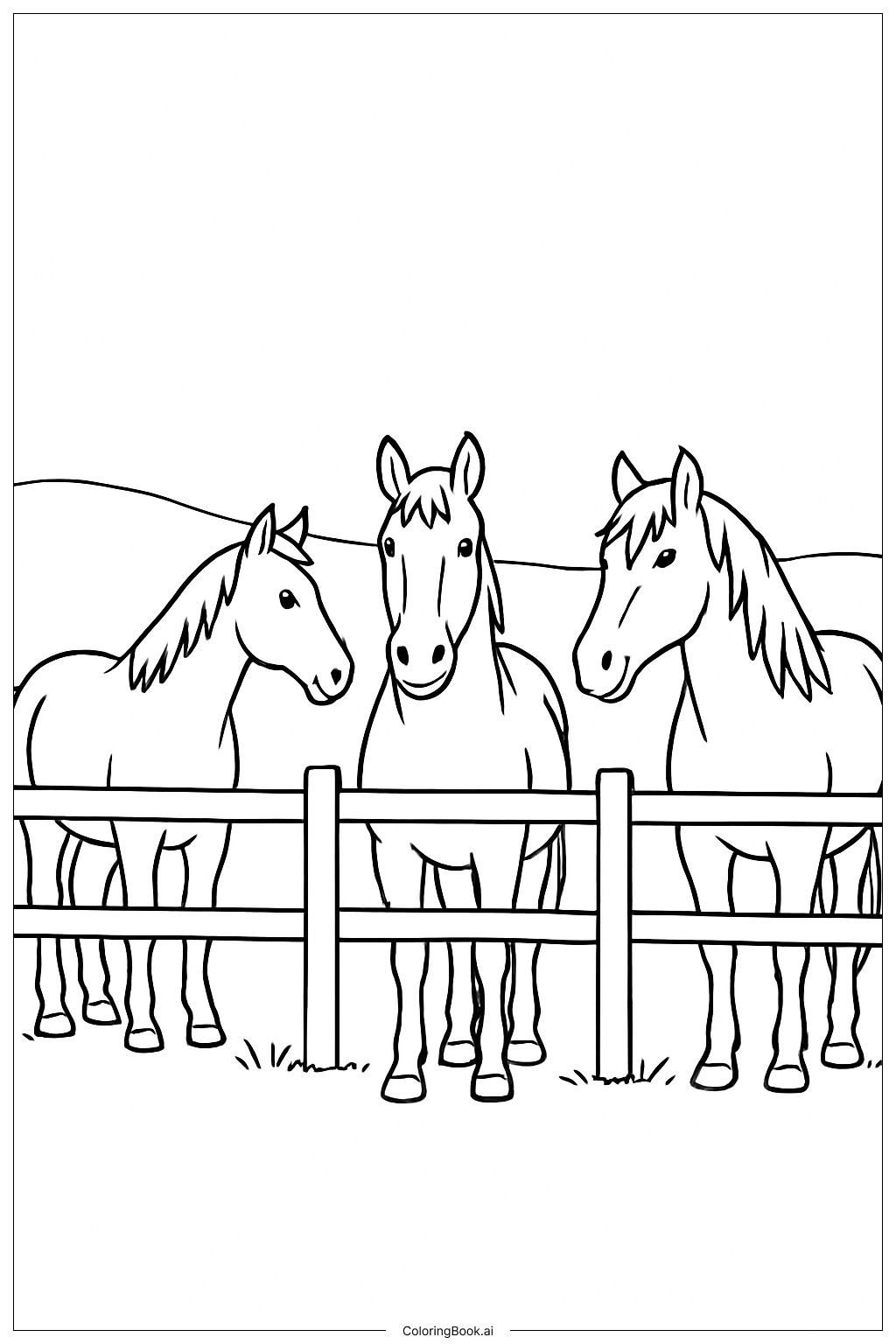
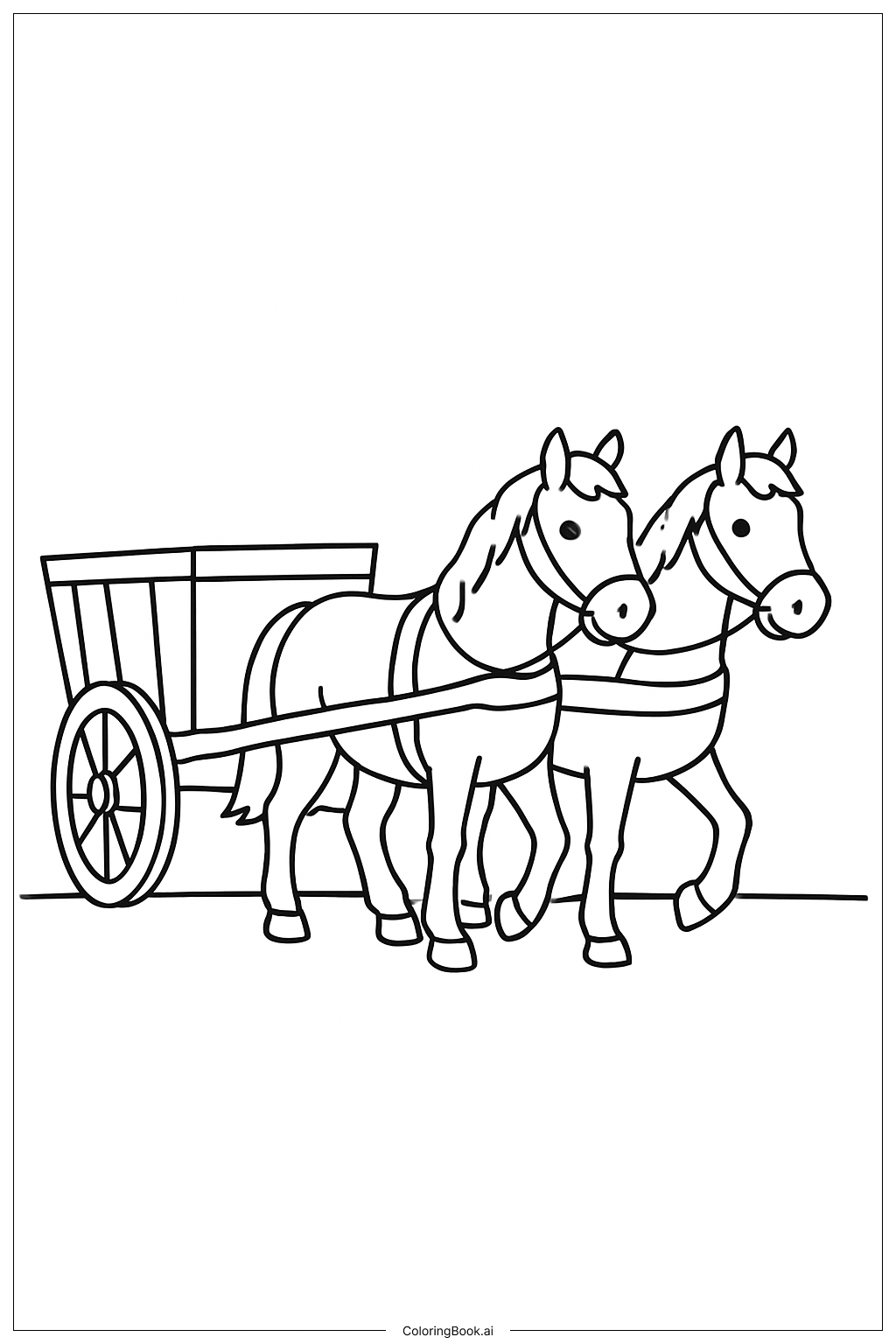
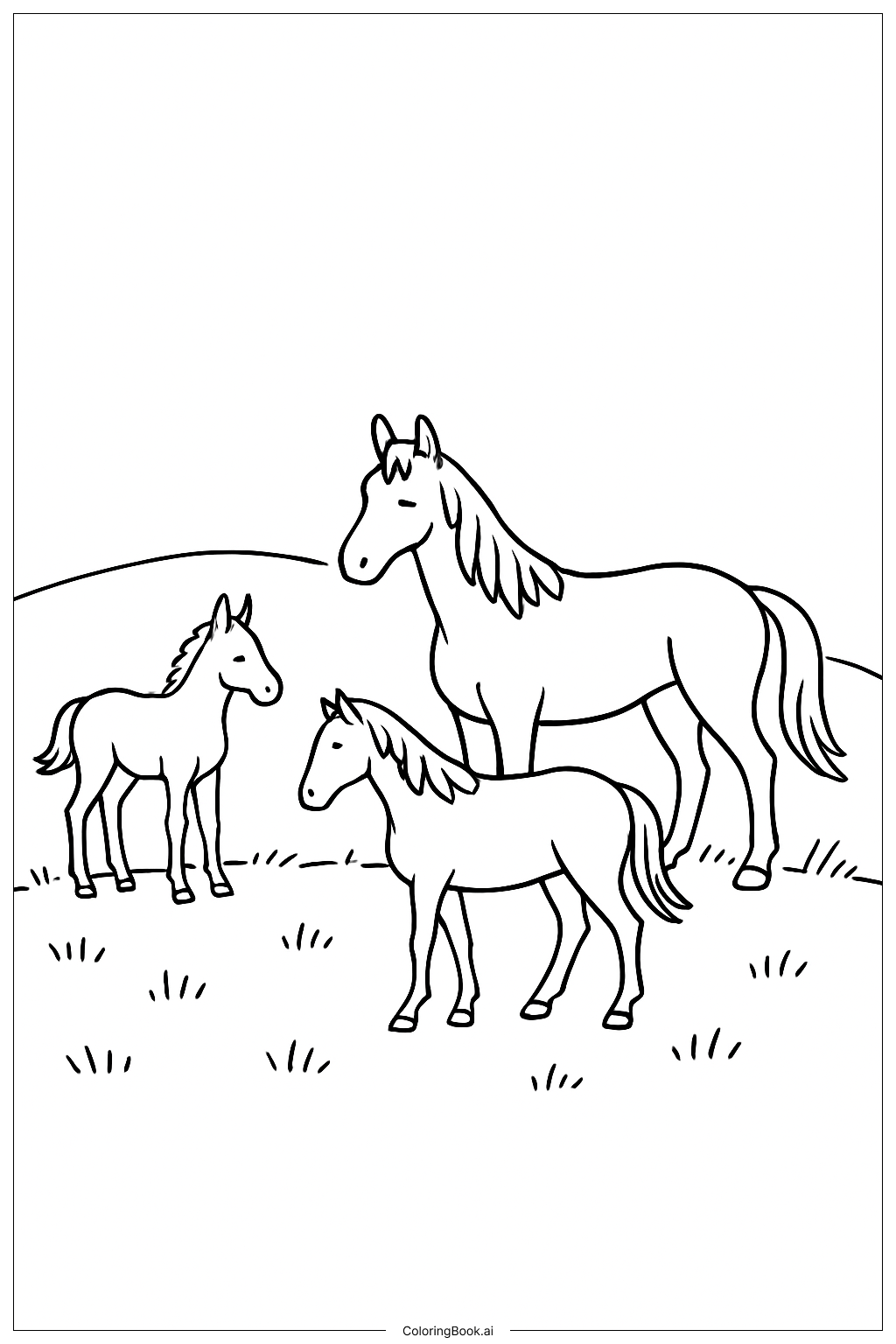
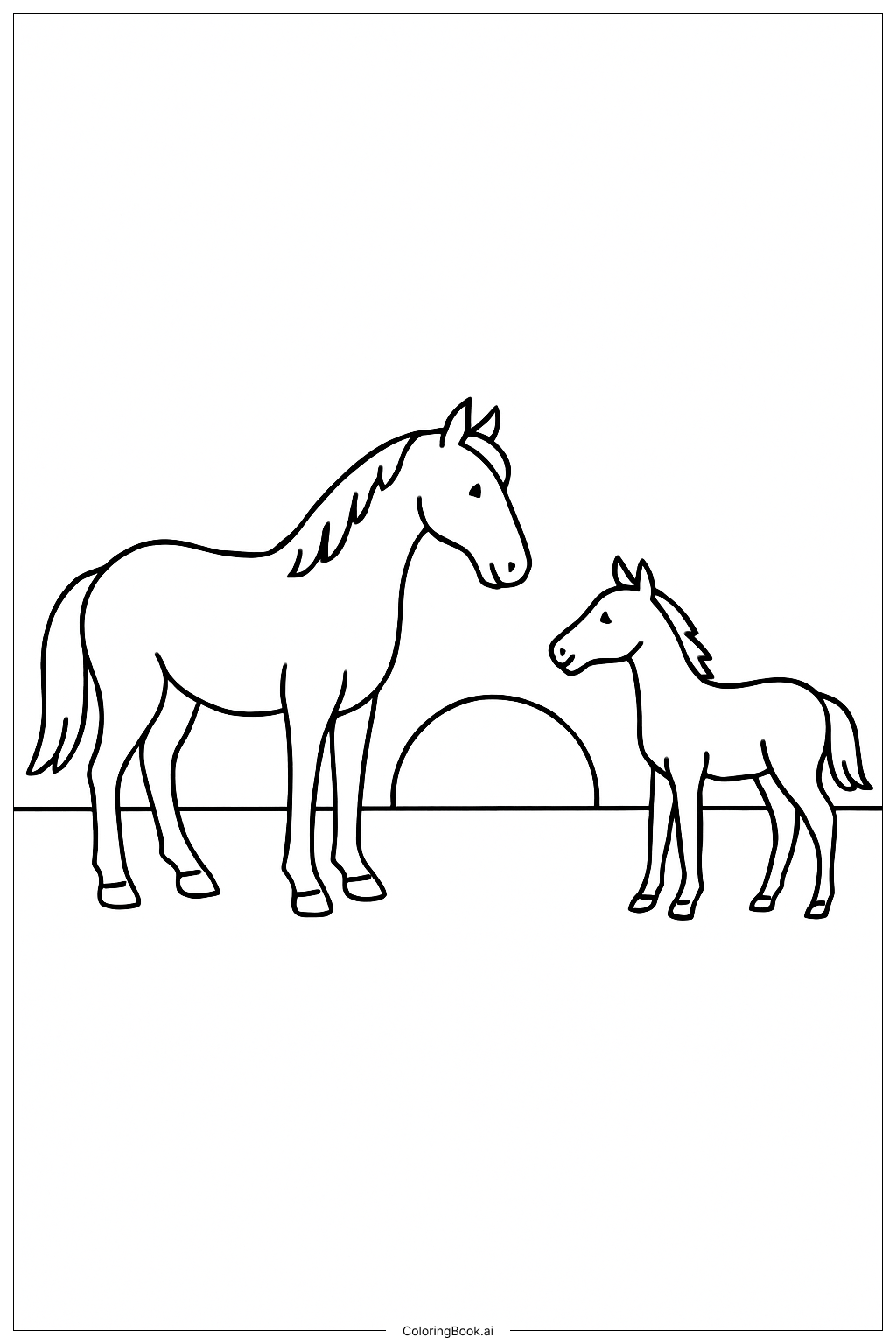
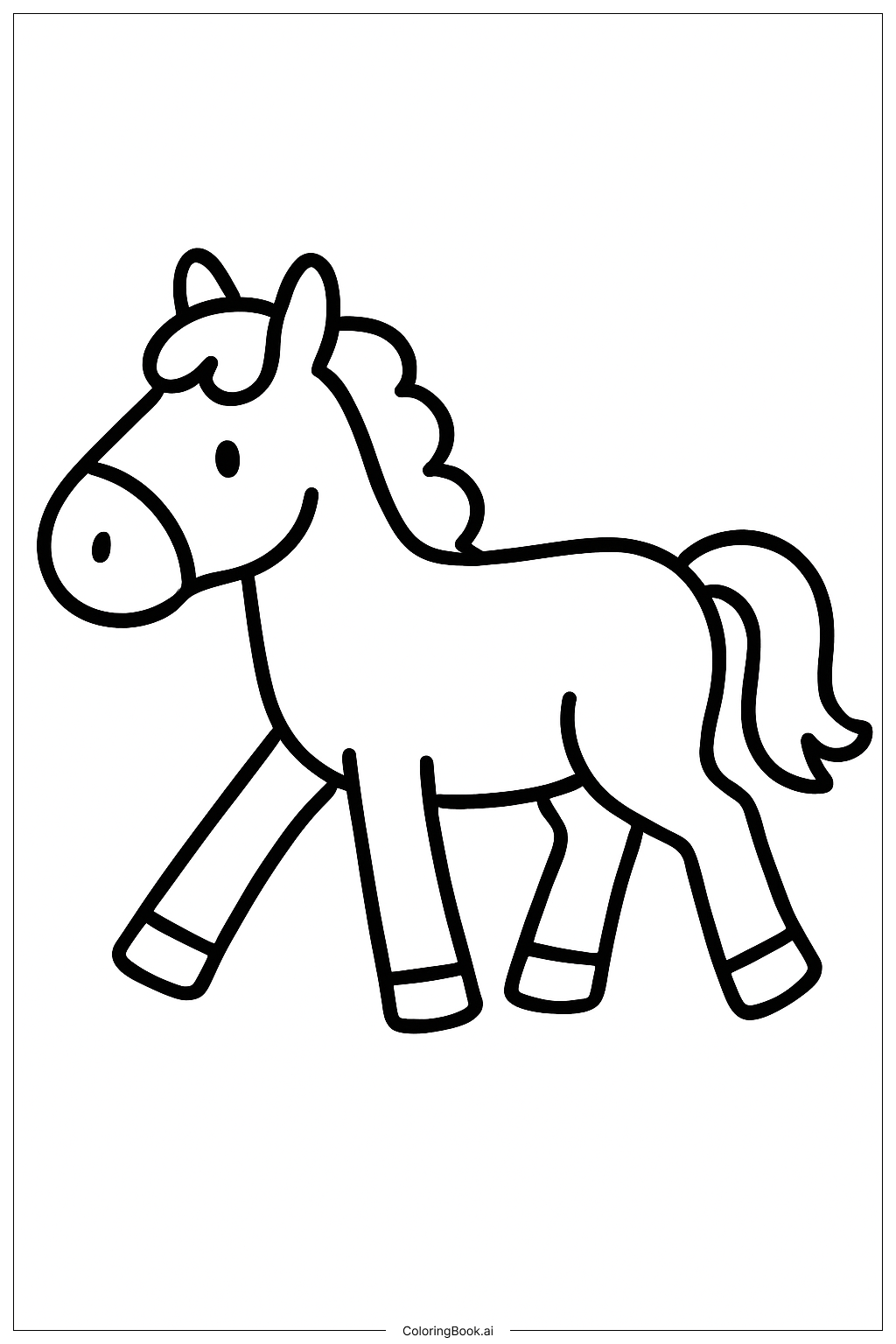
To color this adorable horse, consider using light brown or tan shades for the body. For the mane and tail, vibrant colors like pink, purple, or even rainbow shades can add a fun twist. The hooves can be colored in darker shades like black or deep brown for contrast. Children can use markers, colored pencils, or crayons to add texture and depth. Don’t forget to color the background too! Blue can be used for the sky, and green for grass. Adding colorful flowers or butterflies can make the scene more lively and exciting!
Coloring challenges: Which parts are difficult to color and need attention for Walking Horses coloring page?
1. **Shading the Horse**: Creating a realistic look might be challenging. Kids may need to practice blending colors for shading, making certain areas darker than others. This helps the horse appear three-dimensional. 2. **Detailing the Mane and Tail**: Coloring the mane and tail can be tricky, especially if using multiple colors. Children might struggle with making the transitions look smooth. It's important to take time and not rush this part. 3. **Background Creation**: Since the background is empty, kids need to think creatively about what to add. This could be daunting for some, as they may feel unsure about how to fill the space. 4. **Keeping Within Lines**: Younger children may find it challenging to stay within the lines, especially with the horse's curvy design. They might need guidance to build their confidence. 5. **Color Choices**: Choosing the right colors can be overwhelming. With so many options, some may struggle to pick combinations that they feel work well together, leading to dissatisfaction with their artwork.
Benefits of coloring books: Advantages of drawing Walking Horses coloring page
Coloring this horse image is a wonderful activity that provides various benefits. First, it enhances creativity. Children can choose colors that reflect their imagination, helping them express themselves. Second, coloring improves fine motor skills. Gripping crayons or markers helps develop coordination and dexterity. Third, it promotes focus and concentration. Completing a coloring page requires attention, which can help children with their overall learning. Lastly, coloring can be calming. It allows children to relax and reduce stress while engaging in a joyful, creative task. Overall, this activity is not just fun, but also educational!