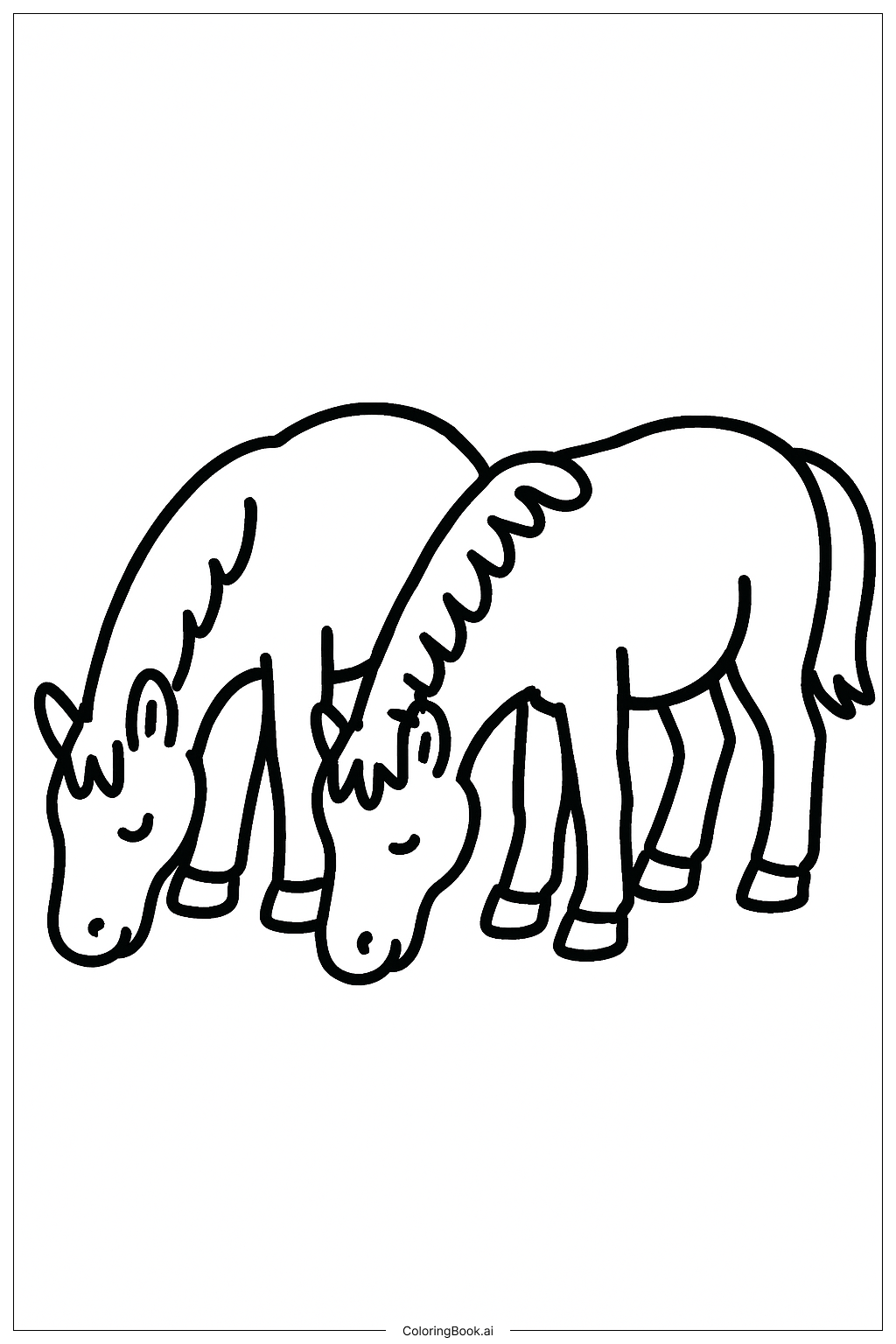
Coloring tips: How to color Grazing Horses coloring page well?
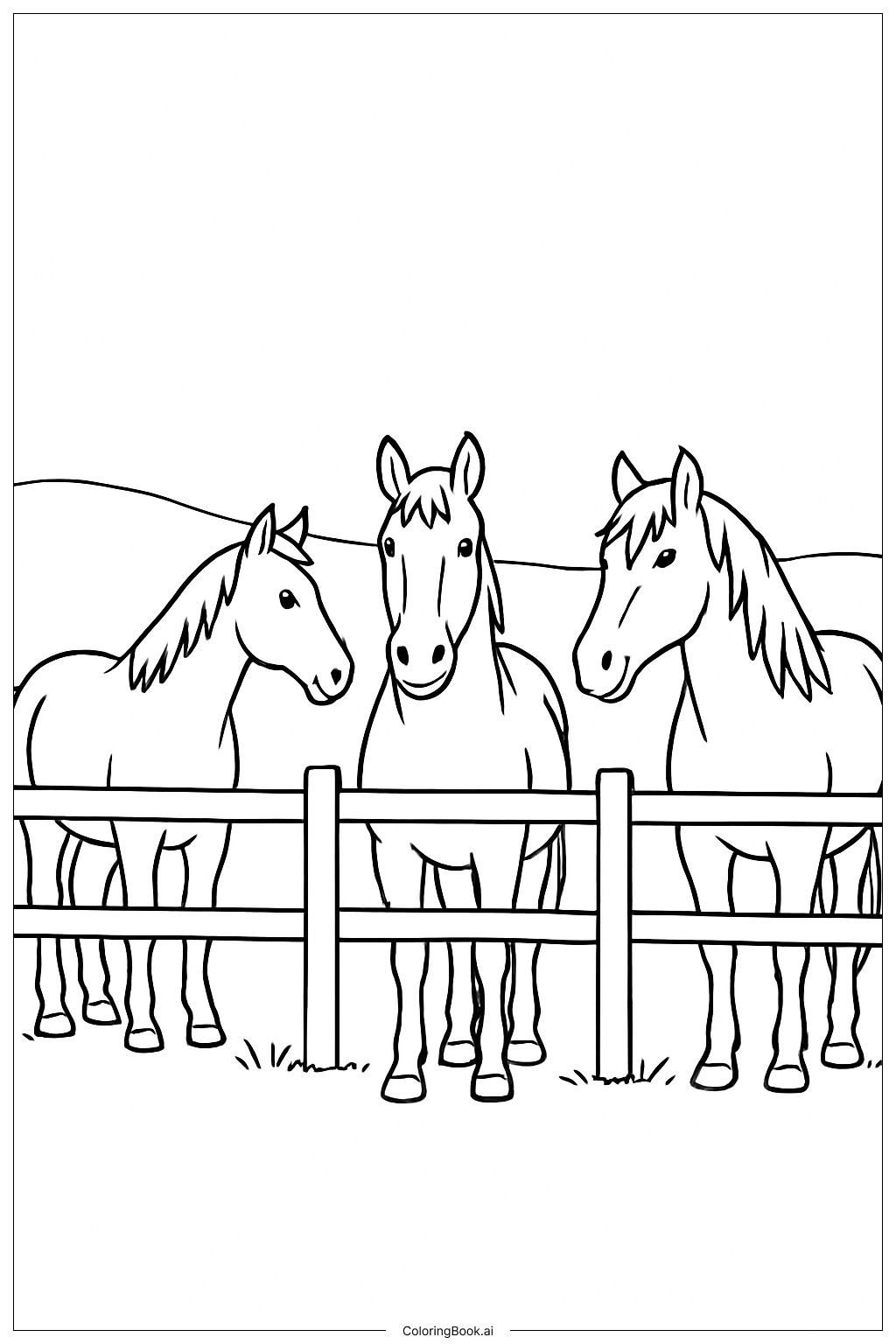
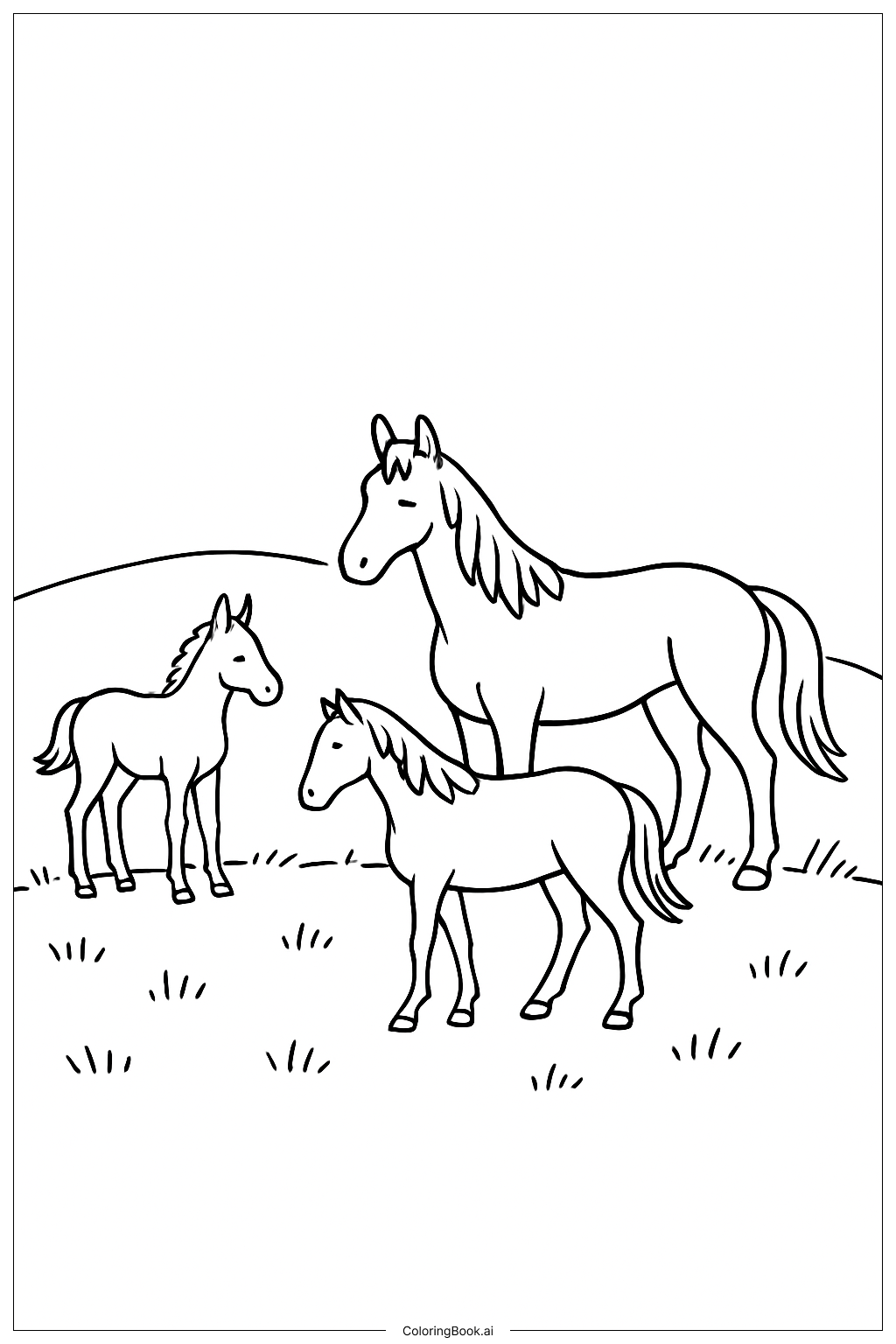
For this image, you can use different shades of brown, black, white, or gray to color the horses’ coats. Try blending colors to show light and shadow on their muscles and tails. For the grassy field, use various greens to create a lively, natural look. Adding touches of yellow or brown can show dry grass patches. You might color the background trees with darker greens and a hint of brown for trunks. To make the horses stand out, color their manes and tails with slightly darker or lighter tones than their bodies. Remember to stay inside the lines to keep the picture neat and realistic. Have fun experimenting with colors and patterns for each horse!
Coloring challenges: Which parts are difficult to color and need attention for Grazing Horses coloring page?
• Fine Details: The horses have flowing manes and tails that require careful coloring to capture their texture without going outside the lines. These areas may challenge younger children who are still developing fine motor skills. • Body Contours: The horses’ bodies show muscular curves and joints, needing shading and blending techniques to give a realistic look. Creating smooth color transitions can be difficult for beginners. • Multiple Horses: Since there are several horses close together, it can be tricky to color each one differently without mixing colors or smudging between them. Attention to detail and patience are needed. • Grass Texture: The field has a detailed grass pattern that might be challenging to color consistently or realistically. It requires varying green shades and small strokes to avoid a flat look. • Background Complexity: Small trees or bushes in the background need careful coloring to maintain the balance of the overall scene without overpowering the main subjects.
Benefits of coloring books: Advantages of drawing Grazing Horses coloring page
Coloring this image helps improve focus and concentration through careful attention to different parts of the picture. It encourages creativity as you choose colors to bring the horses and surrounding nature to life, experimenting with shades and patterns. Managing the small details, like manes and grass, enhances fine motor skills and hand-eye coordination. Coloring multiple horses close together teaches patience and precision, helping children develop careful control over their tools. Finally, completing this calm and peaceful scene can provide a relaxing and enjoyable experience that promotes mindfulness and a connection to nature.