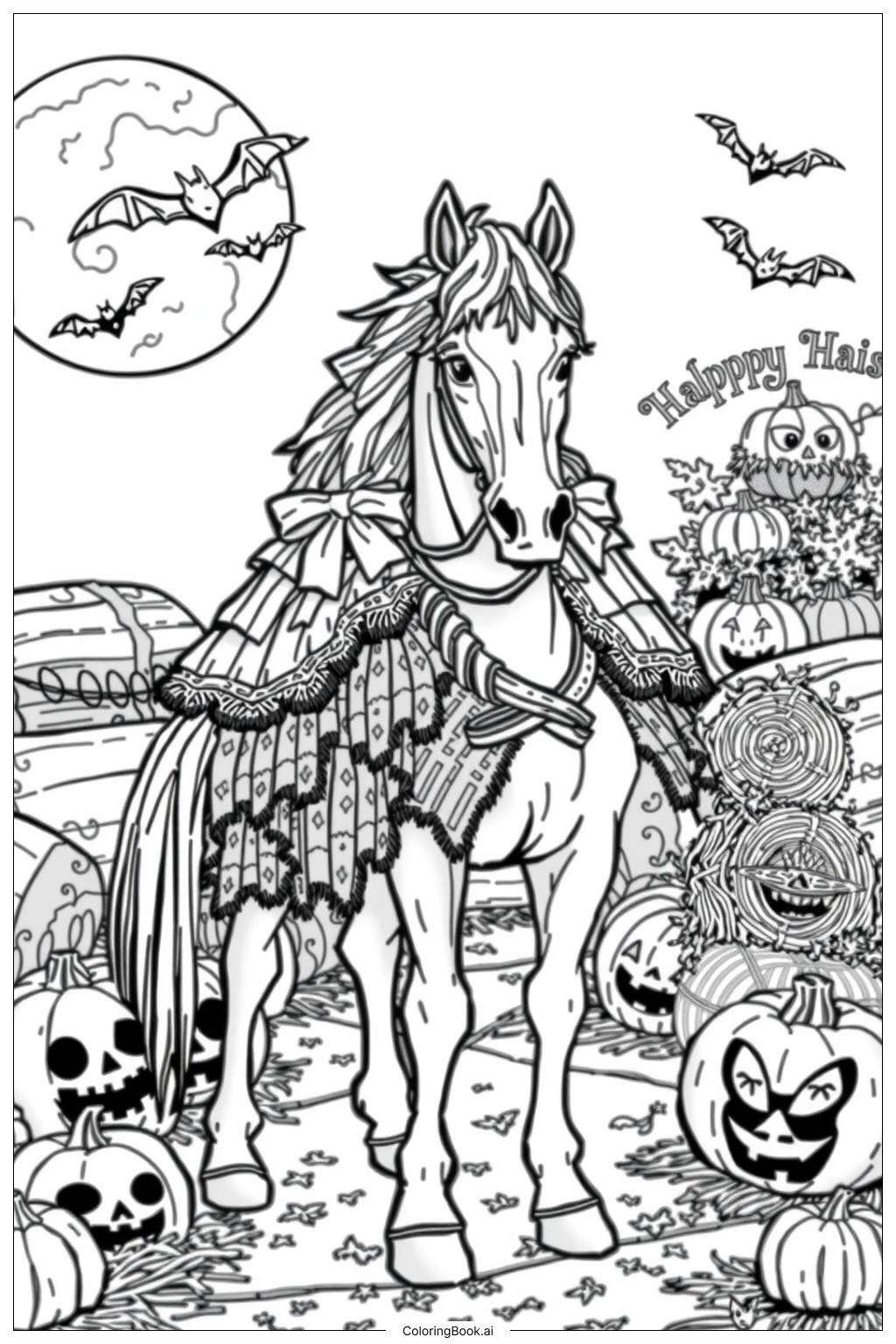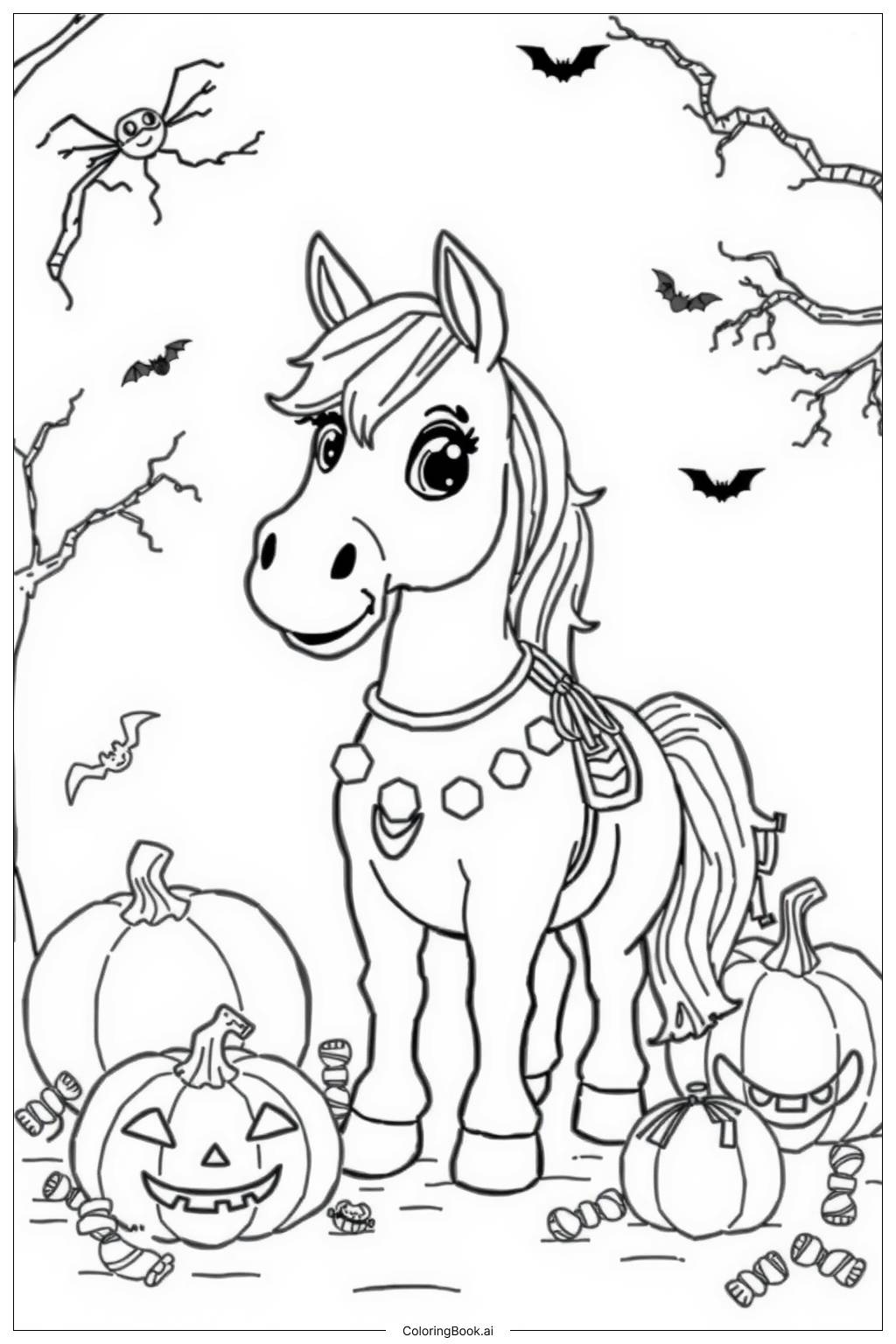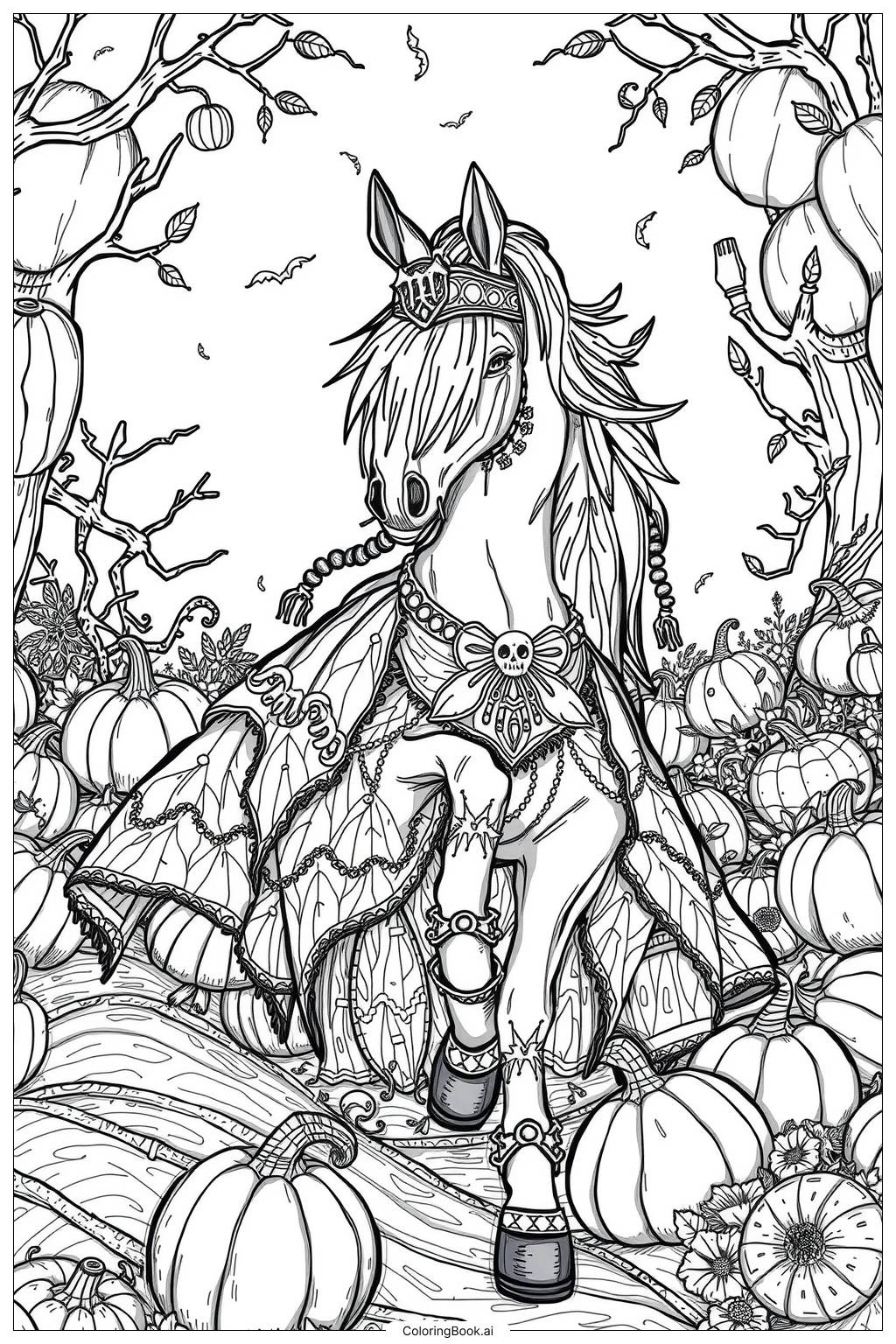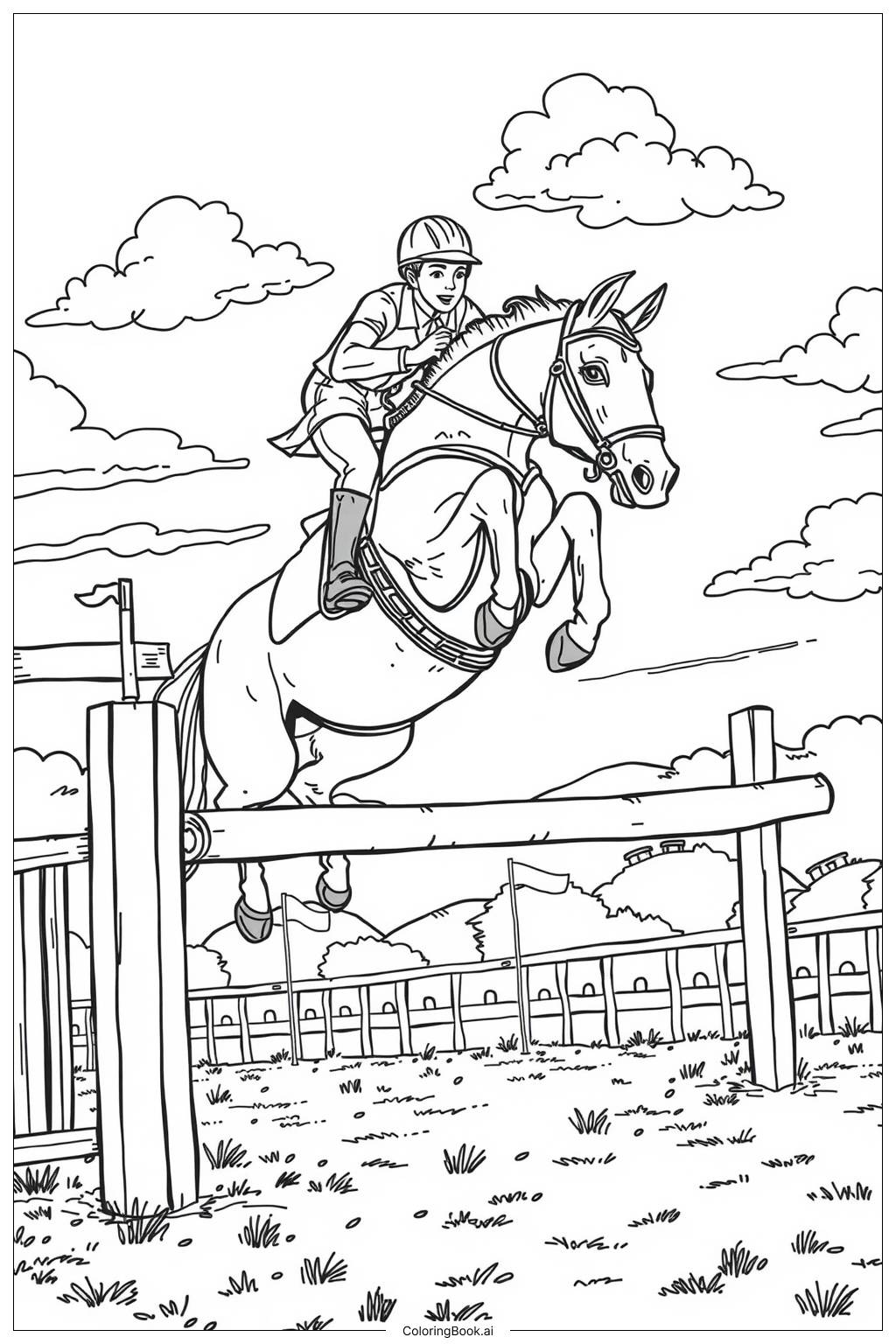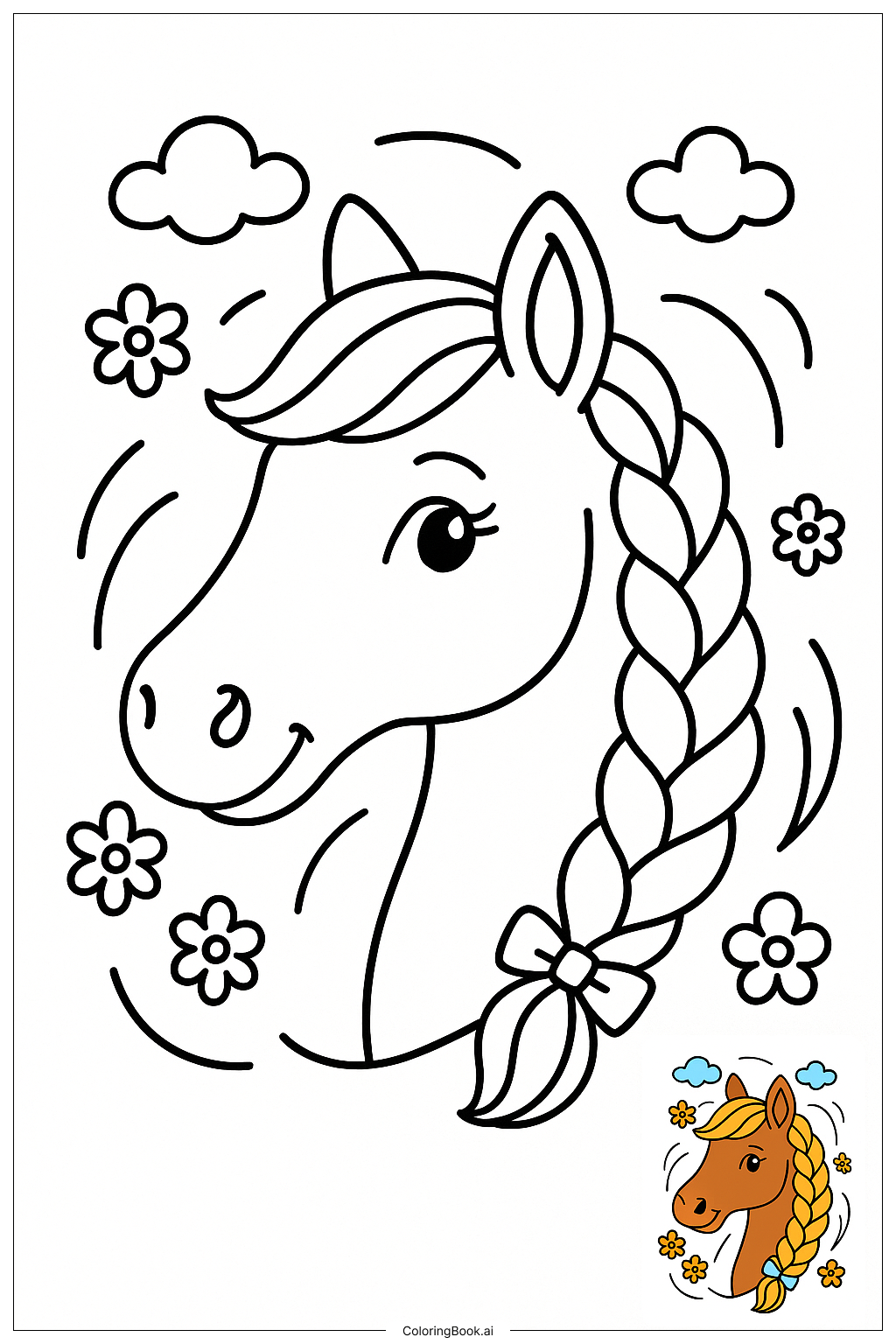
Coloring tips: How to color Horse Head Portrait With Braided Mane coloring page well?
You can start by choosing warm brown, chestnut, or black shades for the horse’s coat. Use lighter browns or creams to highlight the areas around the eyes and muzzle for a realistic feel. For the braided mane, try using a range of colors to show depth, such as darker tones on the edges and lighter colors in the middle of each braid. You can even add some shine by blending white or cream highlights on the braids. Don’t forget the eyes—using glossy black or dark brown with a tiny white spot for the light reflection makes them look alive. Finally, choose a soft background color like light blue or green to keep the focus on the beautiful horse head portrait.
Coloring challenges: Which parts are difficult to color and need attention for Horse Head Portrait With Braided Mane coloring page?
• Mane Texture: Coloring the braided mane is challenging because it requires showing the overlapping sections clearly. You need to use shading to make the braids look three-dimensional and realistic. • Small Details: The horse’s face has many small features such as the eyes, nostrils, and ears. Coloring these properly takes patience and precision to keep the natural expressions. • Light and Shadow: To give the horse depth, you must add shadows and highlights based on the horse’s shape. This is especially important around the cheeks and jawline where the light hits differently. • Smooth Blending: The horse’s coat should look smooth and shiny. Blending colors gently without harsh lines can be tricky but is essential to make it look natural. • Maintaining Clean Lines: Since the image shows detailed lines in the braids and face, coloring inside the lines carefully is important to keep the neat appearance of the portrait.
Benefits of coloring books: Advantages of drawing Horse Head Portrait With Braided Mane coloring page
Coloring this horse portrait helps improve focus and attention to detail, especially with the braided mane and face features. It enhances fine motor skills as children or adults carefully color small sections and blend shades smoothly. This activity also encourages creativity in choosing colors and experimenting with light and shadow effects. For younger artists, it provides a fun way to learn about animals and their unique traits. Moreover, completing a detailed image like this can boost confidence and give a sense of accomplishment. Overall, it’s a relaxing and rewarding way to connect with nature and express artistic skills.