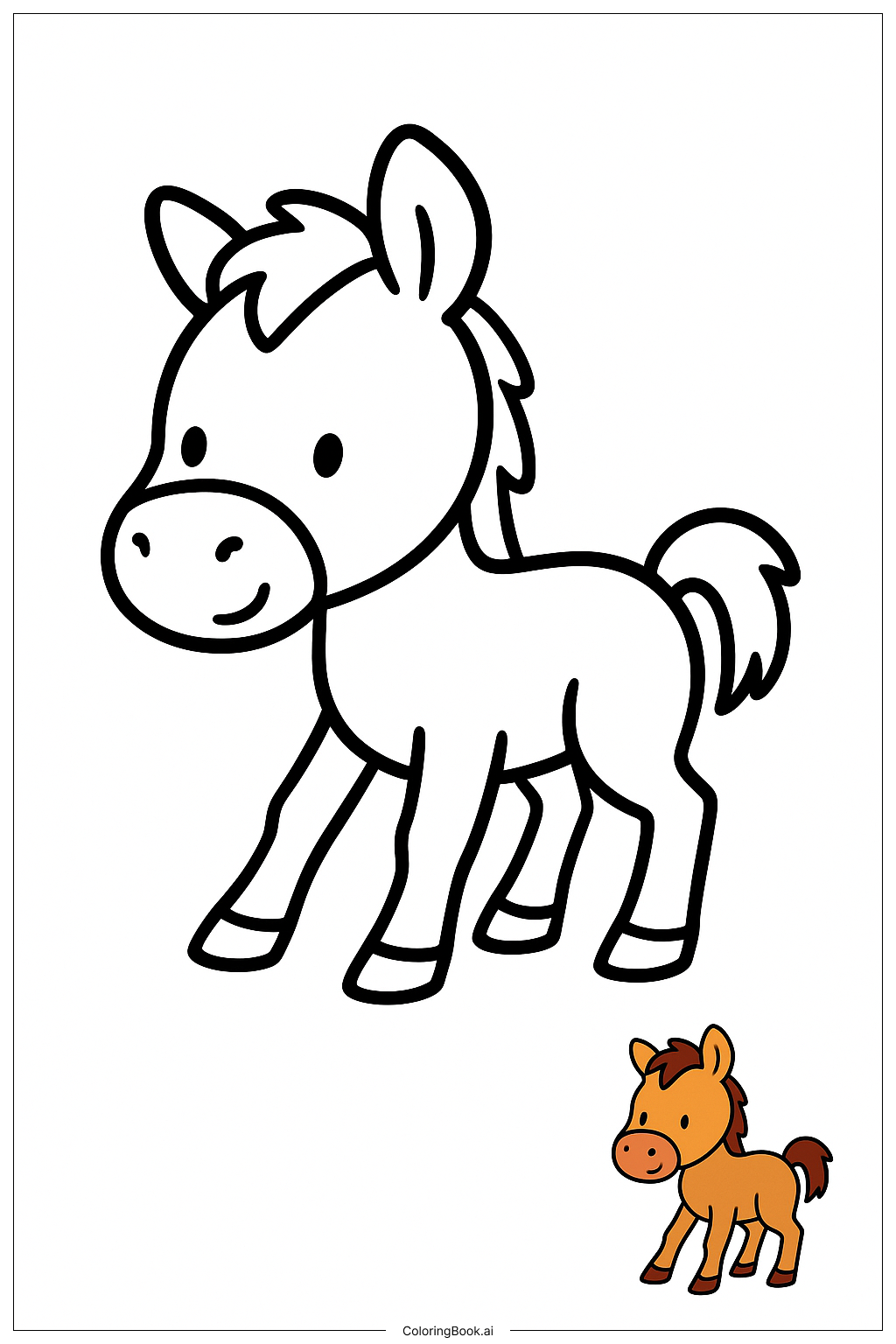
Coloring tips: How to color Foal Standing On Wobbly Legs coloring page well?
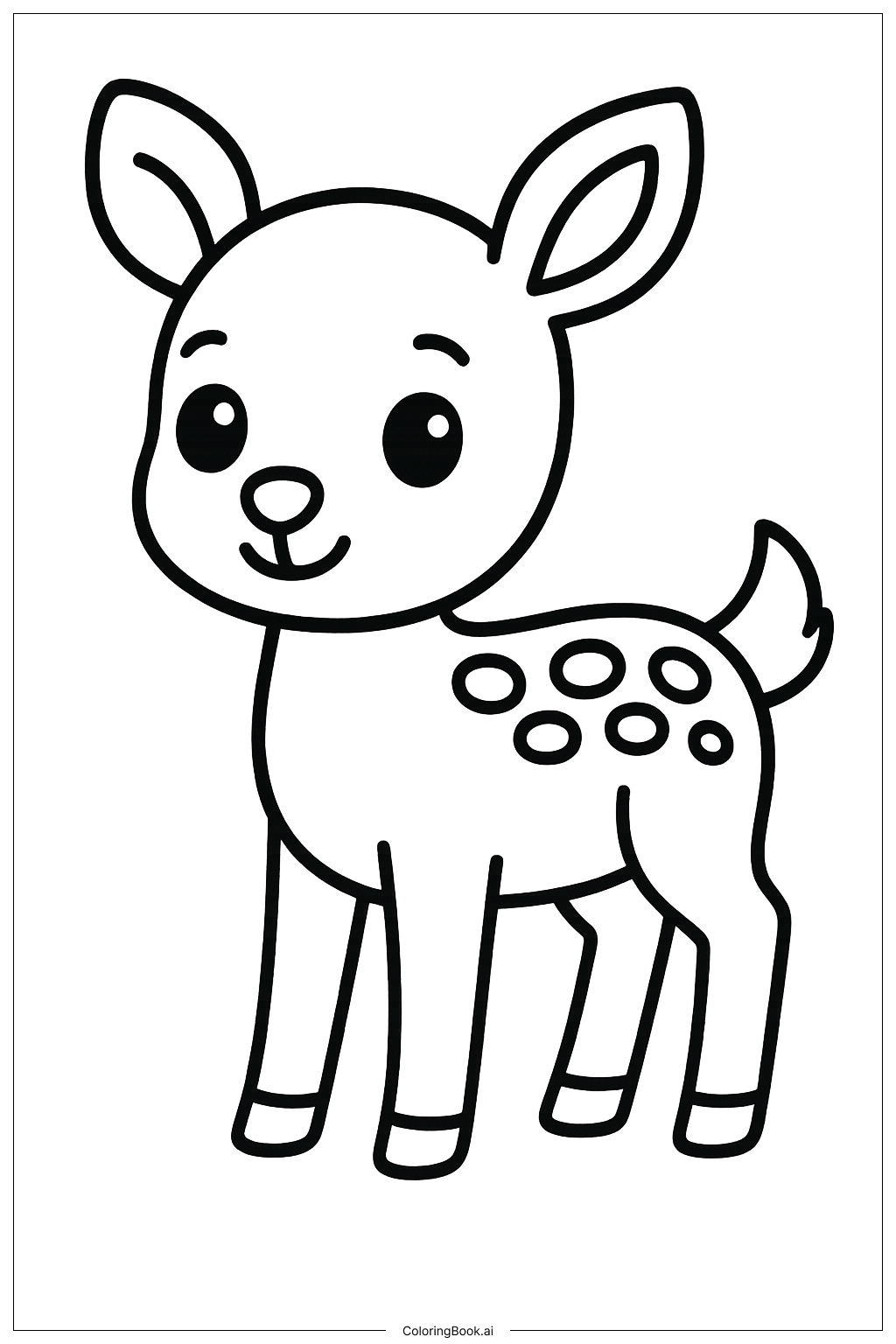
Use soft, warm colors to bring the foal to life. Light browns, creams, or pale tans work well for the foal’s coat, while gentle touches of white can highlight its mane and tail. The eyes can be colored dark brown or black to create contrast and expression. For the ground, try earthy tones like soft greens and pale browns to emphasize the natural setting. Adding subtle shading around the legs will show their wobbly motion. Keep the colors light and cheerful to reflect the foal’s youth and innocence. Children can have fun using different shades to make the foal look fluffy and soft.
Coloring challenges: Which parts are difficult to color and need attention for Foal Standing On Wobbly Legs coloring page?
• Fine Leg Outline: The foal’s thin, wobbly legs require precise coloring to keep the delicate look without smudging outside the lines. • Small Details: The mane and tail have small strands that need careful attention to avoid overlapping colors. • Expression Focus: Capturing the foal’s curious eyes with darker colors requires a steady hand to keep them neat and expressive. • Ground Texture: The subtle ground texture may be hard to color evenly, as too much color can distract from the foal itself. • Balancing Shades: Adding shadows to show the foal’s wobbly stance demands blending skills that younger children might find challenging but can help advance their coloring ability.
Benefits of coloring books: Advantages of drawing Foal Standing On Wobbly Legs coloring page
Coloring this image helps children develop fine motor skills by working on small, detailed areas like the foal’s legs and mane. It encourages patience and concentration while ensuring they stay within the boundaries of the thin outlines. Choosing colors promotes creativity and an understanding of natural animal tones. The gentle subject sparks empathy and a love for animals by sharing the foal’s delicate first steps. This activity also improves visual perception, such as recognizing light and shadow through shading, preparing children for more complex art projects in the future.