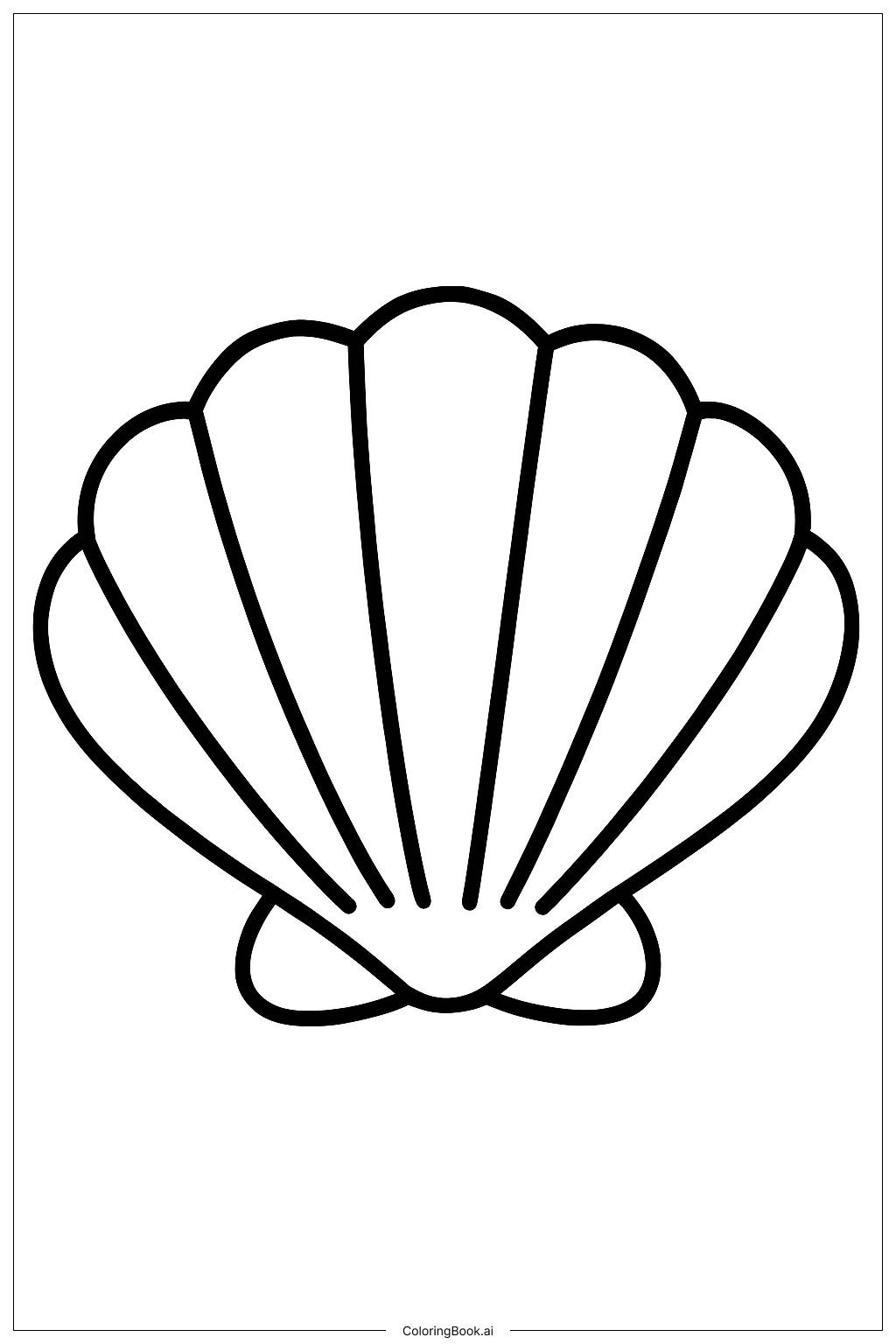
Coloring tips: How to color Holiday Seashell coloring page well?
Consider using pastel colors like light blue, soft pink, or creamy yellow for a calming effect. You might also try brighter colors like orange, turquoise, or purple to make the seashell pop. Using a blend of colors can give depth to the shell. For example, lighter shades on the outside and darker tones in the grooves create a 3D appearance. Don’t forget to add sparkles or tiny details to keep it interesting. Use colored pencils or markers for fine lines, and experiment with different coloring techniques like shading or blending.
Coloring challenges: Which parts are difficult to color and need attention for Holiday Seashell coloring page?
1. **Grooves and Lines**: The seashell has many grooves. Coloring between these lines can be tricky. Children must aim carefully to stay within the lines without slipping out.
2. **Shading and Blending**: Creating a 3D effect requires shading. Young artists may struggle with blending colors smoothly for a natural look.
3. **Choosing Colors**: Some kids might find it hard to pick colors that go well together. Certain combinations can look messy if not chosen carefully.
4. **Small Areas**: The details in the shell’s design have small areas to color. Kids need patience and a steady hand to color these parts neatly.
Benefits of coloring books: Advantages of drawing Holiday Seashell coloring page
Coloring this seashell image helps children develop fine motor skills. It trains their hands to be steady and precise. Coloring also encourages creativity. Kids can choose colors they love, allowing for personal expression. This activity can boost focus and concentration. Spending time on a single image teaches patience. Additionally, coloring can be calming. It provides a break from screens and a moment to relax. Engaging with the beach theme can also spark interest in marine life. Overall, this coloring page offers both fun and educational opportunities.