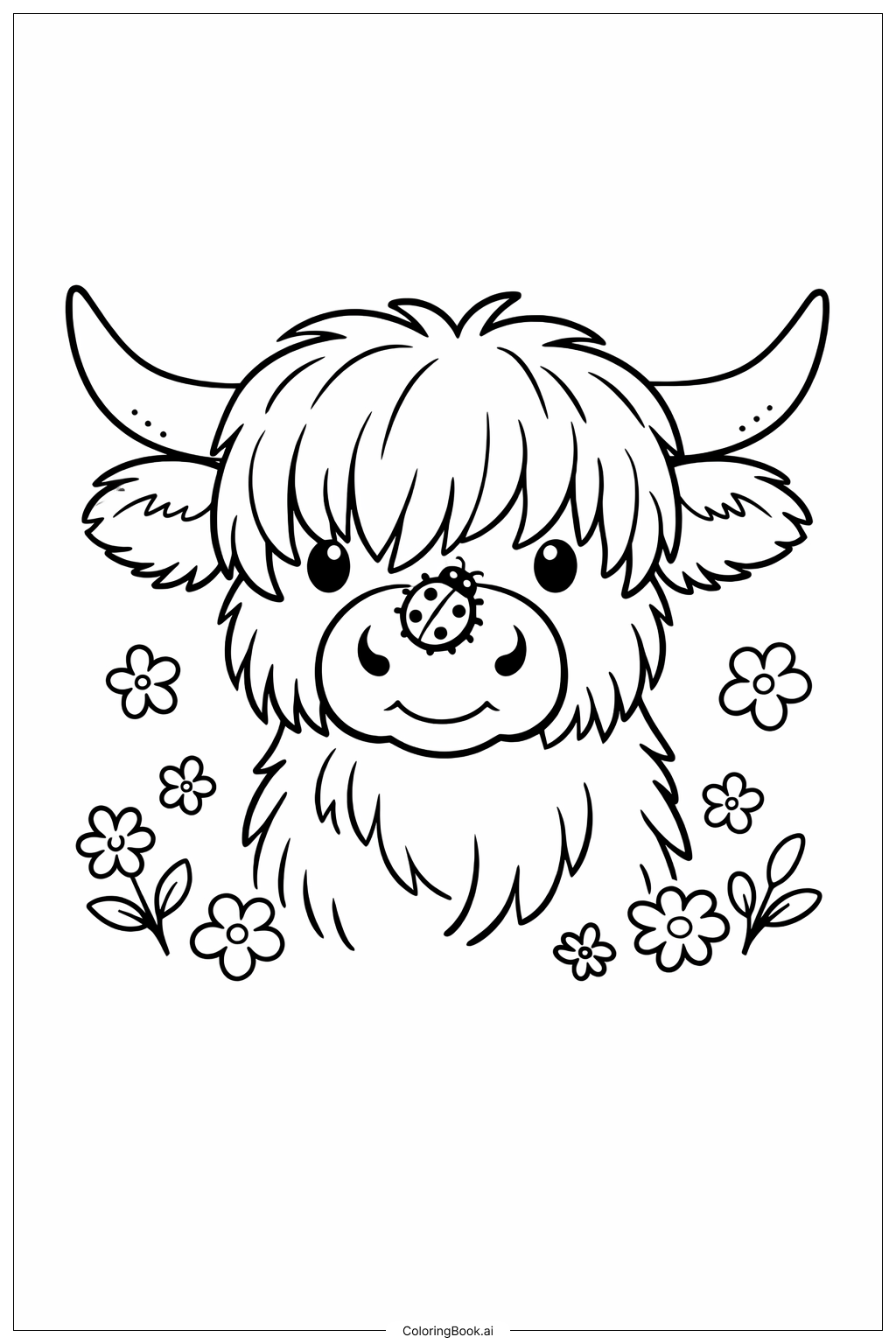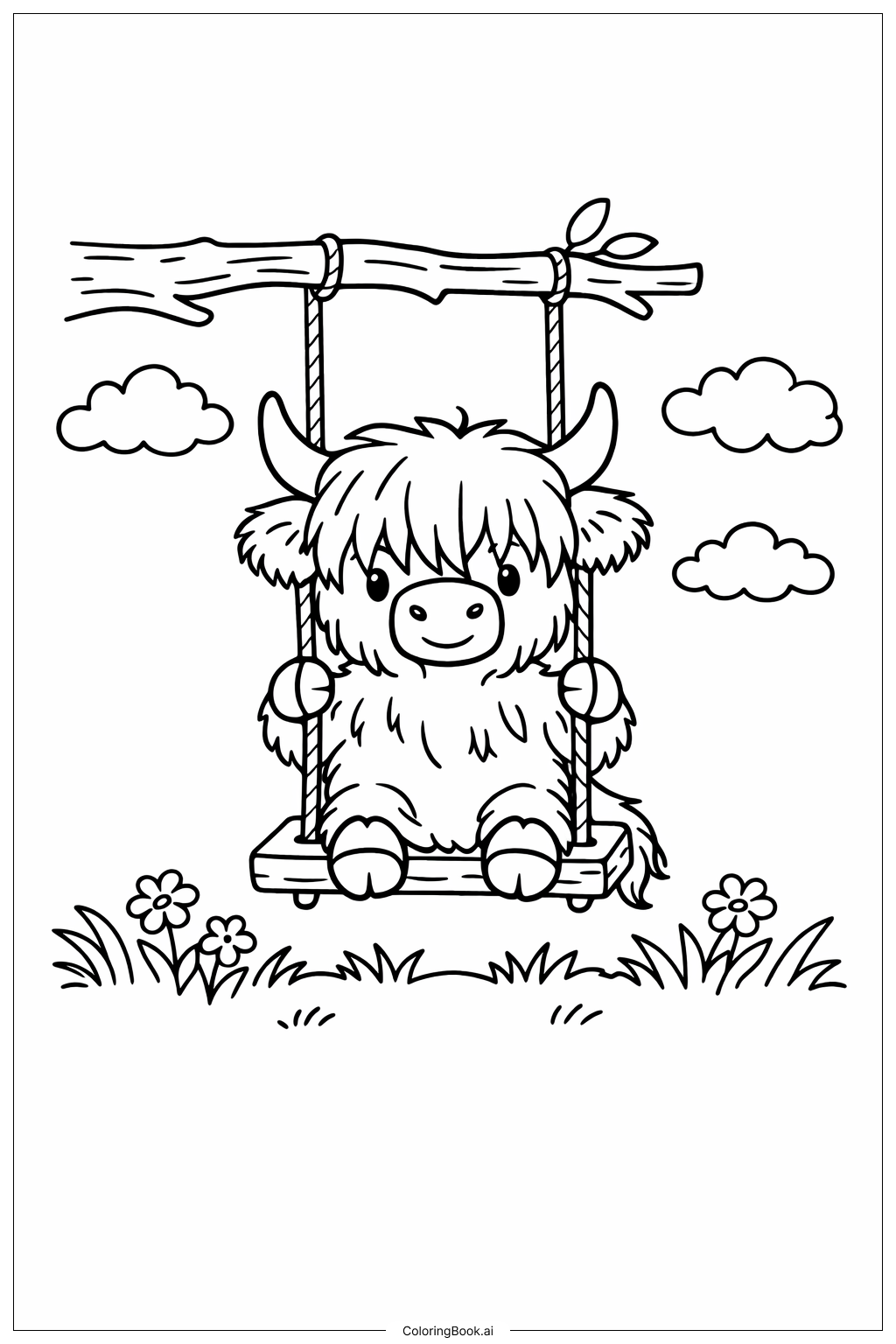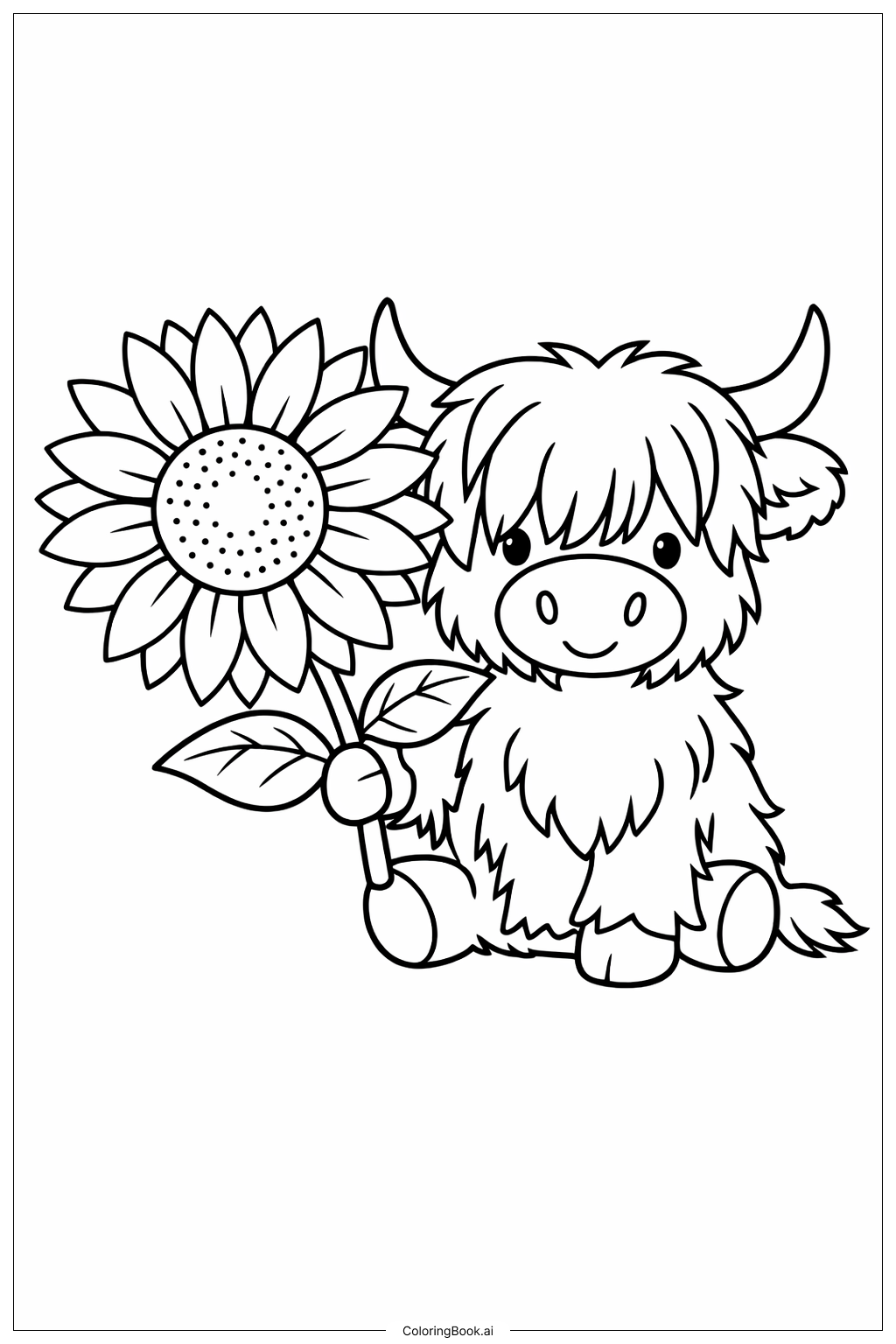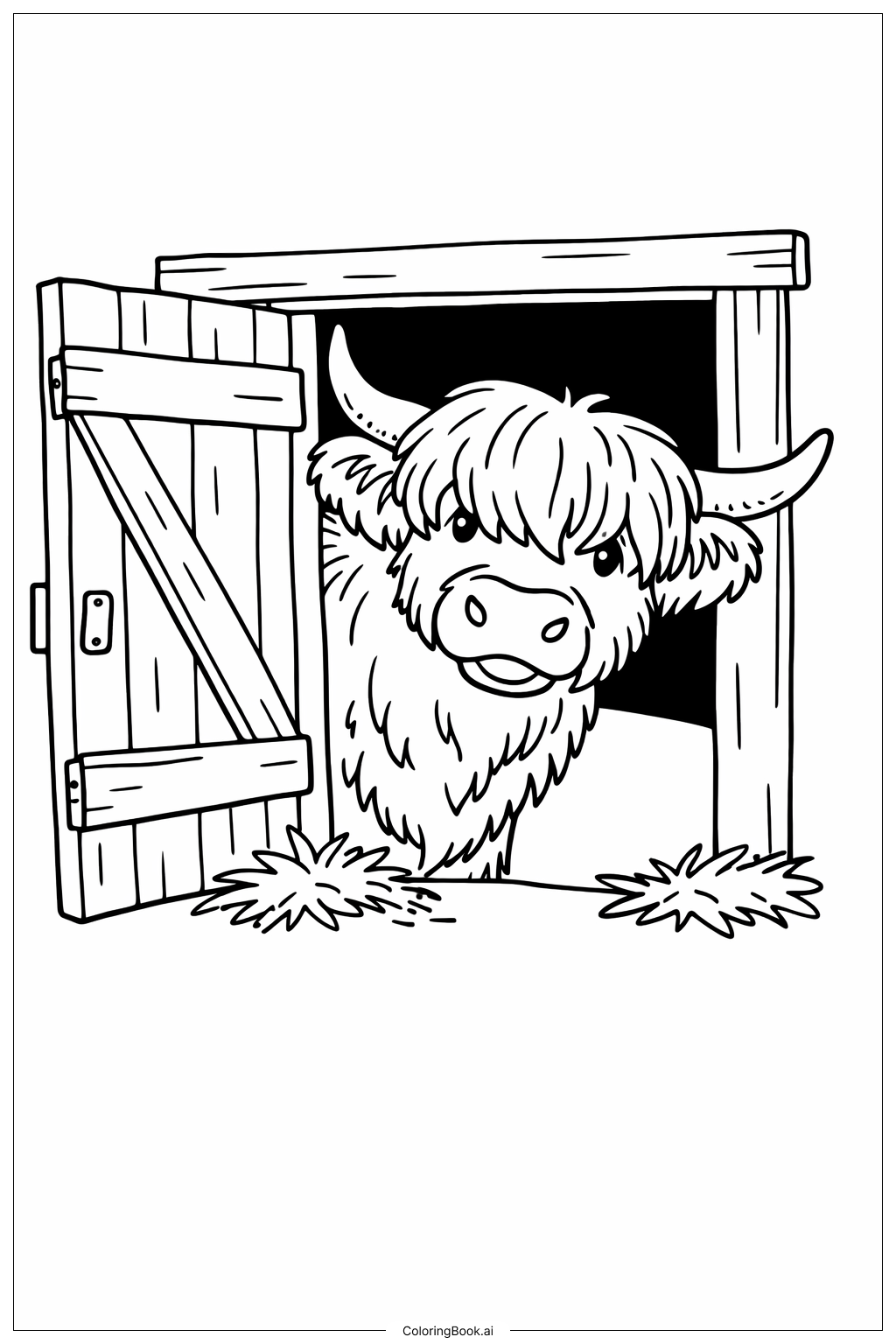
Coloring tips: How to color Highland Cow With Butterflies coloring page well?
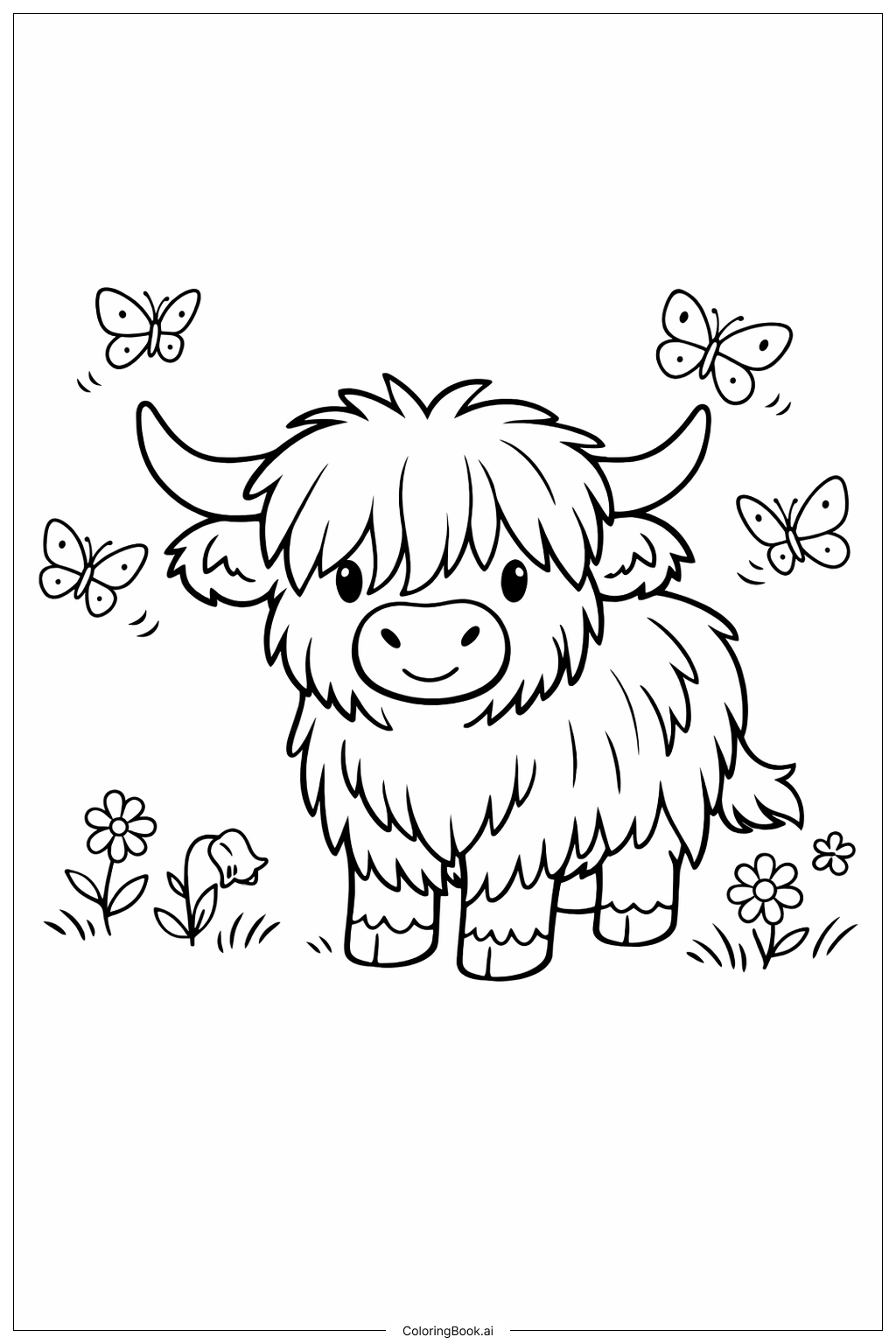
Start with the Highland cow's shaggy coat. Use warm, earthy tones like golden brown, amber, or rusty orange to bring the fur to life. For the long, flowing fur, try layering light and dark shades of the same color to create depth and texture. The horns look great in creamy white or pale tan with light gray shading along the edges. Give the cow's nose a soft pink or peachy tone, and use dark brown for the eyes with a tiny white dot for a sparkle effect. For the butterflies, let your imagination go wild. Use bright, cheerful colors like yellow, orange, purple, and blue to make them pop against the cow. Try making each butterfly a different color combination to add variety. Color the background grass in light and medium greens, and use soft yellows and whites for any flowers. This image is a great chance to practice blending colors and experimenting with patterns on the butterfly wings.
Coloring challenges: Which parts are difficult to color and need attention for Highland Cow With Butterflies coloring page?
• Shaggy Fur Texture: The Highland cow's most distinctive feature is its long, layered coat. Capturing the depth and flow of thick fur requires careful shading. You will need to use multiple tones of the same color and apply strokes that follow the direction of the fur to make it look natural. Flat coloring will make the coat look dull, so layering is key.
• Butterfly Wing Patterns: The butterfly wings often feature intricate patterns with spots, veins, and symmetrical designs. Staying within the fine lines of each wing section is tricky, especially for younger colorists. Thin markers or sharpened colored pencils work best here. Each wing half should mirror the other for a realistic look.
• Overlapping Elements: In areas where butterflies rest on the cow's back or horns, the two subjects overlap. Choosing contrasting colors for each element is important so they do not blend together visually. Planning your color palette before you start can help avoid confusion in these zones.
• Facial Details: The cow's face has soft, expressive features partially hidden behind falling fur. Coloring the eyes, nose, and mouth while keeping them visible beneath the fur strands takes patience and precision. Using a slightly darker shade around the face helps the features stand out naturally.
• Background Balance: The meadow background with grass and flowers needs to feel lush but should not overpower the main subject. Using softer, lighter shades for the background ensures the cow and butterflies remain the focal point of the finished piece.
Benefits of coloring books: Advantages of drawing Highland Cow With Butterflies coloring page
Coloring this Highland Cow With Butterflies page offers a wonderful range of benefits for kids and creative minds of all ages. The image encourages children to explore a rich palette of warm and cool colors, building their understanding of color relationships and contrast. Working on the cow's shaggy fur helps develop fine motor skills and hand control, as young colorists practice following the shapes and contours carefully. The butterfly details add an element of creativity, inviting children to design their own wing patterns and experiment with symmetry in a fun, low-pressure way. This type of creative activity also supports focus and concentration, helping children practice sitting with a task and completing it step by step. Coloring nature-themed scenes like this one sparks curiosity about animals and the natural world, making it both an artistic and educational experience. The peaceful, whimsical mood of the image makes it a calming activity that can reduce stress and promote a sense of relaxation. Completing the page also builds a sense of accomplishment and confidence, especially when children see their colorful finished work. Overall, this page is a joyful and rewarding coloring experience for everyone.