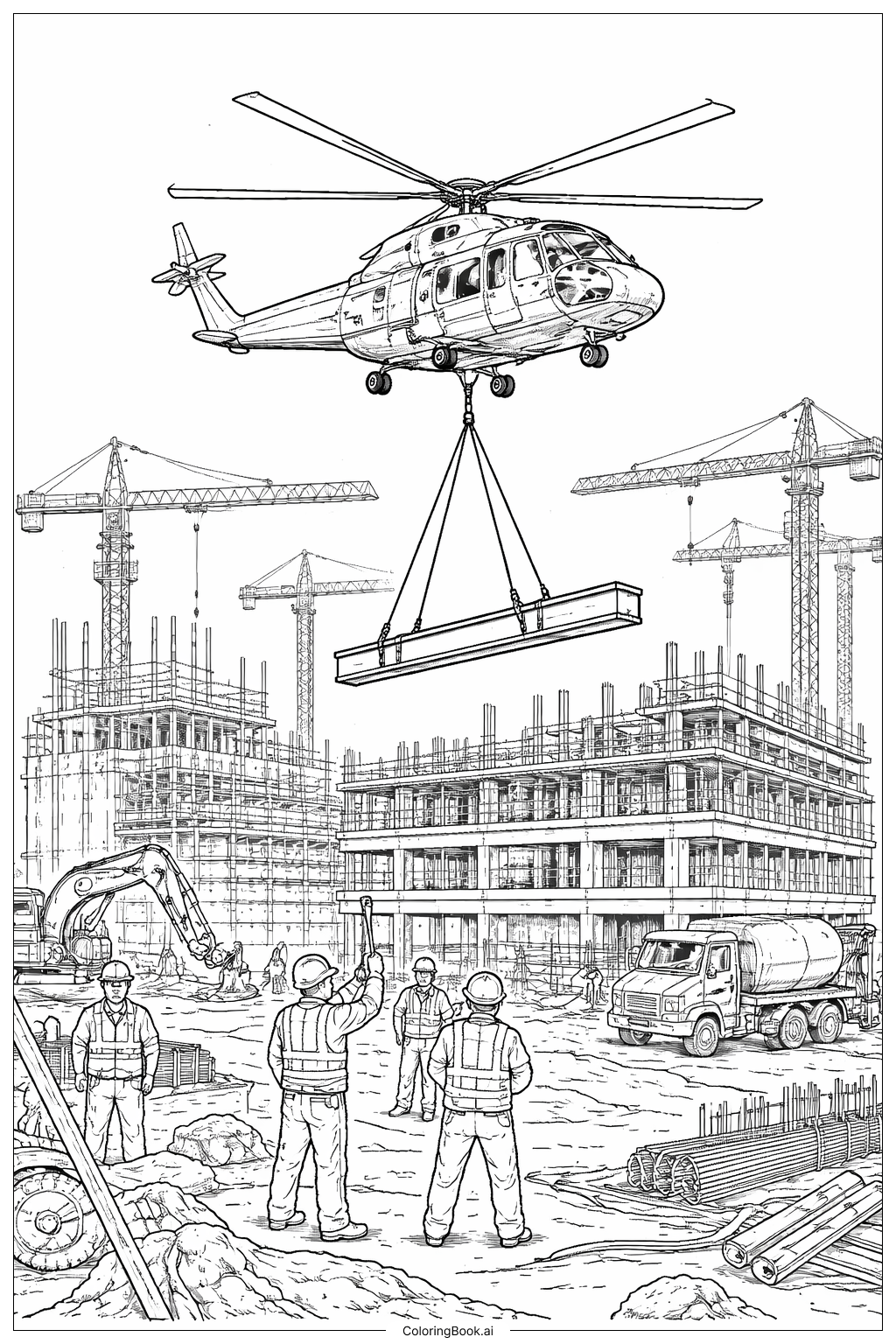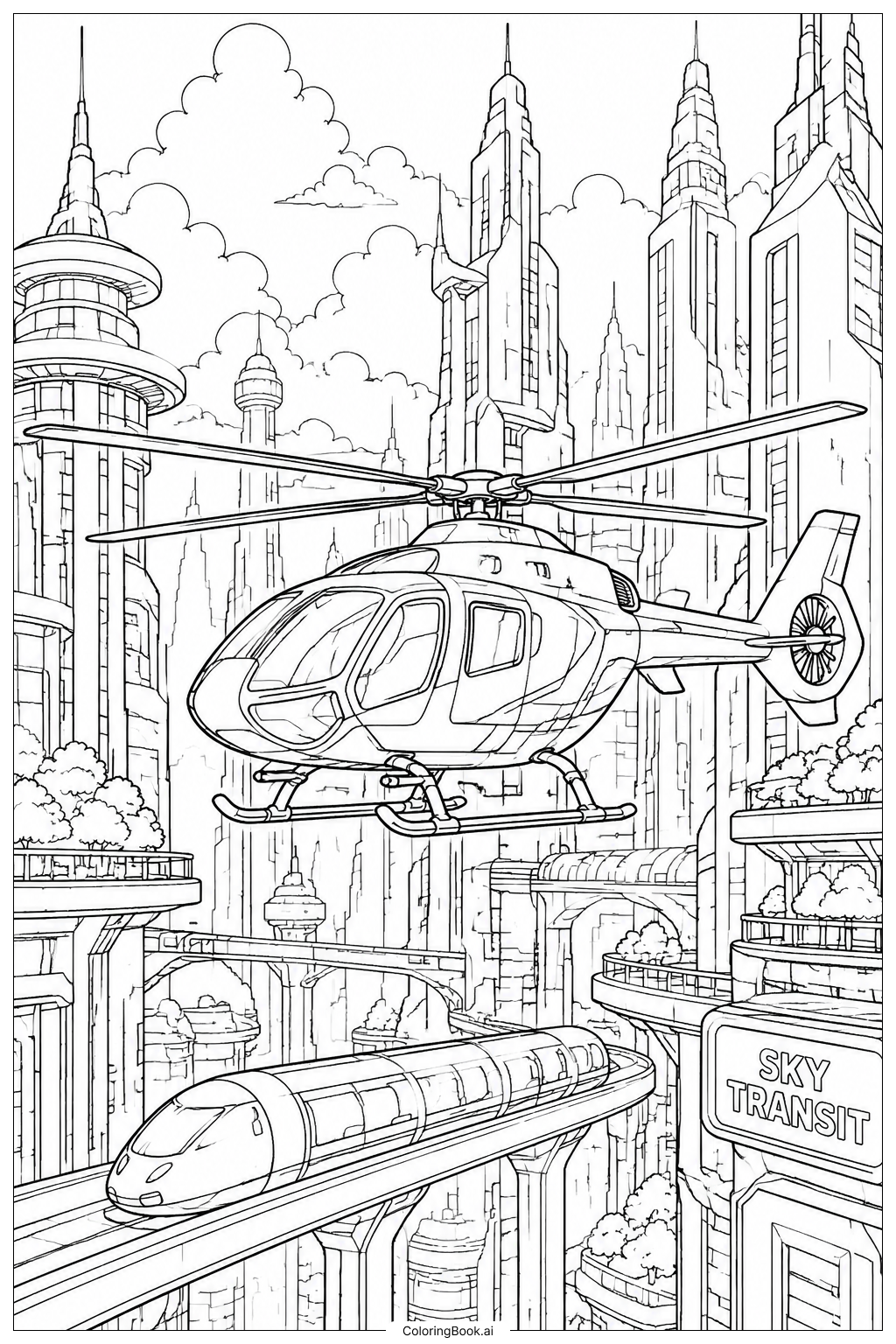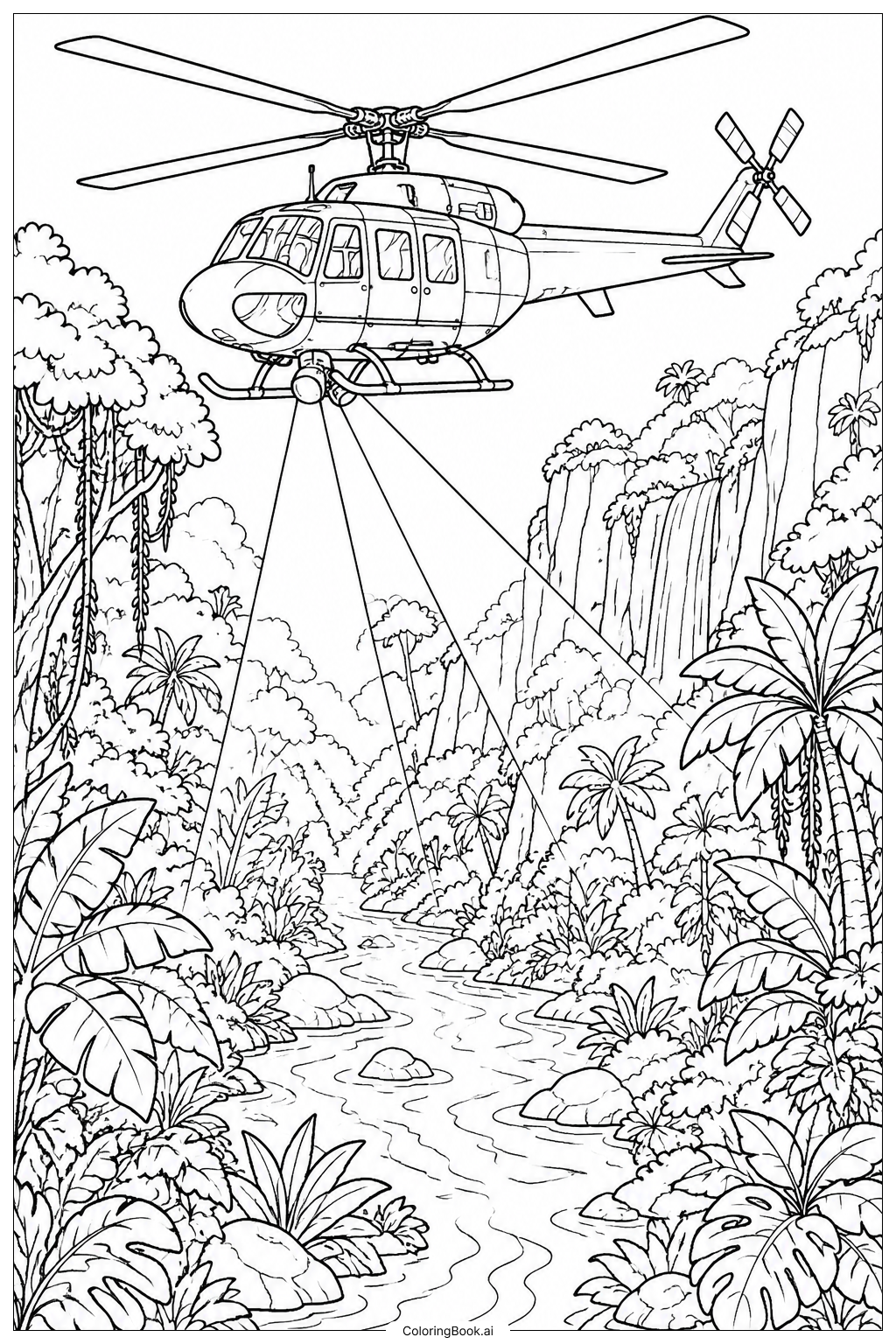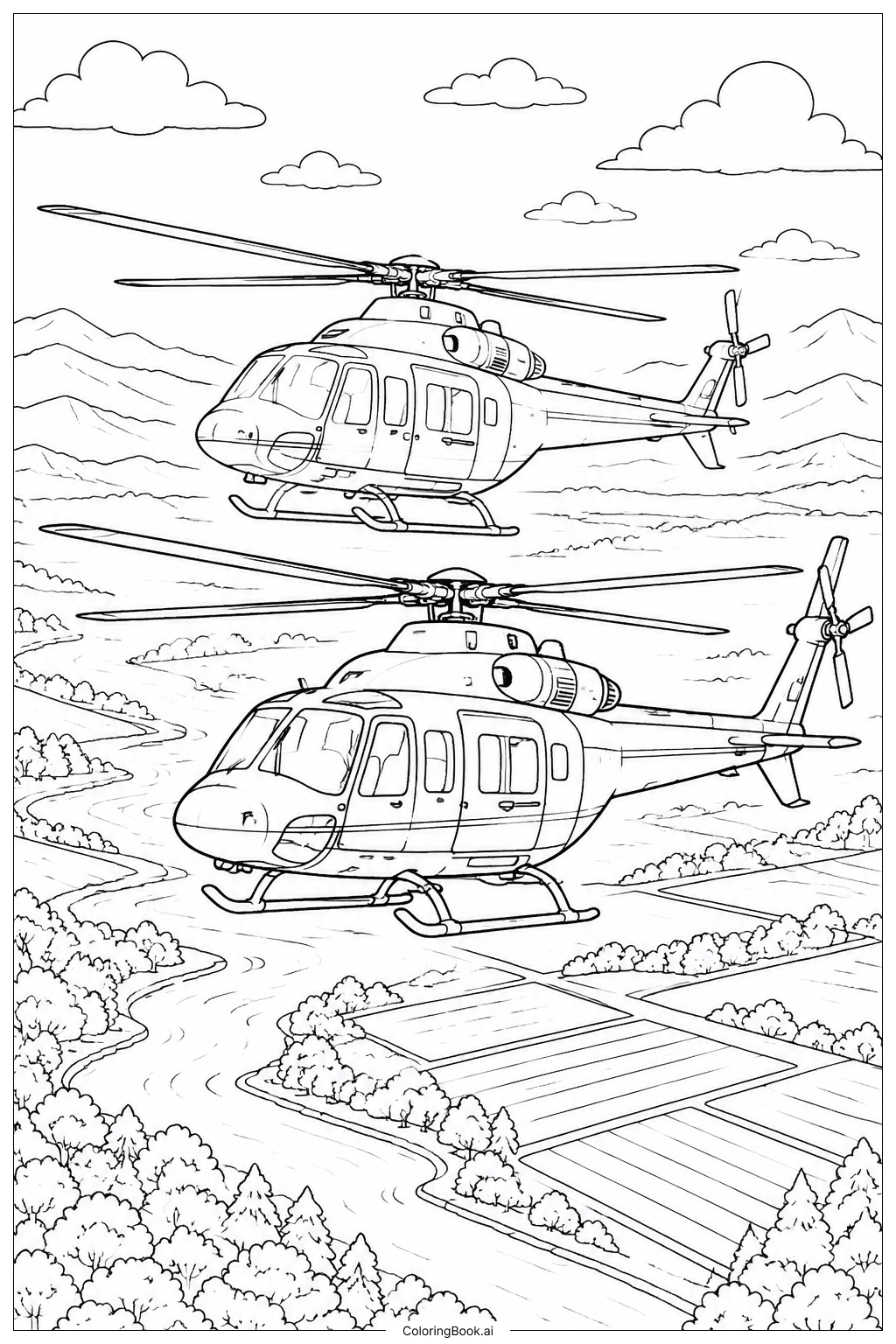
Coloring tips: How to color Helicopter With Simple Trees coloring page well?
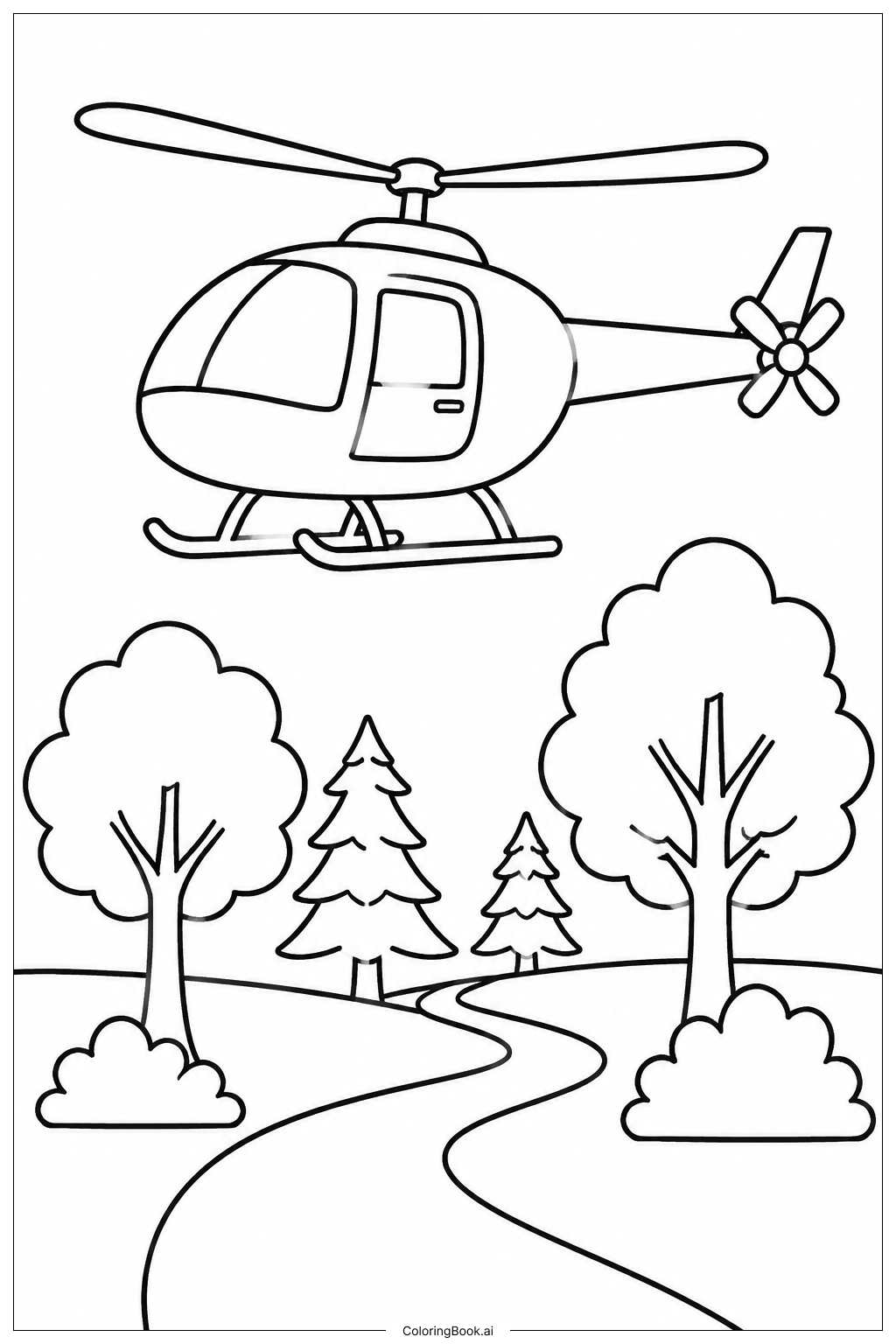
Start with the helicopter body and pick a bold, eye-catching color like red, blue, or yellow. Use a slightly darker shade of the same color for the tail section to add depth. Color the cockpit window light blue or pale gray to give it a glassy look. The rotor blades look great in gray or silver. For the skids, try black or dark gray. Move on to the trees next. Use different shades of green for the treetops to make them feel lively — mix lime green, forest green, and emerald for variety. Color the trunks brown or dark tan. Leave the sky area light blue or soft yellow to suggest daytime. Using crayons, colored pencils, or markers all work well here. Keep it simple and have fun with your color choices!
Coloring challenges: Which parts are difficult to color and need attention for Helicopter With Simple Trees coloring page?
• Cockpit Window: The cockpit window is a curved, relatively small area. Staying inside the curved lines without going over the edges can be tricky, especially for younger children. Using a fine-tipped marker or a sharpened colored pencil will help you stay precise and keep the window looking clean and neat.
• Rotor Blades: The main rotor blades are long and thin. Coloring thin shapes evenly without streaks or smudges takes patience and a steady hand. Try coloring slowly in one direction along the length of each blade rather than pressing hard or scribbling back and forth.
• Small Tail Rotor: The tail rotor is much smaller than the main rotor and sits in a tight space near the back of the helicopter. Getting color into this small area without accidentally coloring outside the lines onto the tail body is one of the trickiest parts of this page. A fine-tipped tool works best here.
• Tree Canopy Edges: Each treetop has a round, bumpy outline. Following those bumpy curves smoothly while filling in the canopy takes focus. If you want to use multiple shades of green, blending them inside the rounded shape without muddying the colors is an added challenge.
• Staying in the Lines Between Elements: Where the helicopter body, the skids, and the background sky meet, the lines are close together. Keeping each section its own color without bleeding into the next requires careful attention, particularly at the base of the helicopter near the landing skids.
Benefits of coloring books: Advantages of drawing Helicopter With Simple Trees coloring page
Coloring this helicopter and trees page offers a range of great benefits for kids of all ages. First, it helps build fine motor skills. Carefully filling in the rotor blades, cockpit window, and bumpy treetops strengthens hand muscles and improves pencil control — skills that directly support handwriting and everyday tasks. Second, it encourages creativity. Choosing colors for the helicopter body, sky, and trees lets children express their own imagination and develop a personal sense of style. Third, it supports focus and patience. Completing a detailed image like this teaches kids to slow down, pay attention, and work through a task step by step. Fourth, it introduces basic visual concepts like shape recognition, size differences, and spatial awareness in a hands-on, enjoyable way. Finally, finishing the page gives children a real sense of pride and accomplishment. Whether they color it with crayons, markers, or colored pencils, the end result is something they made themselves — and that feels great.