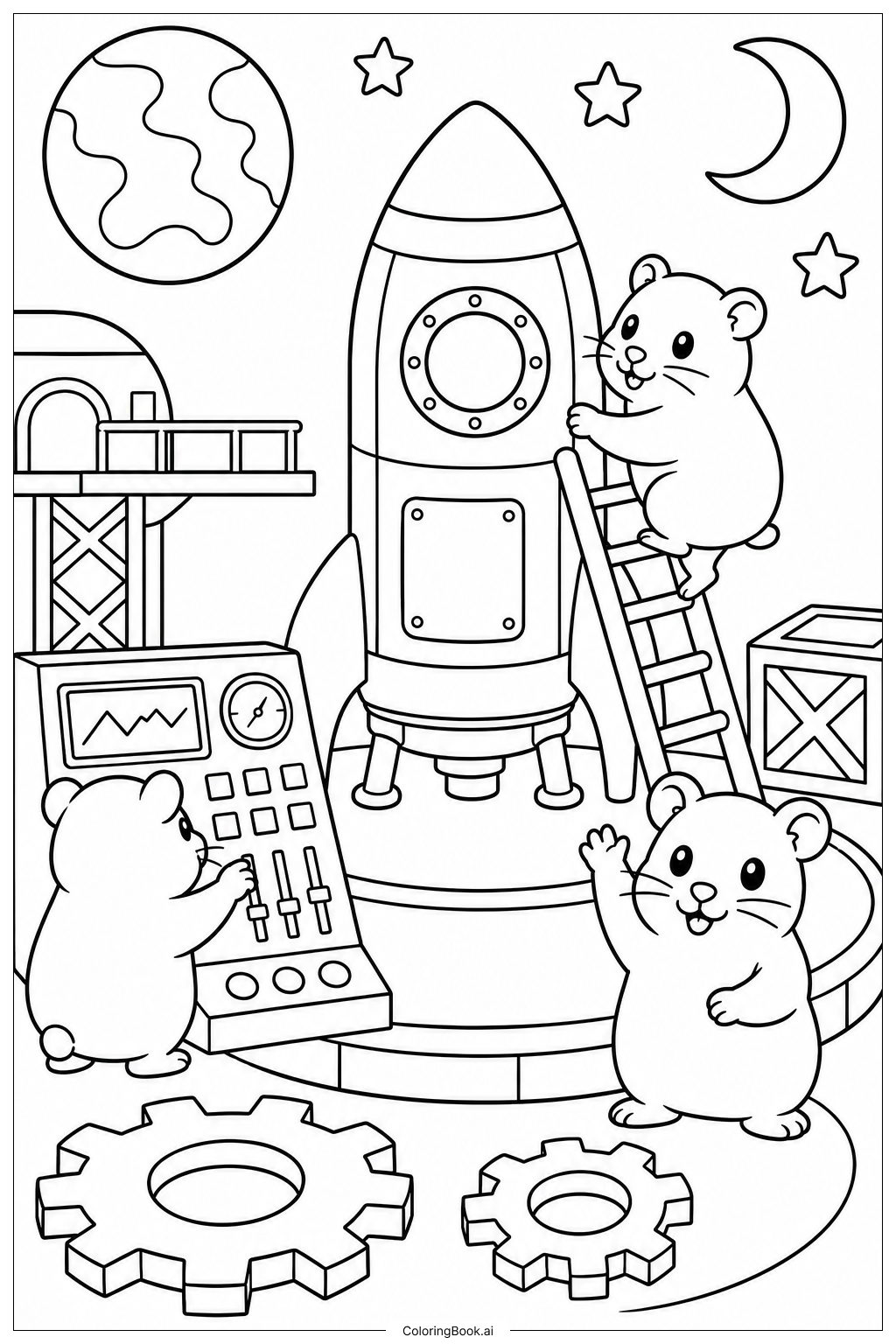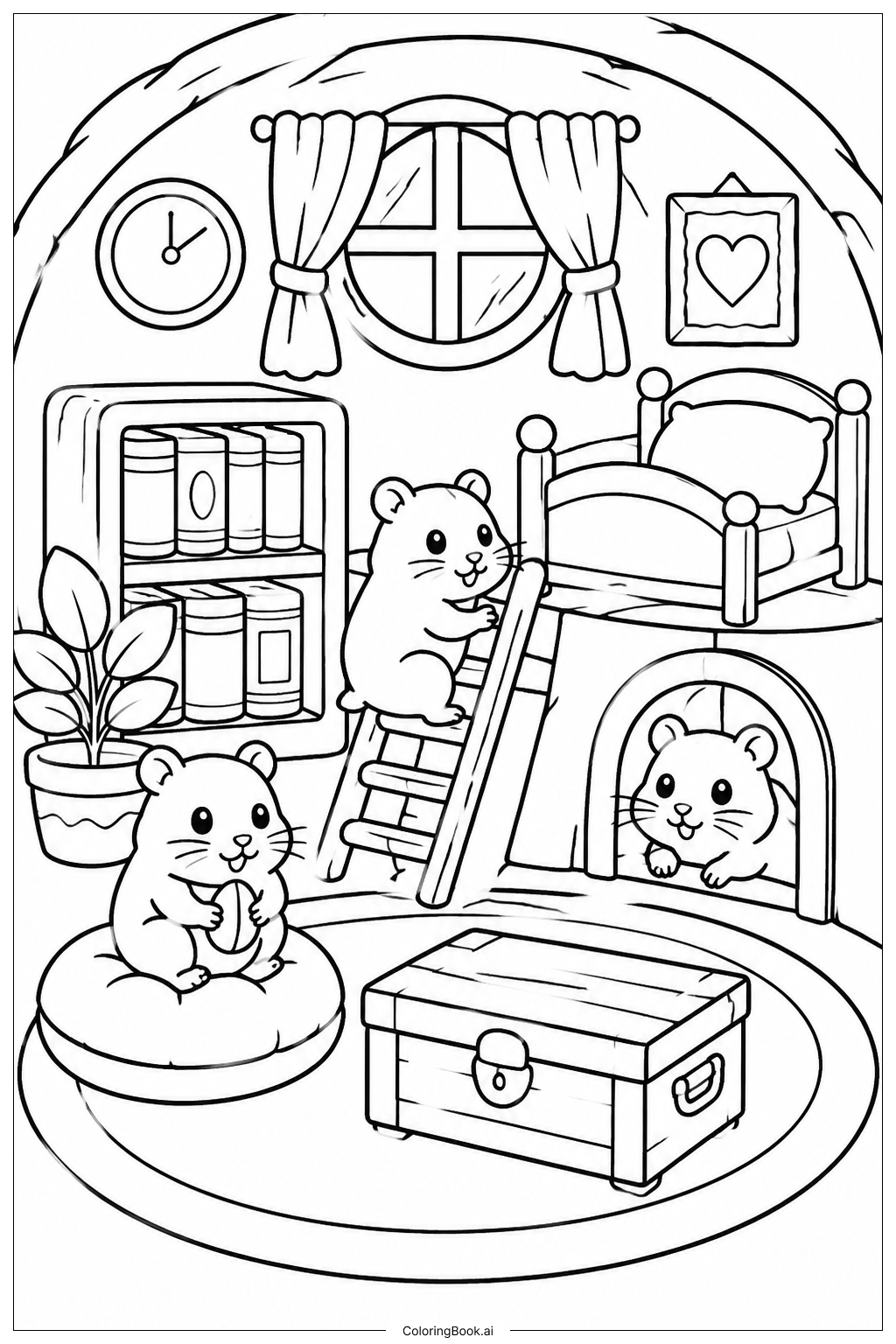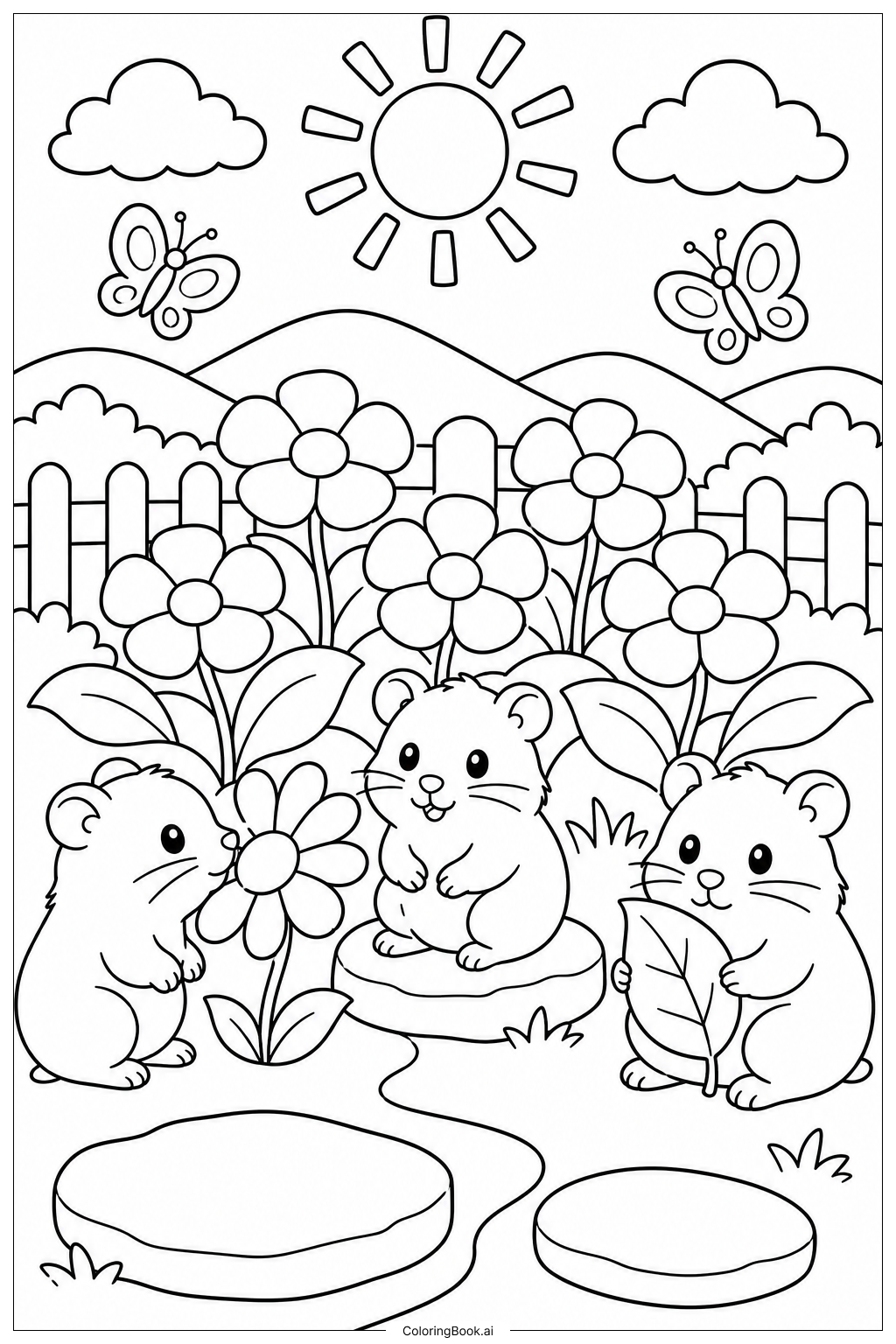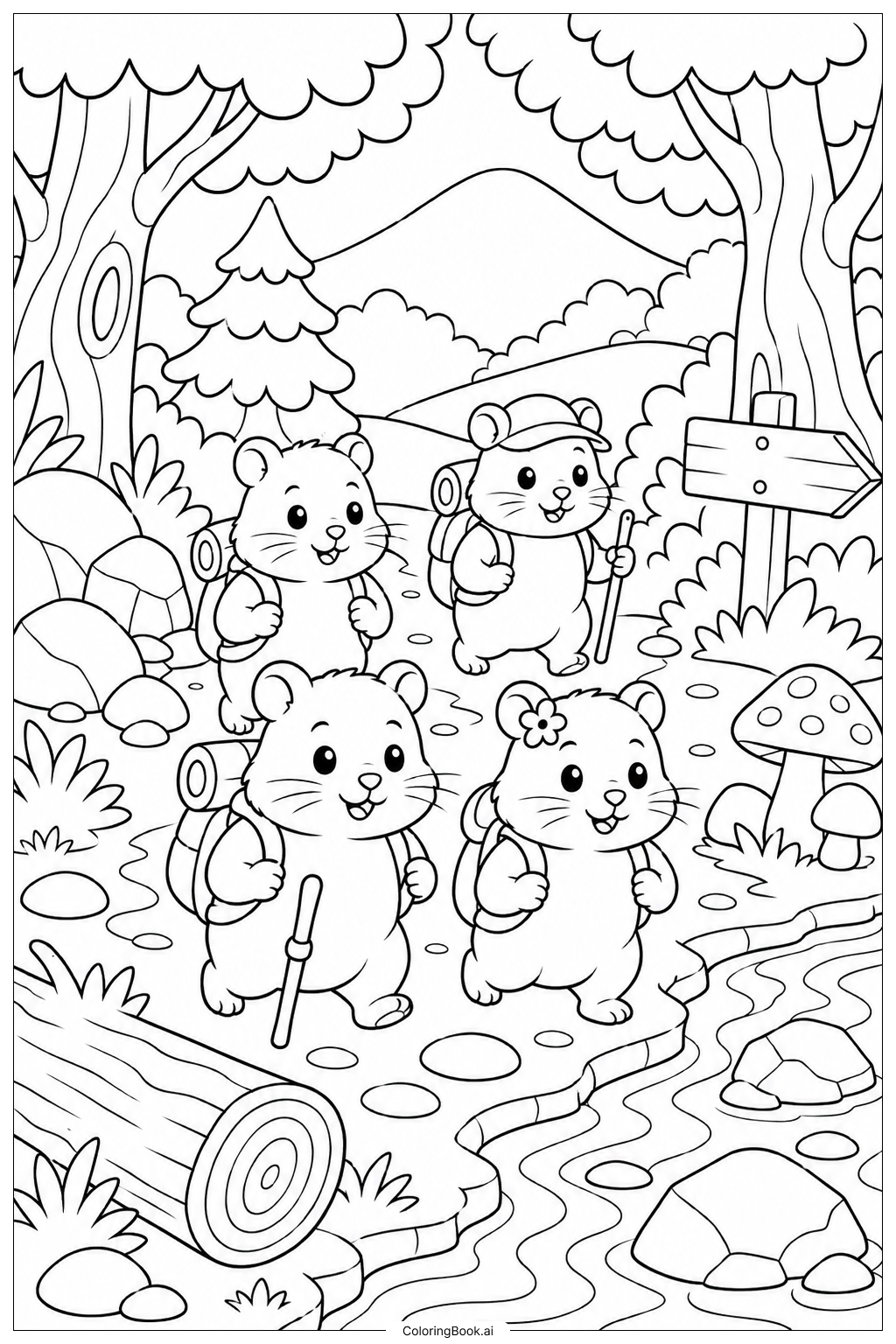
Coloring tips: How to color Hamster Wearing Scarf coloring page well?
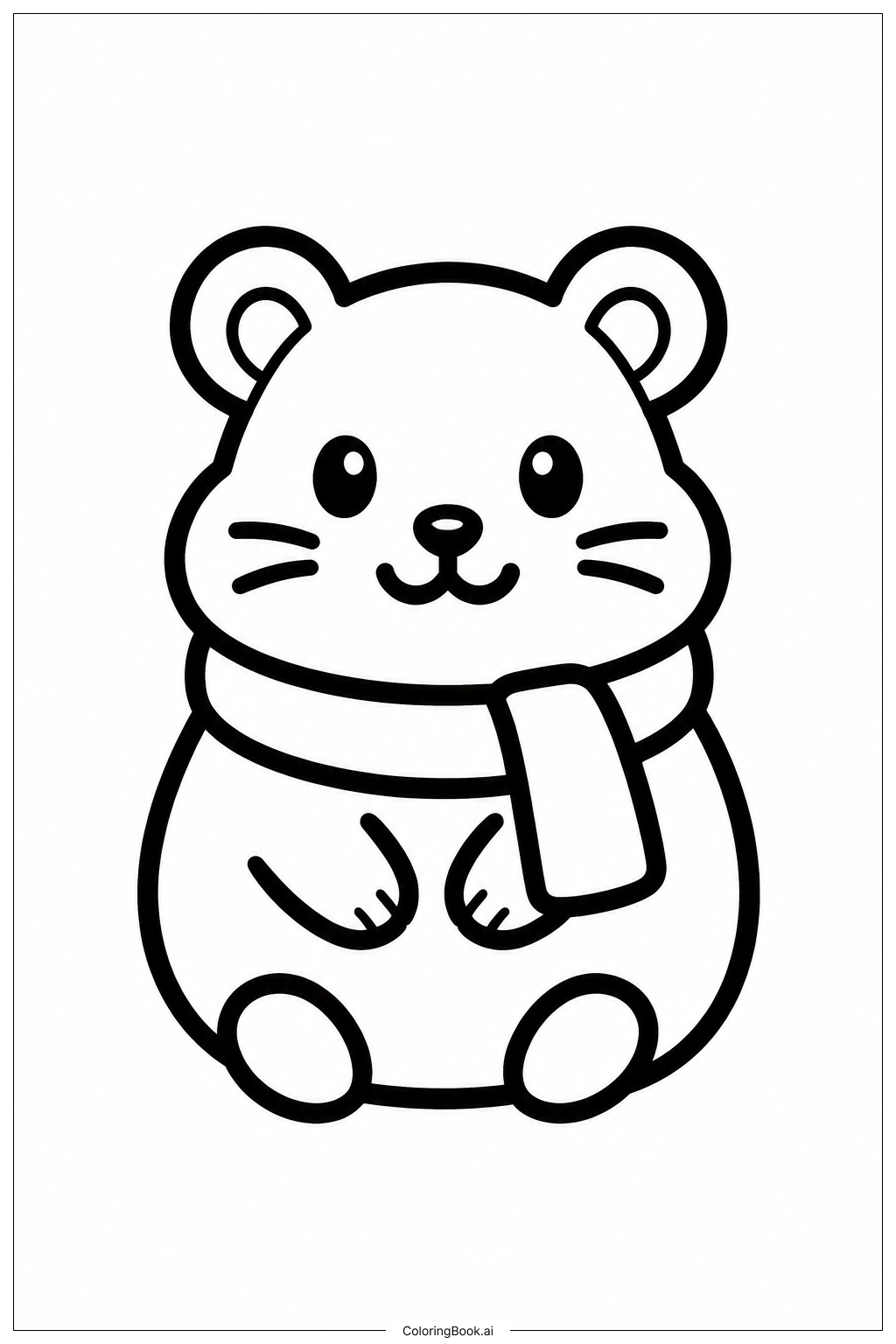
For coloring this image, consider choosing warm colors for the scarf like red, orange, or yellow to make it stand out. You could use a soft brown or light beige for the hamster's fur to give it a natural look. Add some pink shading on the ears and cheeks to bring a gentle warmth to the face. Feel free to use different shades of the same color on the scarf to show folds and texture. The eyes can be colored dark brown or black with a tiny white spot left uncolored to show sparkle. You might also add a subtle background with light blues or greens to complement the warm tones of the hamster and scarf.
Coloring challenges: Which parts are difficult to color and need attention for Hamster Wearing Scarf coloring page?
• Small Details: The hamster’s tiny paws and the delicate folds in the scarf require careful coloring to stay within the lines and show depth.
• Texture Variation: Representing the furry texture of the hamster while keeping the scarf looking soft but different can be challenging for young colorers.
• Color Layering: Adding shadows and highlights to the scarf to make it look three-dimensional needs some attention to layering colors correctly.
• Facial Features: The subtle features like the eyes, nose, and whiskers need precision to avoid overwhelming the softness of the hamster’s face.
• Keeping Balance: Choosing colors that contrast enough to make the scarf pop but still keep the hamster looking natural involves thoughtful color choices.
Benefits of coloring books: Advantages of drawing Hamster Wearing Scarf coloring page
Coloring this image helps children develop their fine motor skills, as they need to color small areas carefully. It encourages creativity by allowing them to experiment with warm and cool colors for the scarf and fur. Focusing on details such as the folds of the scarf and the hamster’s fur boosts observation and concentration. It also introduces the concept of texture through color, helping them understand how different coloring techniques can represent softness or fluffiness. Lastly, coloring a friendly animal scene can be calming and enjoyable, supporting emotional expression and patience.