Coloring tips: How to color Hamster On Wheel coloring page well?
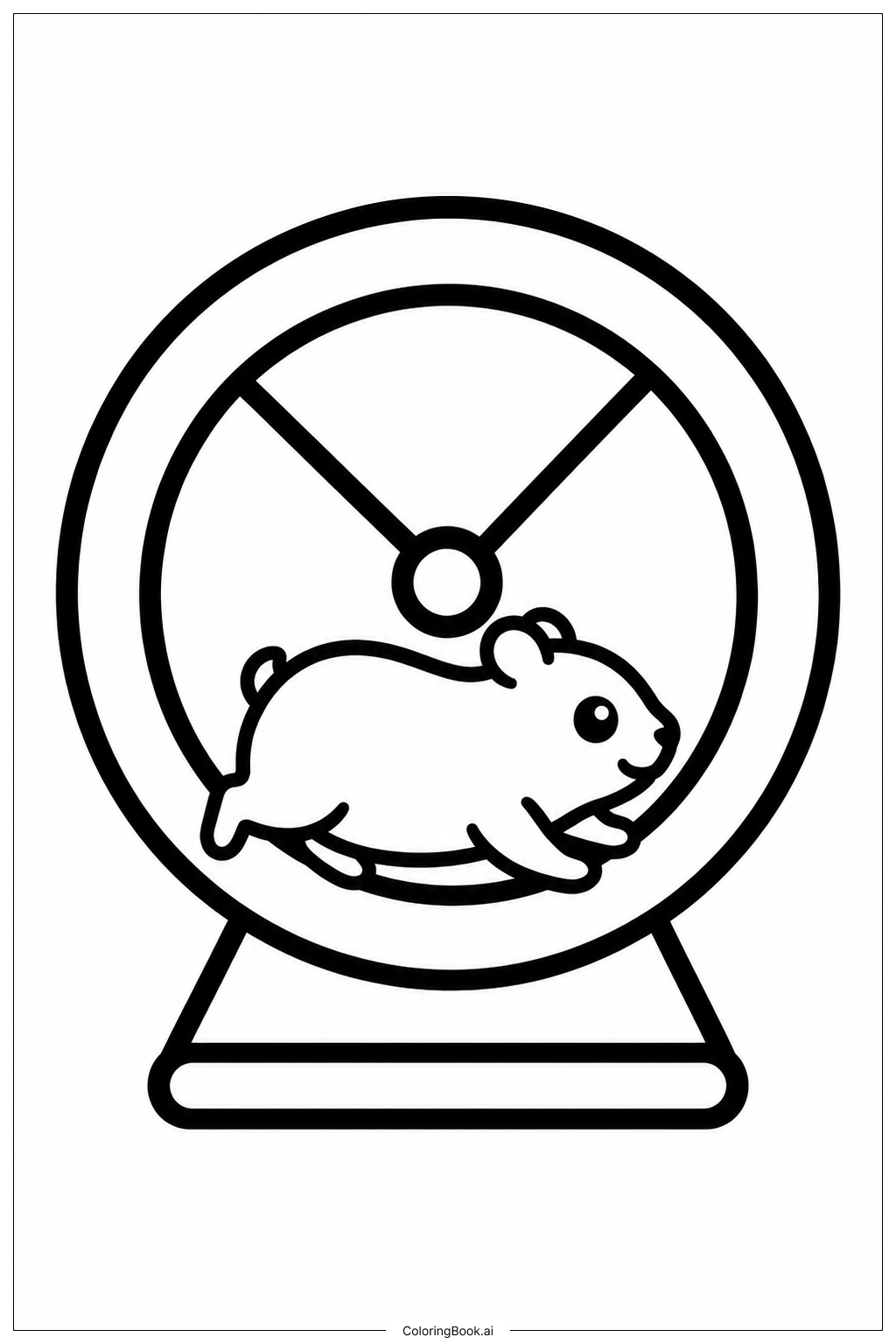
For this image, try coloring the hamster with warm shades like soft brown, golden-yellow, or light orange to give it a lively and natural feel. Use a lighter cream or white color for the hamster’s belly and cheeks. The wheel can be shaded with cool colors such as blue or gray to create contrast against the hamster’s warm tones. You might want to add some shine or highlight spots on the hamster’s eyes and nose to make them look bright and lively. Experiment with blending different colors to show the roundness and fluffy texture of the hamster’s fur. You can also color the wheel ribs in darker tones to show depth and structure. Let your imagination run free with colorful backgrounds or patterns to brighten the scene even more.
Coloring challenges: Which parts are difficult to color and need attention for Hamster On Wheel coloring page?
• Small Details: The hamster’s whiskers, tiny paws, and facial features are very small and delicate. Coloring inside these tiny areas requires careful hand control and attention to avoid smudging or coloring outside the lines.
• Curved Shapes: The hamster’s round body and the circular wheel involve many curved surfaces. Creating smooth shading on these shapes can be challenging, especially to show light and shadow realistically.
• Overlapping Parts: The hamster’s legs and the wheel spokes overlap in some areas, requiring precise coloring to separate the layers and keep each part distinct.
• Consistent Texture: The hamster’s fur texture is soft and fluffy, making it challenging to use colors and strokes that convey this softness instead of flat coloring.
• Limited Space: Some sections of the wheel and hamster body have narrow gaps. Coloring these tight spaces without mixing colors or going outside lines needs extra patience and fine-tipped tools.
Benefits of coloring books: Advantages of drawing Hamster On Wheel coloring page
Coloring this image helps improve fine motor skills by encouraging control and precision, especially when working with small, detailed spaces. It enhances observational skills as children notice the hamster’s fur patterns, shapes, and the wheel structure to apply color thoughtfully. Engaging with this lively scene also boosts creativity, allowing children to experiment with warm and cool colors to create contrast. The activity promotes focus and patience, as the image contains overlapping parts that need careful coloring. Finally, coloring an animal like a hamster fosters empathy and appreciation for small creatures, making the experience both enjoyable and educational.